
In mid-1957, Pontiac introduced the Safari Transcontinental, a four-door version of its two-door wagon lineup
- The Transcontinental featured unique side trim and a few SUV cues, including a standard roof luggage rack.
The 1957 Pontiac Transcontinental Safari was a one-year wonder. It was a rarer, mid-year addition to the Star Chief Custom line. The six-passenger luxury wagon was the four-door sibling to the high-end Bonneville.
With only 1,894 units built, the Transcontinental earned the nickname of Pontiac’s “forgotten ’57.”
While all 1957 Pontiac wagons were branded as “Safaris,” the Transcontinental was the ultimate expression of the nameplate. It was designed to bridge the gap between a family hauler and a luxury cruiser.
It was distinguished by several high-end visual cues:
Four-Star Side Spear: While Star Chief models featured three chrome stars on the rear fender, the Transcontinental added a fourth star.
Anodized Aluminum Panels: The anodized aluminum trim panel below the side spear was a special feature of the ultra-exclusive 1957 Bonneville convertible.
Standard Roof Rack: Every Transcontinental came factory-equipped with a chrome roof luggage rack, a rarity for the time.
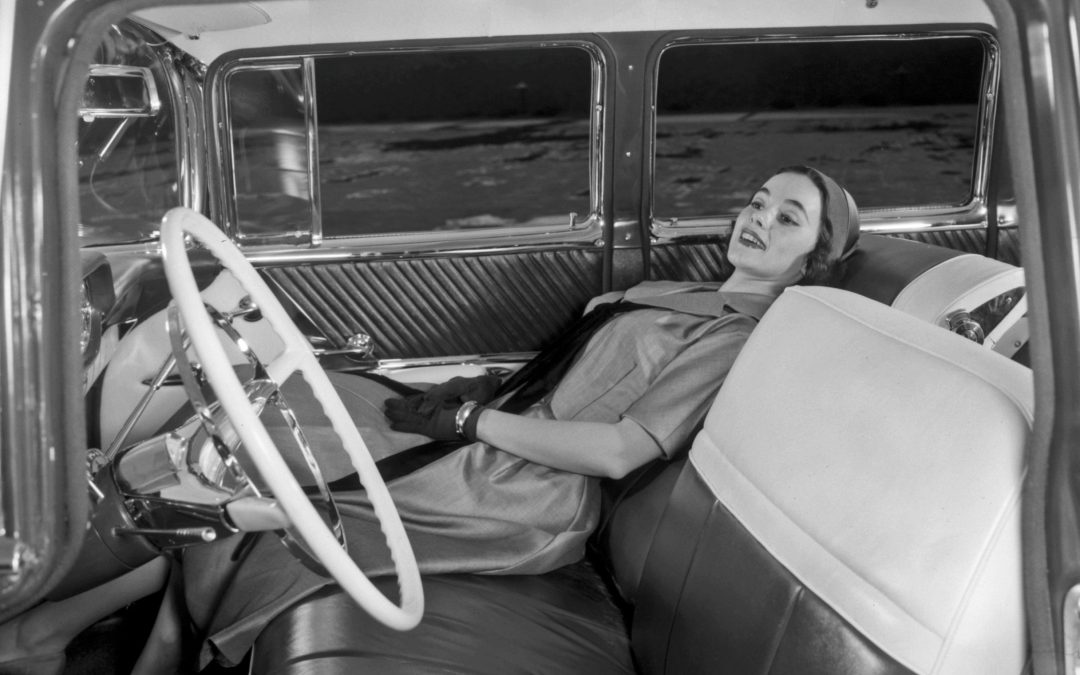
Luxury Interior: The cabin was outfitted in genuine leather with a unique 70/30 split front seat. The passenger side is wider and commonly features a headrest—a progressive comfort feature.
Exhaust Trick: Models equipped with dual exhaust featured simulated exhaust outlets built directly into the rear bumper corners. The actual exhaust, however, was redirected downward beneath the car to prevent exhaust fumes from swirling back into the passenger cabin.
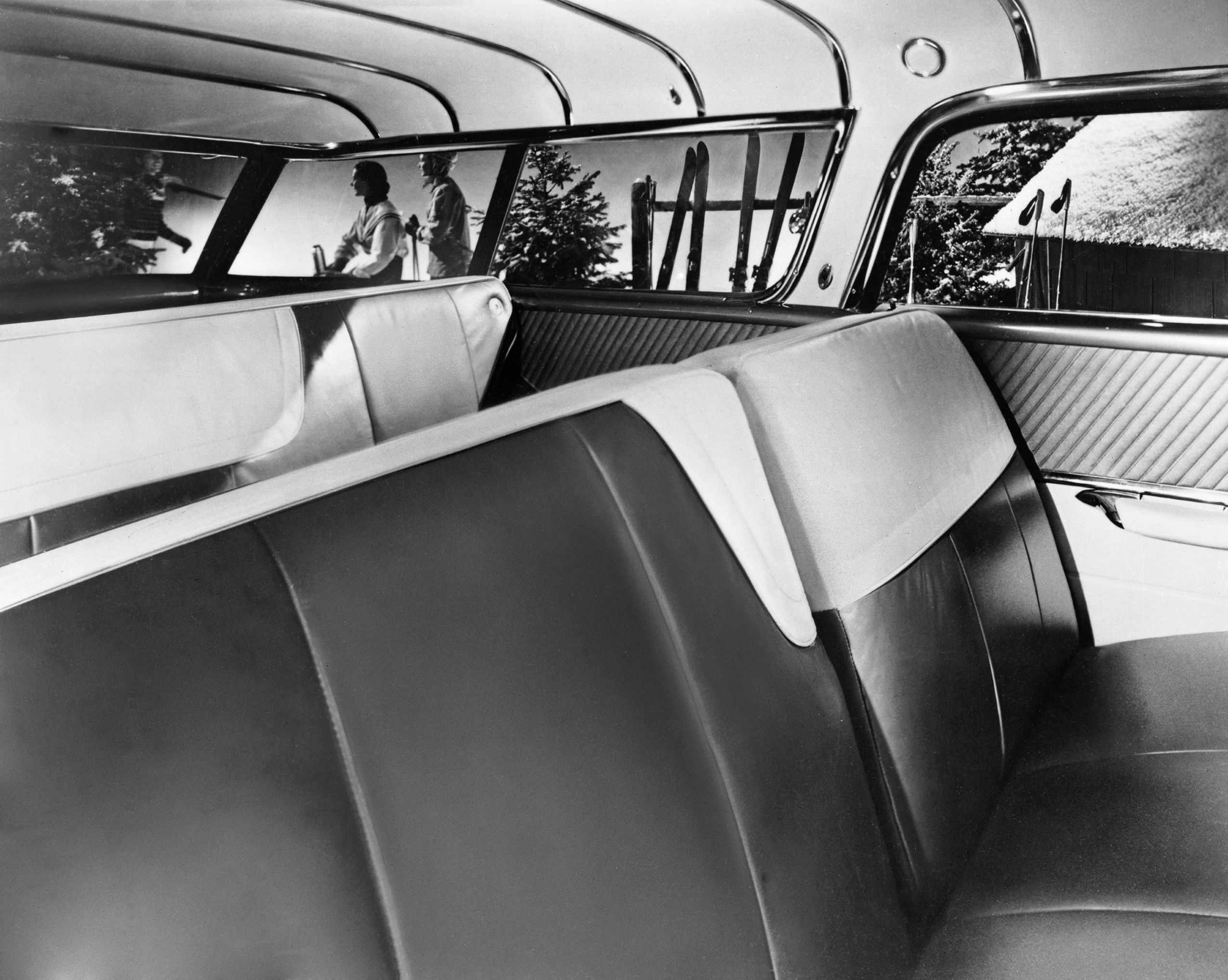
Leather upholstery and large chrome trim helped define the cabin of the 1957 Pontiac Star Chief Custom Safari.
1957 Safari Transcontinental Stats
The exterior dimensions for the (Style 2762SDF) highlight the lower, longer profile Pontiac engineered for its 1957 “Star Flight” design lineup:
Overall Length: 207.7 inches (Note: Station wagons rode on the Series 27 122-inch wheelbase chassis, making them slightly shorter than the 124-inch wheelbase Star Chief passenger cars, but the bodywork extended the total length past 17 feet).
Width: 75.2 inches
Height: 59.3 inches (The sleek roofline on the Custom Safari wagons sat nearly an inch lower than the standard 1957 Chieftain and Star Chief sedans).
Curb weight: 3,955 pounds, with the Hydra-Matic transmission (vs 3,670 pounds for a 1957 Chieftain four-door wagon).
Other key chassis specs:
Wheelbase: 122 inches
Front Track: 59 inches
Rear Track: 59.4 inches
Factory Tire Size: 8.50 x 14 inches (Wagons and air-conditioned models received beefier 8.50 tires compared to the 8.00 tires used on standard coupes and sedans).
Sources:
* Pontiac Safari – Wikipedia
* 1955 Models and Body Styles
* Pontiac Custom Safari Facts
* Pontiac V-8 Engines
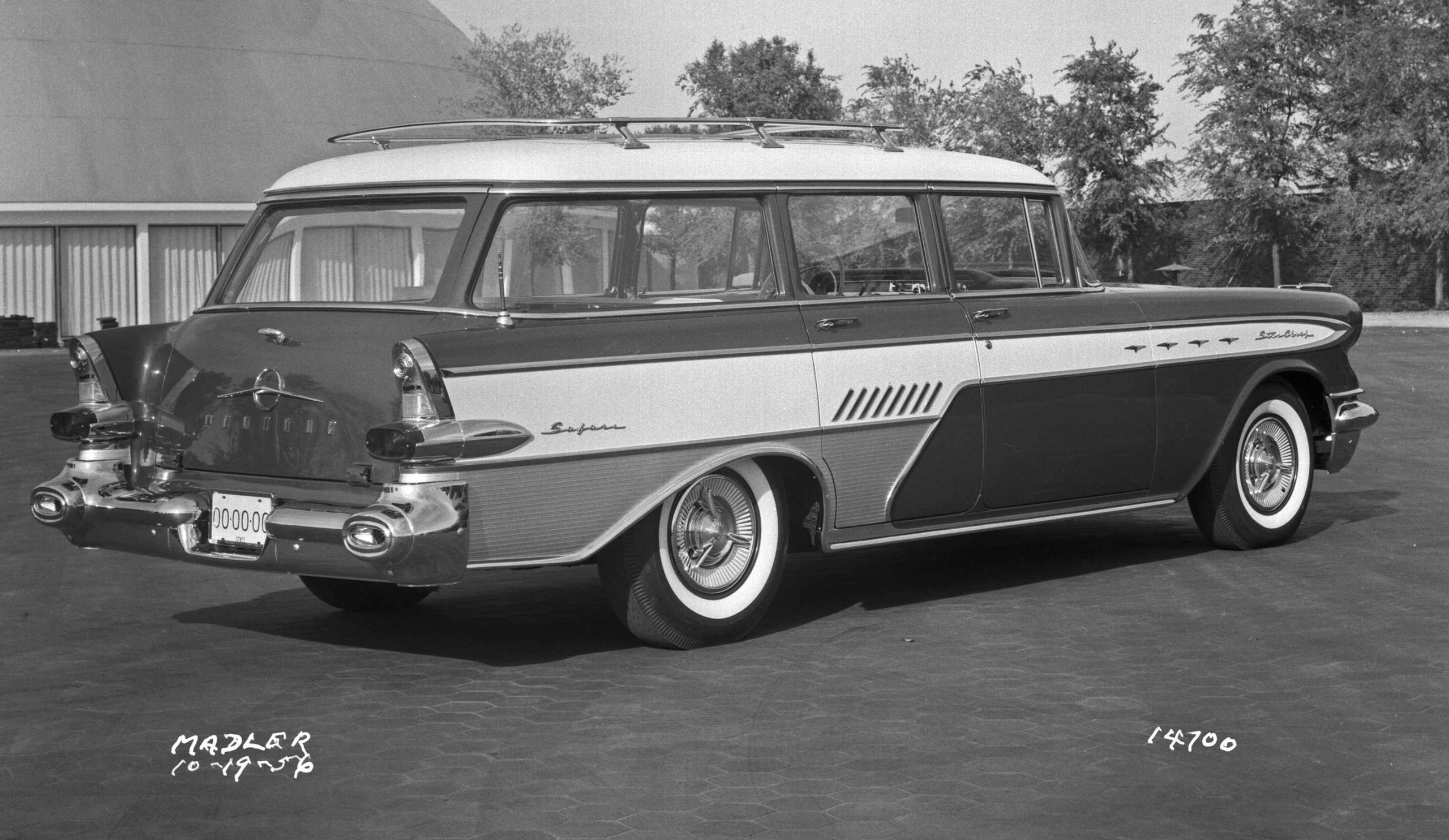
The 1957 model is easily identified by its massive “Star Flight” kontur-styled rear fins. Above, note the iconic Pontiac front fascia designed by Paul Gillan, head of the Pontiac Design Studio from 1951 to 1958.
Transcontinental Powertrains
Under the hood of the Pontiac Safari Transcontinental was a 347-cubic-inch Strato-Streak V-8, which had been enlarged from the previous year’s 316-cubic-inch.
The engine had three performance choices:
270-hp four-barrel: Standard for Star Chief Custom models.
290-hp Tri-Power: This optional engine choice featured three two-barrel Rochester carburetors.
315-hp Rochester Fuel Injection V-8: The 315-hp “fuelie” was the pinnacle of Pontiac performance in 1957 and was standard on the 1957 Bonneville convertible. The uprated engine was technically a “special order” option (costing around $500) for the Transcontinental Safari and other Star Chief models.
The fuel-injected engine achieved its impressive output by replacing traditional carburetors with a continuous-flow mechanical fuel injection system. It was developed by GM’s Rochester division.
Horsepower: 315 hp at 4,800 rpm
Torque: 400 foot-pounds at 3,200 rpm
Compression Ratio: 10.25:1
Induction: Rochester mechanical fuel injection with a high-lift camshaft.
Transmissions
Most Pontiac Transcontinentals were equipped with the optional Strato-Flight Hydra-Matic automatic transmission ($231). Few buyers opted for the three-speed synchromesh manual with column shift.
Size Matters
With a wheelbase of 122 inches, the four-door Transcontinental is more than 7 inches longer than the two-door Custom Safari. The standard Pontiac Safari was built on the shorter 115-inch Chieftain and Super Chief wheelbase.
With the Strato-Flight Hydra-Matic transmission, the Safari Transcontinental weighed a substantial 3,955 pounds.
The Pontiac Safari Transcontinental came with a high price tag of $3,636, making it more expensive than any other Pontiac except the Bonneville. Because it was a mid-year release with such a high cost, production was limited. Only 1,894 units were built.
Because the Transcontinental did not share the “pillarless,” sport two-door Safari’s body, it is often overlooked by enthusiasts. Consequently, the Transcontinental is one of the rarest and most sought-after wagons for Pontiac enthusiasts today.
The two-door Safari is rarer in terms of numbers built than its platform partner, the Chevrolet Nomad. However, the Transcontinental is often harder to find in original or usable condition. Many were used as family wagons, whereas the two-door models were more frequently preserved as halo cars. Collectors looking for a survivor can verify its authenticity via the cowl tag. The style number for a Transcontinental Safari is 2762SDF.
Decoded the cowl tag translates to:
27, Star Chief series;
62, four-door Safari Wagon body style;
SD, Super Deluxe;
F, Framingham, Mass., assembly plant.
Neither the two-door Safari nor the Transcontinental returned for 1958. Pontiac had shifted its focus toward the wider, lower styling of the upcoming “Wide Track” era.
Sources
“Standard Catalog of American Cars, 1946-1975”; OldCarsWeekly; PontiacSafari.com
New for the 1957 Pontiac Safari
1957 was the final year of the specialized two-door body. Pontiac began using the “Safari” name for all its wagons this year. The two-door was renamed the Custom Safari to distinguish it from the standard four-door Chieftain and Super Chief Safaris.
The 1957 Star Chief Custom Safari represents the pinnacle of the first two-door design. It featured the 347 cubic-inch V-8 with up to 290 hp. However, 1957 was also a year of transition.
Evolving consumer tastes and the addition of the Safari nameplate to all Pontiac wagons led to the demise of the two-door wagon.
Pricing for the 1957 Safari started at $3,481. Only about 1,294 two-door Custom Safaris were built in 1957, making them among the most sought-after collector cars today.
Source: “Standard Catalog of American Cars, 1946-1975.”
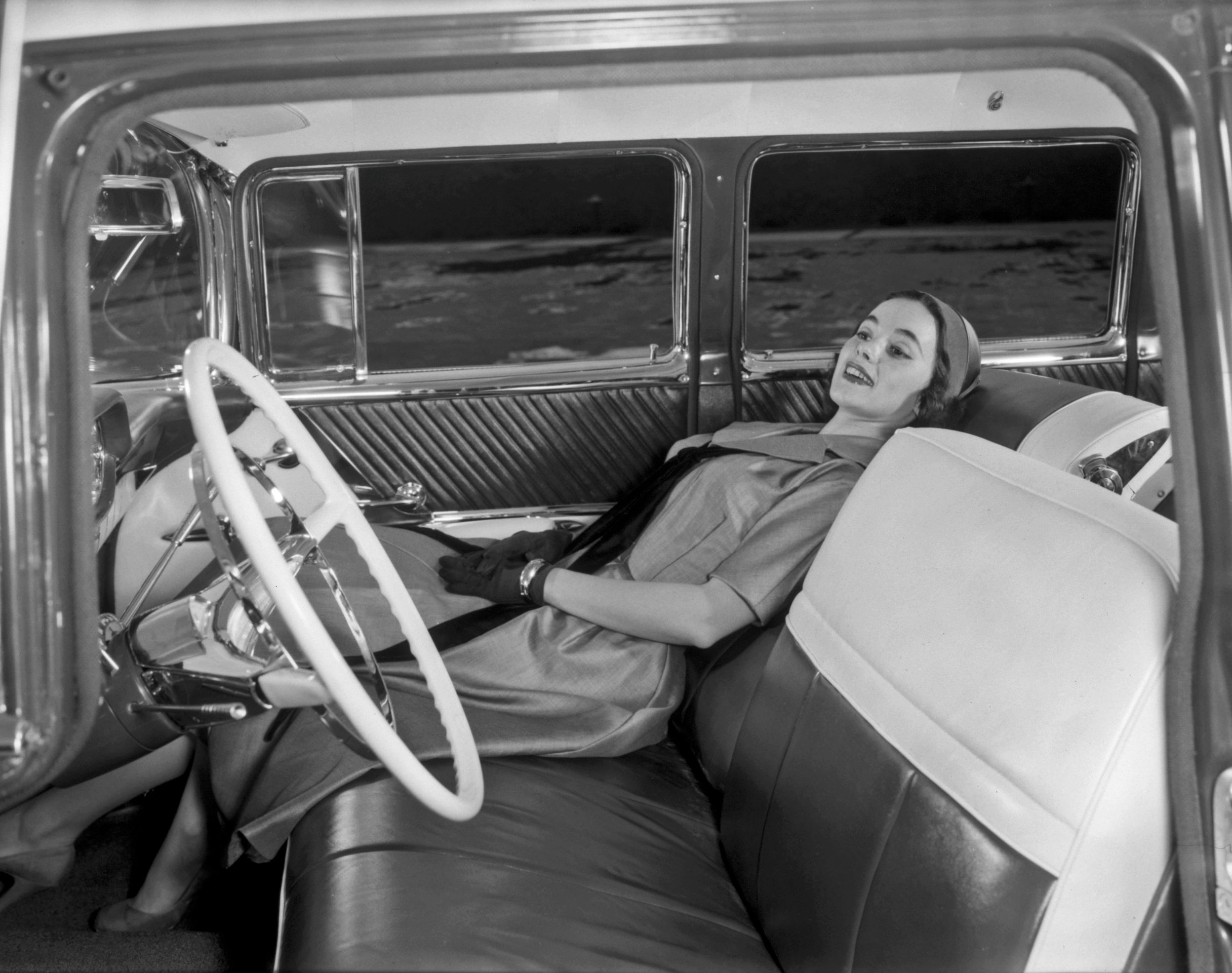
The Transcontinental had a unique 70/30 split front seat. The passenger side is wider and often features a headrest—a progressive comfort feature.
Boutique Assembly
To split tooling costs, the Pontiac Safari and Chevrolet Nomad bodies were built in the same Fisher Body plant in Euclid, Ohio. Both models are the same above the beltline — roof, windshield, windows, and liftgate. They use the same doors, tailgate, and seats.
Production for both models was a multi-stage process. Their low-production body style required specialized work that the standard high-volume Pontiac lines were not equipped to perform.
Once the Safari bodies were completed, they were shipped by rail to various General Motors assembly plants. There, they would be mated with their Pontiac chassis, engines, and trim. The primary assembly locations included:
Pontiac, Mich.: The main Pontiac assembly plant;
South Gate, Calif. (Los Angeles): For the West Coast market;
Kansas City, Kan.: Fairfax Assembly;
Atlanta, Ga.: Lakewood Assembly;
Linden, N.J.: Linden Assembly;
Wilmington, Del.: Wilmington Assembly;
Arlington, Texas: Arlington Assembly;
Framingham, Mass.: Framingham Assembly.
The Canadian Transcontinental ‘Unicorn’
Interestingly, a small number of Safaris were also built in Canada specifically for the Canadian market. These were unique because they were often built on GMC truck frames and used different powertrains from their American counterparts.
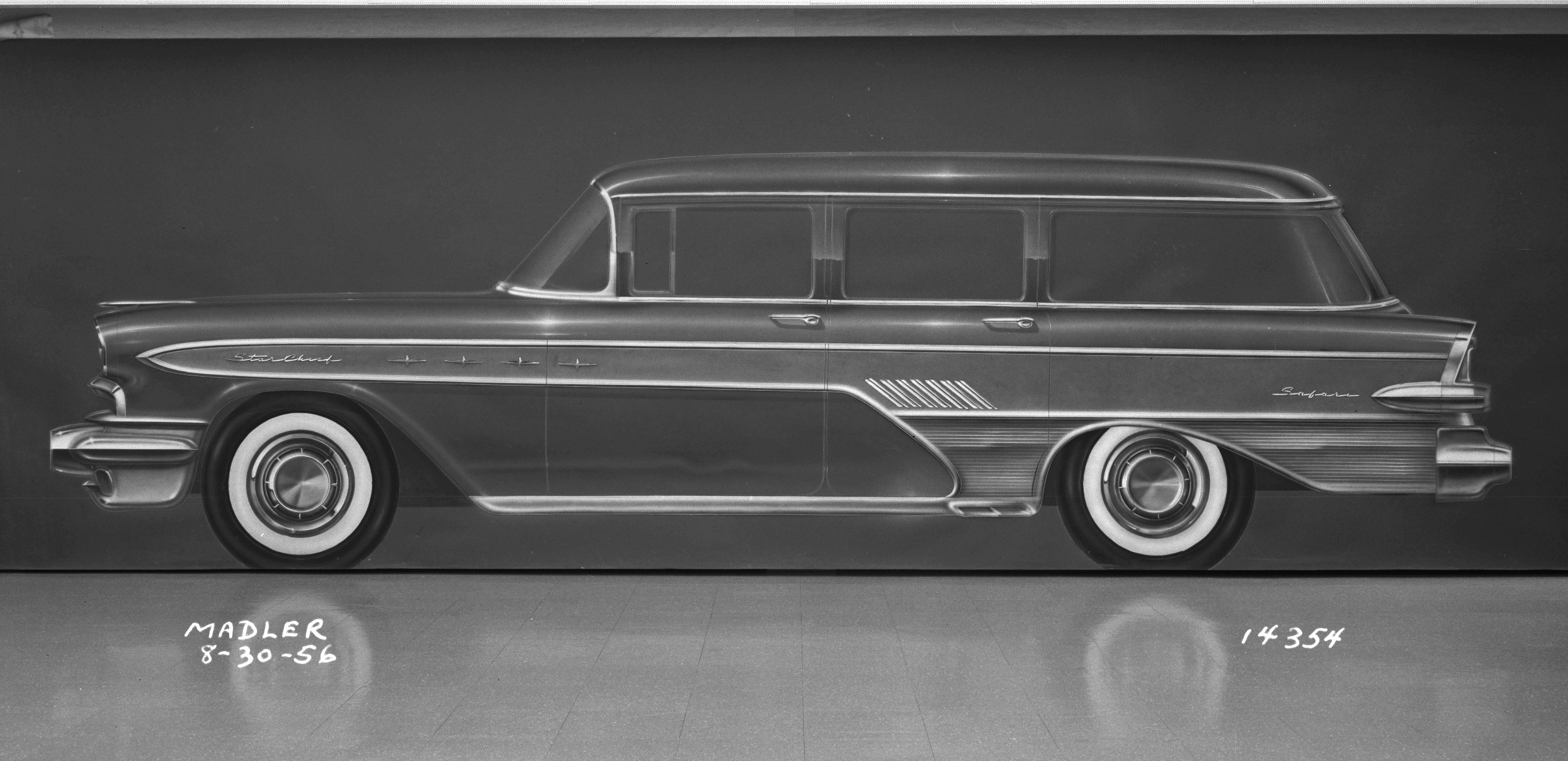
A blackboard rendering of a prototype 1957 Pontiac Star Chief Safari four-door wagon.
Current Pontiac Safari Valuations (2026)
The collector market for the two-door Pontiac Star Chief Custom Safari remains strong. It is often positioned as a more exclusive, “thinking man’s” alternative to the ubiquitous Chevrolet Nomad. While the Safari is significantly rarer than the Nomad, it typically trades at a slight discount.
Recent auction data and valuation guides show a wide range of classic Safari pricing. It all depends on the specific year and engine configuration, such as the coveted “Tri-Power” setup:
#1 Concours (Pristine): $120,000-$190,000+
#2 Excellent (Show Quality): $75,000-$115,000
#3 Good (Driver Quality): $35,000-$65,000
#4 Fair (Restorable/Project): $15,000-$30,000
Collector market sources
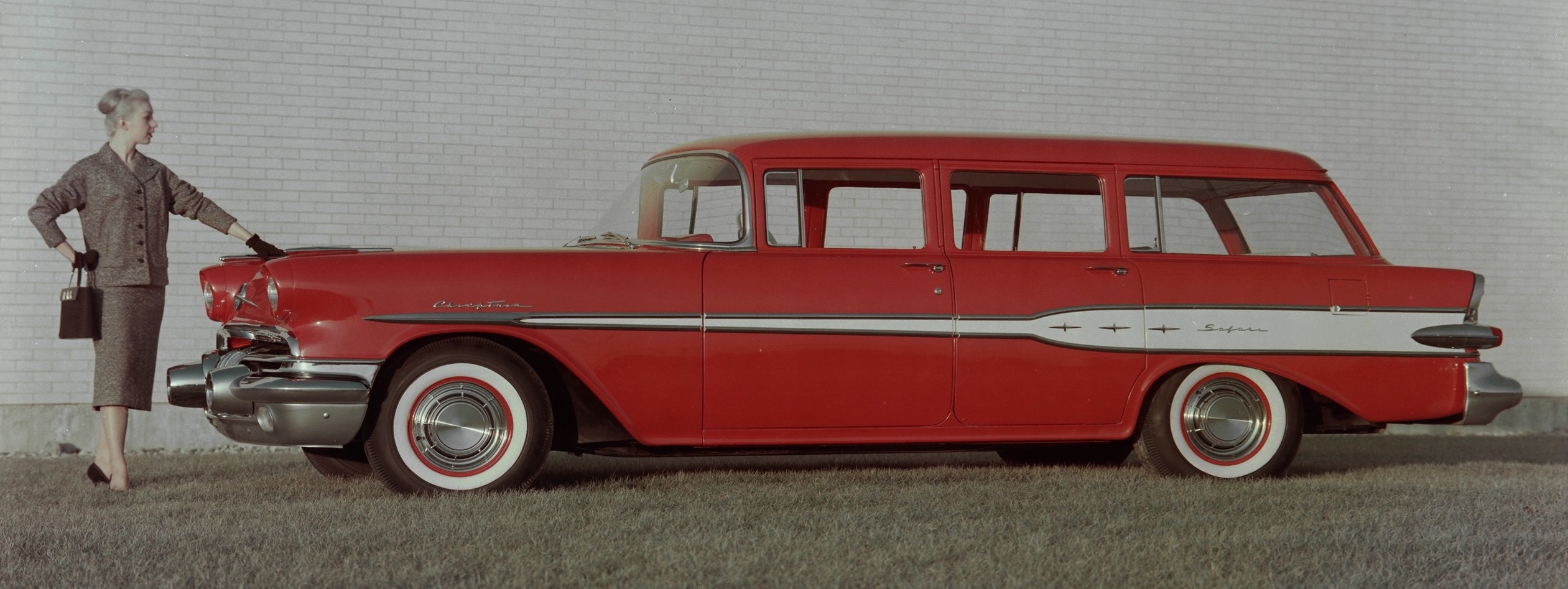
The 1957 Pontiac Safari Chieftain, looking long and low. The sleek roofline on the Custom Safari wagons sat nearly an inch lower than the 1957 Chieftain and Star Chief sedans.
