Annual Moab Easter Jeep Safari is a showcase of new Jeep-brand concept vehicles and Jeep Performance Parts

The Jeepster Beach maintains the outward appearance of a 1968 Jeepster Commando, it shares the foundation of a 2020 Jeep Wrangler Rubicon. (Photos courtesy of Jeep)
BY MARK MAYNARD
It’s Easter and Jeep is leading its disciples to a sermon on the off-roader’s mount at the rocky trails around Moab, Utah. Enthusiasts from all over the world will make the pilgrimage from March 27 to April 4, 2021, for an extended holiday week of trail rides and technical off-roading on some of the most challenging and picturesque terrain.
Also on the to-do list is to get a first look at this year’s crop of concept vehicles especially blessed for this sacred occasion.
“The Moab Easter Jeep Safari has long been our testing ground for both our newest Jeep 4x4s and for showcasing new Jeep-brand concepts, Jeep Performance Parts and ideas that truly resonate with our most passionate customers — the die-hard off-road enthusiasts who attend this event every year,” said Jim Morrison, vice president, Jeep Brand North America.
The Safari
The Jeep Safari was started in 1967 by the Moab Chamber of Commerce as a one-day trail ride. Over the years, as participation grew, the Safari expanded until it finally reached the current nine-day event. “Big Saturday” remains the culmination of the event on the Saturday of Easter weekend.
Today, the Easter Jeep Safari is hosted by Moab’s Red Rock 4-Wheelers four-wheel-drive club, which leads trail rides and some daylong trips.
The Concept Vehicles
This year, the Jeep design, performance, and engineering teams have developed seven concept vehicles that showcase an array of advanced and potent powertrains. The pinnacle might be the first battery-electric vehicle from Jeep, the Wrangler Magneto. It represents a milepost on the brand’s “Road Ahead” to becoming the greenest SUV brand.
The 2021 Easter Jeep Safari concept vehicles:
Jeep Magneto

The exterior of the battery-electric concept features a Bright White color with Surf Blue accents.
Factory engineers and designers have created a zero-emission vehicle with Jeep 4×4 capability that provides new levels of efficiency, environmental responsibility, and performance on- and off-road.
Based on a two-door 2020 Jeep Wrangler Rubicon, the Jeep Magneto uses a custom-built axial flux electric motor that operates up to 6,000 rpm. The e-motor is connected to a six-speed manual transmission, which makes it a unique manual-electric powertrain with a clutch that operates as it would with an internal combustion engine. In quick-shift scenarios, the e-motor engages regen upon clutch engagement to prevent rev-hang.
Comparable in power and driving experience to the 3.6-liter Pentastar V-6, the compact e-motor is tuned to deliver up to 273 foot-pounds of torque and 285 horsepower. During moderate driving, the performance difference between the V-6 and the Magneto’s manual-electric powertrain is negligible except for near-silent operation, the engineers say.
When more acceleration is needed, the e-motor delivers all 273 lb.-ft. of torque without the need to build up revolutions per minute. The Magneto concept runs 0-60 mph in 6.8 seconds.

At the rear are a redesigned tailgate and Surf Blue truck bed liner.
Powering the Jeep Magneto’s e-motor are four battery packs with a combined power of 70 kWh, running an 800-volt system. The lithium-ion batteries are distributed around the Wrangler to balance weight on the four wheels. One pack replaces the Wrangler’s midship fuel tank, another is mounted opposite the fuel tank location, the third pack sits atop the e-motor under the hood and the fourth pack mounts in the space normally used for a rear storage compartment, also using space typically occupied by the exhaust muffler.
An inverter derived from race cars converts DC power to AC for the motor. The batteries, a vehicle interface box and the battery control module are all contained in waterproof enclosures to maintain the Wrangler’s 30-inch water-fording ability.
A 12-volt battery powers existing systems, such as for the radio and lighting. A second 12-volt battery powers the accessories, such as the winch. A DC-to-DC converter charges both 12-volt batteries, allowing long-term operation of accessories to power a campsite or an unexpectedly long winch operation.
Special mounts secure the battery packs for harsh driving and custom skid plates protect the battery packs from potential strikes to the undercarriage while traversing harsh terrain.
Because the Magneto is a concept, a driving range was not released. But the 2021 Jeep Wrangler 4xe plug-in hybrid is on sale now. It integrates two electric motors and a 400-volt battery pack with a turbocharged, four-cylinder engine and TorqueFlite eight-speed automatic transmission for up 25 miles of electric-only range and nearly 400 miles of total range.
The exterior of the Magneto features Bright White paint with Surf Blue accents, a heavy-duty performance hood with center scoop, redesigned rear gate and full-width forward lighting. The interior design centers on Custom Royal Blue and Black leather seats with Sapphire-colored inserts and straps, Surf Blue truck-bed liner and Mopar slush mats.
Body work includes a JPP 2-inch lift kit, 17-inch Lights Out black metallic wheels with 35-inch mud-terrain tires, custom roll cage, Mopar Rock Rails, steel bumpers with a Warn winch and a steel belly pan.
Jeepster Beach

This resto-mod update of a 1968 Jeepster Commando is based on a 2020 Jeep Wrangler Rubicon.
This year’s “Resto-Mod” is a throwback to the second-generation Jeepster. Originally designed around the growing interest in leisure time use of 4×4 vehicles, the Jeepster Commando was the first compact four-wheel-drive vehicle with an automatic transmission and, unlike the Jeep CJs of its day, it had modern amenities, such as doors, roll-up side glass, a heater and roof.

Low-back bucket seats are trimmed in red leather.
While the Jeepster Beach maintains the outward appearance of a 1968 Jeepster Commando (C-101), it shares the foundation of a 2020 Jeep Wrangler Rubicon.
Under the hood, its 2.0-liter turbocharged four-cylinder engine with a custom, concept calibration increases the engine output about 25 percent above the production version to 340 horsepower and 369 lb.-ft. of torque. The direct-injection engine uses a twin-scroll, low-inertia turbocharger with a dedicated cooling circuit for the turbocharger, intake air and throttle. An eight-speed automatic transmission mated to a 4:1 transfer case delivers power to 35-inch tires.

The rear seat was replaced with a chrome, four-point safety cage and the carpets were removed to make cleaning out sand a breeze.
The modified body and original chrome trim are set off by a two-tone paint scheme of Hazy IPA and Zinc Oxide. The custom interior features low-back bucket seats trimmed in red leather. The rear seat was replaced with a chrome, four-point safety cage and the carpets were removed for easy clean-up.
Jeep Red Bare

The Jeep Red Bare Gladiator Rubicon concept is powered by the turbocharged 260-hp, 3.0-liter EcoDiesel V-6 engine.
Powering the Red Bare concept is the turbocharged 260-hp, 3.0-liter EcoDiesel V-6 engine, rated at 442 lb.-ft. of torque. To handle greater torque loads, the EcoDiesel V-6 connects to a TorqueFlite 8HP75 eight-speed automatic transmission, calibrated for low rpm shifts.

The Red Bare’s interior features custom Katzkin black leather seats with red stitching and custom red flannel inserts.
The Red Bare features Dana 44 front and rear heavy-duty axles that have been upgraded with 4.88 axle ratios for rigorous maneuvers — and an impressive 91:1 crawl ratio to tackle the toughest climbs.
The Fire Cracker Red paint contrasts with Matte Black graphics and gold accents. The hood and cowl pieces are from the capable Mojave model with a special hood graphic and Matte Black seven-slot grille insert.

Gear is contained with a bed cover and rack system.
The interior incorporates custom Katzkin black leather seats with red stitching and red flannel inserts. The instrument panel has been wrapped in the same red flannel and the bed-liner floors are color-matched and protected by Mopar slush mats.
The concept was upfitted with a JPP 2-inch lift kit, 17-inch Matte Black wheels with 37-inch BFG mud-terrain tires, cargo bed-mounted sport bar, JPP Sand Slider rock rails, bed cover and rack system, factory steel bumpers with a Warn winch and front bumper grille guard.
Jeep Orange Peelz

Based on a two-door Wrangler, the Orange Peelz has JPP half doors and a removable one-piece Freedom Top glass sunroof.
Based on a two-door Wrangler, the Orange Peelz concept builds on the Wrangler’s open-air heritage with prototype JPP half doors and a custom removable one-piece Freedom Top glass sunroof.
Off-road capability is enhanced with a JPP 2-inch lift kit with FOX. Just below the concept steel “high-top” fender flares are 17-inch JPP beadlock-capable aluminum wheels riding on 37-inch BF Goodrich KM3 mud-terrain tires with Mopar valve-stem caps with the Jeep logo.
The concept hood features black Mopar hood latches with the Jeep Willys logo and is flanked by JPP 5-inch off-road LED lights mounted at the base of the A-pillars, each providing 4,800 lumens of bright white light. The windshield is protected against chips and cracks with Corning Gorilla Glass, a factory-backed Mopar option.

The interior has an orange and plaid theme throughout.
A custom JPP Rubicon steel bumper includes a prototype 2-inch steel grille guard and the exclusive JPP 8,000-pound capacity Rubicon Warn winch. Custom rock rails provide protection and durability for serious off-roading.
The interior has such upgrades as JPP grab handles, plaid trim on the armrests, upper and lower seat inserts, matching orange on the mid-instrument stack and orange accent stitching on the steering wheel, shifter boots and parking-brake handle.

Steel “high-top” fender flares protect 17-inch JPP beadlock-capable aluminum wheels riding on 37-inch BF Goodrich KM3 mud-terrain tires.
Standard Mopar all-weather floor mats have deep rigid sidewalls and reservoir systems to help contain snow, water and spilled beverages.
The Jeep Orange Peelz concept is powered by the 285-hp, 3.6-liter Pentastar V-6 with and 260 lb.-ft. of torque, mated to a TorqueFlite eight-speed automatic transmission. The powertrain is upgraded with a JPP cold-air intake and JPP cat-back exhaust system.
Jeep Farout

The Farout Concept is intended to be a true overlanding vehicle with a long-range-capable 3.0-liter EcoDiesel V-6 engine.
An encore to the 2019 Wayout concept, the Jeep Farout is a true overlanding vehicle that leverages the 2021 Jeep Gladiator’s long-range-capable 3.0-liter EcoDiesel V-6.
The main feature is a neatly contained, customized deployable Adventure Trails Overland Equipment Habitat Truck Topper. At 16 feet long by 7.5-feet tall, the recreational residence opens and retracts in a matter of seconds. Once unpacked, it comfortably sleeps up to four. An integrated roof-rack system provides additional cargo capacity.
The Farout’s wood-lined interior features ambient lighting, a fully functional refrigerator and stove, plus hanging storage racks, built-in seats and table space. Inside the customized cab, an outdoors theme is emphasized with dark smoke blue leather, orange stitching and plaid flannel seat inserts.

This overlander is reinforced with a JPP 2-inch lift kit, 37-inch mud-terrain tires and front and rear rock rails and FOX shocks.
The exterior features a new Earl body color with Chartreuse accents on the hood, rear tailgate tow hooks, springs, badging and shocks. Its rugged stance is reinforced with a JPP 2-inch lift kit, 17-inch matte charcoal rims, 37-inch mud-terrain tires, a modified Gladiator Rubicon steel bumper equipped with a 12,000-pound Warn winch, custom front and rear rock rails and FOX performance shocks.
The third-generation turbocharged 3.0-liter EcoDiesel V-6 engine, available in the production Gladiator, is capable of more than 425 miles of driving range.
Jeep Wrangler Rubicon 392

The 485-hp, V8-powered Wrangler Rubicon 392 Concept isn’t too far off from the production version, which goes on sale this spring.
The Jeep Wrangler Rubicon 392 is making its way to production, but it was first conceived as this V-8 powered Wrangler Rubicon concept. The heart of the Wrangler Rubicon 392 is its 485-hp, 6.4-liter (392-cubic-inch) V-8 engine, generating 475 lb.-ft. of torque. Nearly 75 percent of this naturally aspirated engine’s peak torque is available just above engine idle speed, for unhesitating climbing force.
The boisterous persona of this modified four-door 2020 Wrangler Rubicon is activated by a dual-mode performance exhaust. Other extras include a performance hood with center scoop, custom-built half doors and Sky One-touch power top with removable side panels for flow through air flow.
The concept’s Granite Crystal paint is accented with bronze-tone tow hooks, badging, springs and shocks. The interior has Oxblood Red leather seats with gold stitching.

The concept is a power crawler with a JPP 2-inch lift kit with 17-inch beadlock wheels and 37-inch mud-terrain tires.
To help navigate treacherous terrain and challenging off-road conditions, additional upgrades include a JPP 2-inch lift kit, custom 17-inch beadlock wheels with 37-inch mud-terrain tires, Mopar Rock Rails, steel bumpers with Warn winch and steel belly pan.
The production version of the Wrangler Rubicon 392 launch edition goes on sale this spring. Pricing starts at $74,995 including the $1,495 freight charge from Toledo, Ohio.
Jeep Top Dog

The Gladiator Top Dog is a power rig for serious mountain bikers.
Using exclusive JPP and custom accessories, Mopar designers transformed a 2020 Gladiator into a work station for serious mountain bikers.
Painted K-9 Blue, the Top Dog treatment removed the standard cargo box and replaced it with a custom PCOR (Patriot Campers Off Road) flatbed storage system.
On the passenger side, pull-out drawers can be used to store tools. within easy reach are interior storage shelves, exterior lighting switches and extra power supplies.

On the driver’s side of the storage is a battery-powered refrigerator and electric hot dog roller grill.
On the driver’s side are a battery-powered refrigerator and electric hot dog roller grill.
Above the cab area, two Rhino rack structures provide additional storage space for tools and equipment. Dual exterior task lights are mounted on each side and a set of traction mats for vehicle recovery and extraction are also attached to the storage racks.
On top of the rack structure, a dual-bike rack provides a safe way to transport the Trek mountain bikes. Just above the rear-facing winch, a roll-out storage drawer carries a foldable ladder to access to the bike rack.
For off-road prowess, the Top Dog features a JPP 2-inch lift kit with FOX shocks, augmented by 17-inch JPP beadlock-capable aluminum wheels and 37-inch BF Goodrich KM3 mud-terrain tires. Concept steel “high-top” fender flares provide additional clearance at all four corners.
The powertrain is a 285-hp, 3.6-liter Pentastar V-6 with 260 lb.-ft. of torque mated to a TorqueFlite eight-speed automatic transmission.
At the front end is a JPP Rubicon bumper that holds a 2-inch steel grille guard and JPP 8,000-pound-capacity Rubicon Warn winch, which includes 100 feet of Spydura synthetic rope. A second JPP Warn winch was added at the rear.

At the rear of the Top Dog is a second JPP Warn winch and a roll-out storage drawer with a foldable ladder to access the bike rack.
The concept hood is accented with black Mopar hood latches with the Jeep Willys logo. A JPP snorkel helps direct cool air into the engine when off-road conditions threaten normal air inlets. Additional nighttime trail illumination is provided by a pair of JPP 5-inch, off-road, LED lights installed at the base of the A-pillars.
Body sides are protected by JPP rock rails, customized with welded 2-inch steel tubes, similar to the front grille guard design.
The cabin of the Top Dog features a healthy dose of K-9 Blue accents. The black interior is accented with K-9 Blue bezels, stitching on the black Katzkin leather seats, armrests, shifter boots, steering wheel and the parking brake handle.
Jeep Performance Parts
Created in 2012 and offered by Mopar for the Jeep brand, Jeep Performance Parts (JPP) provide high-end, hard-core quality aftermarket accessories and performance parts.
The portfolio of factory-backed, quality-tested parts includes axles, lift kits, bumpers, winches, skid plates, suspension components, and more. The products are created in close conjunction with the Jeep brand, engineering and product design-office teams for development, testing and validation. Strict standards and factory-exclusive data — information not available to the aftermarket — are used to integrate performance parts and accessories to deliver proper fit, finish and quality right down to the color, grain and appearance of each product.
To see the full line of Jeep Performance Parts, visit mopar.com/jpp.

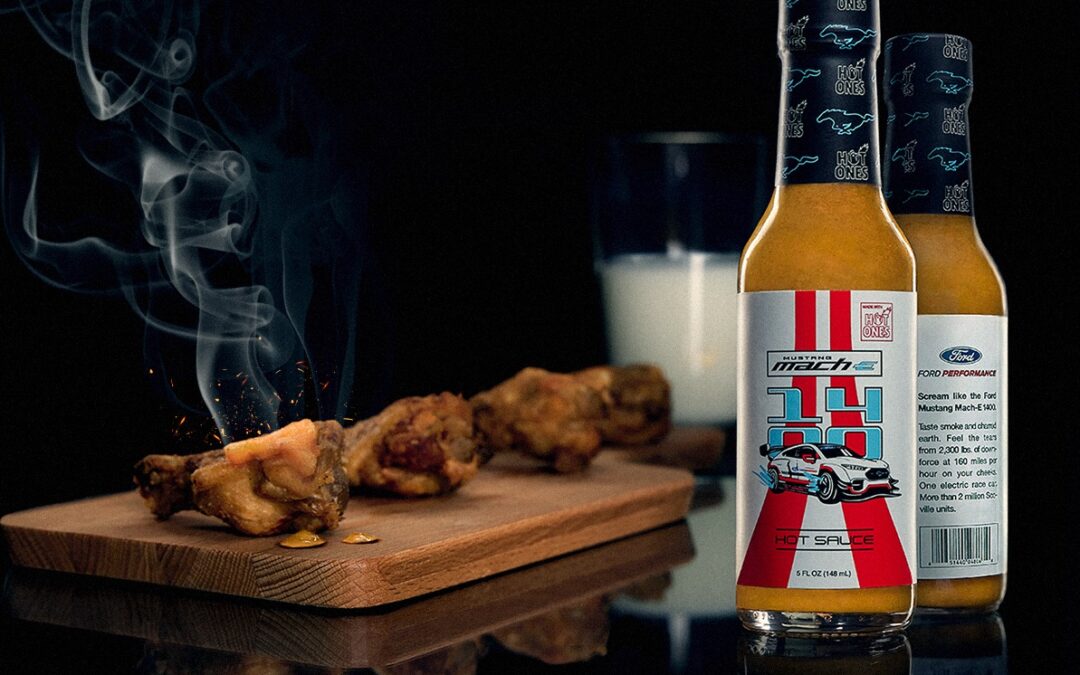
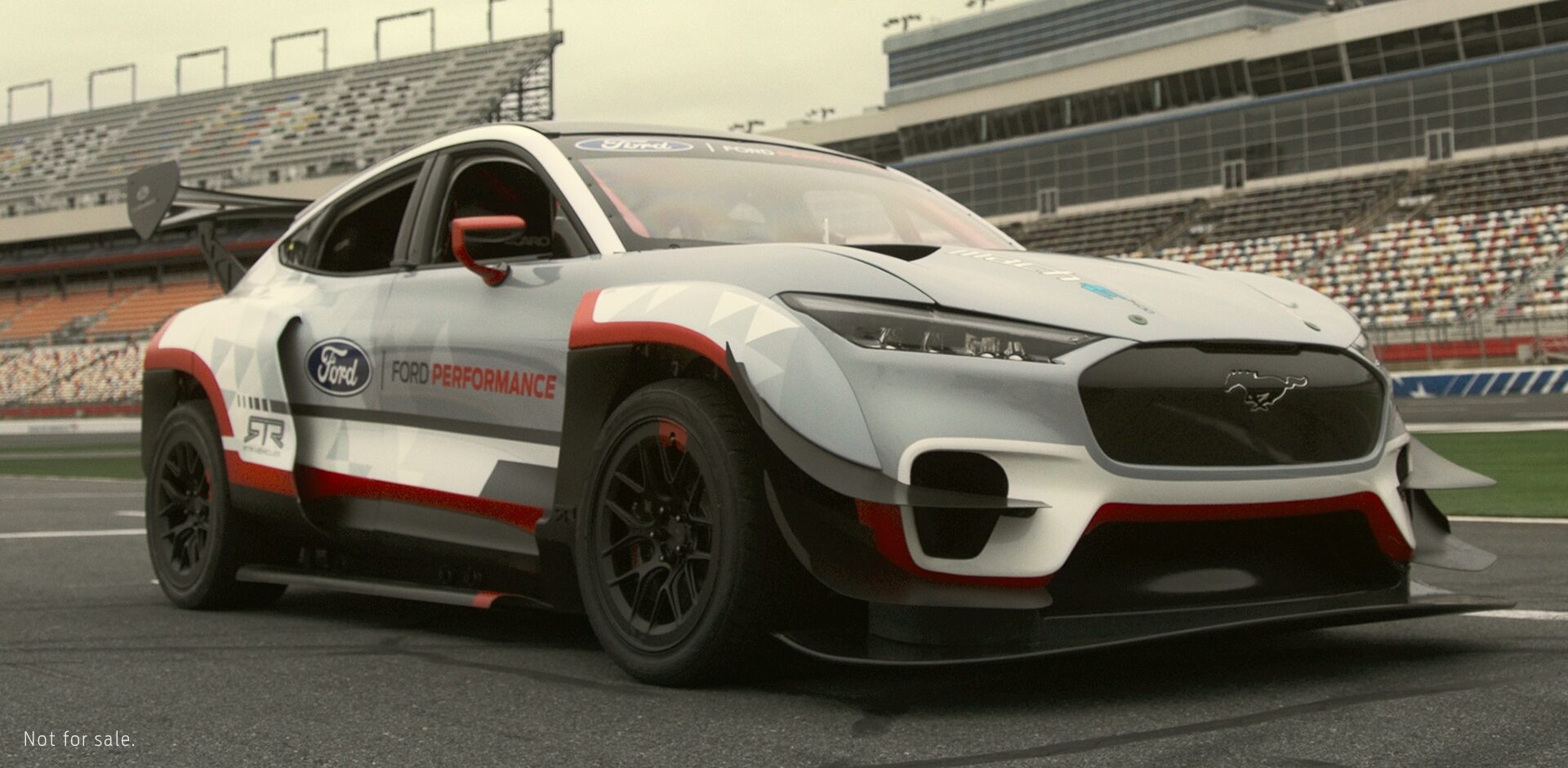
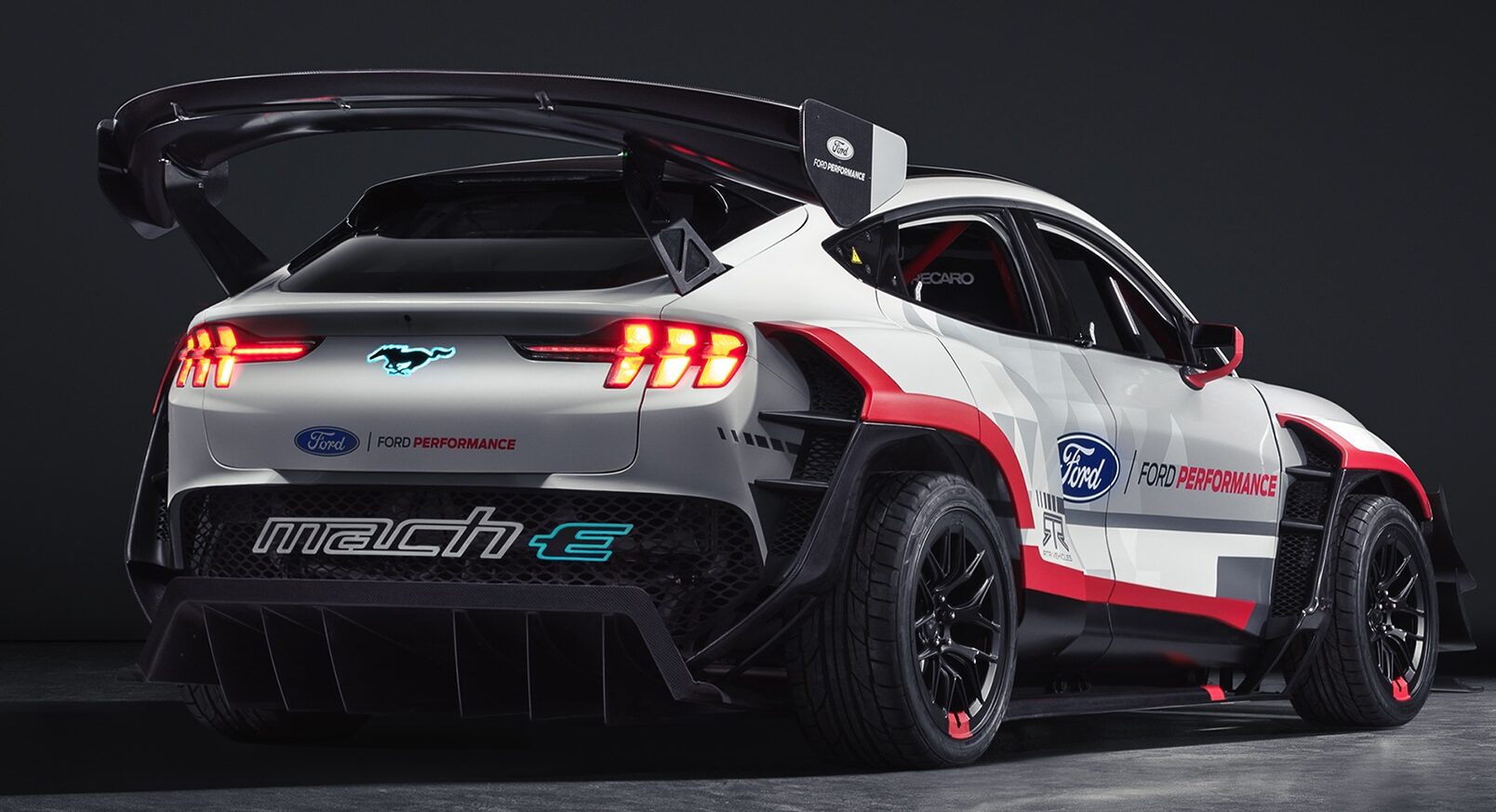
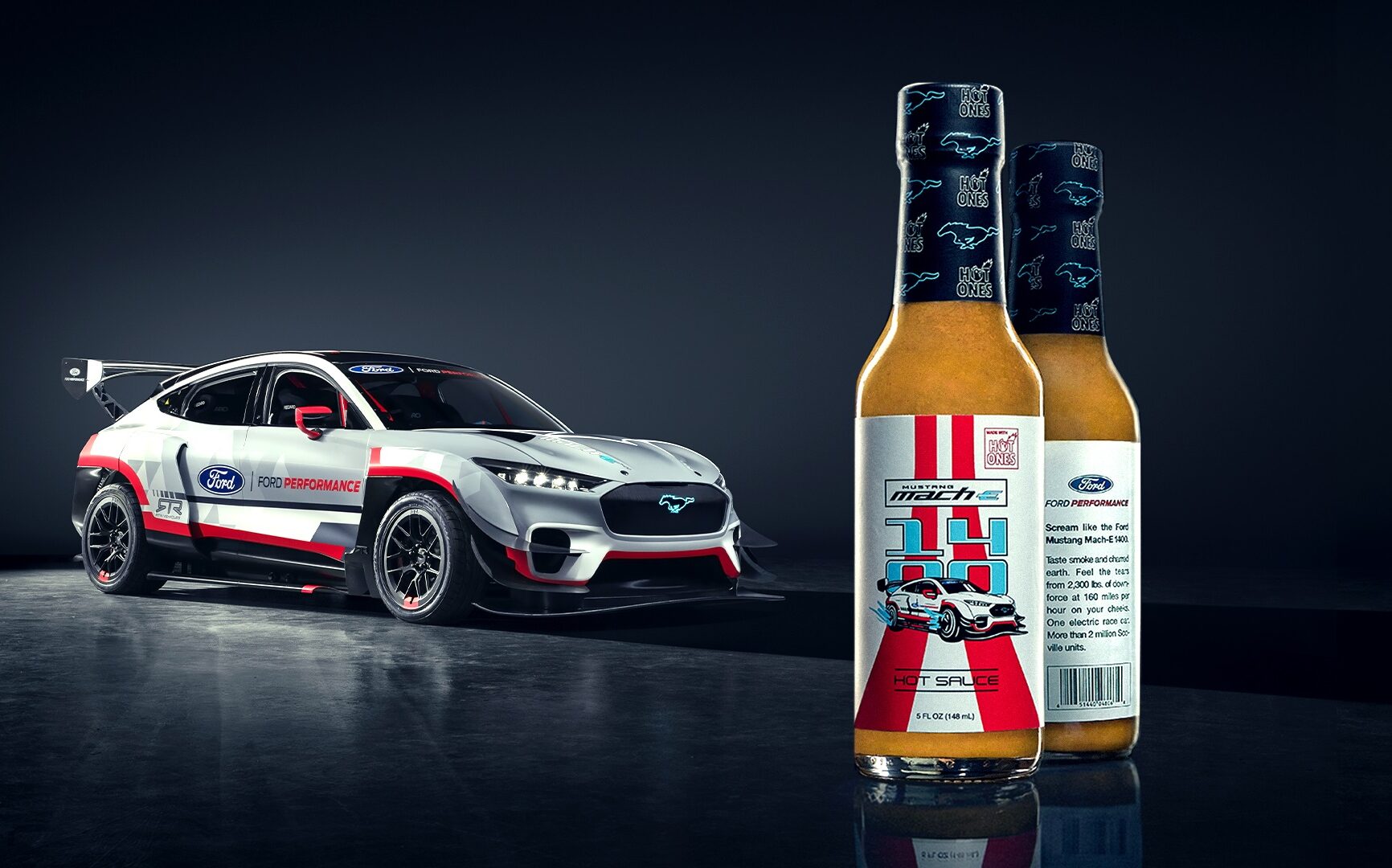 Ford Performance joined forces with Sean Evans, of the web show “Hot Ones” to turn the feeling of riding in the Mustang Mach-E 1400 into a hot sauce. (Ford)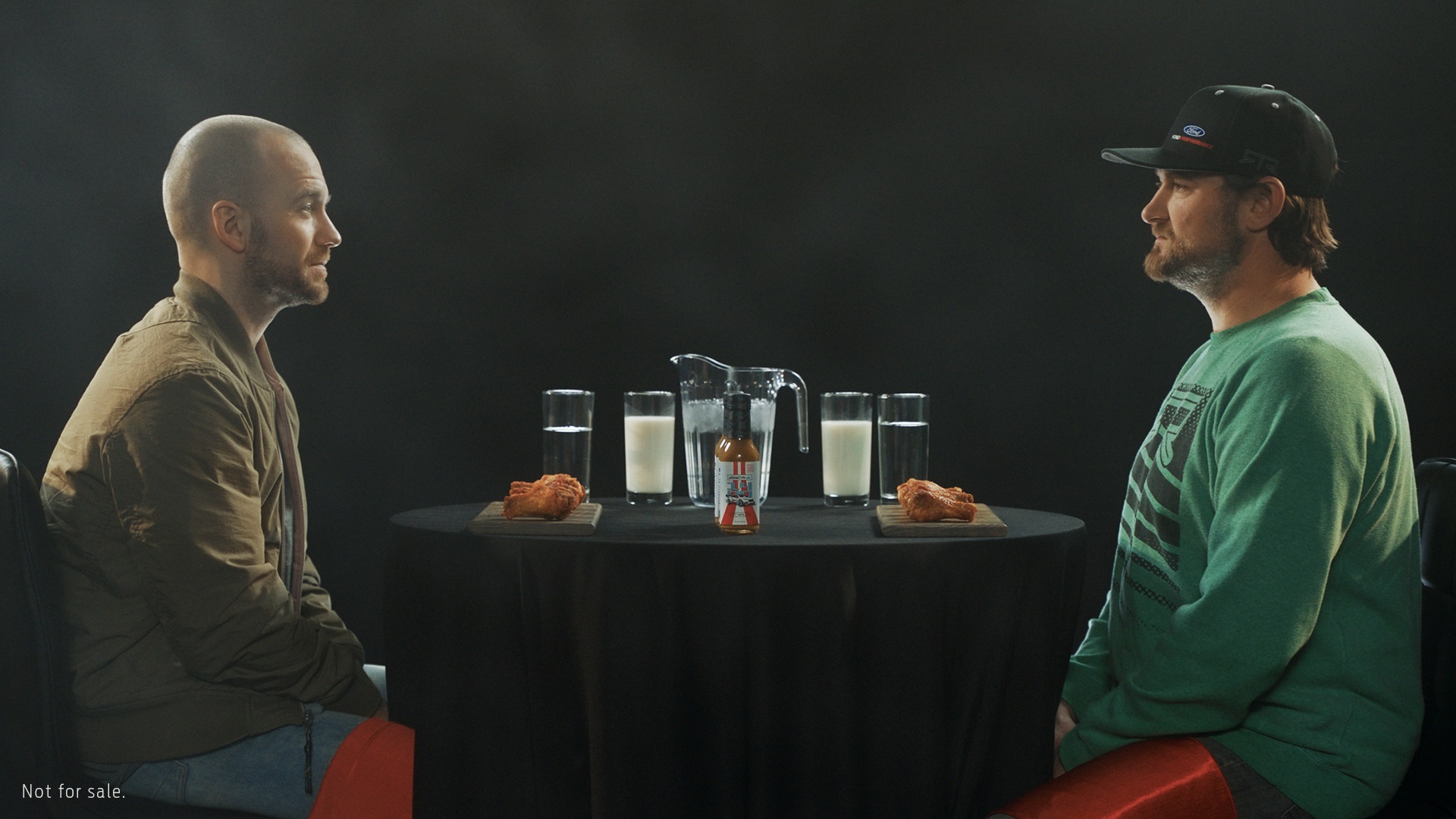



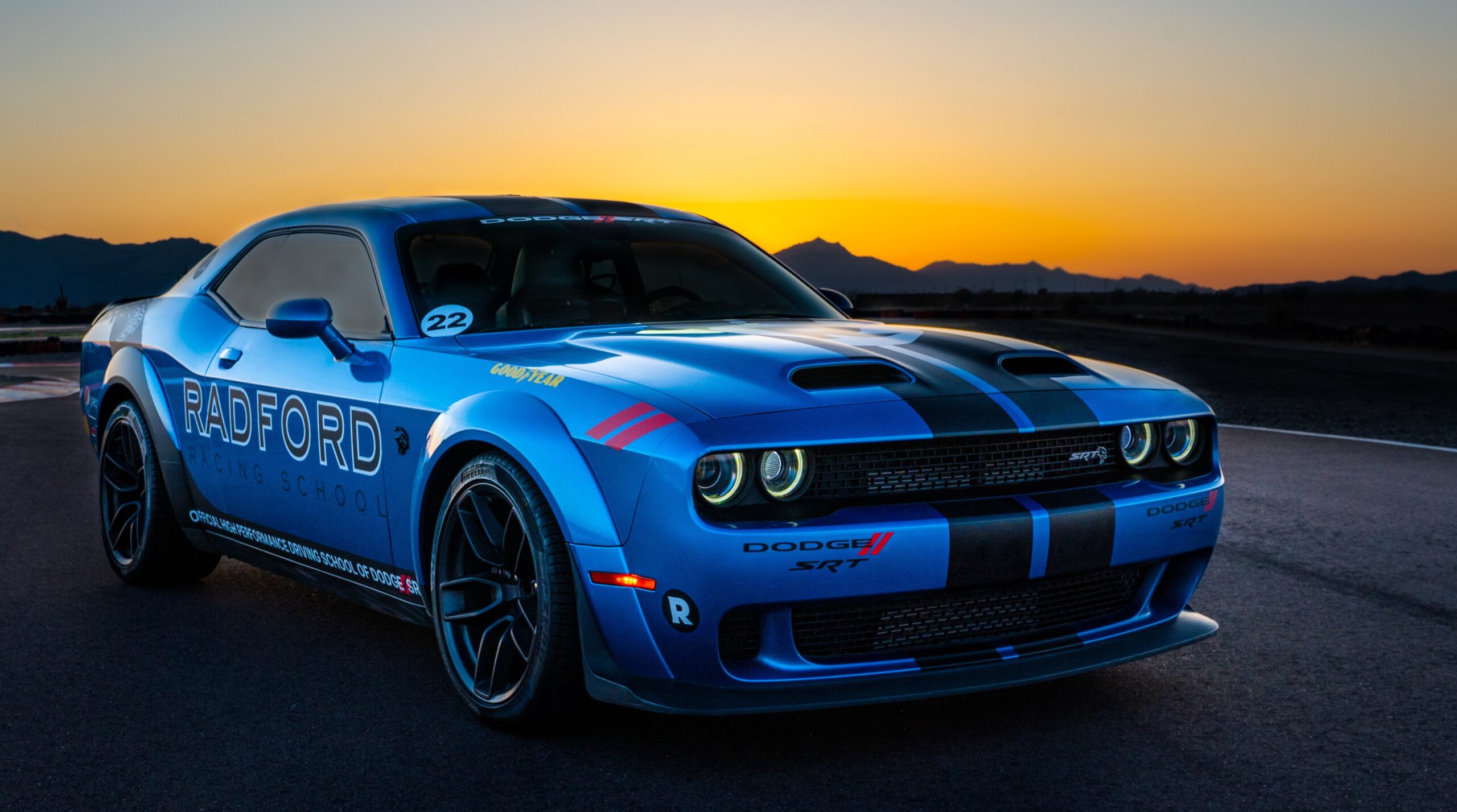 The renaming marks the school’s new association with the team including English television celebrity Ant Anstead, F1 champion Jenson Button, car designer Mark Stubbs, and business partner Roger Behle. (Photography courtesy Radford Racing School)
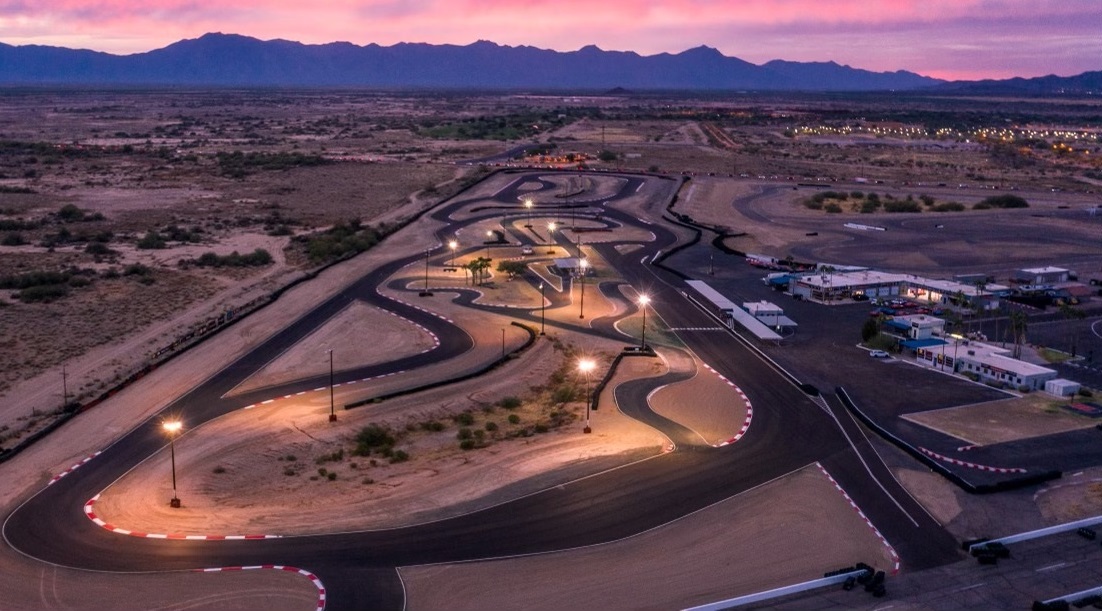 The school is in Chandler, Ariz., a suburb of Phoenix.
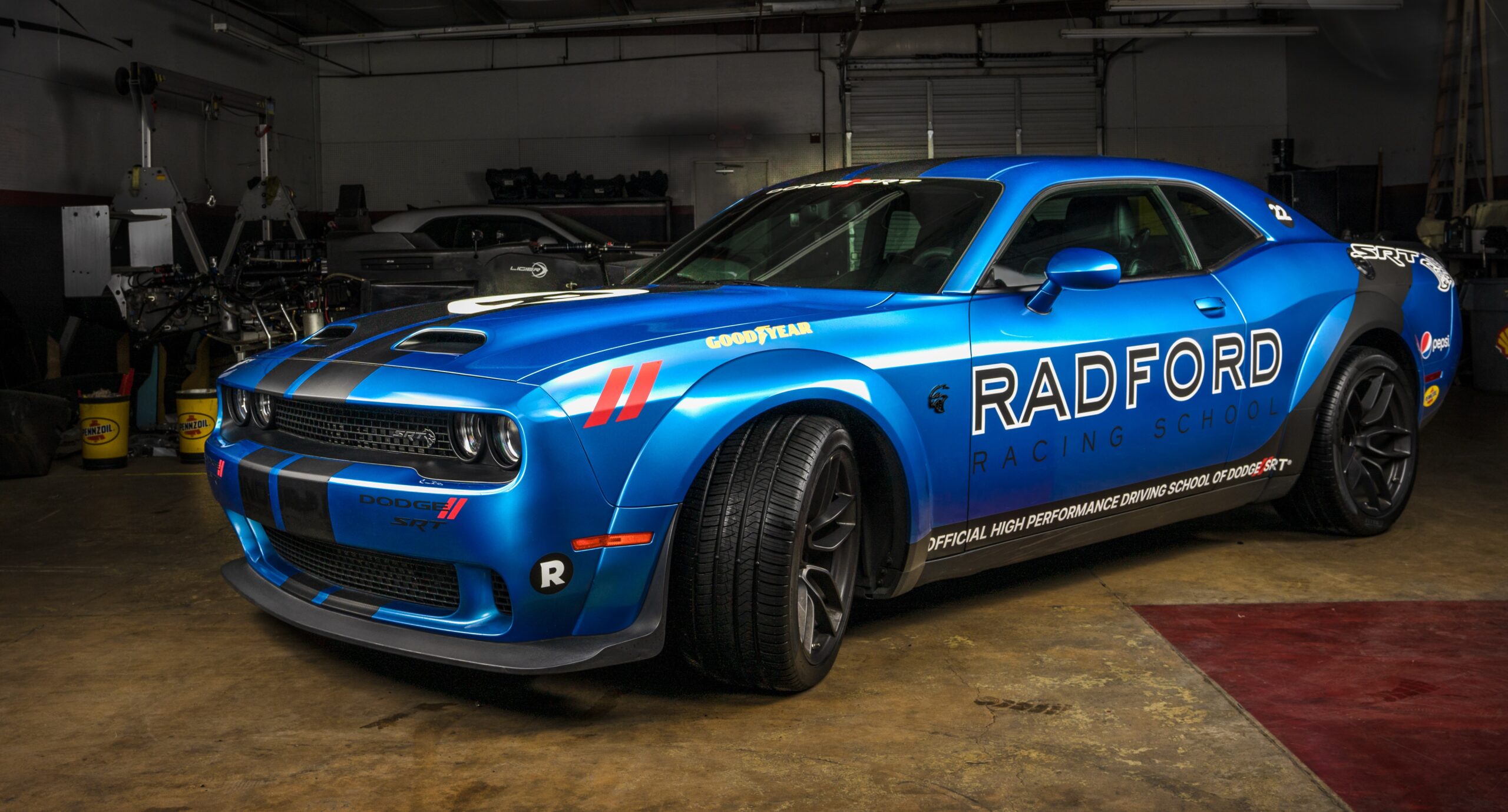 The drag racing course features the 840-horsepower Dodge Challenger SRT Demon.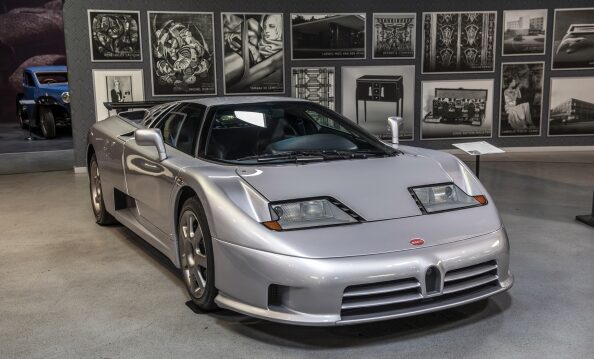
 The Mullin specializes in the Art Deco and Machine Age eras, and features more than 140 vehicles, art and artifacts. (Mullin Automotive Museum)





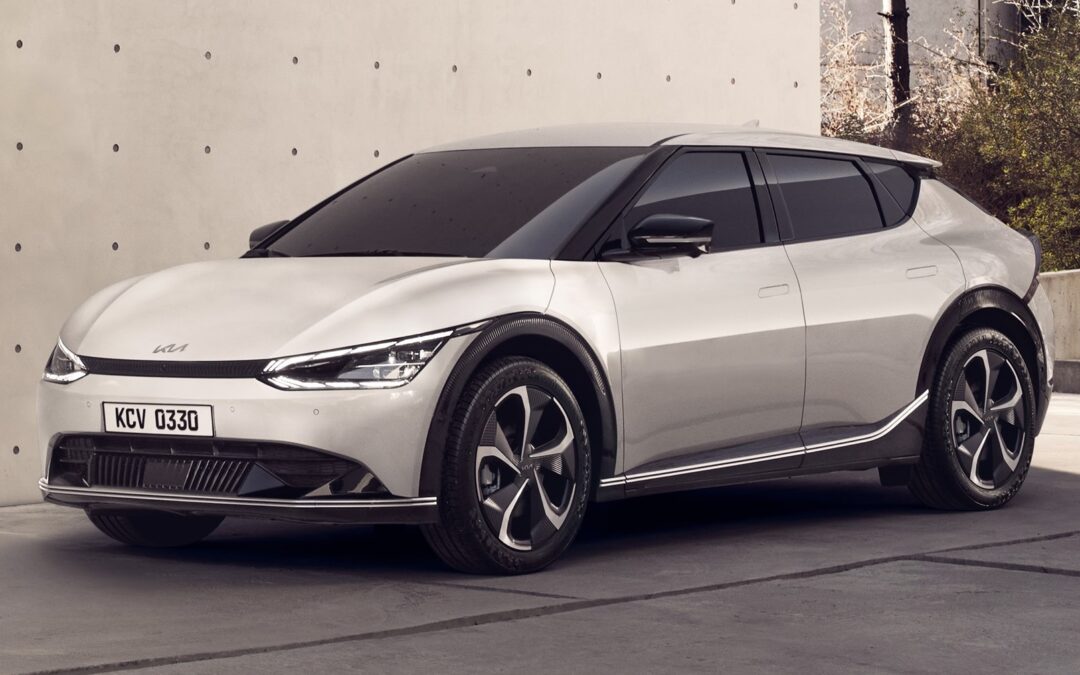
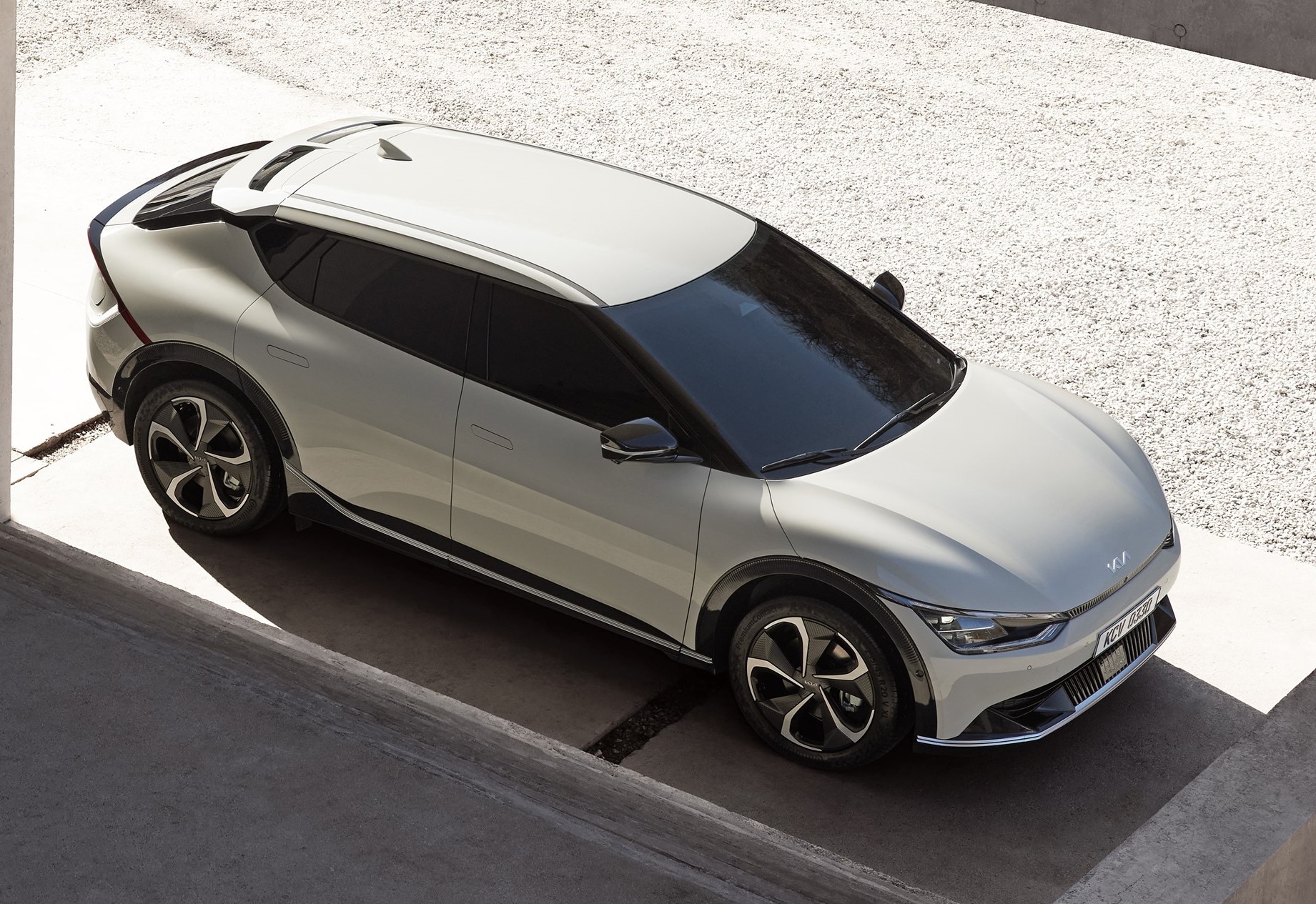
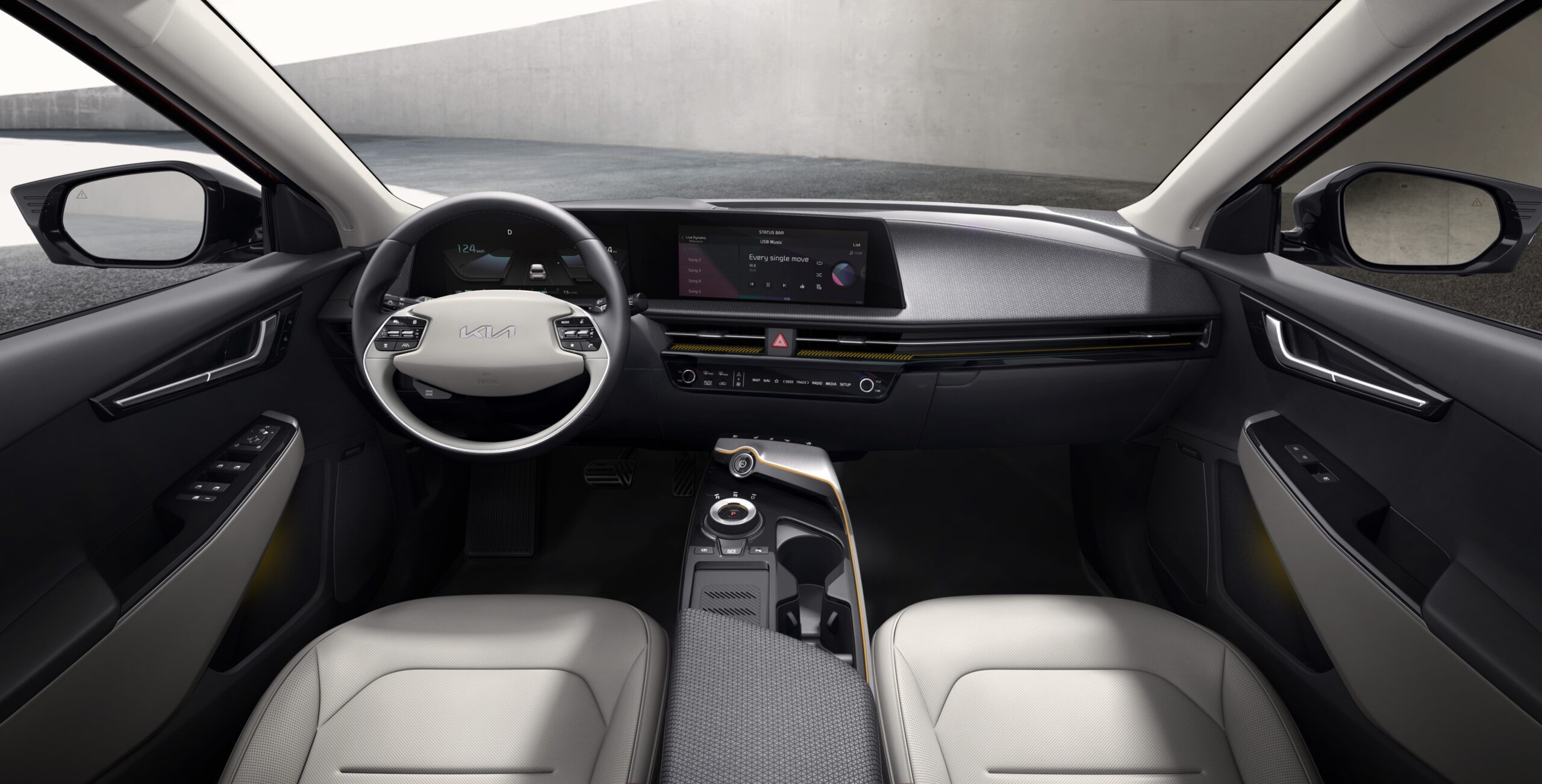
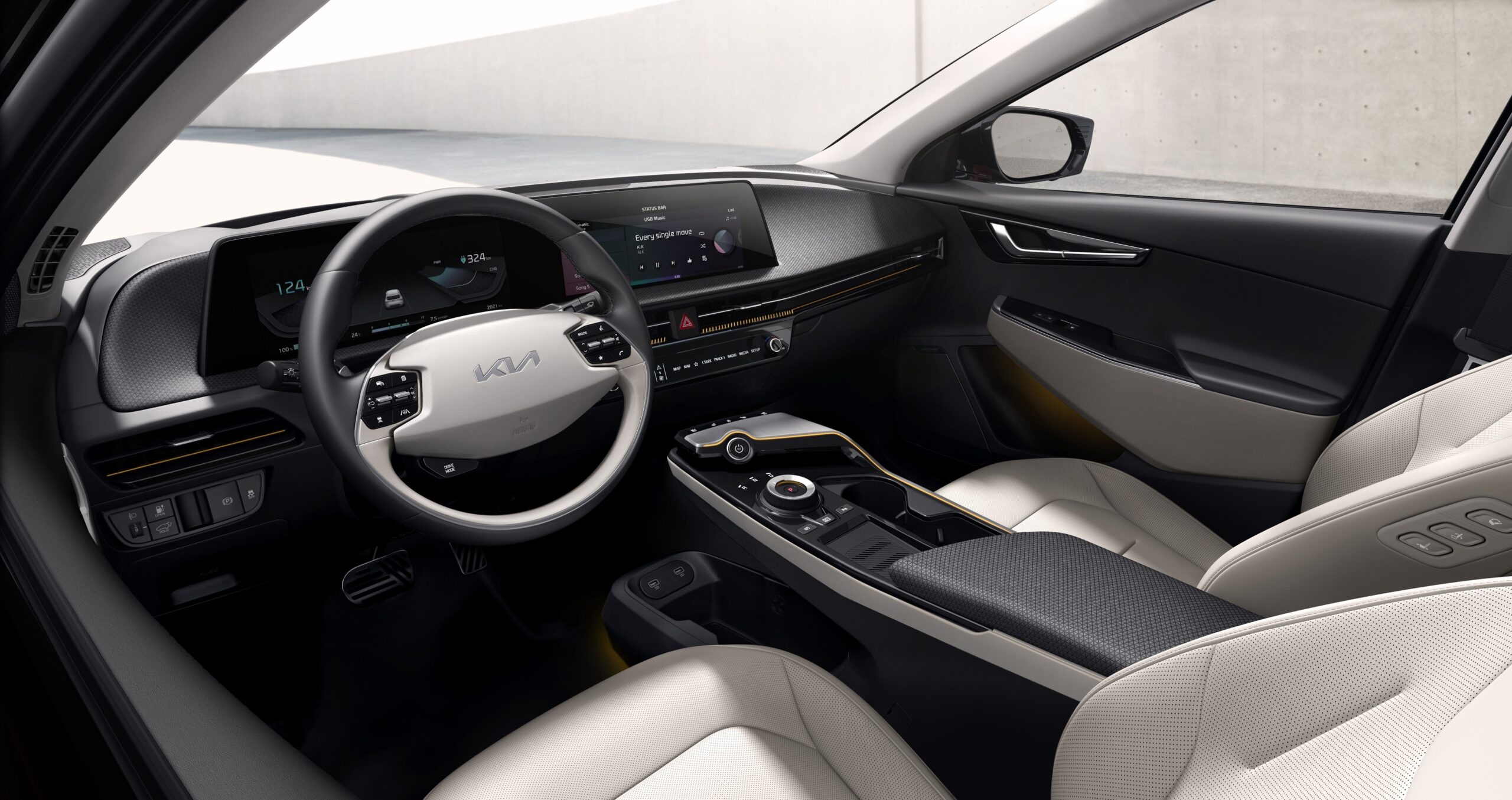
 Kia’s just-announced design philosophy, ‘Opposites United,’ will be applied to all future vehicles. The Kia EV6 is shown. (Photos courtesy of Kia)