Select Page

1988 VW Öko-Polo

1988 VW Öko-Polo

The ultra-economical 1988 VW Öko-Polo prototype is so rare that only one has been found in the U.S. 
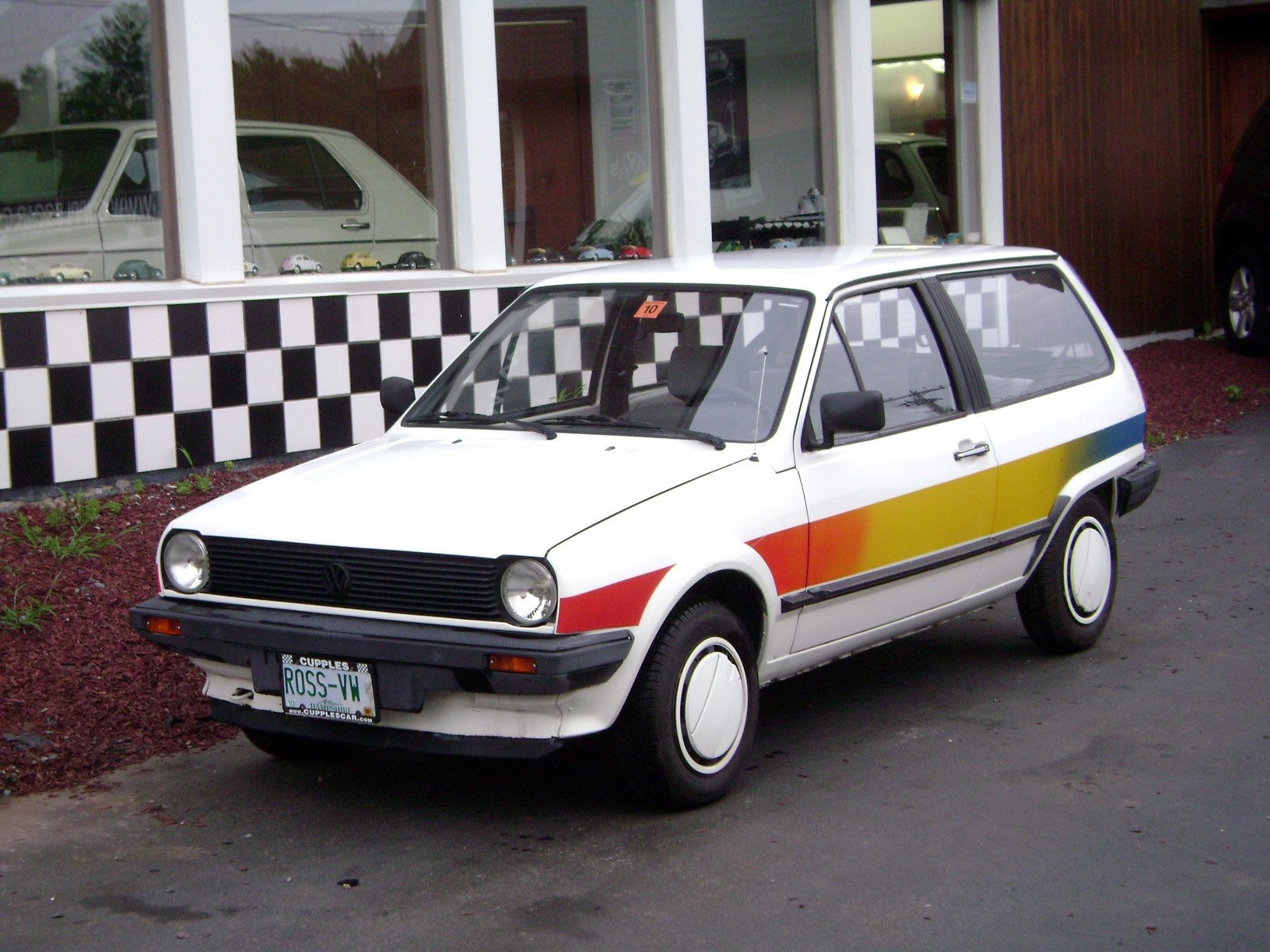
The 1988 VW Öko-Polo

Due to its high cost of production, the Öko-Polo was never mass-produced. (Photos courtesy of Volkswagen)

BY MARK MAYNARD

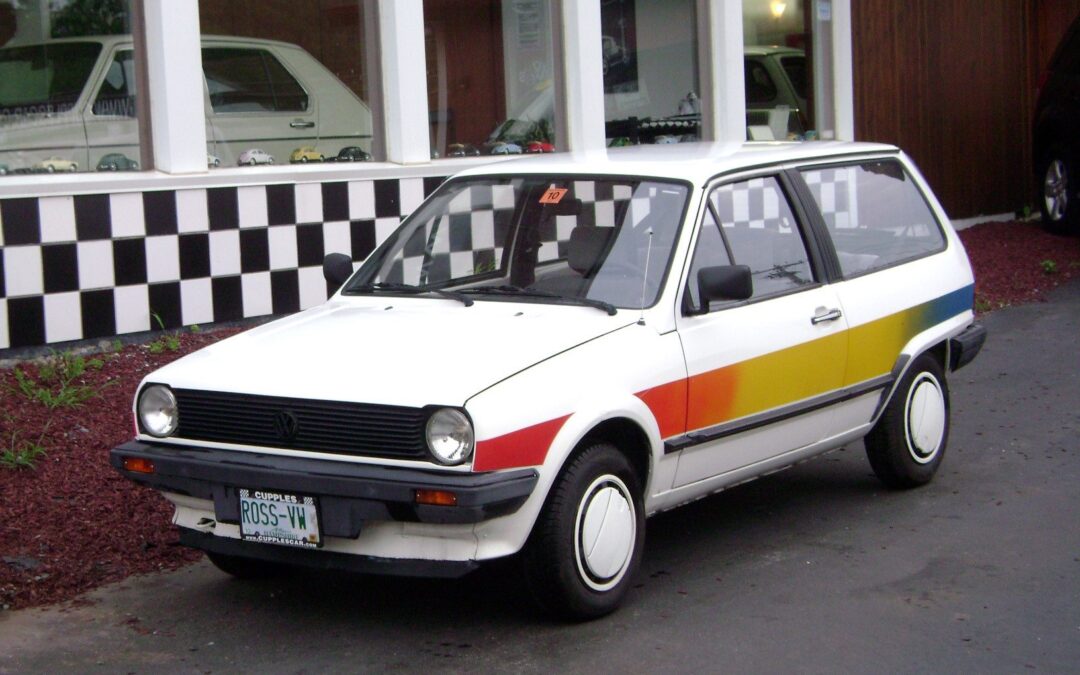
Many enthusiasts are familiar with Volkswagen’s niche models. But not even Ross Cupples, a lifelong fanatic with dozens of Volkswagen cars in his collection, had heard of the Öko-Polo. The rare 1988 VW Öko-Polo prototype had a retro rainbow stripe across its doors when he acquired the car It is the only known model in the United States.

Volkswagens have always been a part of Cupples’ life, according to a press release by VW U.S. At age 10, he fell in love with a yellow 1972 Beetle at his family’s car business in Belmont, N.H.  He purchased his first car, a 1985 Jetta GLI, at age 16 and slowly began acquiring and restoring Volkswagen models. Since then, his collection has grown so large that even he has lost track of how many he owns.
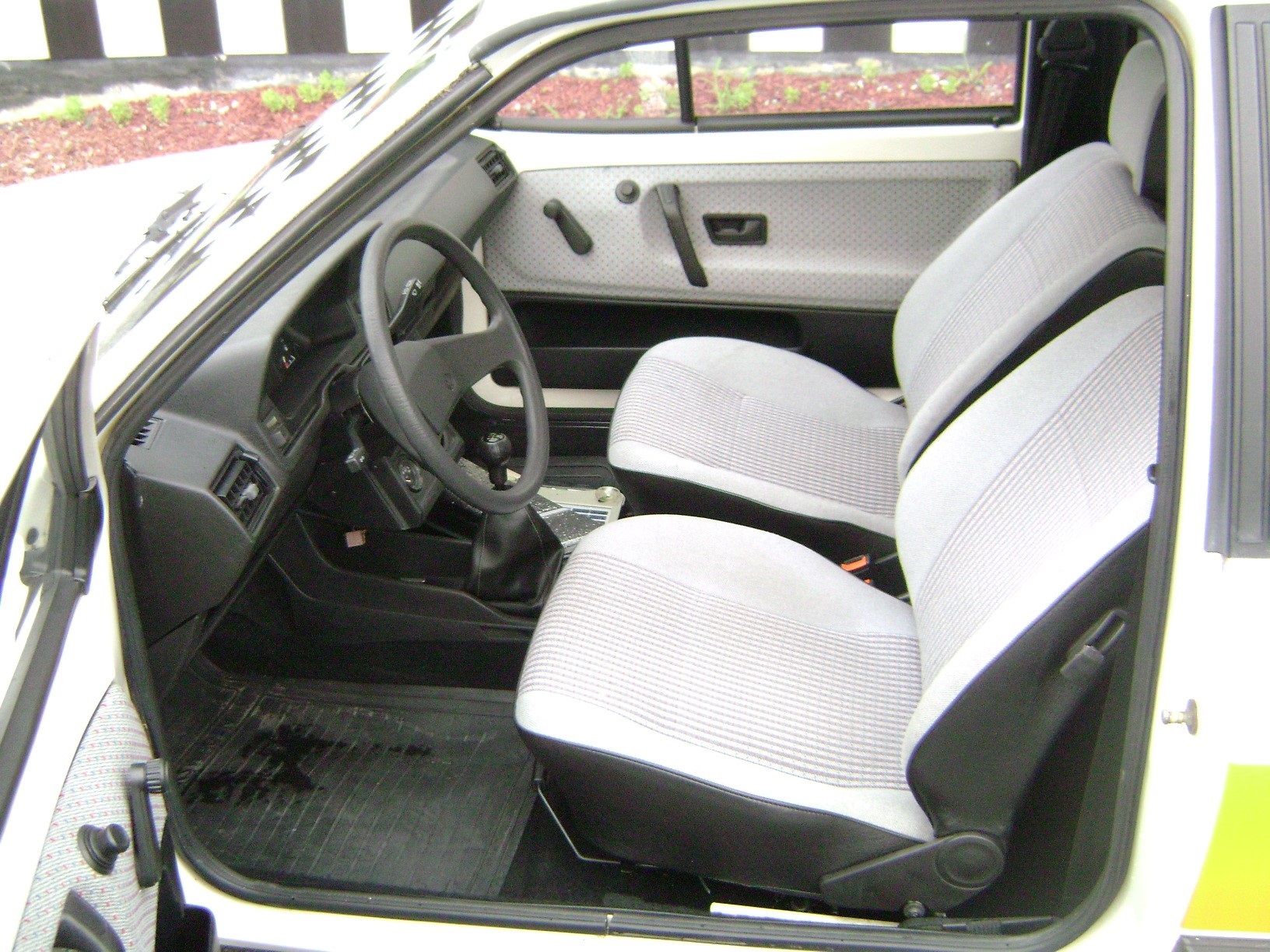
The interior of the Öko-Polo

Other than the signature stripe, the Öko-Polo is indistinguishable from any other late-1980s-style Polo Squareback, owner Ross Cupples said.

“I have about 70, most of which are low-mileage, original cars,” Cupples said. His collection fills two buildings, and he is still running out of indoor space as he seeks to keep his vintage vehicles in protected from the elements. “It’s been a fun challenge to research and make connections as I seek out rare models over the years.”
The Oko-polo gauges.

The German translation of Öko-Polo is Eco-Polo.

Fuel Efficient

The prototype was designed to run 100 km (62.13 miles) on just 3 liters of fuel, making it an ultra-economical car at the time.

The German translation of Öko-Polo is Eco-Polo.

The little squareback (wagon) had a two-cylinder diesel direct-injection engine and a G40 supercharger. The two cylinders displaced only 858 cubic centimeters and a heat-resistant foam substance encapsulated the engine bay to minimize the noise and vibrations.

After a year of testing, the series of about 50-75 1988 Öko-Polo prototypes ended. Because of the car’s high cost of production, it was never mass-produced, but it did help future models become more efficient. The Öko-Polo’s newly developed technologies were gradually implemented in other Volkswagen models.

Searching For Parts

The chassis Cupples purchased was missing many original 1988 Öko-Polo parts, including the engine and supercharger that made it an economical choice. He imported a 1-liter Polo drivetrain and fit it in the body of the car so it could run, albeit without the Öko-Polo engine.

Still, the chassis remains the only known VW Öko-Polo in the country. Its origins in the U.S. are unknown, but the seller in Wisconsin purchased the chassis from a government auction.
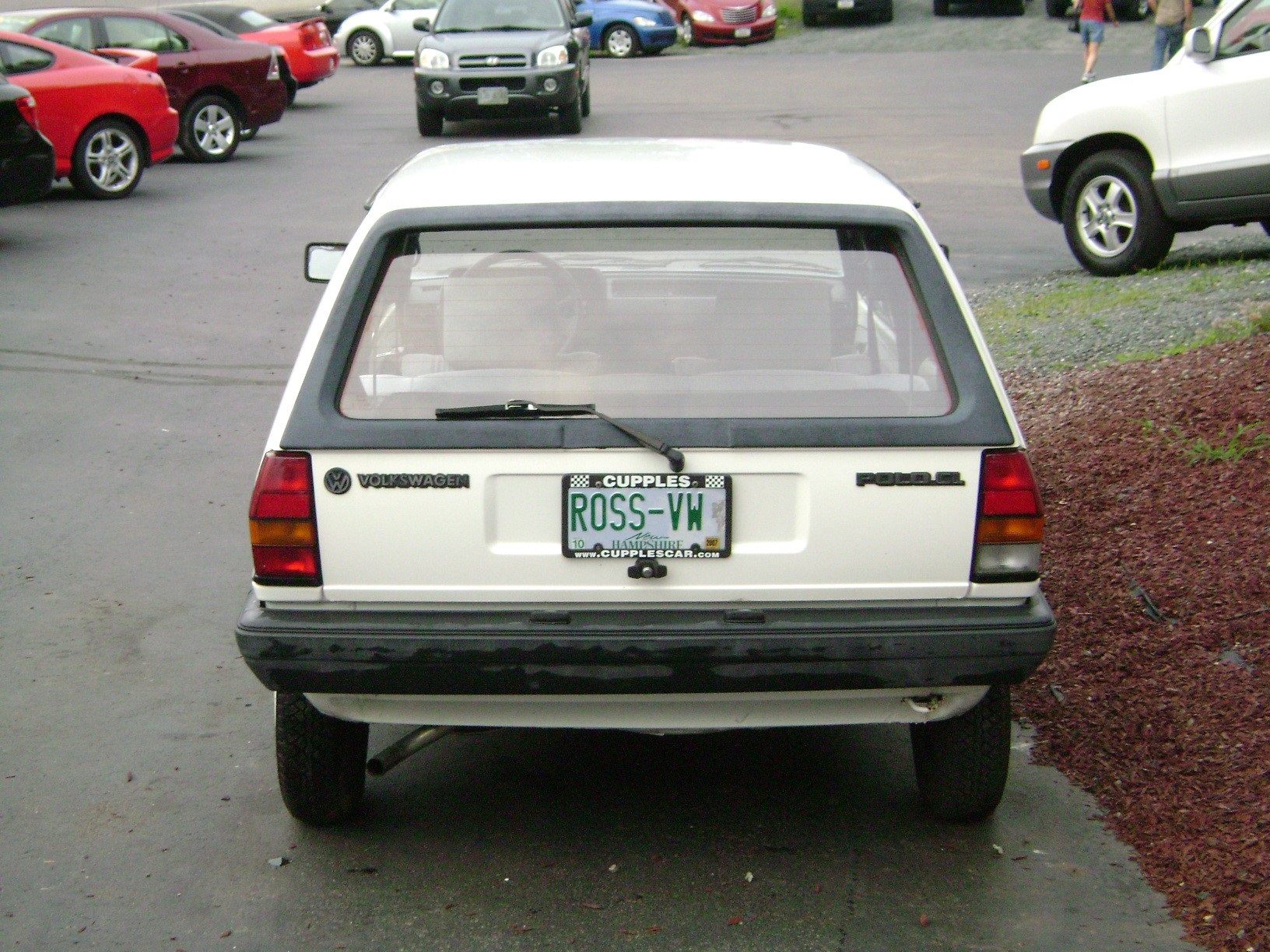
A rear view of the prototype in the dealership driveway

The car’s origins in the U.S. are unknown, but the seller in Wisconsin purchased the chassis from a government auction.

“Other than the signature stripe, the 1988 Öko-Polo is indistinguishable from any other late 1980s-style Polo Squareback,” Cupples said. “At the same time, it’s one of the rarest models in my collection.” Even the Volkswagen museum in Wolfsburg does not display an Öko-Polo prototype, he said.
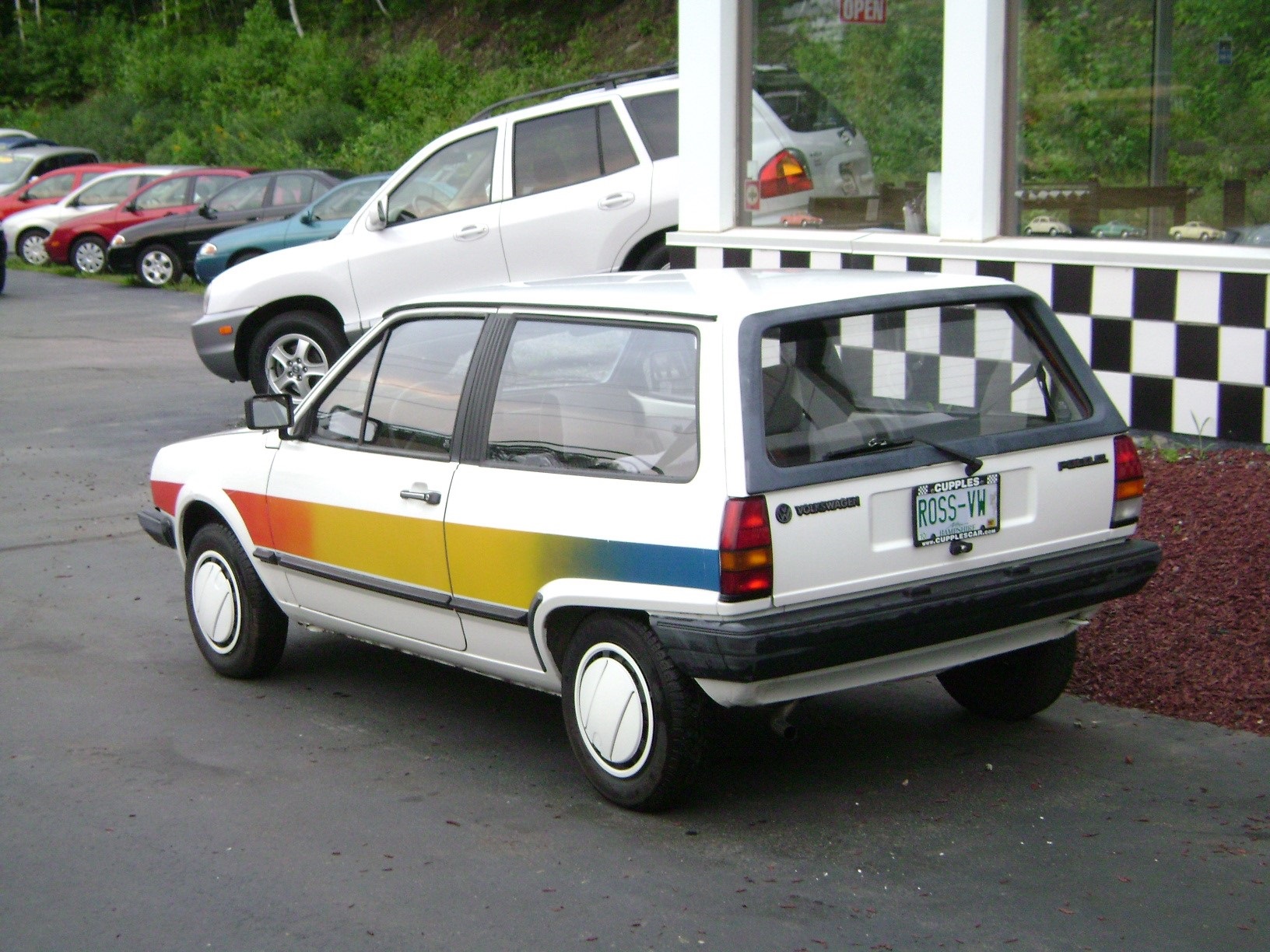
A exterior rear view of the restored Oko-Polo

The car Cupples purchased was missing many original Öko-Polo parts.

An interest in VW Polos

The vehicle also sparked Cupples’ interest in other Volkswagen Polos. Over the past two decades, he has collected every Polo model and its variant. He believes he is the only collector in the U.S. to have done so.

While some might consider 70 Volkswagens too many, Cupples is not finished growing his collection.

“I have a mentality of trying to have owned at least one of every model in every generation of Volkswagen,” he said. “Having the Öko-Polo has been a part of that mission. I love being able to hold a part of Volkswagen history.”

Among his dozens of other Volkswagens have been five Golf Harlequins, with at least one of each color combination.
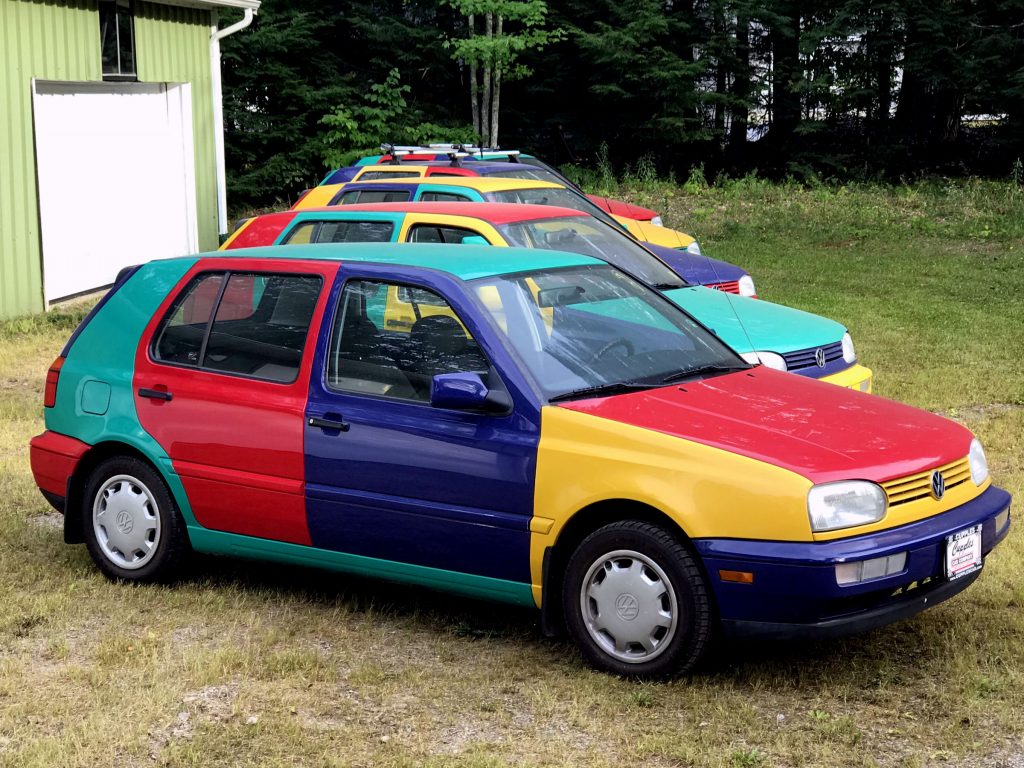
A series of five colorful VW Gold Harlequins

Cupples owns five Golf Harlequins, with at least one of each color combination.
Ford urges vigilance in #FinishStrong campaign

Ford urges vigilance in #FinishStrong campaign

New initiative to Finish Strong kicks off Jan. 1

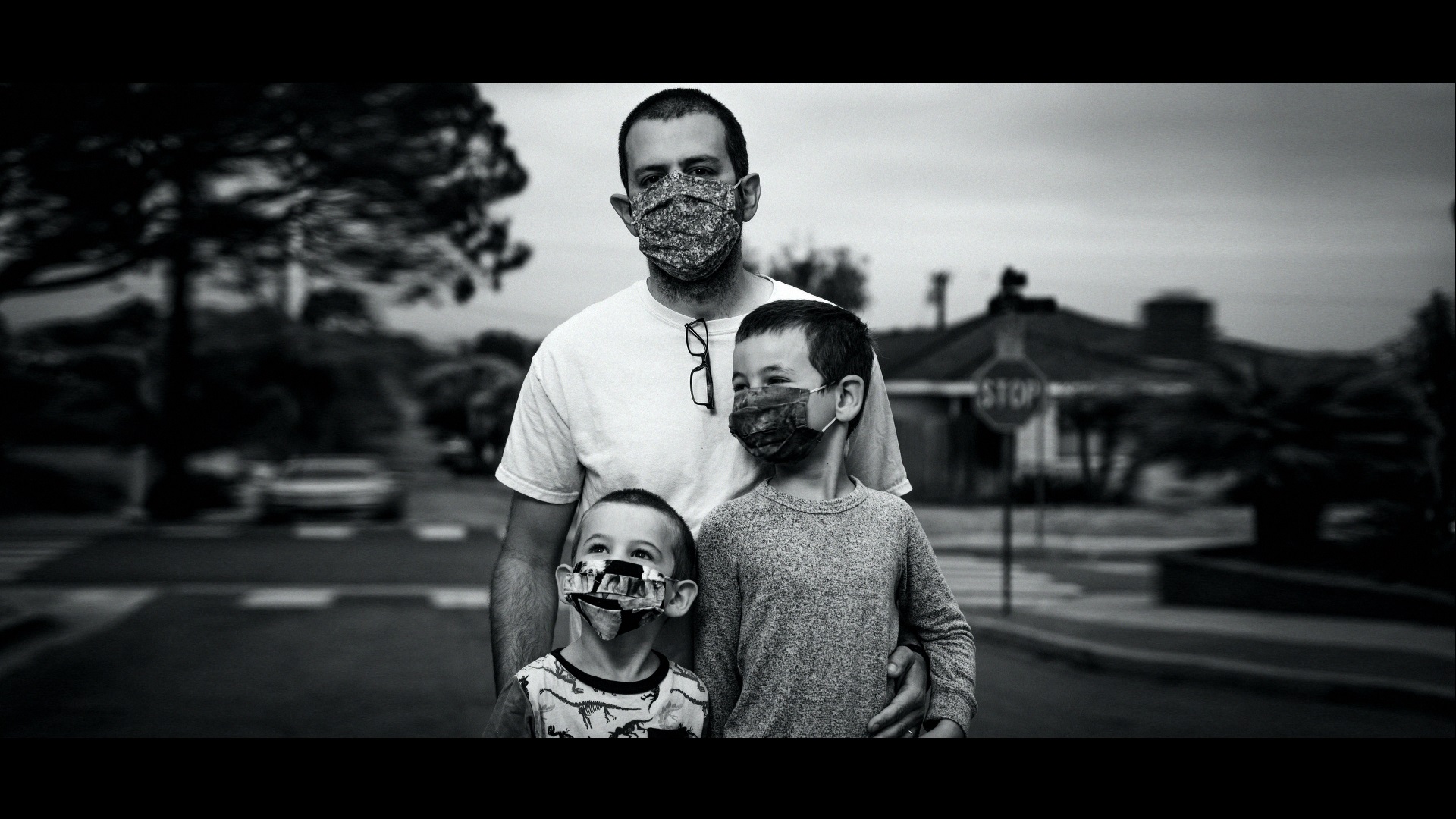
A black and white image of a father and his 2 sons for the Finish Strong campaignFord Motor Co. is encouraging Americans to Finish Strong to protect each other until COVID-19 vaccines become more widely available. (Ford)
BY MARK MAYNARD

As Americans cheer the end to an unwelcome 2020 and toast to the promise of a better 2021, Ford announced today that it is kicking off a Finish Strong initiative. The hope of the campaign is to encourage people to join together, protect each other and help save lives in the months ahead until COVID-19 vaccines become more widely distributed.

Lives are on the line, said Kumar Galhotra, president, Americas & International Markets Group, in the release.

“While many are weary from the challenges 2020 has thrown at us, now is the time for us to pull together, protect each other and finish strong until COVID-19 vaccines arrive more broadly. Lives are on the line,” Galhotra said.

If more Americans embraced COVID mitigation protocols, such as wearing masks, 50,000 or more lives could be saved between now and the end of March when vaccines are more readily available, according to officials at the IHME, University of Washington’s School of Medicine.

#FinishStrong Video

The cornerstone of the initiative is a 30-second commercial, #FinishStrong, which was created by acclaimed filmmaker Peter Berg, known for “Friday Night Lights,” “Patriots Day” and “Lone Survivor.” The spot is narrated by award-winning actor Bryan Cranston.

Berg and Ford approached the storytelling as an appeal to Americans’ shared sense of patriotism and what’s right — rather than preaching at people or using fear as a motivator. Woven within the video are brief portraits of front-line workers and people affected by COVID. Among them is survivor John Williams, 68, from Kansas City, who beat COVID-19 after 20 days on and off a ventilator. He’s shown leaving the hospital in his wheelchair as doctors and nurses line the halls to cheer him on.

According to Berg, it was critical to show the strength and spirit of the country in troubled times — and to offer inspiration to Americans to stay vigilant about protecting themselves and others.

“The COVID pandemic has tested us all in ways we could not have imagined a year ago,” Berg said. “People are weary, beat down, and it would be easy to let our guard down now. But we have to keep fighting for each other; we’re almost there. As we enter 2021, we wanted to help inspire Americans to come together and save lives until the vaccines arrive in numbers. We need to finish strong. We got this.”

Ford and PPE

To date, Ford has manufactured 55 million masks and will hit 100 million masks for donations by mid-2021. Among the other pieces of personal protective equipment the automaker has made include:

  • 20 million face shields
  • 50,000 patient ventilators
  • More than 32,000 powered air-purifying respirators in collaboration with 3M
  • 1.4 million washable isolation gowns

UAW Collaboration

In collaboration with the UAW and Ford Motor Company Fund, the automaker also has donated more than 50 million face masks to nonprofit organizations, state and local officials, first responders, schools, and underserved communities in all 50 states. The next round of masks, including masks for children, will be available on Jan. 12 in six states across the eastern U.S., from New York to Virginia at local Ford dealers. Details are available at FordFund.org.

Throughout its 117-year history, Ford has stepped up in moments of global crisis: creating Iron Lungs in the polio epidemic and leading the Arsenal of Democracy in WWII. Ford’s latest effort builds on the company’s support for those affected by the pandemic — from creating programs allowing customers to defer car payments to transforming its plants to make ventilators.

Volkswagen Beetle Production Began Dec. 27, 1945

Volkswagen Beetle Production Began Dec. 27, 1945

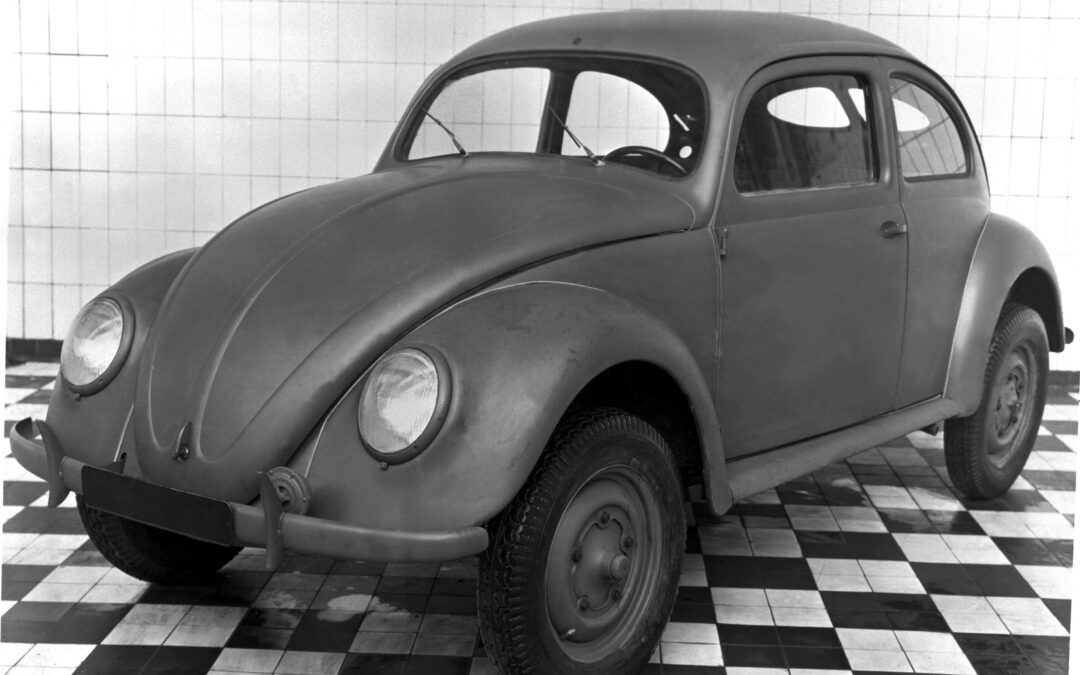
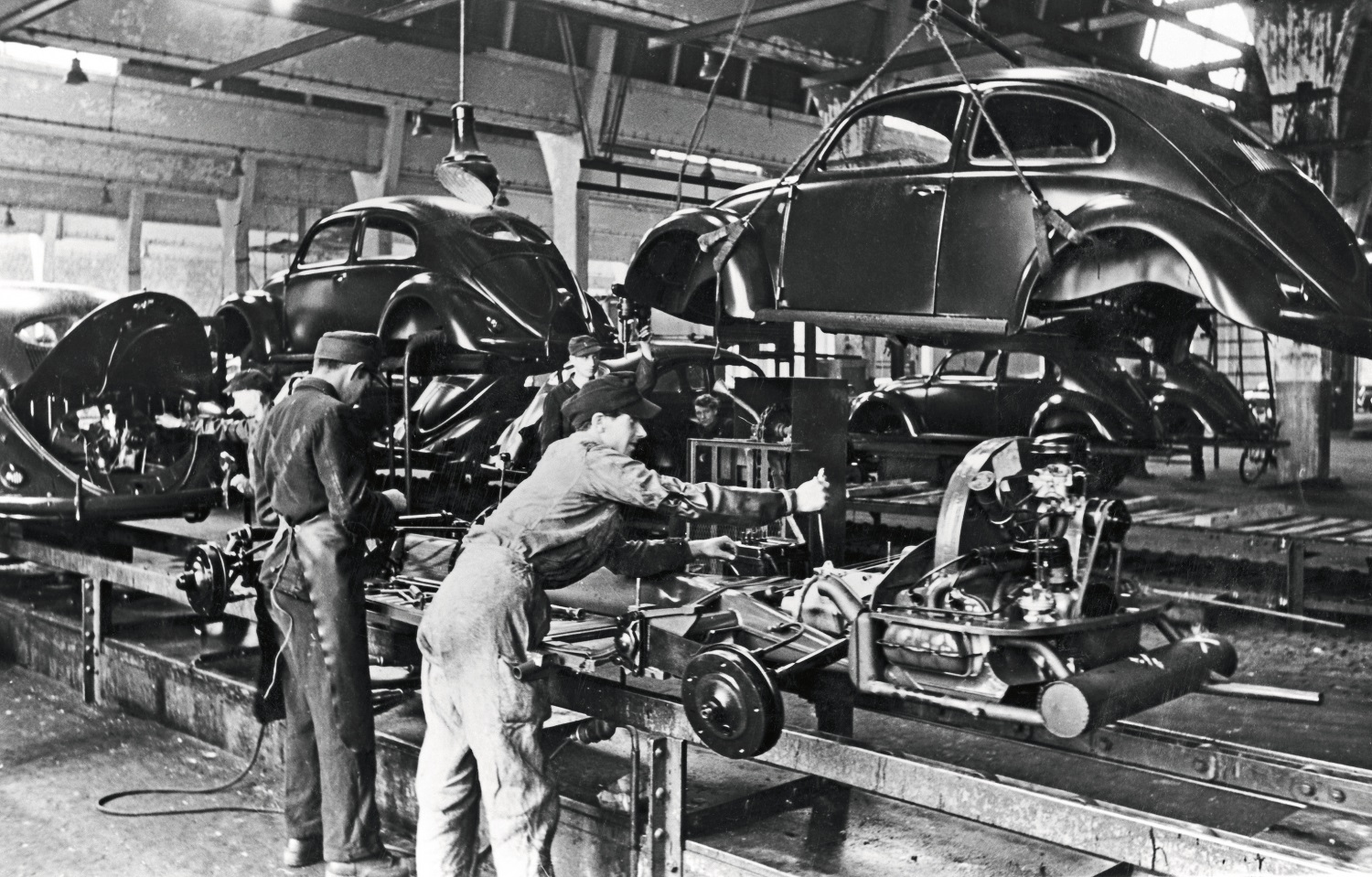
Start of Type 1 VW Beetle production in 1945 at the factory in Wolfsburg, Germany. (VW US)

BY MARK MAYNARD

Series production of the Volkswagen “Beetle” Limousine began on Dec. 27, 1945. It was referred to internally as “Type 1,” and later became world-famous as the “Beetle.” The little sedan’s success story started in Wolfsburg, Germany, and is credited to British Major Ivan Hirst.

According to a release by VW US, in June 1945, the British Military Government Series assumed the trusteeship over Volkswagenwerk GmbH. Following the end of World War II, the production of the Volkswagen Type 1 sedan (limousine) began as a vehicle for transport tasks.

Major Hirst’s British was known for his pragmatism and talent for improvisation. The two traits made it possible for him to transform an armaments plant into a civilian industrial company in an impressively short timeline.

The British Military Government issued an order for 20,000 vehicles in August 1945. The start of production was a visible sign of a new beginning and hope. The factory had been largely destroyed by the end of World War II.

The first Beetle, with the split rear window. (VW US)

Wartime Challenges

There were many wartime challenges. There were personnel shortages to support the workforce and production bottlenecks for raw materials and energy. But the first Volkswagen sedan left the production line just after Christmas. By the end of 1945, 55 cars had been produced.

From 1946 to the currency reform of 1948, about 1,000 vehicles were produced per month. It was not possible to produce more vehicles with the material shortages, rationing, and lack of personnel. Sales were jump-started in 1947 with exports of the car.

Volkswagen discontinued production of the original VW Beetle in Mexico in 2003. By then 21,529,464 VW Beetles had been manufactured, including about 15.8 million in Germany.

For more on the so-called “People’s Car” see its Wikipedia page.

Debut of the signature Chevrolet bowtie badge

Debut of the signature Chevrolet bowtie badge

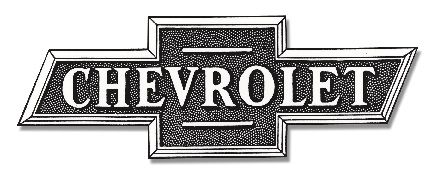
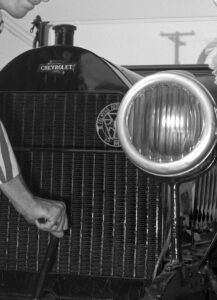
The signature Chevrolet “bowtie” badge, as it debuted in 1913. (GM)

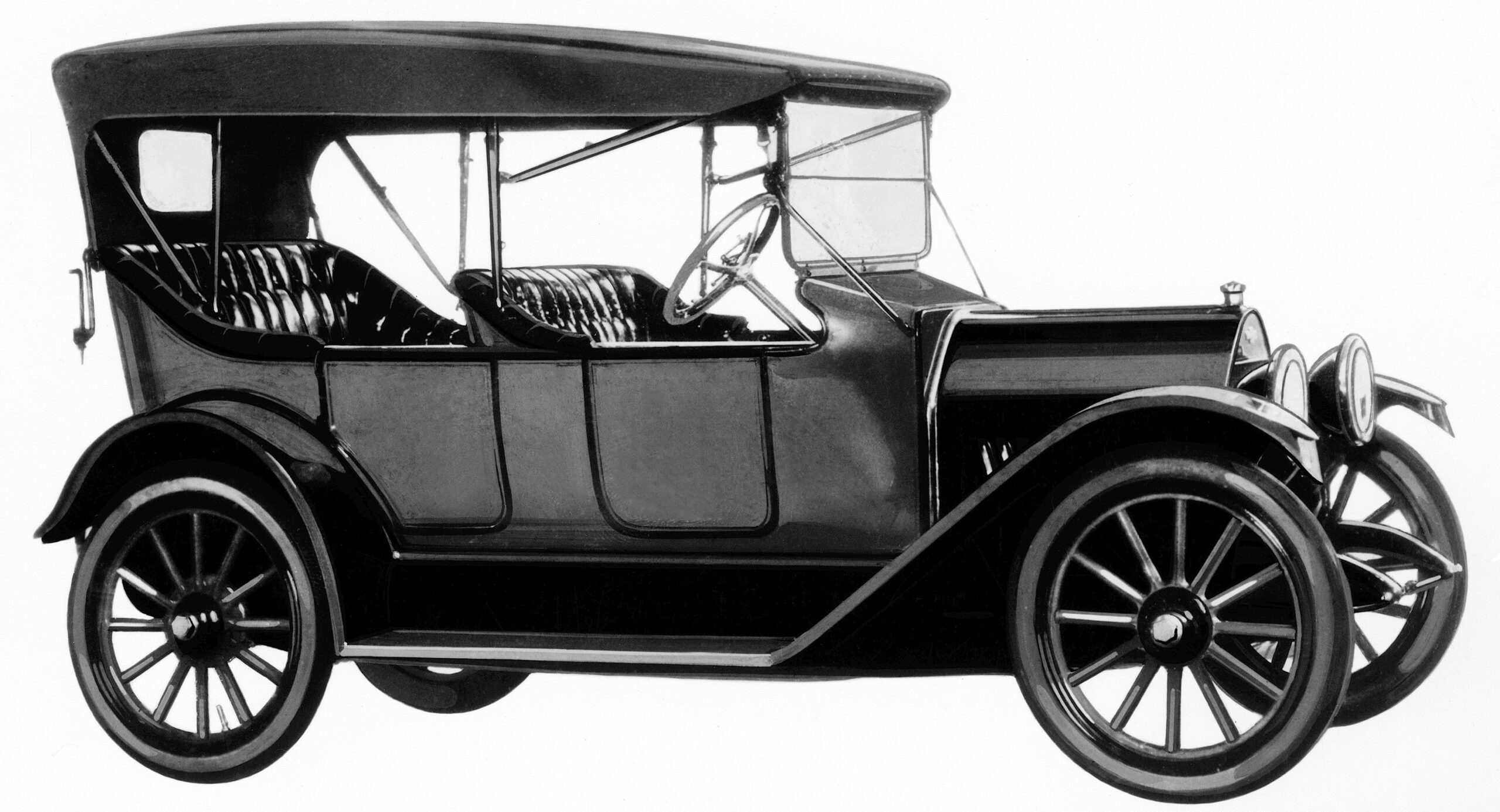
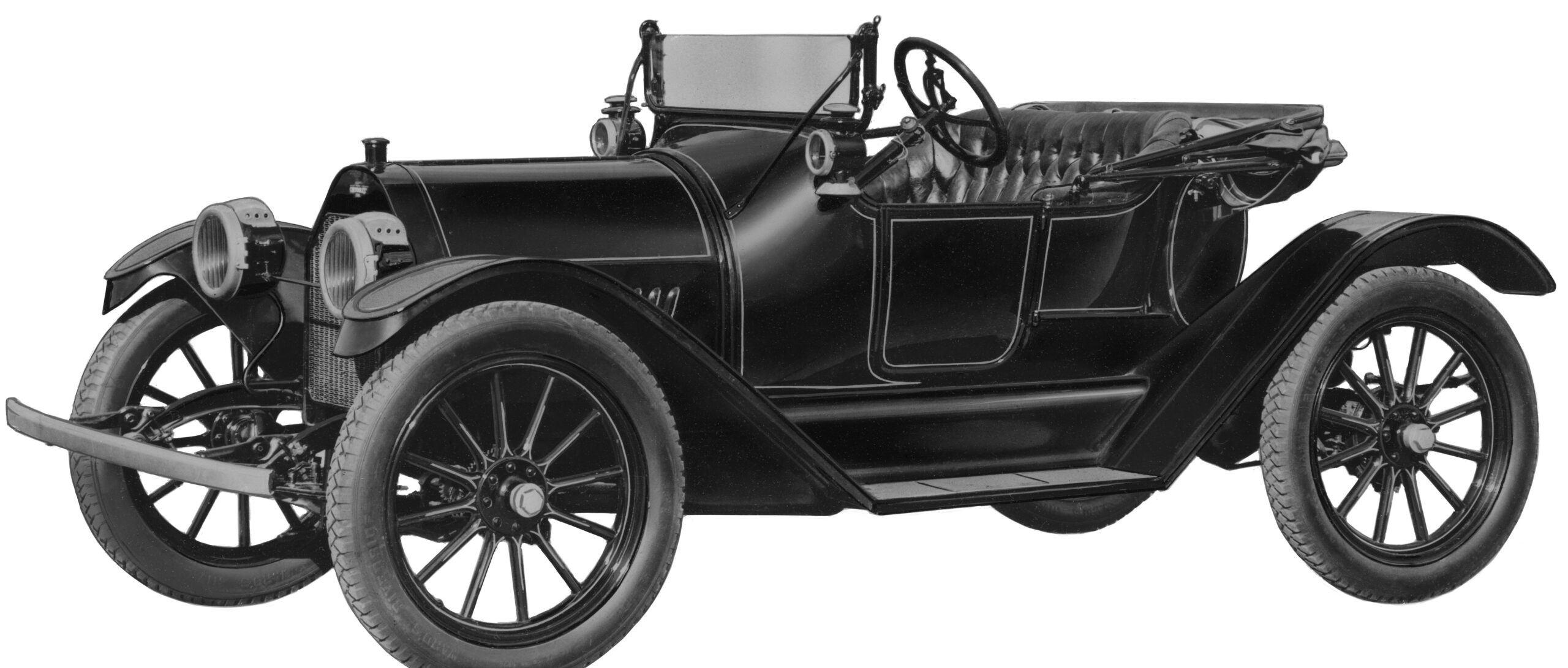
In 1913, Chevrolet co-founder William C. Durant introduced the signature Chevy bowtie on the 1914 Chevrolet H-2 Royal Mail and the H-4 Baby Grand, centered at the front of both models.

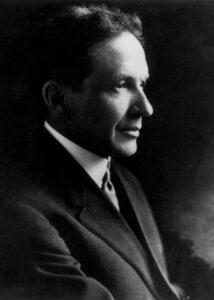
“Billy” Crapo Durant. (GM)

The Baby Grand was part of Durant’s idea to build a car to compete with the popular and affordable Ford Model T, according to Wikipedia.

“When it first came out, it was priced at $875 as a four-door, 5-passenger touring car (a 1914 Model T touring was $500).

“A speedometer was standard. One advantage over a Model T Ford was that a Baby Grand could get an electric starter. (The Model T did not get them until 1919).

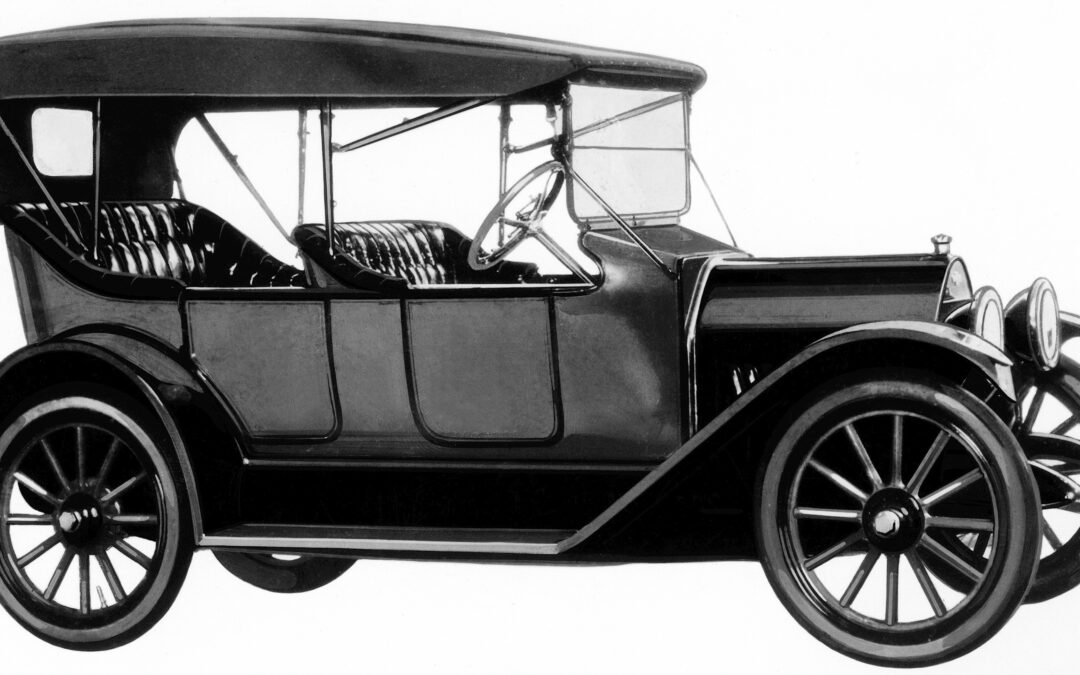
The 1914 Chevrolet H-4 Baby Grand. (GM)

“In 1914 the Series H debuted with the H-2 Royal Mail Roadster and the H-4 5-seater Baby Grand Touring model, both with a 104-inch wheelbase.

The 1914 Chevrolet H-2 Royal Mail roadster. (GM)

The 1914 Baby Grand. (GM)

“In 1916, the Royal Mail model H-2½ was introduced, which was the first integral trunk for Chevrolet with gas tank in the rear between the frame rails.

“The Series H models were moved upmarket when the $490 Chevrolet 490 was introduced in June 1915 to compete directly with the Ford Model T.

“Total Chevrolet production for 1913 was 5,987.”