Select Page

Moab Easter Jeep Safari

Moab Easter Jeep Safari

Annual Moab Easter Jeep Safari is a showcase of new Jeep-brand concept vehicles and Jeep Performance Parts

The Jeepster Beach concept vehicle

The Jeepster Beach maintains the outward appearance of a 1968 Jeepster Commando, it shares the foundation of a 2020 Jeep Wrangler Rubicon. (Photos courtesy of Jeep)

BY MARK MAYNARD

It’s Easter and Jeep is leading its disciples to a sermon on the off-roader’s mount at the rocky trails around Moab, Utah. Enthusiasts from all over the world will make the pilgrimage from March 27 to April 4, 2021, for an extended holiday week of trail rides and technical off-roading on some of the most challenging and picturesque terrain.

Also on the to-do list is to get a first look at this year’s crop of concept vehicles especially blessed for this sacred occasion.

ā€œThe Moab Easter Jeep Safari has long been our testing ground for both our newest Jeep 4x4s and for showcasing new Jeep-brand concepts, Jeep Performance Parts and ideas that truly resonate with our most passionate customers — the die-hard off-road enthusiasts who attend this event every year,ā€ said Jim Morrison, vice president, Jeep Brand North America.

The Safari

The Jeep Safari was started in 1967 by the Moab Chamber of Commerce as a one-day trail ride. Over the years, as participation grew, the Safari expanded until it finally reached the current nine-day event. ā€œBig Saturdayā€ remains the culmination of the event on the Saturday of Easter weekend.

Today, the Easter Jeep Safari is hosted by Moab’s Red Rock 4-Wheelers four-wheel-drive club, which leads trail rides and some daylong trips.

The Concept Vehicles

This year, the Jeep design, performance, and engineering teams have developed seven concept vehicles that showcase an array of advanced and potent powertrains. The pinnacle might be the first battery-electric vehicle from Jeep, the Wrangler Magneto. It represents a milepost on the brand’s ā€œRoad Aheadā€ to becoming the greenest SUV brand.

The 2021 Easter Jeep Safari concept vehicles:

Jeep Magneto

The Jeep Magneto concept

The exterior of the battery-electric concept features a Bright White color with Surf Blue accents.

Factory engineers and designers have created a zero-emission vehicle with Jeep 4×4 capability that provides new levels of efficiency, environmental responsibility, and performance on- and off-road.

Based on a two-door 2020 Jeep Wrangler Rubicon, the Jeep Magneto uses a custom-built axial flux electric motor that operates up to 6,000 rpm. The e-motor is connected to a six-speed manual transmission, which makes it a unique manual-electric powertrain with a clutch that operates as it would with an internal combustion engine. In quick-shift scenarios, the e-motor engages regen upon clutch engagement to prevent rev-hang.

Comparable in power and driving experience to the 3.6-liter Pentastar V-6, the compact e-motor is tuned to deliver up to 273 foot-pounds of torque and 285 horsepower. During moderate driving, the performance difference between the V-6 and the Magneto’s manual-electric powertrain is negligible except for near-silent operation, the engineers say.

When more acceleration is needed, the e-motor delivers all 273 lb.-ft. of torque without the need to build up revolutions per minute. The Magneto concept runs 0-60 mph in 6.8 seconds.

A rear view of the Jeep Magneto along a truck trail

At the rear are a redesigned tailgate and Surf Blue truck bed liner.

Powering the Jeep Magneto’s e-motor are four battery packs with a combined power of 70 kWh, running an 800-volt system. The lithium-ion batteries are distributed around the Wrangler to balance weight on the four wheels. One pack replaces the Wrangler’s midship fuel tank, another is mounted opposite the fuel tank location, the third pack sits atop the e-motor under the hood and the fourth pack mounts in the space normally used for a rear storage compartment, also using space typically occupied by the exhaust muffler.

An inverter derived from race cars converts DC power to AC for the motor. The batteries, a vehicle interface box and the battery control module are all contained in waterproof enclosures to maintain the Wrangler’s 30-inch water-fording ability.

A 12-volt battery powers existing systems, such as for the radio and lighting. A second 12-volt battery powers the accessories, such as the winch. A DC-to-DC converter charges both 12-volt batteries, allowing long-term operation of accessories to power a campsite or an unexpectedly long winch operation.

Special mounts secure the battery packs for harsh driving and custom skid plates protect the battery packs from potential strikes to the undercarriage while traversing harsh terrain.

Because the Magneto is a concept, a driving range was not released. But the 2021 Jeep Wrangler 4xe plug-in hybrid is on sale now. It integrates two electric motors and a 400-volt battery pack with a turbocharged, four-cylinder engine and TorqueFlite eight-speed automatic transmission for up 25 miles of electric-only range and nearly 400 miles of total range.

The exterior of the Magneto features Bright White paint with Surf Blue accents, a heavy-duty performance hood with center scoop, redesigned rear gate and full-width forward lighting. The interior design centers on Custom Royal Blue and Black leather seats with Sapphire-colored inserts and straps, Surf Blue truck-bed liner and Mopar slush mats.

Body work includes a JPP 2-inch lift kit, 17-inch Lights Out black metallic wheels with 35-inch mud-terrain tires, custom roll cage, Mopar Rock Rails, steel bumpers with a Warn winch and a steel belly pan.

Jeepster Beach

This resto-mod update of a 1968 Jeepster Commando is based on a 2020 Jeep Wrangler Rubicon.

This year’s ā€œResto-Modā€ is a throwback to the second-generation Jeepster. Originally designed around the growing interest in leisure time use of 4×4 vehicles, the Jeepster Commando was the first compact four-wheel-drive vehicle with an automatic transmission and, unlike the Jeep CJs of its day, it had modern amenities, such as doors, roll-up side glass, a heater and roof.

Low-back bucket seats are trimmed in red leather.

While the Jeepster Beach maintains the outward appearance of a 1968 Jeepster Commando (C-101), it shares the foundation of a 2020 Jeep Wrangler Rubicon.

Under the hood, its 2.0-liter turbocharged four-cylinder engine with a custom, concept calibration increases the engine output about 25 percent above the production version to 340 horsepower and 369 lb.-ft. of torque. The direct-injection engine uses a twin-scroll, low-inertia turbocharger with a dedicated cooling circuit for the turbocharger, intake air and throttle. An eight-speed automatic transmission mated to a 4:1 transfer case delivers power to 35-inch tires.

The rear seat was replaced with a chrome, four-point safety cage and the carpets were removed to make cleaning out sand a breeze.

The modified body and original chrome trim are set off by a two-tone paint scheme of Hazy IPA and Zinc Oxide. The custom interior features low-back bucket seats trimmed in red leather. The rear seat was replaced with a chrome, four-point safety cage and the carpets were removed for easy clean-up.

Jeep Red Bare

The Jeep Red Bare Gladiator Rubicon concept is powered by the turbocharged 260-hp, 3.0-liter EcoDiesel V-6 engine.

Powering the Red Bare concept is the turbocharged 260-hp, 3.0-liter EcoDiesel V-6 engine, rated at 442 lb.-ft. of torque. To handle greater torque loads, the EcoDiesel V-6 connects to a TorqueFlite 8HP75 eight-speed automatic transmission, calibrated for low rpm shifts.

The Red Bare’s interior features custom Katzkin black leather seats with red stitching and custom red flannel inserts.

The Red Bare features Dana 44 front and rear heavy-duty axles that have been upgraded with 4.88 axle ratios for rigorous maneuvers — and an impressive 91:1 crawl ratio to tackle the toughest climbs.

The Fire Cracker Red paint contrasts with Matte Black graphics and gold accents. The hood and cowl pieces are from the capable Mojave model with a special hood graphic and Matte Black seven-slot grille insert.

Gear is contained with a bed cover and rack system.

The interior incorporates custom Katzkin black leather seats with red stitching and red flannel inserts. The instrument panel has been wrapped in the same red flannel and the bed-liner floors are color-matched and protected by Mopar slush mats.

The concept was upfitted with a JPP 2-inch lift kit, 17-inch Matte Black wheels with 37-inch BFG mud-terrain tires, cargo bed-mounted sport bar, JPP Sand Slider rock rails, bed cover and rack system, factory steel bumpers with a Warn winch and front bumper grille guard.

Jeep Orange Peelz

Based on a two-door Wrangler, the Orange Peelz has JPP half doors and a removable one-piece Freedom Top glass sunroof.

Based on a two-door Wrangler, the Orange Peelz concept builds on the Wrangler’s open-air heritage with prototype JPP half doors and a custom removable one-piece Freedom Top glass sunroof.

Off-road capability is enhanced with a JPP 2-inch lift kit with FOX. Just below the concept steel ā€œhigh-topā€ fender flares are 17-inch JPP beadlock-capable aluminum wheels riding on 37-inch BF Goodrich KM3 mud-terrain tires with Mopar valve-stem caps with the Jeep logo.

The concept hood features black Mopar hood latches with the Jeep Willys logo and is flanked by JPP 5-inch off-road LED lights mounted at the base of the A-pillars, each providing 4,800 lumens of bright white light. The windshield is protected against chips and cracks with Corning Gorilla Glass, a factory-backed Mopar option.

The interior has an orange and plaid theme throughout.Ā 

A custom JPP Rubicon steel bumper includes a prototype 2-inch steel grille guard and the exclusive JPP 8,000-pound capacity Rubicon Warn winch. Custom rock rails provide protection and durability for serious off-roading.

The interior has such upgrades as JPP grab handles, plaid trim on the armrests, upper and lower seat inserts, matching orange on the mid-instrument stack and orange accent stitching on the steering wheel, shifter boots and parking-brake handle.

Steel ā€œhigh-topā€ fender flares protect 17-inch JPP beadlock-capable aluminum wheels riding on 37-inch BF Goodrich KM3 mud-terrain tires.

Standard Mopar all-weather floor mats have deep rigid sidewalls and reservoir systems to help contain snow, water and spilled beverages.

The Jeep Orange Peelz concept is powered by the 285-hp, 3.6-liter Pentastar V-6 with and 260 lb.-ft. of torque, mated to a TorqueFlite eight-speed automatic transmission. The powertrain is upgraded with a JPP cold-air intake and JPP cat-back exhaust system.

Jeep Farout

The Farout Concept is intended to be a true overlanding vehicle with a long-range-capable 3.0-liter EcoDiesel V-6 engine.

An encore to the 2019 Wayout concept, the Jeep Farout is a true overlanding vehicle that leverages the 2021 Jeep Gladiator’s long-range-capable 3.0-liter EcoDiesel V-6.

The main feature is a neatly contained, customized deployable Adventure Trails Overland Equipment Habitat Truck Topper. At 16 feet long by 7.5-feet tall, the recreational residence opens and retracts in a matter of seconds. Once unpacked, it comfortably sleeps up to four. An integrated roof-rack system provides additional cargo capacity.

The Farout’s wood-lined interior features ambient lighting, a fully functional refrigerator and stove, plus hanging storage racks, built-in seats and table space. Inside the customized cab, an outdoors theme is emphasized with dark smoke blue leather, orange stitching and plaid flannel seat inserts.

This overlander is reinforced with a JPP 2-inch lift kit, 37-inch mud-terrain tires andĀ  front and rear rock rails and FOX shocks.

The exterior features a new Earl body color with Chartreuse accents on the hood, rear tailgate tow hooks, springs, badging and shocks. Its rugged stance is reinforced with a JPP 2-inch lift kit, 17-inch matte charcoal rims, 37-inch mud-terrain tires, a modified Gladiator Rubicon steel bumper equipped with a 12,000-pound Warn winch, custom front and rear rock rails and FOX performance shocks.

The third-generation turbocharged 3.0-liter EcoDiesel V-6 engine, available in the production Gladiator, is capable of more than 425 miles of driving range.

Jeep Wrangler Rubicon 392

The 485-hp, V8-powered Wrangler Rubicon 392 Concept isn’t too far off from the production version, which goes on sale this spring.

The Jeep Wrangler Rubicon 392 is making its way to production, but it was first conceived as this V-8 powered Wrangler Rubicon concept. The heart of the Wrangler Rubicon 392 is its 485-hp, 6.4-liter (392-cubic-inch) V-8 engine, generating 475 lb.-ft. of torque. Nearly 75 percent of this naturally aspirated engine’s peak torque is available just above engine idle speed, for unhesitating climbing force.

The boisterous persona of this modified four-door 2020 Wrangler Rubicon is activated by a dual-mode performance exhaust. Other extras include a performance hood with center scoop, custom-built half doors and Sky One-touch power top with removable side panels for flow through air flow.

The concept’s Granite Crystal paint is accented with bronze-tone tow hooks, badging, springs and shocks. The interior has Oxblood Red leather seats with gold stitching.

The concept is a power crawler with a JPP 2-inch lift kit with 17-inch beadlock wheels and 37-inch mud-terrain tires.

To help navigate treacherous terrain and challenging off-road conditions, additional upgrades include a JPP 2-inch lift kit, custom 17-inch beadlock wheels with 37-inch mud-terrain tires, Mopar Rock Rails, steel bumpers with Warn winch and steel belly pan.

The production version of the Wrangler Rubicon 392 launch editionĀ  goes on sale this spring. Pricing starts at $74,995 including the $1,495 freight charge from Toledo, Ohio.

Jeep Top Dog

The Gladiator Top Dog is a power rig for serious mountain bikers.

Using exclusive JPP and custom accessories, Mopar designers transformed a 2020 Gladiator into a work station for serious mountain bikers.

Painted K-9 Blue, the Top Dog treatment removed the standard cargo box and replaced it with a custom PCOR (Patriot Campers Off Road) flatbed storage system.

On the passenger side, pull-out drawers can be used to store tools. within easy reach are interior storage shelves, exterior lighting switches and extra power supplies.

On the driver’s side of the storage is a battery-powered refrigerator and electric hot dog roller grill.

On the driver’s side are a battery-powered refrigerator and electric hot dog roller grill.

Above the cab area, two Rhino rack structures provide additional storage space for tools and equipment. Dual exterior task lights are mounted on each side and a set of traction mats for vehicle recovery and extraction are also attached to the storage racks.

On top of the rack structure, a dual-bike rack provides a safe way to transport the Trek mountain bikes. Just above the rear-facing winch, a roll-out storage drawer carries a foldable ladder to access to the bike rack.

For off-road prowess, the Top Dog features a JPP 2-inch lift kit with FOX shocks, augmented by 17-inch JPP beadlock-capable aluminum wheels and 37-inch BF Goodrich KM3 mud-terrain tires. Concept steel ā€œhigh-topā€ fender flares provide additional clearance at all four corners.

The powertrain is a 285-hp, 3.6-liter Pentastar V-6 with 260 lb.-ft. of torque mated to a TorqueFlite eight-speed automatic transmission.

At the front end is a JPP Rubicon bumper that holds a 2-inch steel grille guard and JPP 8,000-pound-capacity Rubicon Warn winch, which includes 100 feet of Spydura synthetic rope. A second JPP Warn winch was added at the rear.

At the rear of the Top Dog is a second JPP Warn winch and a roll-out storage drawer with a foldable ladder to access the bike rack.

The concept hood is accented with black Mopar hood latches with the Jeep Willys logo. A JPP snorkel helps direct cool air into the engine when off-road conditions threaten normal air inlets. Additional nighttime trail illumination is provided by a pair of JPP 5-inch, off-road, LED lights installed at the base of the A-pillars.

Body sides are protected by JPP rock rails, customized with welded 2-inch steel tubes, similar to the front grille guard design.

The cabin of the Top Dog features a healthy dose of K-9 Blue accents. The black interior is accented with K-9 Blue bezels, stitching on the black Katzkin leather seats, armrests, shifter boots, steering wheel and the parking brake handle.

Jeep Performance Parts

Created in 2012 and offered by Mopar for the Jeep brand, Jeep Performance Parts (JPP) provide high-end, hard-core quality aftermarket accessories and performance parts.

The portfolio of factory-backed, quality-tested parts includes axles, lift kits, bumpers, winches, skid plates, suspension components, and more. The products are created in close conjunction with the Jeep brand, engineering and product design-office teams for development, testing and validation. Strict standards and factory-exclusive data — information not available to the aftermarket — are used to integrate performance parts and accessories to deliver proper fit, finish and quality right down to the color, grain and appearance of each product.

To see the full line of Jeep Performance Parts, visit mopar.com/jpp.

Bondurant High Performance Driving School Now The Radford Racing School

Bondurant High Performance Driving School Now The Radford Racing School

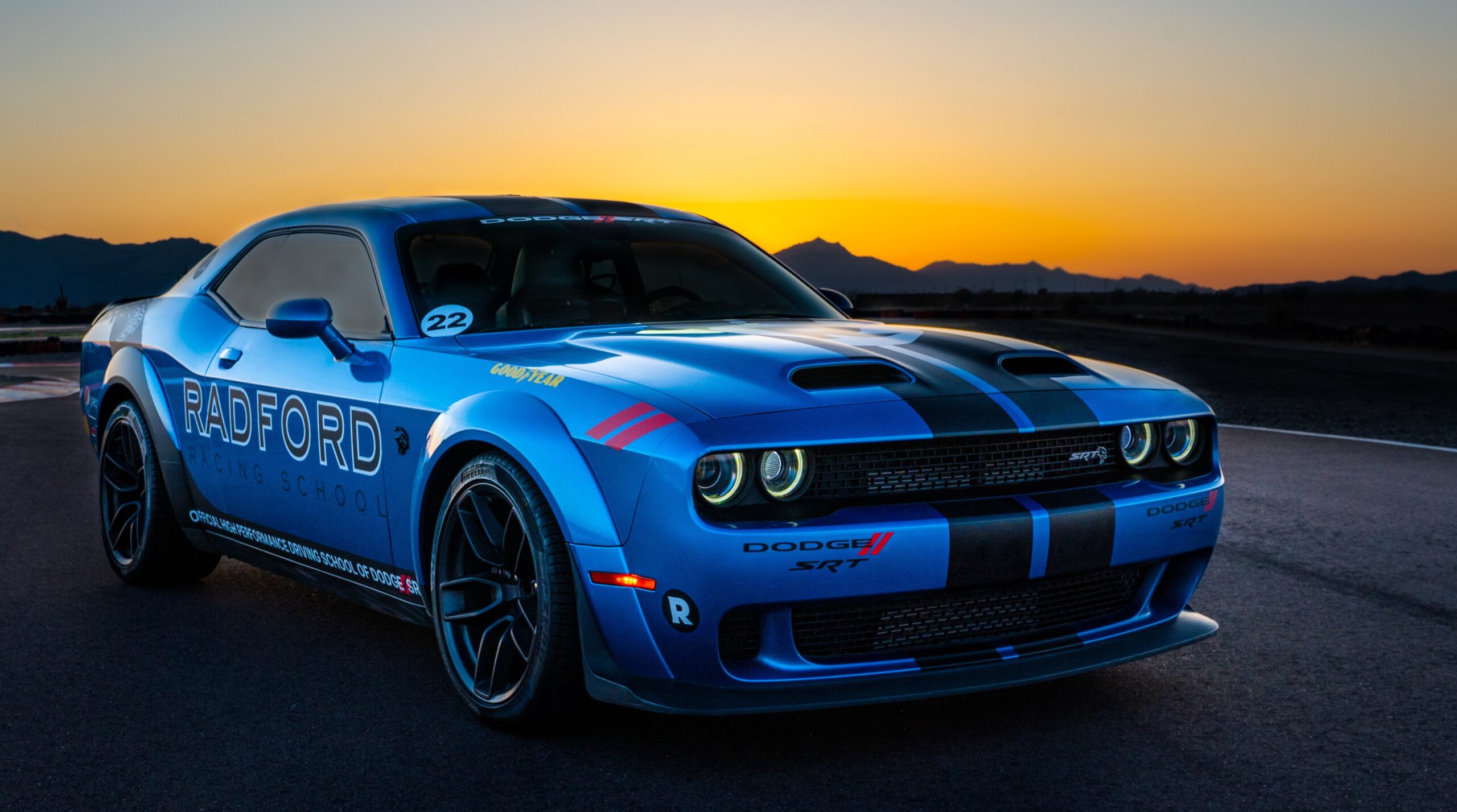
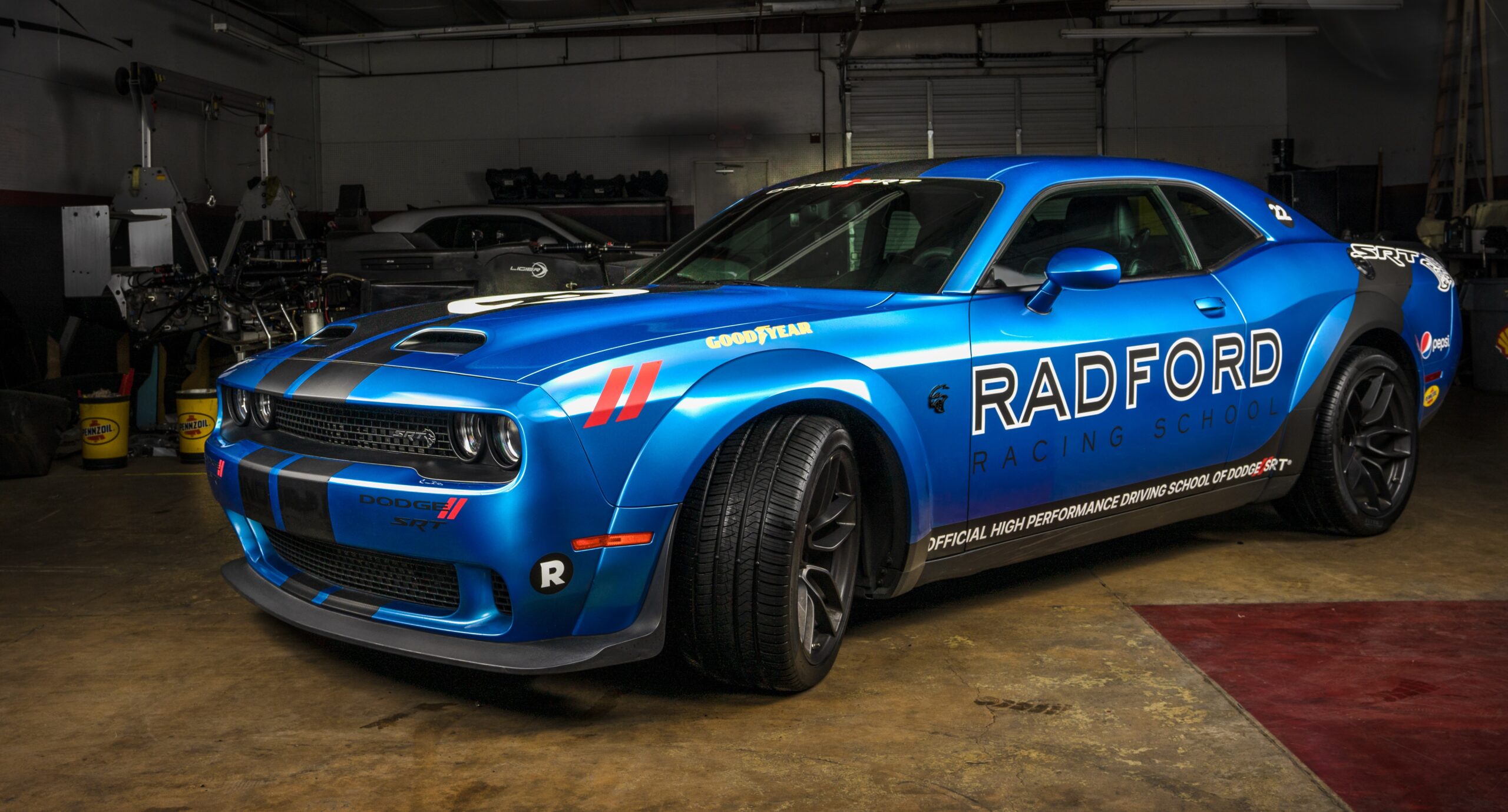
A front view a Radford school Dodge ChallengerThe renaming marks the school’s new association with the team including English television celebrity Ant Anstead, F1 champion Jenson Button, car designer Mark Stubbs, and business partner Roger Behle. (Photography courtesy Radford Racing School)
 

BY MARK MAYNARD

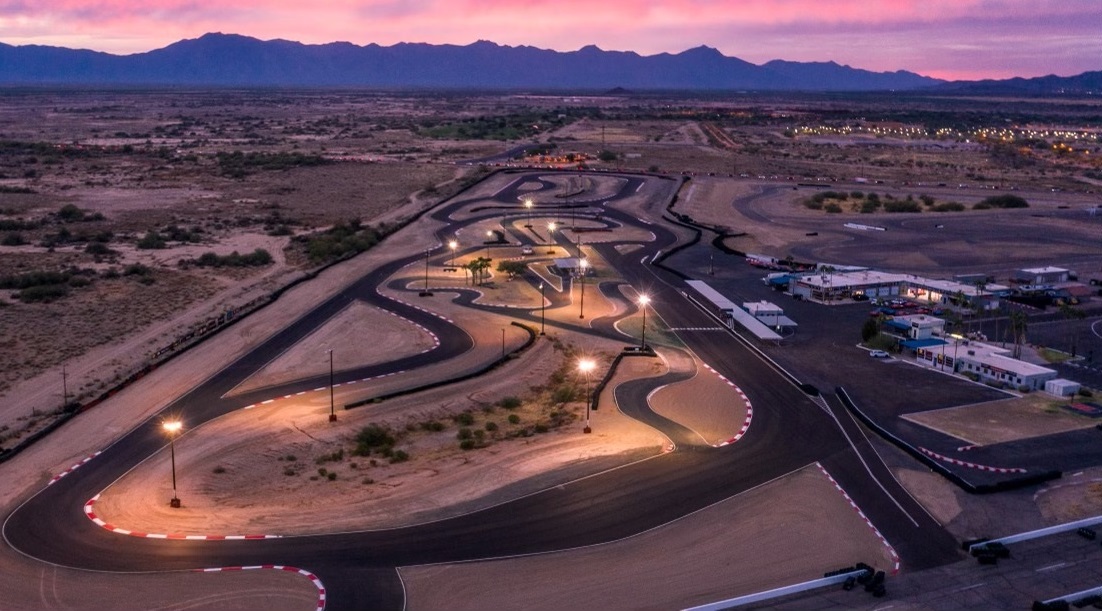
CHANDLER, Ariz. — The storied Bondurant High Performance Driving School is writing a new chapter. A new ownership group purchased the school in May 2019 and launched a multi-million-dollar renovation and revamped its curriculum. With more plans and enhancements in the staging lanes, the school’s owners — sort of a fab-four of auto enthusiasts, collectors, and graduates of the school — have just renamed the facility the Radford Racing School.

The renaming marks the school’s new association with the team behind the Radford brand, a name well known among auto enthusiasts for its coachbuilding legacy— including its brand-defining high-performance Minis.

The team includes next-generation owners English television celebrity Ant Anstead, F1 champion Jenson Button, car designer Mark Stubbs and business partner Roger Behle. The four are reviving the Radford story into a modern lifestyle brand that celebrates auto design and performance, high-performing driving, and racing.

The school will continue as an experience destination for international auto enthusiasts, everyday drivers, new drivers, racers, celebrities, and influencers.

An overview of the Radford track.The school is in Chandler, Ariz., a suburb of Phoenix.
Dodge//SRT sponsorship

The Radford Racing School is the Official High Performance Driving School of Dodge//SRT. Continuing as the school’s primary sponsors, Dodge//SRT provides a fleet of vehicles for driving instruction. The drag racing course features the 840-horsepower Dodge Challenger SRT Demon, while other high-performance vehicles, including the Challenger SRT Hellcat, Charger SRT Hellcat and Durango SRT, are available for the on-track experience.

A Radford school Dodge Challenger.The drag racing course features the 840-horsepower Dodge Challenger SRT Demon.
In addition to the Dodge//SRT vehicles, the school features Ligier JS F4 open-wheel vehicles, vintage Dodge Vipers, go-karts, and vehicles used in special forces, police, and military training. The Radford team will now build and test vehicles on the Radford Racing School track.

ā€œWe’ve rapidly progressed in enhancing and reintroducing this facility as the world’s premier experience for the next generation of drivers,ā€ said Mike Kessler, general manager at the school.

Among the recent changes

  • Denovation and expansion, including the first resurfacing of the main track in 30 years, enhancements to the event center, visitor center, gift shop, student lounge, classrooms, skills pad and eagle’s nest viewing platform;
  • Diversification ofĀ  course offerings, including open wheel and drag racing courses, with new formula racing courses in development;
  • NHRA Drag License. The school will offer professional drag racing instruction to the public and the chance to earn an NHRA Drag License;
  • Brand expansion. In addition to new experiences, there will be merchandise, branded content (a TV show is in the works) and more associations with celebrities and influencers.

For more information: RadfordRacingSchool.comĀ  or call (480) 403-7600.

Mullin Automotive Museum to reopen every weekend beginning April 9

Mullin Automotive Museum to reopen every weekend beginning April 9

The Mullin specializes in the Art Deco and Machine Age eras, and features more than 140 vehicles, art and artifacts. (Mullin Automotive Museum)


BY MARK MAYNARD

It has been an unfortunate year of Covid-forced closures for most museums in the U.S., but there has been a spring thaw in pandemic restrictions and many of the famed institutions are emerging from hibernation.

Notable among the openings will be the famed and somewhat exclusive Mullin Automotive Museum, in Oxnard, Calif. It will reopen to the public on Friday, April 9, with a new schedule of 10 a.m. to 3 p.m., Friday through Sunday. Viewing is by appointment only.

The museum celebrated its 10th anniversary last year.

The Mullin specializes in the Art Deco and Machine Age eras, and features more than 140 vehicles, art and artifacts. Its main concentration are the finest examples of French curve coachwork and the craftsmanship by manufacturers such as Bugatti, Delage, Delahaye, Hispano-Suiza, Talbot-Lago and Voisin.

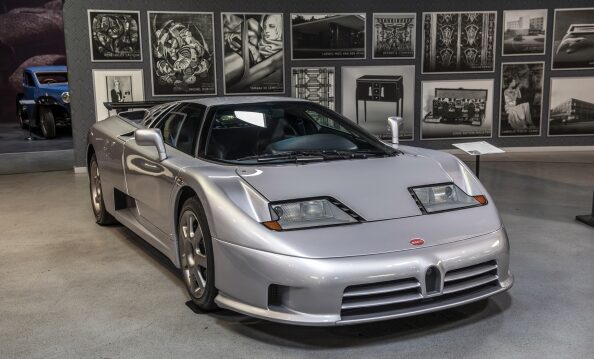
The 1994 Bugatti EB 110 Supersport ‘Le Mans.’Ā (Mullin Automotive Museum)

Several of the automobiles in the collection are champions from concours events around the world, and many have won historic races, such as Grand Prix de Pau and the 24 Hours of Le Mans.

Among the Concours ā€œBest of Showā€ winners are the 1936 Bugatti Type 57SC Atlantic, 1938 Hispano-Suiza Dubonnet H6B ā€œXeniaā€ and the 1937 Talbot-Lago T150-C-SS Goutte d’Eau. Also on view is the 1994 Bugatti EB 110 Supersport ā€œLe Mansā€ and what is considered to be the world’s most extensive collection of Bugatti artwork, sculpture and furniture.

View the museum’s YouTube series here.

Covid precautions

The museum will follow health and safety guidelines set by the Centers for Disease Control and Prevention, State of California and County of Ventura to help reduce the spread of COVID-19. Staff members, docents, and visitors will have their temperature taken prior to entry and must always wear protective face coverings. No personal items such as purses, bags or backpacks will be allowed in the museum. Additionally, the museum will enforce social distancing guidelines of at least 6 feet between unrelated groups. The museum will also increase the frequency of routine cleaning and provide hand sanitizer stations throughout the facility.

ā€œAs we welcome back guests, we will continue to prioritize the health of our community, visitors, volunteers, and employees,ā€ said Mullin Automotive Museum Founder and Executive Director Peter Mullin. ā€œWe are more excited than ever to reopen our doors and continue sharing our passion for the automobile.ā€

The museum also has relaunched its website, which offers an all-new user experience and online shopping cart. The new site features an archive of the museum’s collection — complete with high-quality studio images and placard information — and the ability to purchase books, museum merchandise, art, and accessories from the museum’s online store.

Tickets

Visitors must purchase tickets in advance on the museum website and tickets must be printed in advance. There are two weekend sessions: 10 a.m. to 12:30 p.m. and 12:30 p.m. to 3 p.m.

Ticket prices are $16 for adults, $14 for seniors and students and $10 for children ages 3-12 years. At this time, docent-led tours will not be available.

For tickets and more information visit MullinAutomotiveMuseum.com. The museum is located at 1421 Emerson Avenue, Oxnard, Calif. 93033.

Canoo EV pickup world premiere

Canoo EV pickup world premiere

Innovations elevate the Canoo EV pickup truck to disruptor status

A Canoo EV camper

The purpose-built Canoo EV pickup truck amplifies ā€œcab-forwardā€ design and was engineered for maximum cargo capacity on the smallest footprint possible. (Photos courtesy of Canoo)


BY MARK MAYNARD

If a 1950s cab-over-engine White truck mated with a 1960s drop-side VW transporter, the offspring might look something like the Canoo EV pickup.

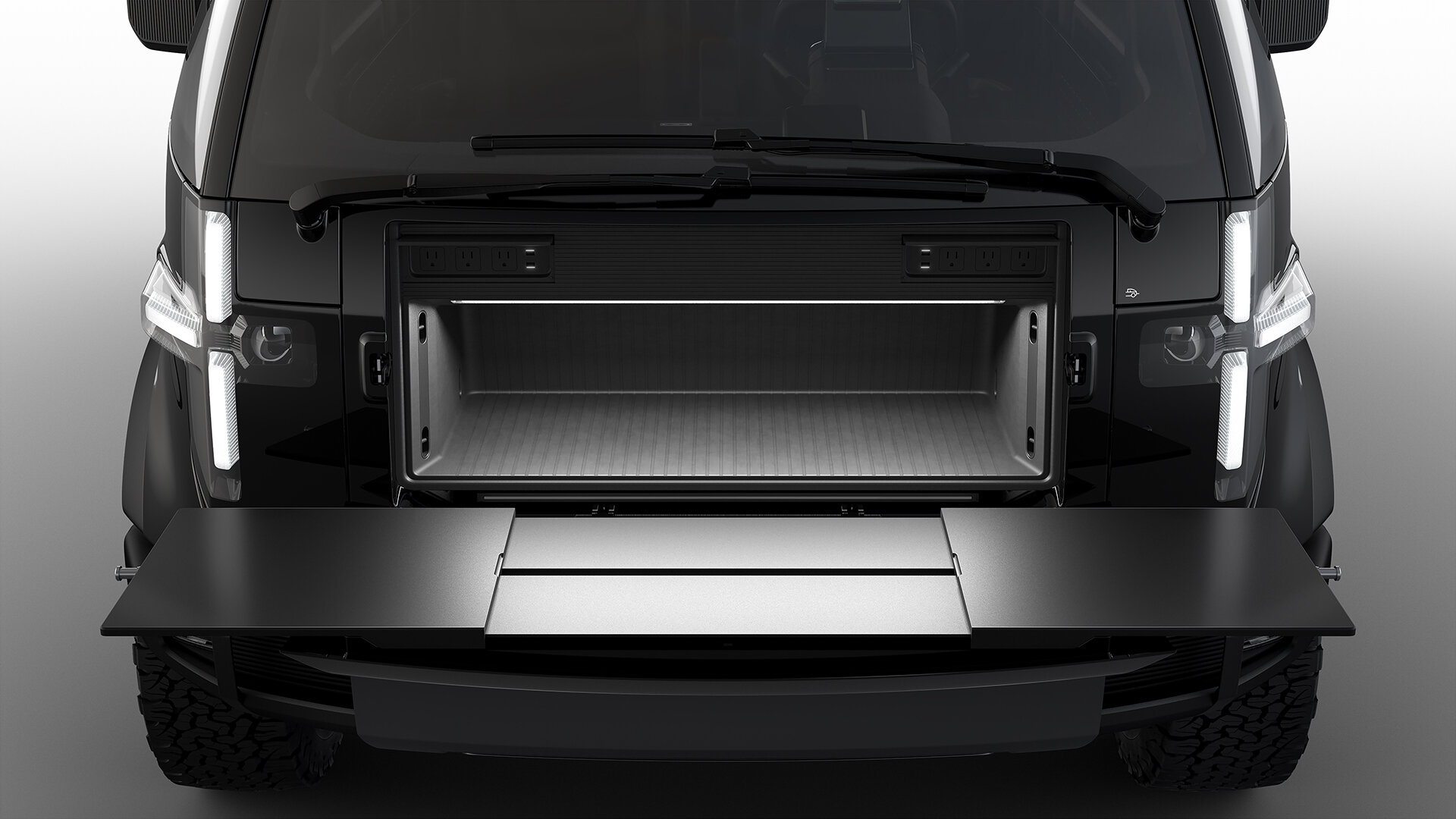
The purpose-built Canoo pickup truck amplifies the design statement of ā€œcab forwardā€ and was engineered for maximum cargo capacity on the smallest footprint possible, the company says. Some of the Canoo features include workbenches with power plugs, tool storage areas, front and rear trunks, and a modular expandable bed.

A side view of an extended-cab Canoo pickup

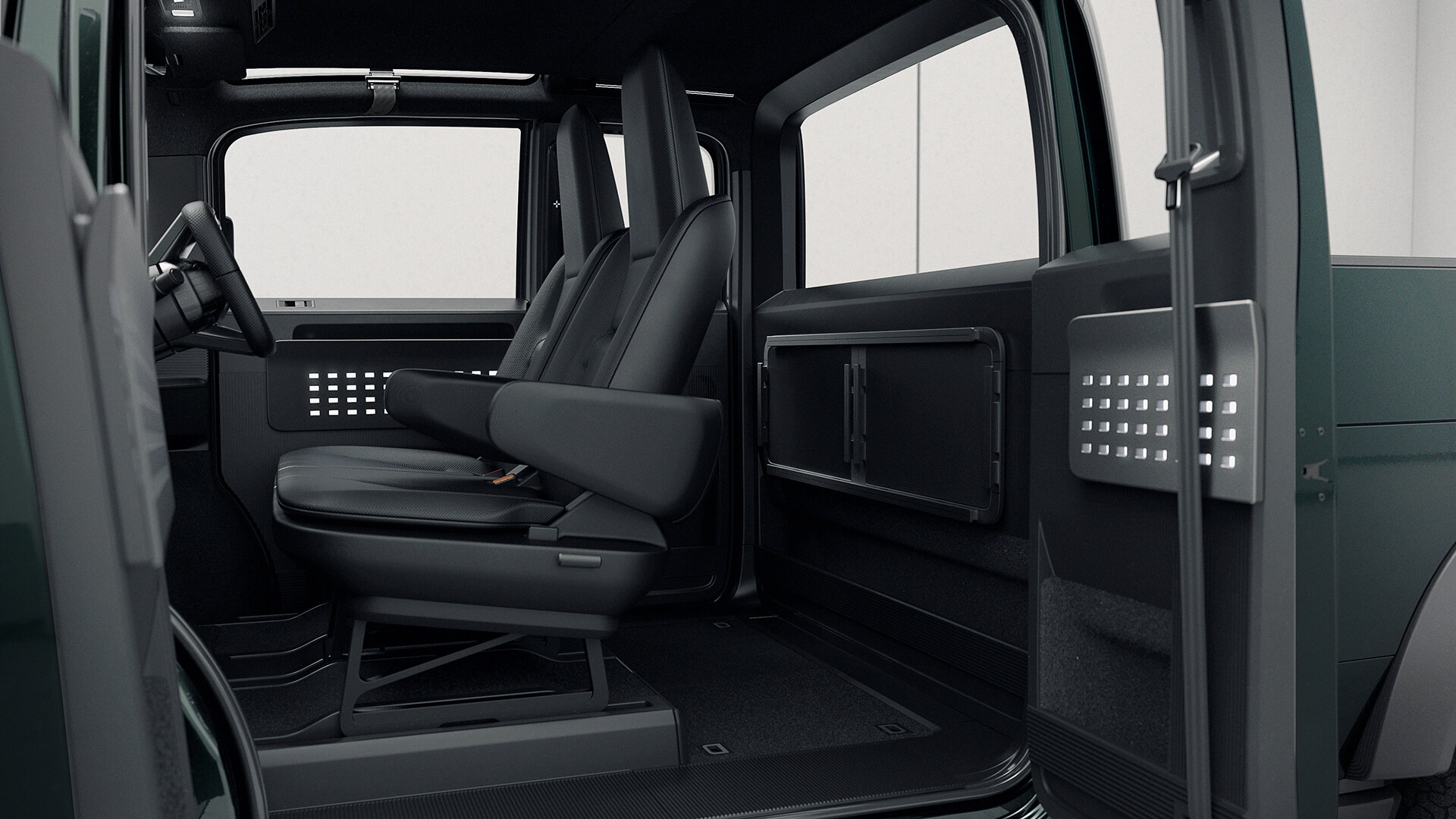
The Canoo EV will be sold in regular- and extended-cab models, with a bench seat or buckets.

The modular electric platform will be the architecture for a passenger van, a cargo van and the pickup, which will be first to market. The production version of the pickup will open for preorders in the second quarter of 2021, with deliveries beginning as early as 2023.

It will be sold in regular- and extended-cab models, with a bench seat or buckets. The powertrain can be configured for rear- or all-wheel drive with rear or dual motors. Horsepower is 300 with an estimated 332 foot-pounds of torque, the company says.

A front view of the pickup

The signature headlights and taillights will serve as core brand identifiers without the need for a logo.

Canoo EV pricing has not yet been released. But ownership will be through a month-to-month subscription with no set end date. The subscription may include services such as registration, maintenance, insurance management, and charging — all from the app, the company says.

While there will be several new EV pickups to make their debuts in about the same timeframe (including Bollinger, Ford F-150, GMC Hummer EV SUT, Lordstown Endurance, Rivian, Tesla), some of the designs are familiar and appear to be based on existing SUV or pickup platforms.

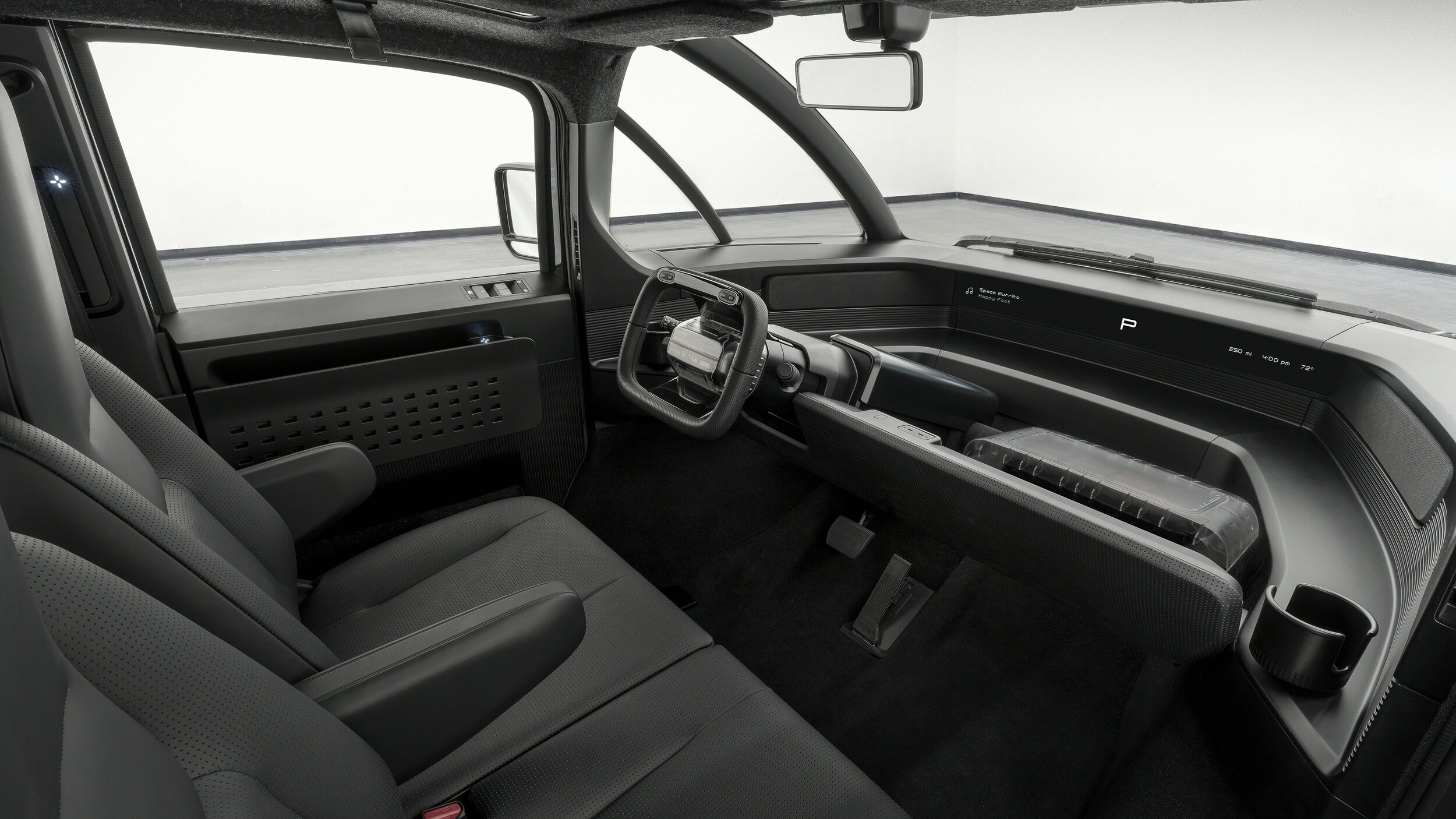
The driver area of the Canoo cab

The cabin is lined with durable trim and materials.

Canoo EV Pickup Innovations

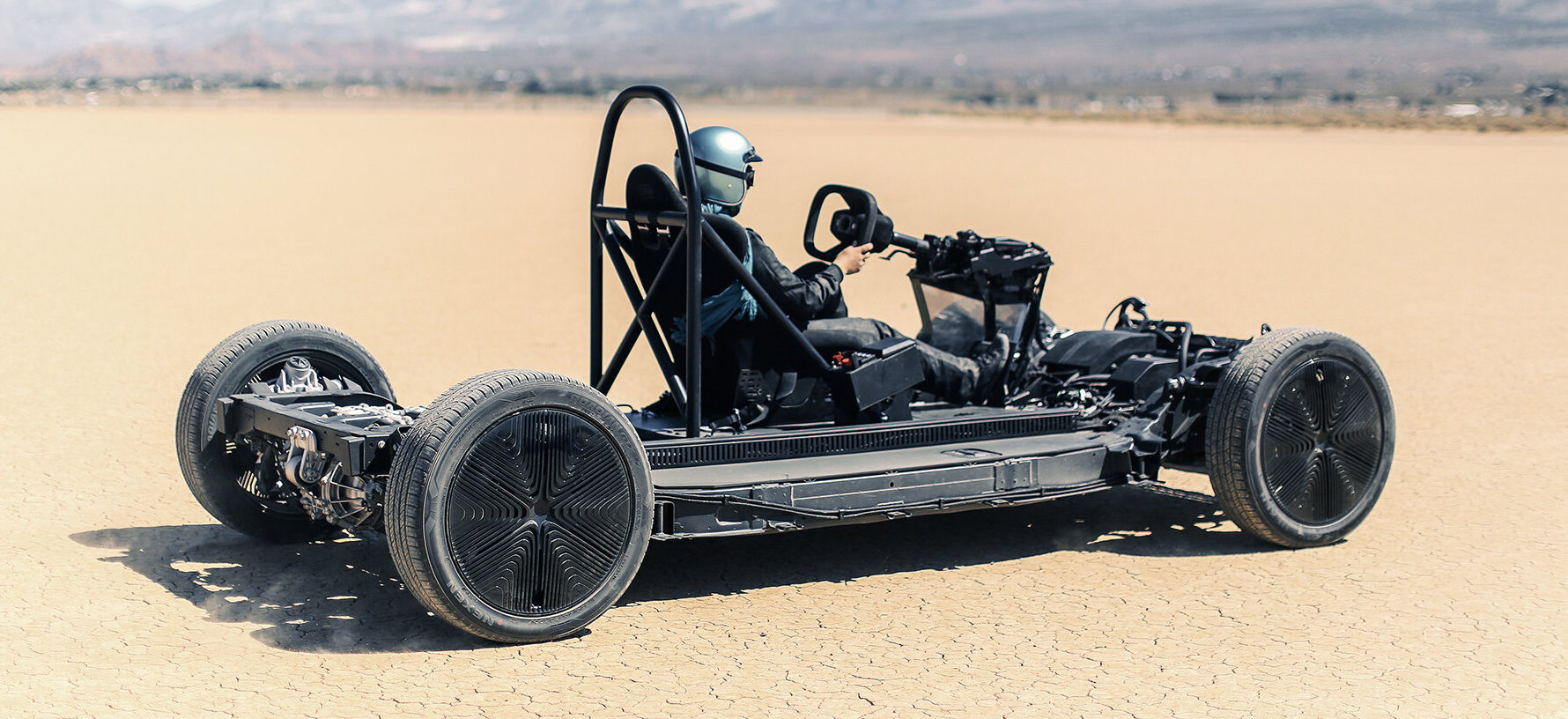
There is nothing routine or repurposed about the Canoo pickup. Using a ā€œskateboardā€ powertrain arrangement, the chassis is a self-contained unit that can be driven on its own with any cabin placed on top. The company refers to the various cabins as ā€œtop hats.ā€

The Canoo EV pickup has 35 percent fewer parts than a non-EV truck, the company says, but it has the payload (1,800 pounds) of a full-size.

A view inside of the extended-cab model

The pickup will be offered in regular- and extended-cab models.

The steel chassis for the ā€œskateboardā€ architecture has a thermoplastic polymer outer skin. With a base curb weight of 4,453 pounds, the company estimates a driving range of 200-250 miles. The base battery is 80kWh, and an upgradable battery pack will be offered.

Workbenches at the front and rear tailgates have with power plug-ins

Workbenches at the front and rear tailgates have with power plug-ins.

The pickup presents several innovative utility features. Among them:

  • A drop side worktable;
  • Workbenches at the front and rear tailgates, with power plug-ins;
  • Seating for two to four, with a bench or bucket seats and a rear-hinged back door.
  • Integrated exterior toolboxes that double as side steps
  • Compartmentable 6-foot bed, with slideout for 8 feet. The bed length is extended by manually pulling out a section of floor at the rear tailgate that integrates for a flat floor.
  • Overhead and perimeter lighting, to view bed contents.
  • Camper shells in various sizes.
The pickups Drop-side work tables.

Drop-side work tables.

Public Viewing

Future subscribers will have the chance to learn more about the Canoo vehicles and the brand’s philosophy this fall at two public events on a Southern California tour:

Sept. 19: The Abbot Kinney Festival in Venice, Calif.

Oct. 20: The Car Classic at the ArtCenter College of Design in Pasadena, Calif.

Skateboard Powertrain

The Canoo platform integrates all critical components of an electric powertrain to be as flat and efficient as possible. The ā€œskateboardā€ is a self-contained unit that can be driven on its own with any cabin placed on top.

The SkateKart illustrates how the Canoo platform can be driven without a 'top hat' cabin.

The SkateKart illustrates how the Canoo platform can be driven without a ‘top hat’ cabin.

Traditional EV platforms have power units, shock-absorber towers, and mechanical steering columns that protrude into the vehicle and take up space. By incorporating steer-by-wire and other space-saving technologies, and no engine compartment, the company says, the Canoo EV pickup has a flatbed size comparable to America’s best-selling pickup truck, but on a smaller footprint. This makes the vehicle easier to maneuver and more convenient to drive and park in any terrain.

The Canoo seven-passenger minivan

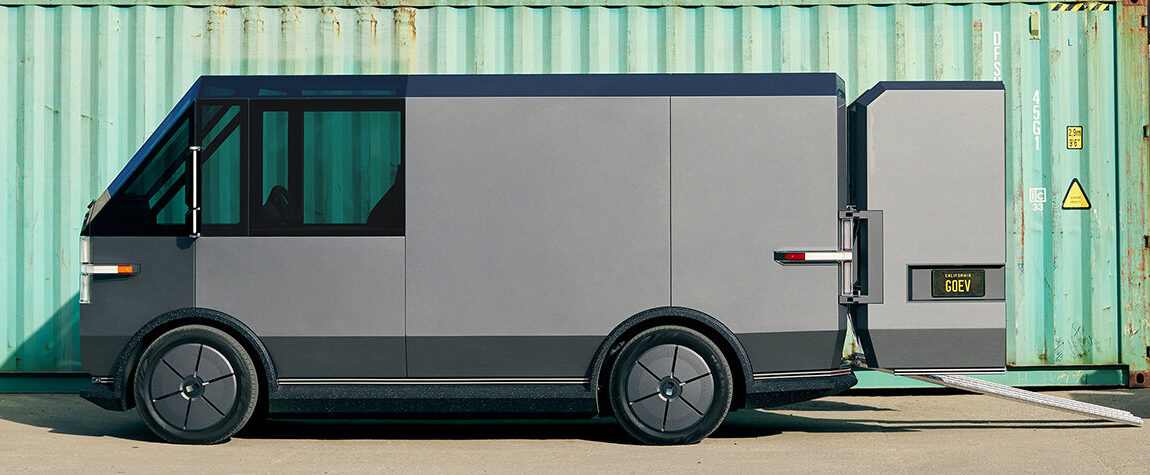
Among the Canoo EV body styles will be a seven-passenger minivan and a multi-purpose delivery vehicle (below).

 A Canoo multi-purpose delivery vehicle

Canoo EV Cabin Design

All Canoo EV vehicles will share the same underpinning and different cabins or ā€œtop hatsā€ that can be married to create unique vehicles.

ā€œWe have complete freedom to locate the steering wheel to suit any cabin design and driver position. It also leads to a more responsive and smoother driving experience. Because steer-by-wire eliminates the need for a mechanical connection, there is more freedom to arrange the interior space of the vehicle to provide customers with exciting new vehicle options,ā€ the company said in a release.

Perimeter lighting along the Canoo pickup bed

Perimeter lighting.

The wide-view passenger compartment maximizes driver visibility, with advanced lighting technologies for adaptive safety. The company’s signature headlights and taillights are core brand identifiers without the need for a logo.

Beyond just storage, the front surface of the vehicle has been extended to better protect the headlights and windscreen.

The bumpers feature integrated tow hooks, with front fog lamps. There are metal skid plates at the front and rear. The cabin is lined with durable trim and materials.

The extended cab model has two seats in the front with a customizable rear compartment that can accommodate two additional seats or support additional purpose-built use-case configurability.

Driver-Assist Systems

Canoo claims to one of the first companies to integrate two commonly used technologies — advanced driver-assistance systems (ADAS) and Driver Monitoring, the company says.

The system uses seven cameras, five radars, and 12 ultrasonic sensors.

The cameras provide surround-view images to the perception system while the
radars provide 360 degrees of sensor data to measure the speed and distance of other vehicles or objects. The ultrasonic sensors provide short-range distance measurements for parking maneuvers.

The suite of sensors is class-competitive to other Level 2+ systems, the company says, and can be upgraded as technologies evolve.

Full specifications for the Canoo EV will be revealed closer to production.

For more information: www.canoo.com

Debut of ā€˜Opposites United’ Design Philosophy Showcased In New EV6

Debut of ā€˜Opposites United’ Design Philosophy Showcased In New EV6

First images of the Kia EV6 introduce new design philosophy for all future vehiclesĀ 

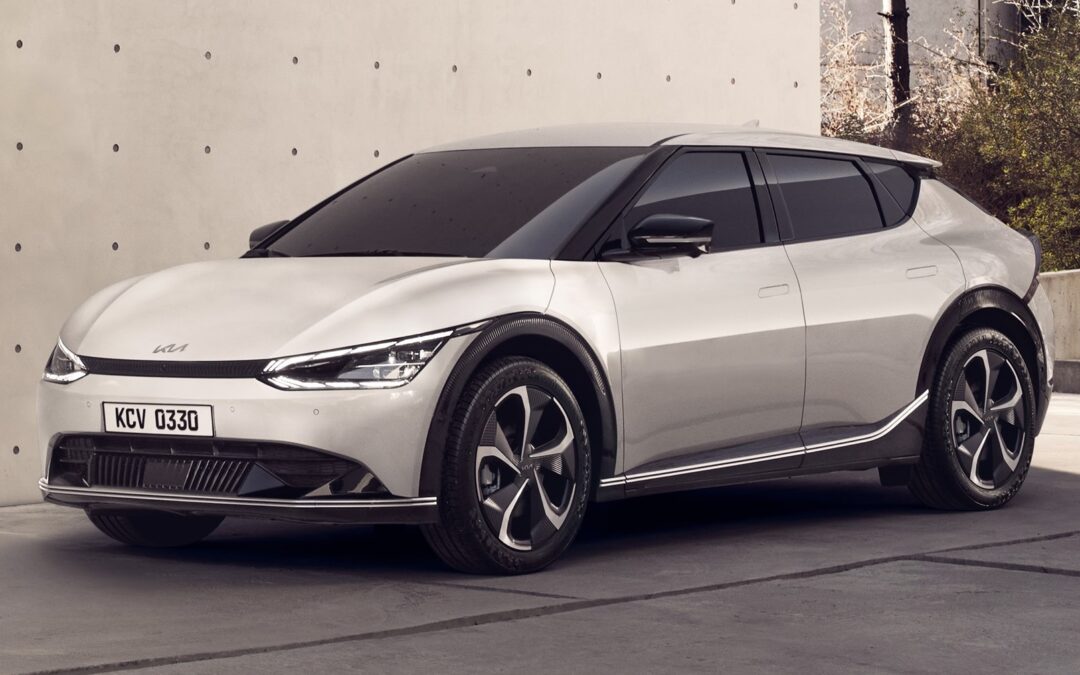
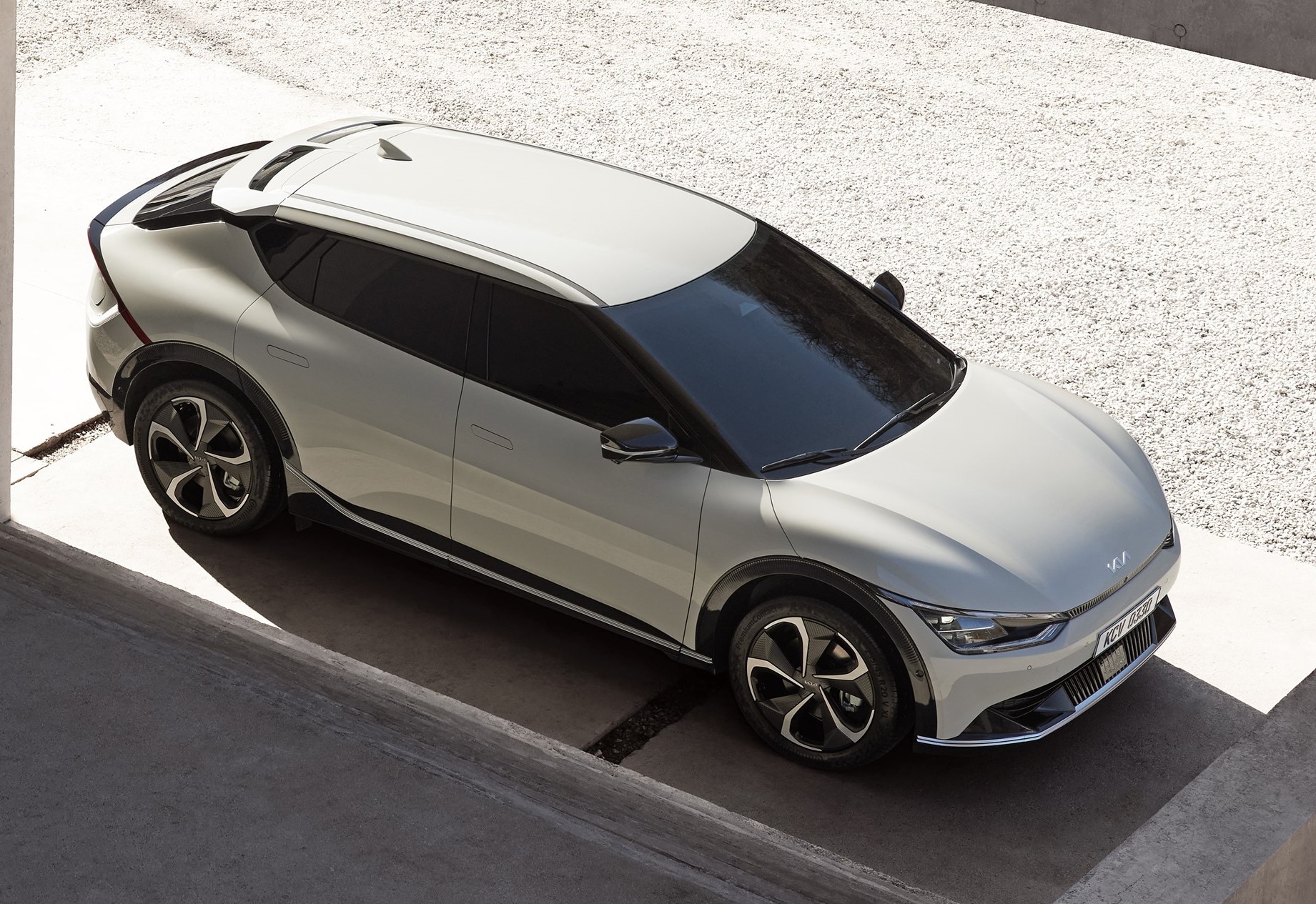
Kia’s just-announced design philosophy, ā€˜Opposites United,’ will be applied to all future vehicles. The Kia EV6 is shown. (Photos courtesy of Kia)
BY MARK MAYNARD

The first images of the Kia EV6 were just released by the Kia Corp. The car’s world premiere will be later this month in a special online event.

The Kia EV6 is a showcase to introduce the brand’s ā€œOpposites Unitedā€ design philosophy. The treatment will be applied to all Kia models as the brand’s focus shifts toward electrification.

An overhead view of Kia's new electric car

The “Opposites United” design elements were inspired by contrasting elements of nature and humanity, Kia says.

The crossover-inspired design of the Kia EV6 is based on the brand’s new Electric-Global Modular Platform (E-GMP).

ā€œEV6, as the first dedicated Kia EV, is a showcase of human-centered, progressive design and electrified power. We strongly believe EV6 is a compelling and relevant model for the new EV market,ā€ said Karim Habib, senior vice president and head of the global design center. ā€œWith EV6 we aimed to create a distinctive, impactful design by using a combination of sophisticated, high-tech features on pure and rich volumes while providing a unique space as a futuristic EV.ā€

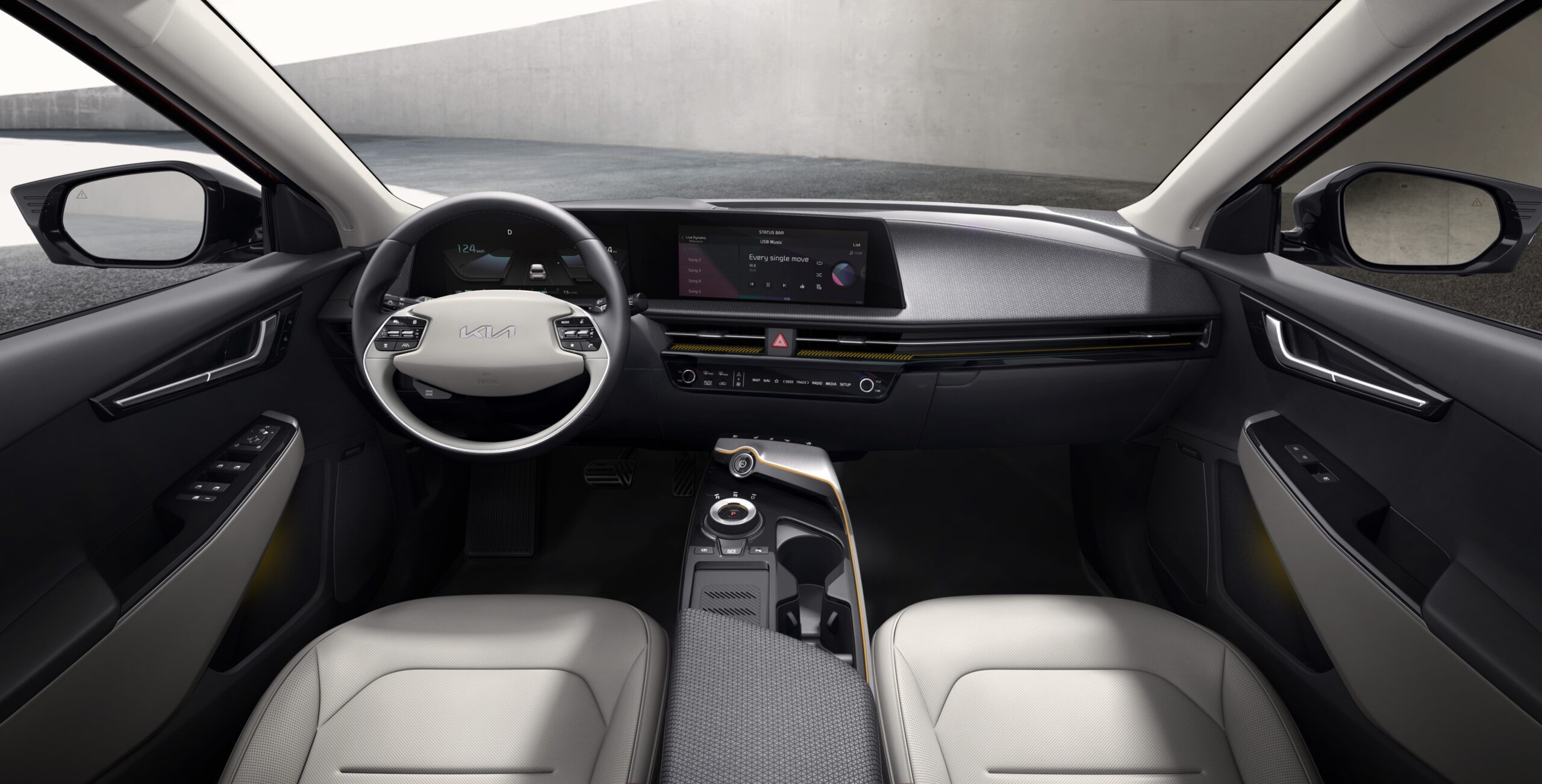
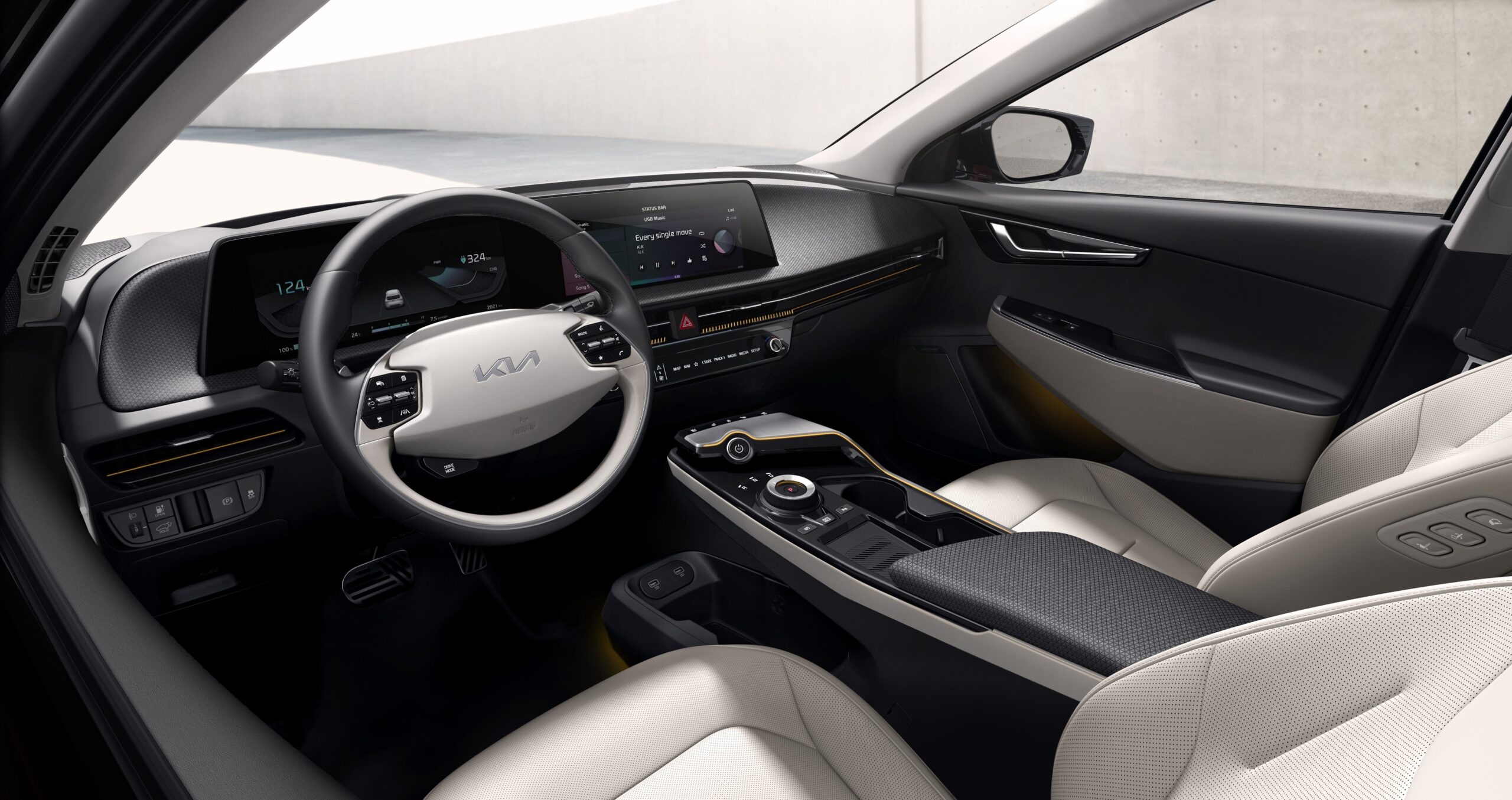
The EV6 front-seat area

The interior of the Kia EV6 is spacious because the EV platform does not have to accommodate intrusions by engine, transmission, and exhaust.

5 Design Pillars

The philosophy’s five key design pillars are Bold for Nature, Joy for Reason, Power to Progress, Technology for Life, and Tension for Serenity.

Bold for Nature: Organic yet technical structures and finishes for vehicle interiors; exterior designs are characterized by clear and simple lines with bold surfaces.

Joy for Reason: To relax and inspire the mood of passengers. Highlights include new organic materials and more daring colors.

Power to Progress: Building on the brand’s current design strengths, the designs will draw on experience and creativity to invent and innovate new designs.

Technology for Life: The next-generation in-car user experience (UX) applies design and innovation with advancements in lighting, feel, and in-car connectivity.

Tension for Serenity: Striking design concepts use sharp, technical details to create surface tension.

ā€œWe want our products to deliver an instinctive and natural experience that improves the daily lives of our customers. Our aim is to design the physical experience of our brand and to create original, inventive, and exciting electric vehicles. The ideas of our designers and the purpose of the brand are becoming more connected than ever, with our customers at the center of what we do and influencing every decision that we make,ā€ said design boss Habib.

The driver area.

Organic yet technical structures and finishes will define interiors. (Kia)

Powertrain details have not been released, but the Kia EV6 likely shares an architecture with corporate partner Hyundai and its Ioniq 5, which will go on sale this fall.

More detail on the ā€˜Opposites United’ philosophy is revealed in this Kia design manifesto film.

Hyperion Motors team out testing hydrogen-powered supercar in L.A.

Hyperion Motors team out testing hydrogen-powered supercar in L.A.

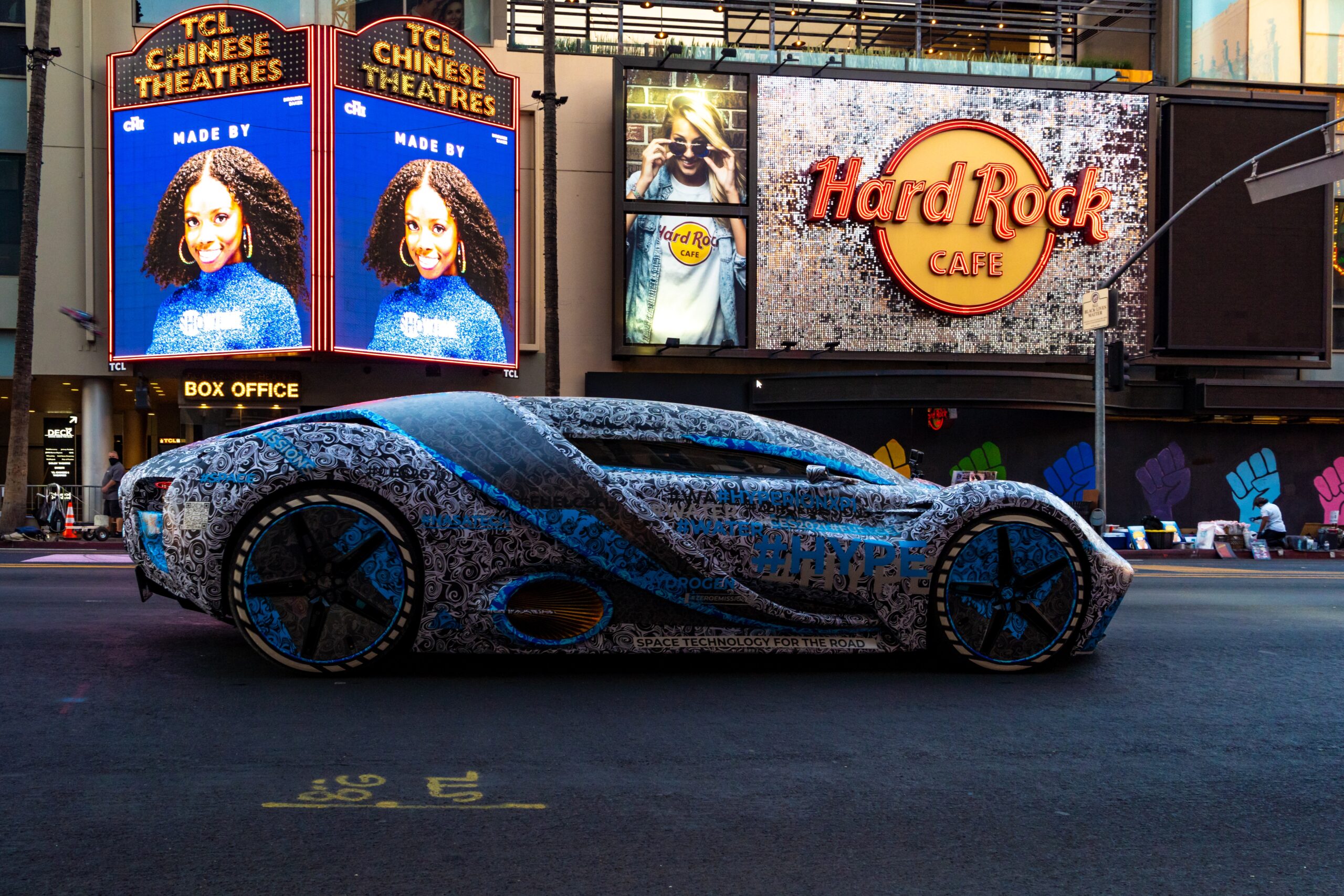
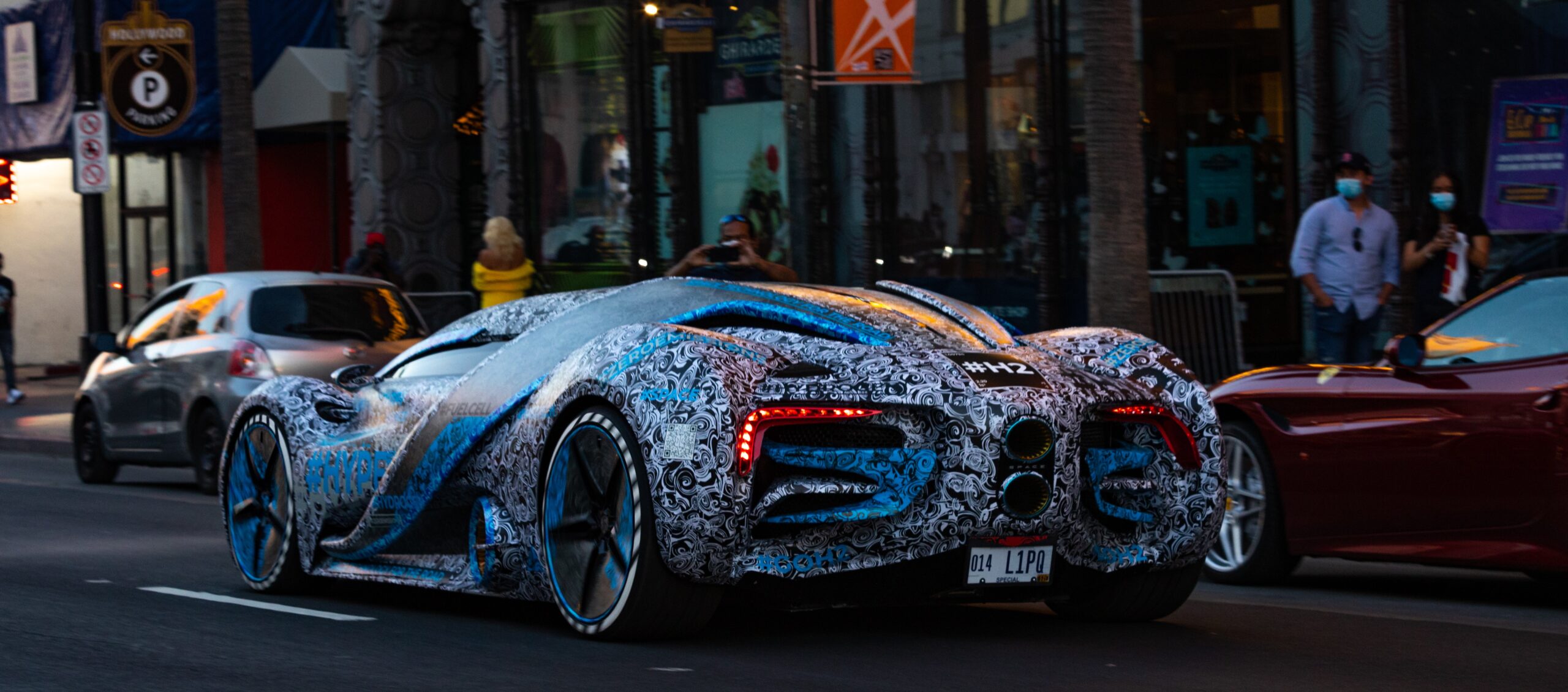
The two-seat sexjet is claimed to have a range of 1,000 miles with a recharge time of 3-5 minutes. (Hyperion)

Hyperion Motors team out testing hydrogen-powered supercar in L.A.


BY MARK MAYNARD

The Hyperion Motors team was out and about downtown L.A. testing its hydrogen-powered supercar, the XP-1, and leaked these camouflaged photos. (And there are more glam shots and some details at the website. )

The company says it is uses space flight technology to store more hydrogen in less volume than any other vehicles on the road today.

The glass-canopy roof allows a wide field of view and is made of variable-tint electrochromic glass. (Hyperion)

The two-seat, all-wheel-drive sexjet is claimed to have a range of 1,000 miles with a recharge time of 3-5 minutes. It can accelerate from 0-60 mph in 2.2 seconds and has a top speed of 220 mph.

The monocoque chassis is an ultralight structure of titanium reinforced carbon fiber, all for the benefit of acceleration, braking, handling, top speed and efficiency, the company says. Its estimated curb weight, according to magazine reports, is less than 2,275 pounds.

The glass-canopy roof allows a wide field of view and is made of variable-tint electrochromic glass. The instrument panel is a 100-inch touch screen with gesture control.

The monocoque chassis is an ultralight structure of titanium reinforced carbon fiber. (Hyperion)

Its V-wing doors have a dramatic effect, inspired by the huge marble sculpture of the ā€œWinged Victory of Samothrace,ā€ dating from the early second century BC. (On view in the Louvre museum in Paris.)

The company was founded in 2011 by a team of PhD’s as a technology company focused on three divisions: Hyperion Energy, Hyperion Motors and Hyperion Aerospace. All work on hydrogen-based power and delivery.

Based in an Orange, Calif., industrial park, about 30 miles from L.A., ā€œHyperion seeks to completely revolutionize the transportation industry by offering convenient, high-quality, low-cost hydrogen fuel across America,ā€ according to the website.

The team is hoping to start a limited production run sometime in 2022. Pricing has not been discussed, but I’m sure it’s a proposition of ā€œIf you have to ask, you should probably should consider instead a Toyota Mirai.ā€

MarkMaynard@cox.net