Select Page

Kia Forte S Review

Kia Forte S Review

The 2019 Kia Forte has a more efficient four-cylinder engine, a new continuously variable transmission, and a considerable bite of Stinger styling

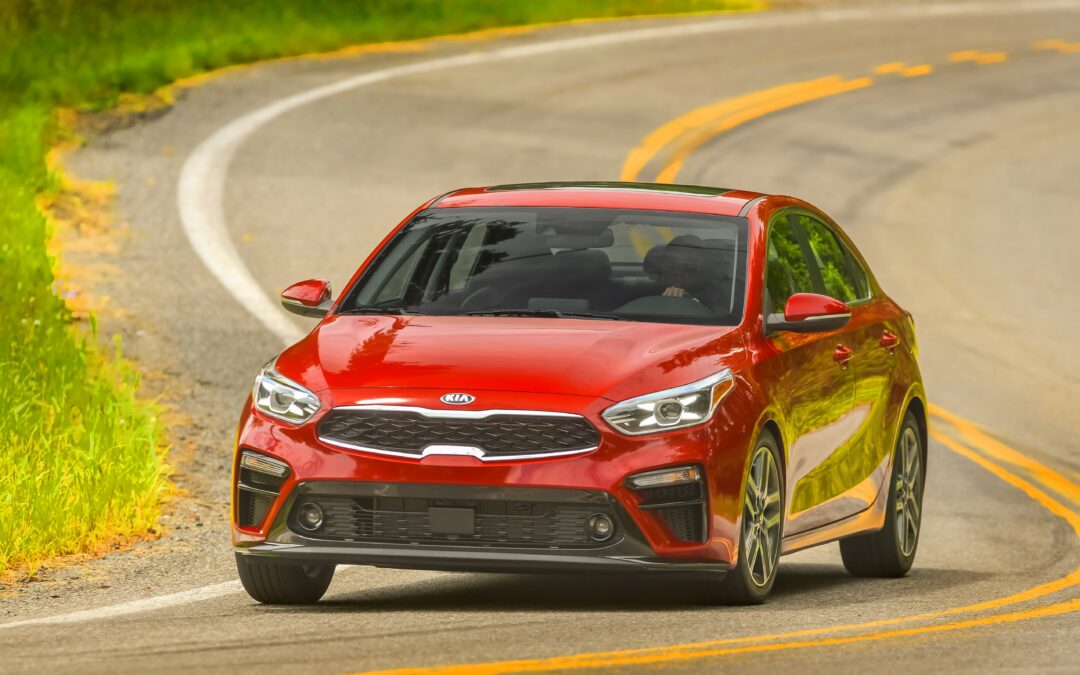
A front view of the 2019 Kia Forte on a winding two-lane roadd

Pricing for the redesigned 2019 Kia Forte starts at $18,585. (Photos courtesy of Kia America)

BY MARK MAYNARD

Starting the morning with a fuel readout of 411 miles till empty is a happy start to any commuter’s day. That message greeted me in my first drive of the redesigned 2019 Kia Forte sedan, which has a highway fuel-economy rating of 40 mpg.

But Kia is adamant that its Stinger-influenced Forte is more than “just a commuter car.” It is, but with a more efficient four-cylinder engine, a new continuously variable transmission engineered by Kia-Hyundai and a 14-gallon tank with a possible driving range of more than 500 miles. So forgive those with hypermiling commuters who seek Forte’s mpgs, range, looong new-vehicle warranty and at a tempting price.

The trouble with sedans, large or small — and no matter how well done — is that four-door cars are being bypassed for SUVs, small ones or large. No matter that a small SUV costs more than a comparably sized sedan. According to the latest tally by Kelley Blue Book, the average price of a new compact car is about $20,500 and the average price of a compact SUV crossover — is $28,409.

The front seats of the Kia Forte

Much design effort went into creating a heads-up driver area.

Kia Niro Pricing

The 2019 Forte is sold in four, front-wheel-drive trim levels with automatic or manual transmissions. Starting prices range from $18,585 for the entry FE with six-speed manual to $22,885 for the EX with CVT, leatherette upholstery and smartkey locking and push-button ignition. Pricing includes the $895 freight charge from Pesqueria, Mexico.

The warranty is for 5-years/60,000-miles bumper to bumper with roadside assistance and 10-years/100,000-miles for the engine powertrain.

The midrange Forte S tester ($21,085) was $22,410 with two options: carpeted floor mats, $125, and the S Premium package, $1,200, which adds a power sunroof and LED interior lighting and LED headlights with high-beam assist.

Check current Kia Niro pricing here.

Cabin controls in the Kia Forte

The shifter console has an accommodating e-bin.

The Forte Redesign

Kia did a good job in re-creating the third-generation Forte with its Stinger-infused styling elements — Stinger is Kia’s performance-tuned five-door coupe hatchback that has gotten rave reviews but not big sales numbers.
The wireless charging pad

The shifter console has an accommodating e-bin with charging pad.

But the Kia Forte is a functional family car and an ideal ride-hailing car. The redesign increased its length by 3.2 inches, which went toward more rear legroom and trunk space, now at 15.3 cubic feet — and larger than many full-size sedans. While the wheelbase stayed the same at 106.3 inches, the car is about three-quarters of an inch wider, a bit taller and about 93 pounds lighter.

Much design effort went into creating a heads-up driver area for eyes on the road. The 8-inch center touch screen in the instrument panel is about parallel with the gauge array facing the driver. Eyes move easily left to right and back. Sightlines are reasonably open but the outstretched windshield pillars have a wide base at the side mirrors that can block clear views of pedestrians in crosswalks. The plastics, fabric and headliner are of premium materials and appearance. Nothing looks or feels cheap.

The firm fabric seats are comfortably bolstered, but those on the long haul might wish for more lower-back support or adjustable lumbar. The shifter console has an accommodating e-bin with USB, audio aux-in and two 180-watt 12-volt plugs, plus a tray to rest a phone, which can be optioned for wireless charging. (But there are no back-seat charging ports on the S model.)

The Forte engine

The 147-hp, Atkinson-cycle 2.0-liter engine has fuel economy ratings of 30 mpg city, 40 highway and 34 mpg combined, on 87 octane.

The cabin has more soundproofing and the ride quality is comfortable. The rear torsion-beam suspension is a budget choice, but it allows an improved and flatter trunk space.

There are just enough electronic technologies to the Sport model to enhance without overwhelming the driver. Standard equipment includes remote locking, projection headlights, fog lights, LED taillights and running lights, rearview camera, AndroidAuto or Apple CarPlay infotainment systems, manual height-adjustable driver’s seat, 60/40 folding back seat, and steering wheel controls for Bluetooth, audio and cruise.

The Forte back seat

Back seat legroom is long, with a max of almost 35 ½ inches.

The new body has 54 percent more high-strength steel and is 16 percent stiffer, which always helps durability way down the road. Safety features are substantial for an economy car, including forward collision avoidance warning and assist, lane-departure warning and driver attention warning.

Stopping power is confident from four-wheel disc brakes with 11-inch vented front rotors and 10-inch solid rotors rear. The 34.8-foot turning circle is urban-friendly.

Kia Forte Powertrain

The much-revised, Atkinson-cycle 2.0-liter engine has the same power ratings as before but better fuel economy. The Atkinson-cycle technology is frequently used with gasoline-electric hybrids. It uses less fuel and generates lower horsepower but higher mileage ratings. And that’s pretty much how the 147-horsepower engine performs, mileage over muscle. But, oddly, there is no auto stop-start at idle (It is under study, Kia said).
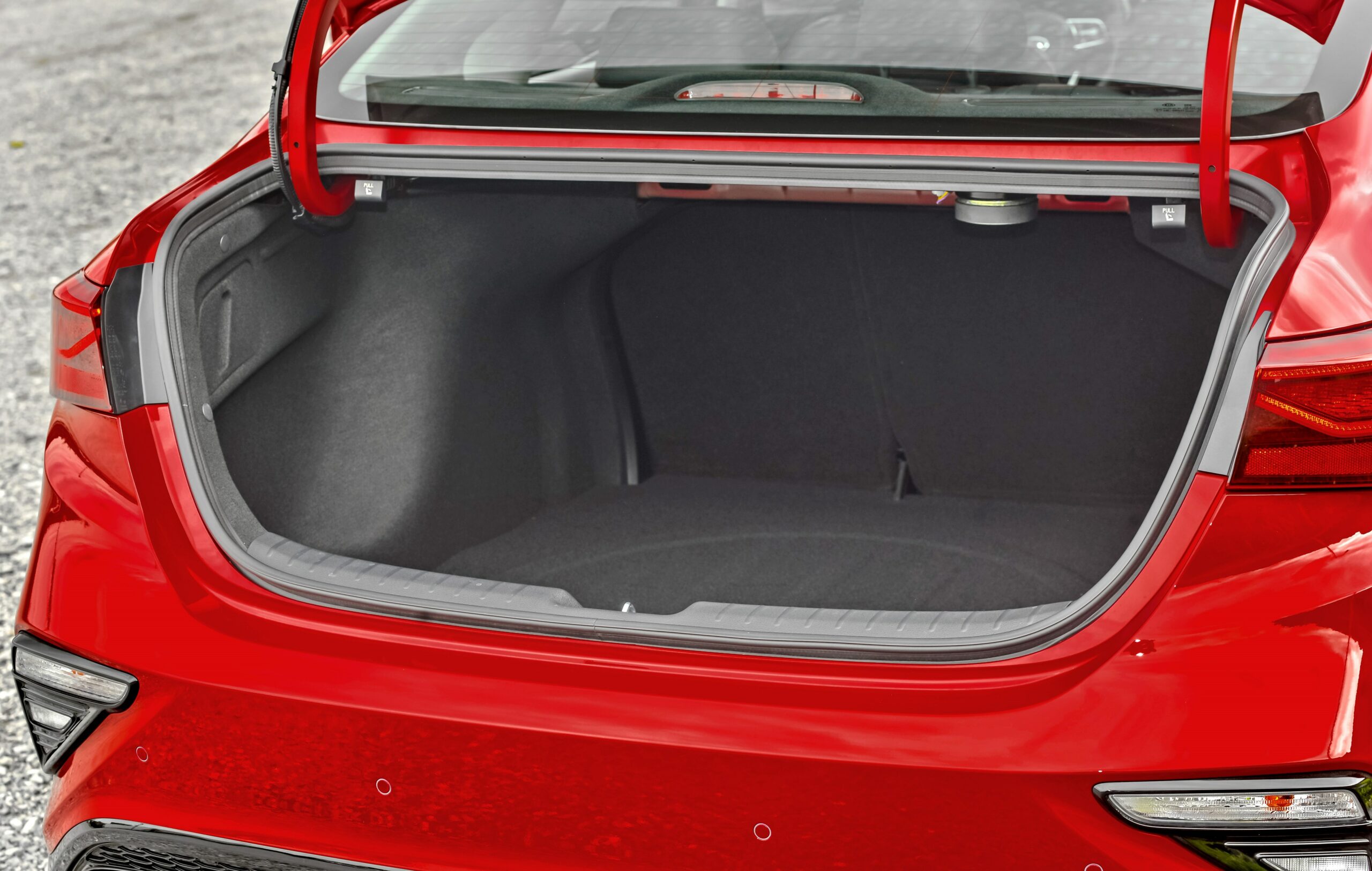
An open truck of the Kia Forte

Trunk space of 15.3 cubic feet is larger than in many full-size sedans.

Power delivery gets an assist from the re-engineered CVT automatic transmission, which Kia calls Intelligent Variable Transmission. The revisions were to take away the wail and the uneven rubberbanding of acceleration common to most CVTs. The initial start out has a quicker response, but there’s no denying it’s a CVT. Its standard drive mode is for maximum mileage, but punching up the Sport mode adds just enough urgency to guard your line in the commute. Kia says the engine and IVT are “Smart Stream” powertrains that will make their way into the Kia lineup in the future.

Forte’s curb weight is trim at 2,762 pounds, to benefit mileage. Fuel economy ratings with the CVT are strong at 30 mpg city, 40 highway and 34 mpg combined, on 87 octane. I was averaging 24.8 to 32 mpg with limited highway driving and mostly in Sport mode.

The base FE model can be ordered with a six-speed manual with 15-inch wheels. Its fuel economy is 27/37/31 mpg, so I’m not sure what incentive there is to go manual.
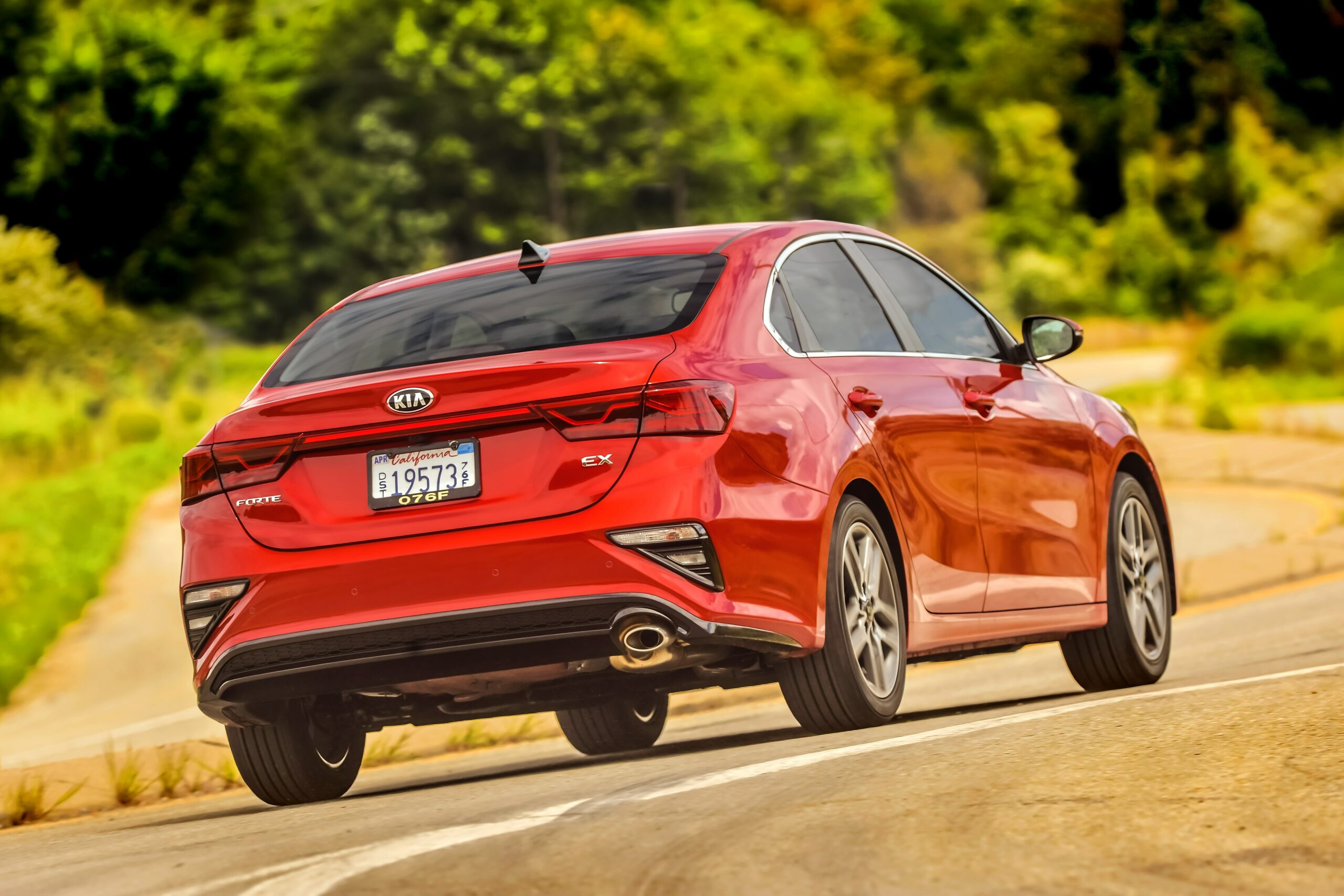
A rear view of the Kia Forte

The redesigned 2019 Kia Forte is an attractive car at a reasonable price.

Back Seat and Trunk Space

Whether picking up paying passengers or in the school carpool, the back seat legroom is long, almost 35 ½ inches, with tall headroom (37.5 inches). The bench seat has adult-class thigh support and a relaxed seatback angle. Extras include a well-padded center armrest, overhead lights and grab handles, but no USB or 12-volt charging ports.

The trunk has useful storage under the floor — because there is no spare tire, just a flat-tire inflating system.

You can’t always get the SUV you want for $22,000. But the Forte’s complete remodel makes a competent, comfortable and attractive car, whether as commuter, family sedan or ride-hailer.

2019 Kia Forte S Specifications

Body style: compact, 5-seat, front-drive sedan

Engine: 147-hp, 2.0-liter Atkinson-cycle 4-cylinder; 132 lb.-ft. torque at 4,500 rpm

Transmission: CVT

Fuel economy: 30/40/34 mph city/hwy/combined; 87 octane or higher fuel

BY THE NUMBERS

Fuel tank: 14 gallons

Trunk space: 15.3 cu. ft.

Front head/leg room: 38.8/42.2 in.

Rear head/leg room: 37.5/35.7 in.

Length/wheelbase: 182.7/106.3 in.

Curb weight: 2,762 lbs.

Turning circle: 34.8 ft.

FEATURES

Standard equipment includes: remote locking, projection headlights, fog lights, LED taillights and running lights, 8-inch touch screen, rearview camera, AndroidAuto or Apple CarPlay, manual height-adjustable driver’s seat, fog lights, LED taillights and running lights, 60/40 folding back seat, steering wheel controls (Bluetooth, audio, cruise)

Safety features include: 6 air bags, forward collision avoidance warning and assist, lane-departure warning, stability and traction controls, hill-start assist, driver attention warning

PRICING

Niro Base price: $21,085, including $895 freight charge; price as tested $22,410

Options on test vehicle: S Premium package, $1,200, includes power sunroof, LED overhead interior lighting and LED headlights with high-beam assist; carpeted floor mats $125

Where assembled: Pesqueria, Mexico

Warranty: 5-years/60,000-miles bumper to bumper with roadside assistance; 10-years/100,000-miles powertrain
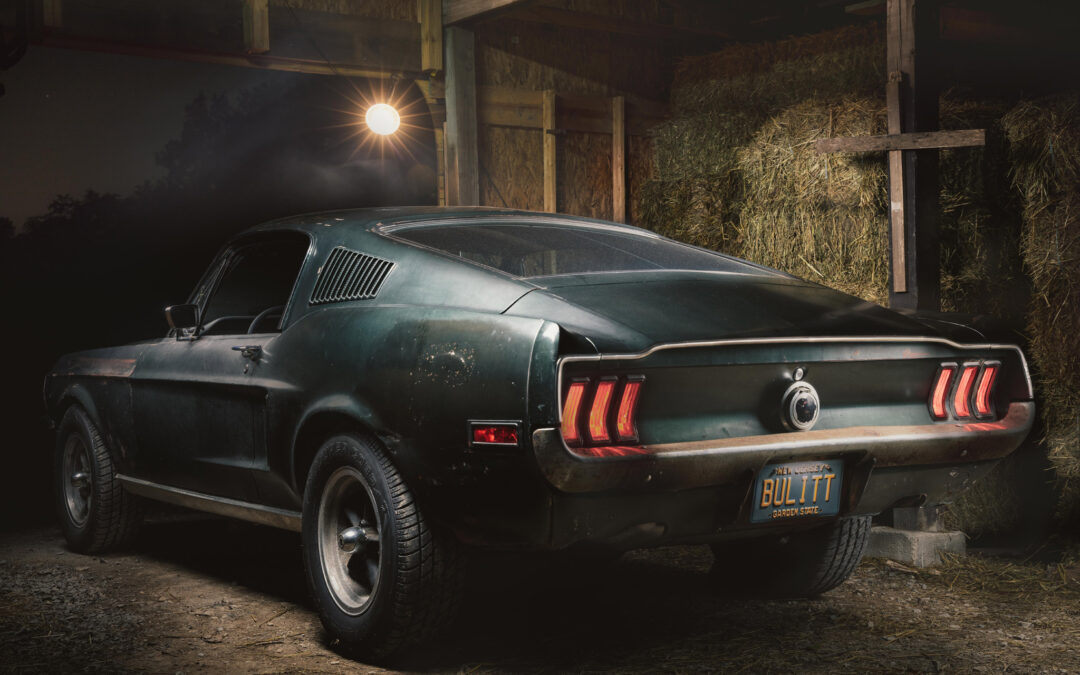
1968 Mustang GT “Bullitt” movie car

1968 Mustang GT “Bullitt” movie car

Long-lost Mustang Bullitt to be shown in San Diego, Nov. 4-19

The 1968 Bullitt Mustang movie car as found in Nashville, Tenn. A second car was used as the “jumper” and was found last year in Baja California.

BY MARK MAYNARD

There has been a lot of “Bullitt” engine-revving around the fastback’s 50th anniversary on Oct. 17. The hard-knuckled 1968 film centers on San Francisco PD Lt. Frank Bullitt (Steve McQueen) who was tasked with protecting a Chicago mobster who was about to sing his guts out. It is a gear-jamming 48-hour weekend of chasing the hitmen.

Good-guy McQueen drove a 1968 Ford Mustang 390 GT 2+2 Fastback. The bad guys drove a 1968 Dodge Charger 440 Magnum. The famous car chase lasted just 10 minutes and 53 seconds, but it lives in infamy.

Two identical 1968 Mustang GT fastbacks were used in the Warner Bros. movie. After filming, the cars went their separate ways: the hero vehicle driven by McQueen in the movie was sold by Warner Bros. to a private buyer, and the other — used in many of the jumps during the famous chase scene — was sent to a salvage yard. The jumper car resurfaced in Baja California in early 2017, but the other was lost to history. Until this year.

A Kiernan family collage with the famous Mustang.

Sean Kiernan, owner of the hero vehicle, inherited the car in 2014 from his late father, Robert, who had purchased the Mustang in 1974. To fulfill his family’s lifelong dream, Sean contacted Ford and the two parties worked together to reveal his movie star car alongside the new 2019 Mustang Bullitt at last year’s Detroit auto show.

“You know, it was never our intention to keep this car a secret from everybody,” Kiernan said in a release. “It just kind of happened with life. I’m just completely buzzing to join with Ford and the new Bullitt and show this car to the world on one of the biggest stages there is.”

Kiernan has followed through on his commitment to show the car and will display it — in its barn-find condition — at SEMA until Nov. 3. After the big aftermarket trade show, the car will be trailered to San Diego where it will be on display at the San Diego Air & Space Museum, in Balboa Park, from Nov. 4-19. Find it in the museum’s special display space, “SPEED: Science in Motion.”

But before being loaded into the museum, the famous Mustang will make a KUSI-TV appearance next Sunday morning.

The museum also will have a special VIP reception with Kiernan and the Bullitt on Nov. 15.

The San Diego Air & Space Museum is open from 10 a.m. to 5 p.m. daily (last admission at 4:30 p.m.), at 2001 Pan American Plaza, Balboa Park. Museum admission is $19.75, plus $5 for the “SPEED” exhibit.

 Infosandiegoairandspace.org/

The original 1968 “Bullitt” Mustang 390 GT 2+2 fastback with the 2019 tribute Mustang.

BULLITT50 Chronograph raffle

If you are a “Bullitt” aficionado who can recite movie quotes and specs about the cars and stars, this charitable raffle might be worth a ticket or 10.

Robert E. Kiernan Jr., owner of the original and recently re-discovered 1968 Bullitt Mustang, succumbed to Parkinson’s in 2014. In his honor, Drive Toward a Cure for Parkinson’s Disease has arranged a special tribute, with the support of Ford Motor Co., Warner Bros Studios and Chad McQueen.

For the fundraiser, BRM Chronographe and automotive artist Nicolas Hunziker have created a “one-of-one” hand-painted chronograph watch — valued at more than $35,000.

The watch, which includes a 1-gram paint chip from the car, will benefit Parkinson’s disease through the one-time raffle. Drive Toward a Cure will donate all raffle proceeds to the Michael J. Fox Foundation in his name.

Raffle tickets are $25 each and can be purchased as a direct donation to Drive Toward a Cure online at drivetowardacure.org. Just 1,968 tickets will be sold.

Robert’s son and current Bullitt caretaker Sean Kiernan will announce the winner of the BULLITT50 Chronograph at the Grand National Roadster Show in Pomona, Calif., on Jan. 27, 2019. The Highland Green Mustang, still with barn-find patina, also will be on view.

Mercedes-AMG E63 S: ridiculously powered, appointed and priced

Mercedes-AMG E63 S: ridiculously powered, appointed and priced

The Mercedes E-Class is a benchmark of luxury, but the split personality of AMG madness co-exists comfortably.

Nobody needs a big $145,000 Mercedes-AMG E63 sedan that gets to 60 mph in 3.3 seconds, but the performance division sold 1,378 vehicles in September and 20,738 year-to-date, which isn’t a bad payday.

And that is why most top-tier carmakers give such attention to ridiculously powered, appointed and priced cars.

“Customers know AMG is something exclusive,” said Bart Herring, sales chief at Mercedes-Benz USA. “And we have more opportunity to bring them into our brand with something more exclusive,” he said.

There is no such thing as a car for basic transportation today. Even the cheapest econoboxes are dressed in premium materials and advanced technologies. And that rising tide has forced the luxury brands to rise higher, too, including such incentives as subscription leasing and ultra-performance models as a status upgrade.

The flat-black treatment is more NASCAR than Germany with ghost racing stripes along the lower door panel and yellow accents to the flat paint, carbon-fiber exterior trim pieces.

Without getting political, the rich are only getting richer, not only here but abroad as well, especially in China, said industry analyst Ed Kim, of AutoPacific, Inc. “And, therefore, many of these customers need more exclusivity than what a standard E-Class or GLS-Class can provide,” he said in an email.

Today, the differentiators between mainstream and luxury have less to do with content and more to do with the experience, Kim said. It is about the less tangible things, such as materials choices, colors, interior smell, door close sound and feel and “the actual ownership and service experience.”

Status plays into this, he said, and Mercedes-Benz has found ways to give “higher net-worth customers something more unique and with more status than the basic $499-a-month E300 that upper middle-class lessees will stretch their budget to afford,” Kim said.

A suede-wrapped AMG steering wheel and AMG many-ways adjustable sport seats, including side bolsters.

AMG performance is a holy grail worldwide and the division fuels that interest with elite choices in coupe, sedan, convertible and wagon body styles. And new for 2019 is a midrange E53 model, with a new inline six-cylinder engine and 48-volt technology; it replaces the E43.

“These entry performance cars are huge for conquests,” Herring said. And the midrange offering forms a three-stage pricing tier: the entry E300 starts at about $60,000, the E53 at $70,000-$80,000 and the E63 at $100,000-$120,000, he said.

The black leather- and microsuede-paneled cabin has yellow dashpad stitching and trim.

The Mercedes E-Class is a benchmark of luxury, but the split personality of AMG madness co-exists comfortably. This week’s tester is a 2018 Mercedes-AMG E63 S sedan, starting at $105,395, including the freight charge from Sindelfingen, Germany. The tester was optioned as a sinister-looking, flat-black battleship with an as-tested price of $145,000.

Standard equipment includes Keyless Go smartkey locking and push-button ignition, Nappa leather, 12.3-inch multimedia screen, semi-autonomous driving technologies, self-parking, Car to X communication between other such-equipped cars on the road to send over-the-air traffic advisories to the driver.

The tester’s style treatment was more NASCAR than Germany with ghost racing stripes along the lower door panel and yellow accents to the flat paint, carbon-fiber exterior trim pieces. Fat quad exhaust tips enhance a wide and low stance. And 20-inch lightweight AMG wheels are track ready with ultra-high-performance 265/35 ZR Michelin Pilot Super Sport tires that are about 10 ½ inches wide.

The hand-assembled 4.0-liter V-8 is rated for 603-hp and 627 foot-pounds of torque from 2,500-4,500 rpm. The big car is capable of 0-60 mph in 3.3 seconds.

Inside, the black leather and microsuede-wrapped cabin has yellow dashpad stitching and trim elements, a suede-wrapped AMG steering wheel and AMG many-ways adjustable sport seats, including side bolsters — but with the hardest seat bottoms I’ve tested that weren’t in a race car.

The hand-assembled 603-horsepower, twin turbocharged and direct-injection 4.0-liter V-8 has a righteous 627 foot-pounds of torque from 2,500-4,500 rpm, with automatic stop-start at idle. The SpeedShift nine-gear automatic routes power to all wheels or just the rear wheels through the “intelligent” AMG Performance 4MATIC permanent all-wheel drive with a drift mode.

There are five performance modes, including Race with calibrations for drifting — which I cannot imagine in this 4,515-pound car. And for those weekend SCCA slaloms, there is a manual-shift mode. The electronics adjust the entire powertrain, including engine, transmission, suspension, steering, stability controls and the all-wheel drive system.

0-60 mph in 3.3 seconds.

The transmission’s short shift times, fast multiple downshifts with a double-clutching function, makes for a highly emotional gear-shifting experience. It also has a wet start-off clutch instead of torque converter, which AMG says saves weight and optimizes accelerator input.

You also hear the AMG treatment in the baritone blare of the exhaust. And with 0-60 mph acceleration in 3.3 seconds, the braking is just as impressive from AMG ceramic carbon discs, 15.4 inches at the front and 14.2-inches rear.

The ride quality is streamliner smooth from the AMG air suspension, but it’s also sensitive to surface noise on grainy road surfaces or concrete.

20-inch lightweight AMG wheels are track ready with ultra-high-performance 265/35 ZR Michelin Pilot Super Sport tires that are about 10 ½ inches wide.

Fuel economy ratings of 15 mpg city, 22 highway and 18 mpg combined are impressive for such a ballistic application, but likely achievable only in Comfort mode in which the transmission doles out conservative shifts. My driving earned an average of 14.4 mpg, but the 21.1-gallon tank allows a 300-mile cruising range.

The tester also had the $1,100 Acoustic package of more soundproofing and laminated windshield and side glass with a heat-absorbing membrane.  The 23-speaker, 1,450-watt Burmester 3D surround system, $4,550. The Sun Protection package, $380, added extendable double sun visors and rear sunshades. And there is a cabin fragrance-spritzing system, panoramic sun roof and a rear power sunshade.

The basic E-Class sedan is sold in E300 and E400 trim levels, in rear- or 4Matic AWD. The E300, with a 241-hp, turbocharged 2.0-liter four-cylinder engine, starts at about $54,000. The E400 4Matic, with 329-hp, turbocharged 3.0-liter V-6, starts at about $60,000.

What’s another $40,000 for AMG exclusivity?

“The reach of AMG in racing gives legitimacy to what the brand is all about,” said Herring. “The badge has a lot of credibility behind it.”

A little more than 3 feet of legroom.

2018 Mercedes-AMG E63 S

  • Body style: large, 5-seat, AWD sedan
  • Engine: 603-hp, twin turbocharged and direct-injection 4.0-liter V8; 627 lb.-ft. torque from 2,500-4,500 rpm
  • Transmission: SpeedShift 9-spd automatic
  • Fuel economy:  15/22/18 mpg city/hwy/combined; premium fuel
  • 0-60 mph: 3.3 secs

SPECIFICATIONS

  • Fuel tank: 21.1 gal.
  • Trunk space: 13.1 cu. ft.
  • Front head/leg room: 41.4/41.7 in.
  • Rear head/leg room: 38.2/36.2 in.
  • Length/wheelbase: 196.4/115.7 in.
  • Curb weight: 4,515 lbs.
  • Turning circle: 39 ft., estimated

FEATURES

  • AMG equipment includes: Speedshift MCT 9-speed transmission with shift paddles, AMG-tuned 4Matic AWD, sport air suspension, electronic limited-slip differential, high-performance braking, dynamic engine mounts, rear spoiler, hand-assembled 4.0-liter V-8
  • Safety features include: 7 air bags, active brake assist, attention assist, brake assist, Parktronic with active parking assist, blind-spot assist

PRICING

  • Base price: $103,395, including $995 freight charge; price as tested $145,160
  • Where assembled: Sindelfingen, Germany
  • Warranty: 4-years/50,000-miles bumper to bumper with 24-hour roadside assistance

2019 Jeep Wrangler Rubicon review

2019 Jeep Wrangler Rubicon review

The redesigned Jeep Wrangler JL is tougher and softer in all the right ways making it the best performing Wrangler since the 1986-1995 YJ

The redesigned Jeep Wrangler windshield still folds and the doors can still be removed. (Photos courtesy of Jeep)


BY MARK MAYNARD

T the Jeep Wrangler has long been forgiven for everything that made it a charming pain in the rough. But now, the redesigned 2018 Wrangler is a charmer, off-road or on main street. And the top-line Wrangler Rubicon is a standard-bearer of advanced technologies with its first use of a 48-volt mild-hybrid electrical system.

The 2018 redesign steered this symbol of “Don’t tread on me” from the endangered specie’s list, threatened by ever-increasing clean-air standards for engines and new safety regulations.

It is tougher and softer, in all the right ways making it the best performing Wrangler since the 1986-1995 YJ model with square headlights. The windshield still folds (with greater simplicity), the doors can still be removed and there’s still a manual hand-brake lever on the shifter console. But as with all new cars, it is the electronics technologies that are almost the bigger story of the redesign.

There are new engines, including a turbocharged four-cylinder with mild hybrid technology and an upcoming four-cylinder diesel in 2020. And the carryover V-6 is still the base engine.

A side view of the Wrangler on a trail ride.

The redesigned Wrangler still waves the flag of ‘Don’t tread on me.’

The JL Wrangler

Experienced Jeepers will know this new Wrangler, codenamed JL, from the first slam of the door. That’s when they will realize the doors don’t need to be slammed. And more soundproofing allows occupants to have a conversation without shouting — and that’s with the top up. There is still a mild maelstrom at highway speeds in the soft-top cabin, but it’s about a hundred decibels more tolerable.

The cockpit and driver area were completely reconfigured for a somewhat ergonomic arrangement. There are several stash areas and device-charging ports.

An over-shoulder view of the back seats.

Even the two-door’s ride quality has been tamed.

Even the two-door’s ride quality is not a fearsome bucking bronco. The wider track lets the short-wheelbase model seem more free-wheeling and stable. And there is a much tighter turning circle now. Tighter turning is an asset off-road, but it is just one more engineering feat that makes the Wrangler ideal for the city, too.

The new boxed frame is much stiffer, which helps for stability when teetering among boulders or slogging through a highway commute. For anyone who knew a previous-generation Wrangler, refinement is not a word associated with any part of it.

Drafty, noisy, and rough riding were accepted parts of the lifestyle, but now we see that those qualities are not intrinsic to the concept.

The driver area of the new WranglerRubicon equipment includes remote locking, push-button ignition, rearview camera, and an 8-speaker Pioneer audio system.
Jeep Wrangler Pricing

There are three garden-variety levels of Wrangler in two- and four-door Unlimited models plus the trail-agility-champion Rubicon, and all have various levels of four-wheel drive.

Starting prices range from $29,440 for the entry two-door Sport to $39,790 for the four-door Sahara Unlimited. The top-line Rubicon starts at $39,440 and $42,940 two-door or four-door. Pricing includes the freight charge from Toledo, Ohio.

Find current Jeep pricing here.

Big disc brakes on the Wrangler test vehicle.

Braking is considerable from the large four-wheel discs.

Heavy-duty hardware

The two-door Rubicon tester was $49,555. That’s big money for a two-door Wrangler, but this one was the pinnacle of the line. It included  Jeep’s most capable four-wheel-drive system with stability and rollover-mitigation controls.

The Jeep Wangler tester also was equipped with heavy-duty, third-gen Dana 44 solid axles front and rear with Tru-Lock electronic locking. The high- and low-range Rock-Trac transfer case has a manual shift lever at the console and a 4.10 gear ratio. Hill-start assist is beneficial for controlled trail ascents or descents.

Braking is considerable from four-wheel vented discs. The front rotors are 12.9 inches with twin-piston calipers. The 13.4-inch rear discs have a single-piston caliper.

The Wrangler tester had heavy-duty Dana 44 solid axles

There are heavy-duty Dana 44 solid axles front and rear with Tru-Lock electronic locking.

Front and rear sway bars disconnect for more wheel travel. Gas-charged, multi-valve monotube shock absorbers help manage its husky 4,175-pound curb weight.

But being a Jeep means there is much heavy steel in the frame, differentials, and suspension. There are four steel skid plates to shield vulnerable elements such as the fuel tank, four-wheel-drive transfer case, and transmission). And tubular steel rock rails at the frame edge are a trail-riding essential. 

Compensating for some of the Jeep Wrangler’s curb weight are high-strength aluminum doors, hinges, hood, fenders, windshield frame, and a magnesium swing gate.

Jeep Wrangler Powertrains

Fuel economy has never been a selling point for the upright Wrangler shape. The 285-hp, 3.6-liter V-6 (with auto stop-start at idle) still can be ordered with a six-speed manual transmission. It has mileage ratings of 17 mpg city, 23 highway 19 mpg combined on 87 octane. Two-door models have an 18.5-gallon tank and four-door models have 21.5 gallons.

Upgrading to the 270-hp, turbocharged and direct-injection 2.0-liter four-cylinder and the eight-speed automatic is a $3,000 upgrade. But it brings fuel economy ratings of 23/15/24 mpg; premium fuel is recommended but not required. And while the fuel economy isn’t a huge incentive, the power and acceleration can be brisk.

A rear three-quarters view of the 2019 Wrangler

The two-door Jeep Wrangler Rubicon tester was $49,555 with many ‘on road’ conveniences.

eTorque technology

The new engine has Jeep’s so-called eTorque technology. The system applies hybrid functions of auto stop-start at idle, electric power assist, transmission shift management, intelligent battery charging, and regenerative braking. The engine and fuel flow can be turned off during stops, coasting, or when the engine is decelerating.

The electric motor gives a boost to the engine to get the rig moving and to smooth out shifts, Jeep says.

But inching forward for a foothold on a boulder might still require accelerator finesse to raise revs while awaiting the turbo to hit the peak 295 lb.-ft. torque at 3,000 rpm.

The 3.0-liter EcoDiesel engine (also with auto stop-start at idle) will be available in 2020 as an upgrade for four-door models. The engine has 260-hp but 442 foot-pounds of peak torque at a low 2,000 rpm and an eight-speed automatic.

Why buy the Jeep Wrangler?

The Wrangler is a cornerstone of Jeep heritage. The redesigned model is what happens when engineers and designers listen to owners and everybody works together.

SPECIFICATIONS

2019 Jeep Wrangler Rubicon

Body style: 2-door, 4-seat small SUV

Engine: 270-hp, turbocharged and direct-injection 2.0-liter 4-cylinder; 295 lb.-ft. torque at 3,000 rpm

Transmission: 8-spd automatic w/Rock-Trac 4WD

Fuel economy:  23/25/24 mpg city/hwy/combined; premium recommended, not required

BY THE NUMBERS

Ground clearance: 10.8 in.

Fuel tank: 18.5 gal.

Cargo space: 31.7-72.4 cu. ft.

Front head/leg room: 42.6/41.2 in. 42.6 in w/hardtop

Rear head/leg room: 40.2/35.7 in.

Length/wheelbase: 166.8/96.8 in.

Curb weight: 4,175 lbs.

Turning circle: 34.5 ft.

Tow capacity: 2,000 lbs.

FEATURES

Standard equipment includes: remote locking, push-button ignition, rearview camera, 8-speaker Pioneer audio system, 17-inch alloy wheels with 33-inch off-road all-terrain tires, locking front and rear Dana 44 axles, electronic front sway bar disconnect, steel rock rails, and skid plates,

Safety features include: 4 air bags, roll mitigation, trailer-sway damping, heavy-duty 4-wheel disc brakes, traction and stability controls

PRICING

Base price: $39,440, including $1,495 freight charge; price as tested $49,555

Options on test vehicle: black soft top $595; leather-trimmed bucket seats and premium door-panel trim $1,495; Cold weather group, $895, includes heated front seats, steering wheel; trailer tow group, $795, includes auxiliary switches and class II receiver hitch with 7- and 4-pin wiring harness; LED lighting, $895, includes reflector headlights, taillights and running lights; Uconnect 4C nav system, $1,495, includes GPS navigation, Alpine audio system and satellite radio; Active safety group, $795 adds ParkSensor rear park assist, blind-spot and rear cross-traffic alerts; 8-speed auto transmission $2,000; 2.0-liter engine $1,000; Premium black soft top $595

Where assembled: Toledo, Ohio

a 1945 CJ-2A and the new 2018 Wrangler

A 1945 CJ-2A and its modern re-creation.

2019 Acura RDX: Emotion in motion

2019 Acura RDX: Emotion in motion

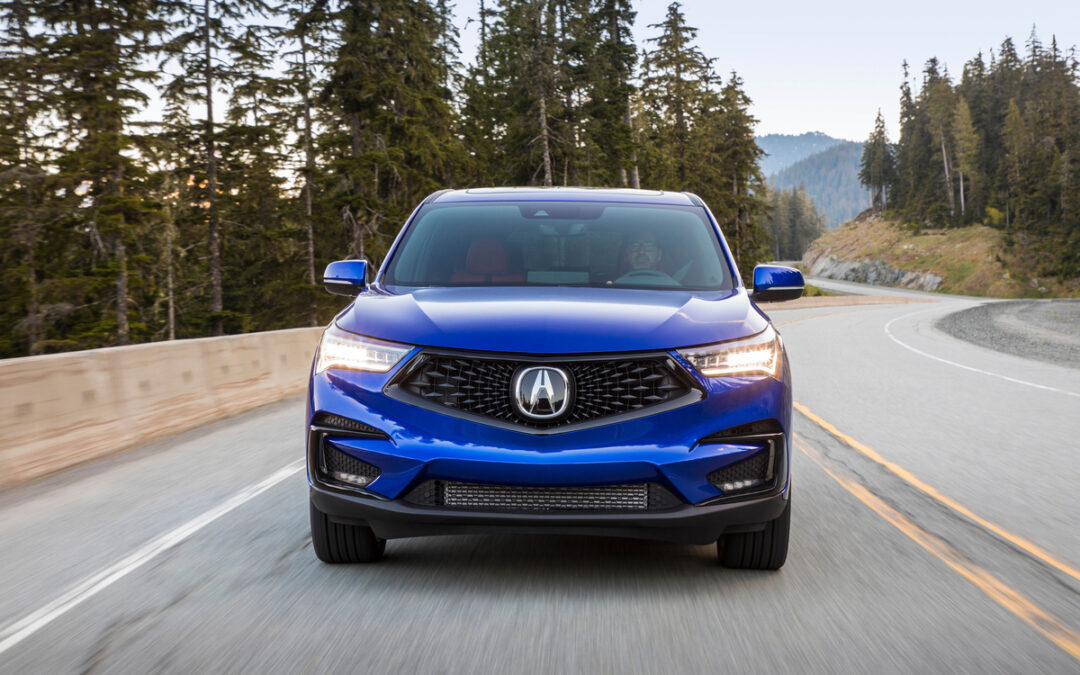
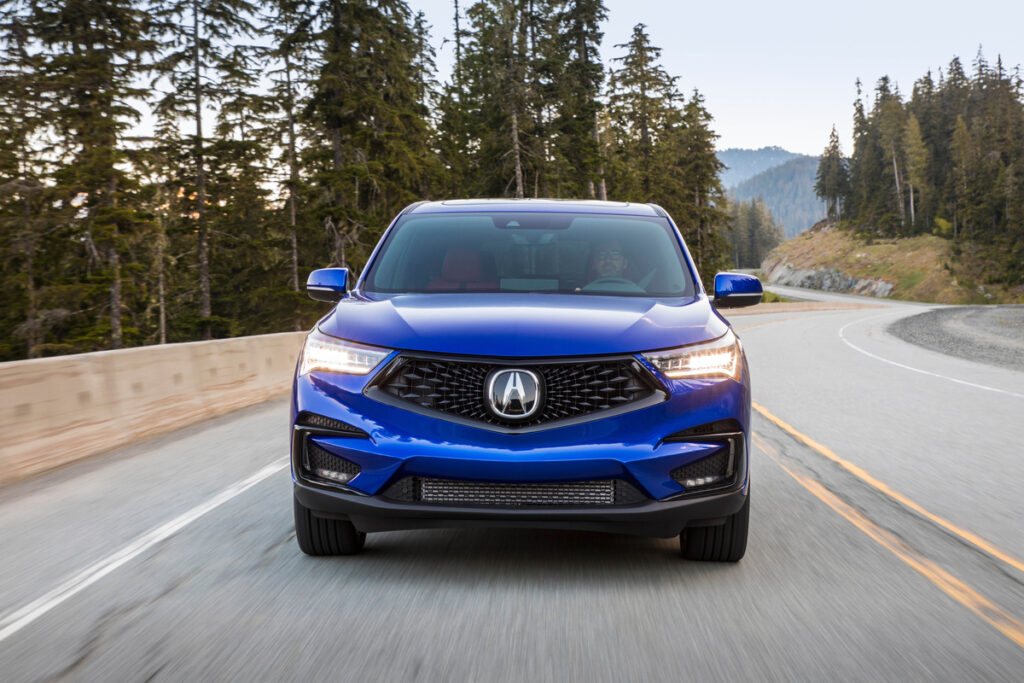
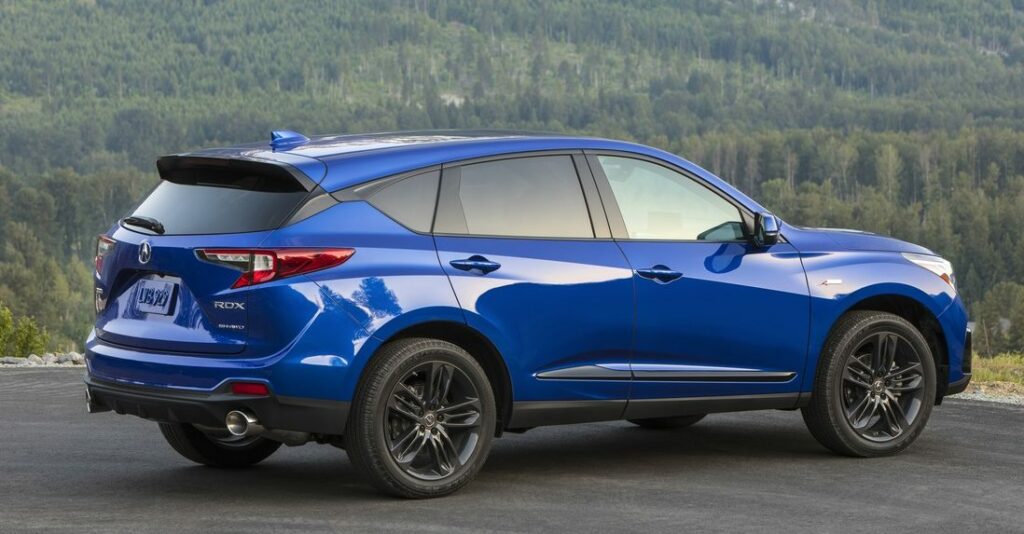
The third-generation RDX was engineered in the U.S., designed at Acura’s L.A. design studio and built in East Liberty, Ohio.

Acura got all emotional for the redesign of its compact RDX SUV — and it’s about time.

This premium division of Honda has always done well with its marketing focus of technology and performance, but its exterior body styling was Honda-centric and polarized by an unflattering grille treatment.

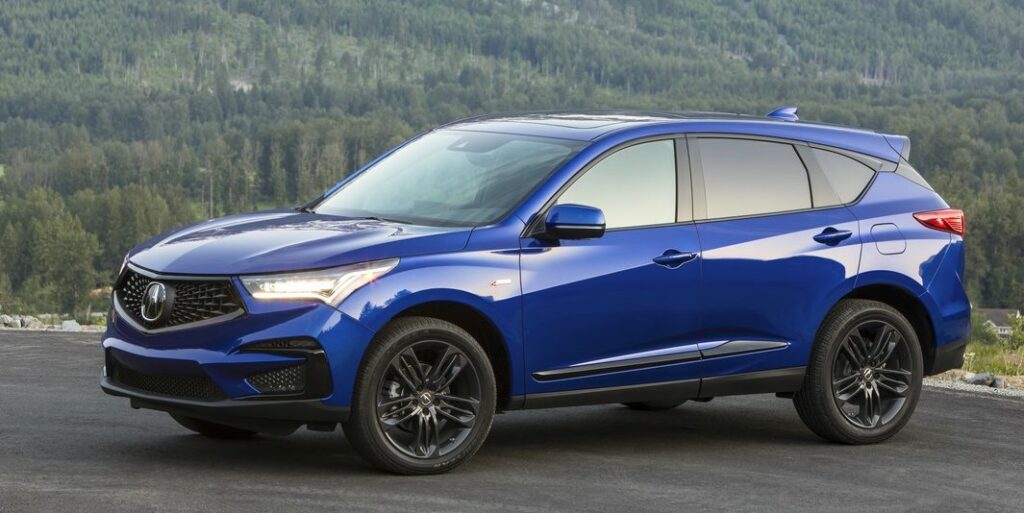
Now in its third generation, the 2019 Acura RDX is a breakout vehicle with the brand’s new diamond pentagon grille and speed-line styling that has some flinty elements from the evil stance of the NSX supercar.

The third-generation RDX was engineered in the U.S., designed at Acura’s L.A. design studio and built in East Liberty, Ohio.

It is also the first new Acura designed from the ground up — engineered in the U.S., designed at Acura’s L.A. studio and built in East Liberty, Ohio. And for the first time, it is not a shared platform with the Honda CR-V.

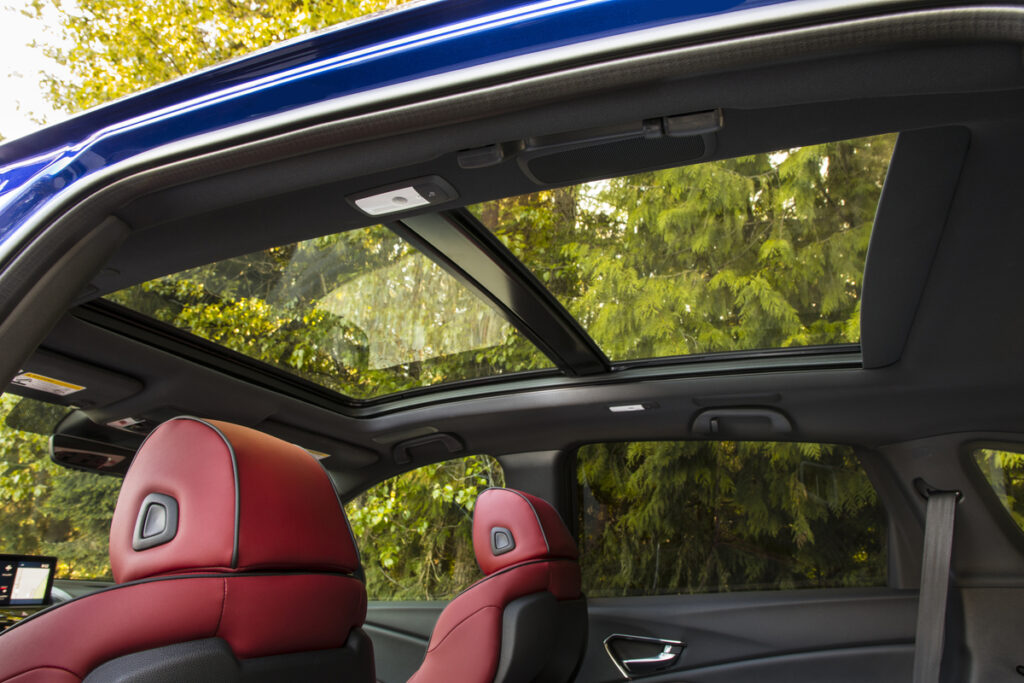
The new body is just 2.4 inches longer, a little taller and a little more than an inch wider on a wheelbase that is 2.6 inches longer. But the bigger picture creates ideal proportions for a five-seat SUV to grow with a family. The added size benefits back-seat legroom (with a flat floor), a tall 40 inches of front headroom (with the standard panoramic glass roof) and more cargo space that is flat with substantial basement storage.

Front headroom with the pano roof is tall at 40 inches.

Inside, the traffic-calmed cabin has yards more soundproofing and an acoustic windshield and side glass. And there is more of a “luxury” experience with more engaging materials and a new refinement to the engineering of the infotainment system.

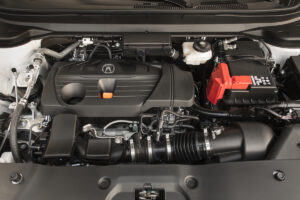
There also is a new driving experience with a new a 10-speed automatic transmission and a new 272-horsepower turbocharged 2.0-liter four-cylinder engine — a better performer than the V-6 it left at the curb.

Sport mode red.

Acura has updated its full-time Super Handling SH-AWD system, which can move up to 70 percent of power to the rear wheels and 100 percent of that torque to either rear wheel. The integration of dynamic torque vectoring sharpens cornering grip while helping the driver avoid an

over-correction and possible spin out.

The Insurance Institute for Highway Safety gave it a top rating of “Good” in all crashworthiness tests, earning it the title of Top Safety Pick

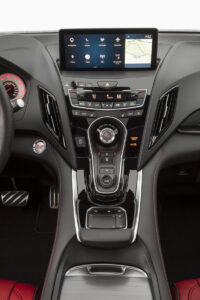
The “floating” console, with open pass-through.

-Plus. Standard safety features include eight air bags and the suite of Acura Watch features, including collision-mitigation braking, adaptive cruise control, lane-keep assist, lane-departure warning and road departure warning. All functioned without intrusion or annoyance to my driving experience.

The RDX has been a top-seller for the brand and a dominator in this luxury segment. Since the new model’s launch in June it has become the top retail-selling compact luxury SUV for 2018. September sales of 5,699 put in first in the brand’s lineup, ahead of the three-row MDX (4,643, down from 6,252 sales in August) and well ahead of No. 3, the TLX midsize sedan (2,064, up from 1,197 in August).

The 3 1/2-by-2 1/2-inch touchpad has a slight border edge and a subtly curved base to help guide fingers to six touch points.

Competing SUVs include the Audi Q5, BMW X3, Cadillac XT4, Infiniti QX50, Mercedes-Benz GLC, Lexus NX and Volvo XC60.

The RDX is sold in front- and all-wheel drive models with Tech, A-Spec and Advance trim levels. Starting prices range from $38,295 with front drive, to $49,390 for the loaded RDX AWD Advance.

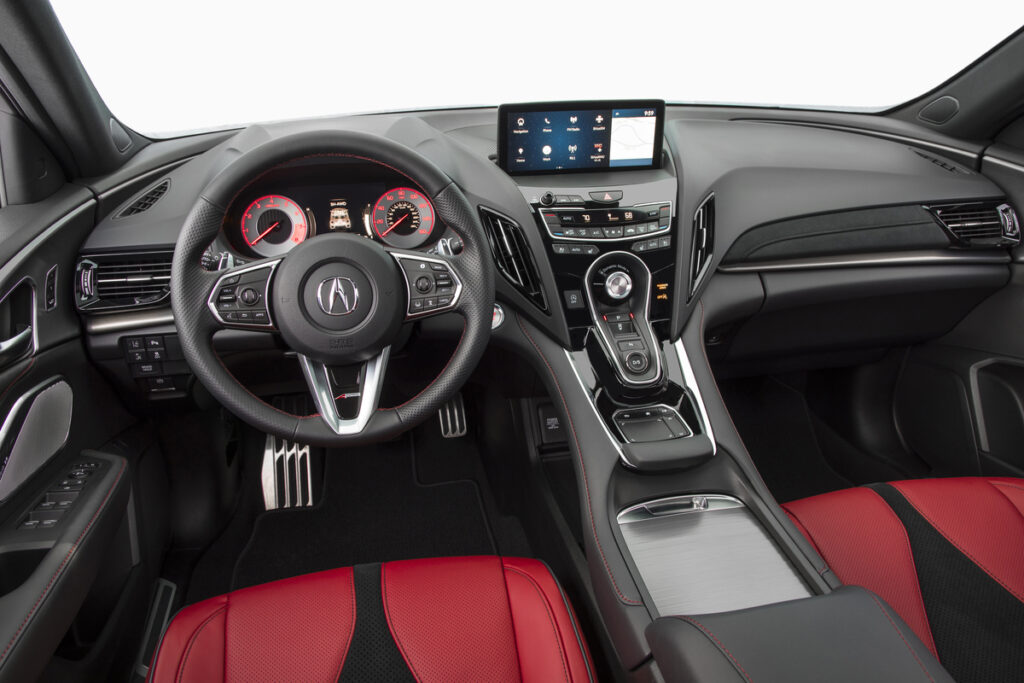
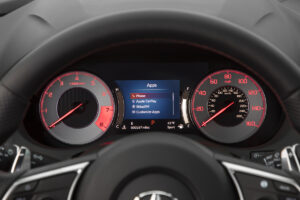
The A-Spec tester was $46,895 with one option for red paint, $400. Styling treatments include gloss black trim, dark headlights and taillights, Ultrasuede seat inserts and dash pad, metal sport pedals, red sport gauges and 16-speaker ELS Studio 3D audio system. Standard features include smartkey locking with push-button ignition, panoramic roof with tilt-slide, Milano leather upholstery with perforated front sport seats and 20-inch alloy wheels with 225/45 high-performance all-season tires.

The AWD curb weight — 4,015 — is up by just 69 pounds (over the 2018 model) and fuel economy ratings are about the same. Front-drive models have mileage ratings of 22/28/27 mpg, just 1 mpg less than with AWD, on the recommended premium fuel. I was averaging almost 20 mpg with liberal use of Sport mode.

Standard panoramic glass roof.

The new 272-hp turbocharged 2.0-liter four-cylinder engine — a better performer than the V-6 it left at the curb.

The 10-speed transmission rolls easily through the gears to maintain low rpms, but performance is tuned for fuel economy. Sometimes accelerator response can be resistant to foot-to-floor demand, but sport mode cuts the lag without being overly Ricky Racer.

The longer wheelbase improves the overall ride quality though it still might be too firm for some — but it’s not the rambunctious ride of the previous model. The turning circle stays the same at nearly 39 feet with inch taller 19-inch wheels. Braking is reassuring from 12.4-inch vented front discs and 12.2-inch solid rear discs.

The RDX was cleverly designed to give the ride height so enjoyed by SUV drivers but without the big step up and with a hip point almost parallel to make a graceful exit. The front seats were redesigned and built with high-strength steel and a seat frame that appears quite robust. The standard seats are 12-way power adjustable, including cushion tilt, but the Advance gets 16-ways seats.

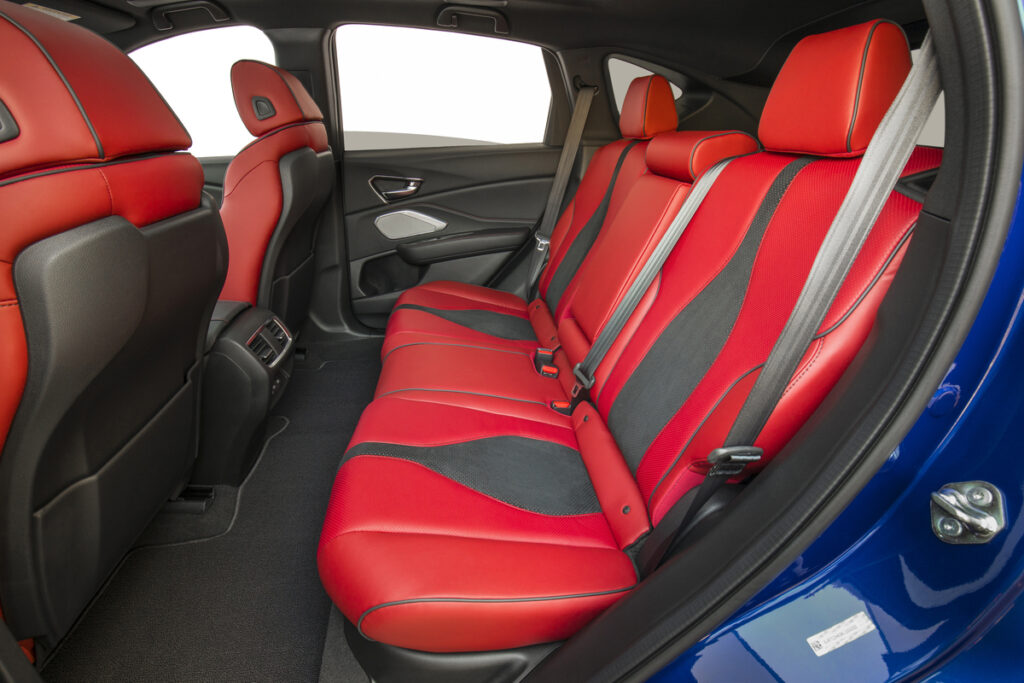
The back-seat area, with raised bench, has adult legroom up to 38 inches.

Despite the fast roofline there is a remarkable 40 inches of headroom — with the standard panoramic roof. The entire instrument panel was rethought and restyled with an eyes-on-the-road directive. A 10.2-inch screen, with split views, sits high on the dashboard with what Acura calls an absolute-positioning touchpad on the shifter console to access eight primary functions. The 3 1/2-by-2 1/2-inch touchpad has a low border rim and a slightly curved base to help guide fingers to six touch points to click, swipe, drag or press and hold.

The action is not unlike a smartphone to access apps, audio, navigation and other functions. There are many similar infotainment systems, all of which are somewhat jerky to use, but it didn’t take me long to get somewhat comfortable using the system while driving, but mastery would be miles away. For other slow learners, there also are knobs and buttons for volume, fan speed and more.

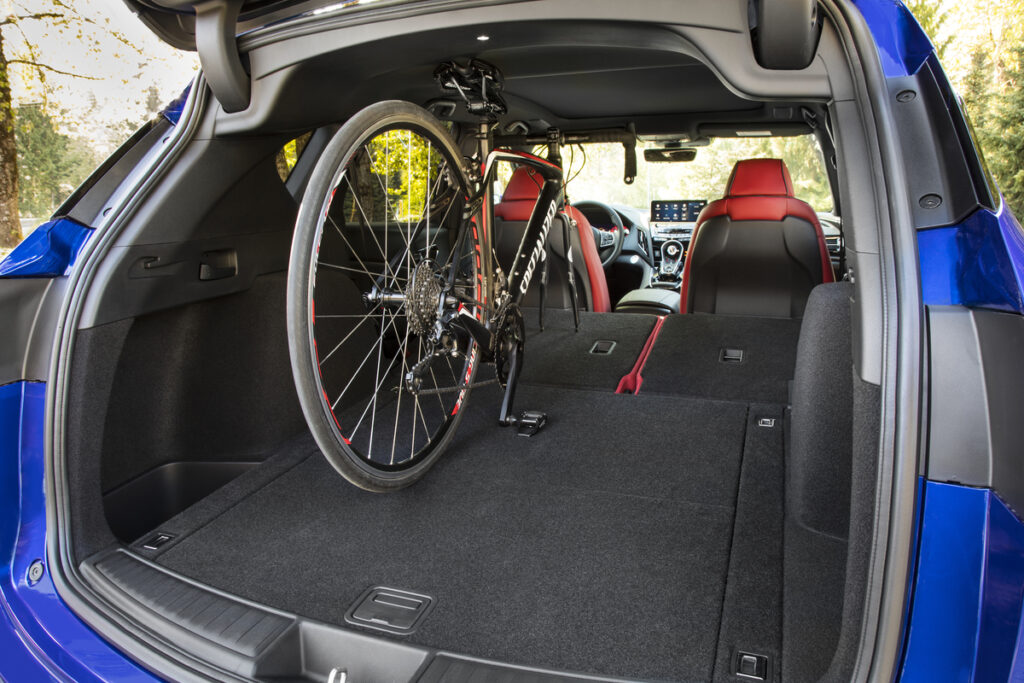
The cargo area is wide and flat with six feet of length with the seatbacks folded.

The wide screen also has a split camera display, but the overhead graphic of the vehicle, with alerts for nearby obstructions, would be more informative as a birds-eye view camera image; ever so helpful in parking maneuvers.

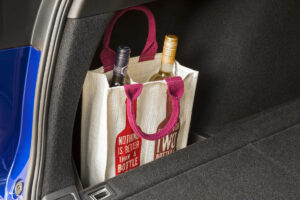
A nifty storage feature is the six-pack sized well just to the left of the tailgate opening.

The “floating” console, with open pass-through storage below, has plenty of room for phones, charging, cup holders and the armrest storage box. Door panels have good space for bottles and more.

The back-seat area, with raised bench, has adult legroom up to 38 inches. Amenities include two USBs, overhead reading lights and grab handles with coat hooks.

The cargo area is wide and flat with six feet of length with the seatbacks folded. And below the floor are a couple of deep storage bins — or just flip back the lid to corral grocery bags. A nifty storage feature is the six-pack sized well just to the left of the tailgate opening.

Acura has long shown emotionally styled concept-car sketches, but the final products looked like compromise by committee. Something changed in-house and it likely has to do with a wide field of very well-done and fashion-forward competitors.

For those who have wondered where Acura is going, the RDX will lead the way.

2019 Acura RDX SH-AWD A-Spec

  • Body style: 5-seat small SUV
  • Engine: 272-hp, turbocharged and direct-injection 2.0-liter 4-cylinder; 280 lb.-ft. torque from 1,600-4,500 rpm
  • Transmission: 10-speed automatic, with sequential SportShift paddle shifters, sport mode and shift-hold control
  • Fuel economy:  21/26/23 mpg; premium recommended

SPECIFICATIONS

  • Fuel tank: 17.1 gal.
  • Cargo space: 29.5-58.9 cu. ft.
  • Front head/leg room: 40/42 in.
  • Rear head/leg room: 38/38 in.
  • Length/wheelbase: 186.8/108.3 in.
  • Curb weight: 4,015 lbs.
  • Turning circle: 38.9 ft.

FEATURES

  • A-spec standard equipment includes: smartkey locking with push-button ignition, panoramic roof with tilt-slide, power tailgate, LED fog lights and headlights, LED daytime running lights, acoustic-glass windshield, 10.2-inch dual-content center multimedia display, navigation system with 3D view and real-time traffic rerouting, Milano leather upholstery with perforated front sport seats, 12-way power (heated and ventilated) front seats,  20-inch alloy wheels with 225/45 high-performance all-season tires, parking sensors (front and rear), automatic high beams, heated side mirrors, 2 USB ports (2.5 amp), 60/40 folding back seat, active sound control, capless fuel fill
  • ASpec treatment, includes: gloss black trim, dark headlights and taillights, Ultrasuede seat inserts and dash pad, metal sport pedals, red sport gauges, 16-speaker ELS Studio 3D audio system
  • Safety features include: 8 air bags; hill-start assist, Acura Watch features, include collision-mitigation braking, adaptive cruise control, lane-keep assist, lane-departure warning, road departure warning

PRICING

  • Base price: $46,495, including $995 freight charge; price as tested $46,895
  • Options on test vehicle: Red paint $400
  • Where assembled: East Liberty, Ohio
  • Warranty: 4-years/50,000-miles bumper to bumper

The new body style is a little more than an inch wider and a wider track for a more planted stance. A 2.6-inch longer wheelbase that helps settle ride quality.

Jaguar iPace EV Review

Jaguar iPace EV Review

The all-wheel-drive Jaguar iPace is a battery-electric performance SUV crossover

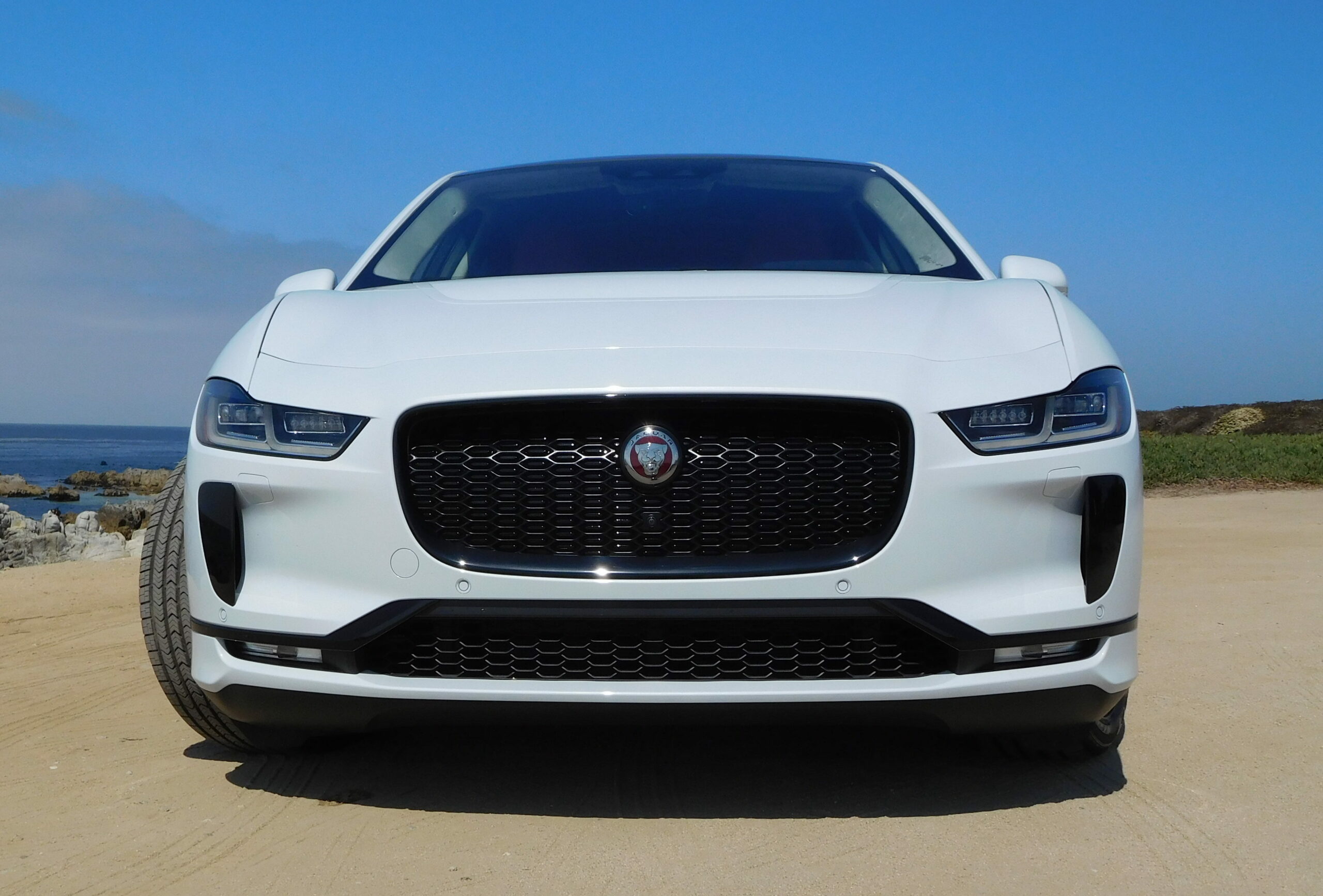
A head on view of the Jaguar iPace

The Jaguar iPace EV has a driving range of 240 miles, more or less.(Photography by Mark Maynard)

BY MARK MAYNARD

Skimming along your favorite back road you just might begin to feel the hefty curb weight of the Jaguar iPace — but only if it’s country-lane blacktop.

This all-wheel-drive and larger-than-most EVs, is a performance Jaguar that feels tight as a slab of aluminum. This British-engineered EV has sports-car steering and a one-pedal function for acceleration and regenerative braking. The one-pedal function happens to be quite useful for trail-braking when powering into a turn.

Weighing 4,784 pounds, the iPace shrugs off the poundage with potent acceleration to 60 mph in 4.5 seconds and from 30 mph to 60 it is like turning up a rheostat of instant lights-on power. And, what the heck, while your foot’s in it, it’s just a moment longer to brush triple digits. I was not expecting that from a Jaguar SUV.

The 2019 Jaguar iPace HSE pricing starts at $81,495, including the $995 freight charge from Graz, Austria.

iPace Overview

Jaguar is stalking the Tesla X to be the next luxury performance electric SUV. And Mercedes-Benz, Audi and others are poised to power into the luxury-EV segment.

The iPace is a five-seat, compact performance SUV that will be in dealers by November. By technical terms the iPace is an SUV (crossover) with a slightly raised ride height, a liftback to the cargo area and a height-adjustable air suspension for a selection of Jaguar Land Rover’s off-roading modes.

The front seat area of the iPace

The iPace has the footprint of a compact SUV, but the interior space of a midsize.

Pricing

Sold in four trim levels, starting prices range from $70,495 SE to $86,595 for the loaded First Edition (available only for 2019 model year). The HSE tester, with gorgeous red leather upholstery, was $88,235. It included such extras as the $2,400 Windsor leather upholstery with 14-way heated and cooled front seats and heated rear seats. Also onboard were the useful head-up display ($970) and Light Oyster suede-cloth headliner ($900).

Find current Jaguar iPace pricing and incentives here.

A image from the rearview camera

The iPace multimedia display is wide and easily viewed.

iPace Powertrain

The powertrain consists of two 197-horsepower, Jaguar-engineered motors, at the front and rear axles, and a 90 kWh lithium-ion battery pack. The iPace has a driving range of 240 miles, depending on how much you engage the high-performance Dynamic driving mode. The liquid-cooled battery pack has an energy capacity of 388 volts from 432 cells, weighing 1,329 pounds.

The front seats in red leather

Headroom is tall at nearly 40 inches and the power seats are fully supportive.

The powertrain is laid out skateboard style along the base of the chassis. The position of the powertrain allows a low center of gravity, which contributes to its stability at high speeds, Jaguar says.

Charging times for an 80-percent charge range from about 10 hours on household current to 85 minutes on a 240-volt home system or 40 minute on a public fast-charge system.

Center console under-storage

Clever and concealed storage.

The battery warranty of eight years or 100,000 miles is part of the Jaguar EliteCare ownership package. If the battery falls below 70 percent of holding a 100 percent charge at any point within the first eight years of ownership, the battery is covered under warranty.

Interior Function

While it has the exterior footprint of a compact SUV, the I-Pace has the interior space of a midsize. The cab-forward layout has been smartly rethought because there is no engine under the hood and no transmission to cut into front cabin space. The dashboard is a clean sheet for the array of controls and center console function. It is fully electronic and quite functional.

The three-section gauge array has a large center dial for speed, state of battery charge and range, with a map graphic to the right and audio or other info to the left. The multimedia display in the center instrument panel is wide and easily viewed in all daylight conditions. Two large dual-purpose dials adjust temp control and fan speed is selected by lifting the dial. And there is a separate audio volume knob, plus redundant steering-wheel controls.

Headroom is tall at nearly 40 inches and the power seats are fully supportive and multi-adjustable, heated and cooled.

Sightlines are excellent over the front fenders, enabled by the quarter windows at the side mirrors. The rear view might look constricted because of the small half-moon glass, but in a couple hundred miles of driving it was of no consequence to me. And the camera system with a 360-degree view is liberating in any parking situation.

Back Seat and Cargo Space

The back seat has more roominess than most midsize sedans. The center tunnel is low, for good foot room, and the shoulder room is wide at 54.6 inches from window to window. The doors open wide for comfortable entry and headroom is generous at 38.1 inches with good legroom of 35 inches. Details include two USB charging ports and a 12-volt plug, with grab handles and coat hooks over each door and ceiling lights, even with the panoramic glass roof.

The back seat with red leather upholstery

The iPace back seat has more roominess than most midsize sedans.

Cargo space of 25.3 cubic feet is wide and flat, expandable to 51.3 with the back seat folded.

With so many brands set to debut $100,000 EVs it is yet to be seen how fast this segment will grow — it’s a thin market for combustion cars. But electrification will rule the combustion dinosaurs and shocking styling and high performance will still sell cars.

iPace cargo area

The cargo area is wide and flat that expands to 51.3 cu. ft. with the 60/40 rear seat folded.

2019 Jaguar iPace EV HSE Specifications

Body style: compact, 5-passenger AWD SUV

Electric powertrain: 2 197-hp motors (394 hp) and 90 kWh, 388-volt liquid-cooled lithium-ion battery pack

Transmission: 1-speed reduction gear automatic

Driving range: 240 miles

Charging times for an 80-percent charge range from about 10 hours on household current to 85 minutes on a 240-volt home system.

Drag coefficient: 0.29 cd

0-60 mph: 4.5 secs (Jaguar est.)

BY THE NUMBERS

Front trunk space: 1 cu. ft.

Cargo space: 25.3-51.3 cu. ft.

Front head/leg room: 39.9/40.9 in.

Rear head/leg room: 38.1/35 in.

Length/wheelbase: 184.3/117.7 in.

Curb weight: 4,784 pounds

Turning circle: 39.3 ft.

FEATURES

HSE standard equipment includes: keyless entry and push-button start, panoramic roof, navigation system, LED headlights with auto high-beam assist, 825-watt Meridian surround-sound audio, blind-spot assist, 360-degree camera system (front, rear, overhead), adaptive cruise control with steering assist, high-speed emergency braking, hands-free tailgate, 20-inch gloss black wheels, 60/40 folding back seat

Safety features include: 6 air bags, hill-start assist, driver-condition monitor, lane-keep assist, parking assist, rear-traffic monitor, traffic-sign recognition

PRICING

Base price: $81,495, including $995 freight charge; price as tested $88,235

Where assembled: Graz, Austria

Warranty: 5-years/60,000-miles with roadside assistance and free scheduled maintenance

Battery warranty: 8-years/100,000-miles and degradation replacement at 70% state of health

A rear view of the iPace

The iPace is an all-wheel-drive SUV (crossover) with a slightly raised ride height, a liftback to the cargo area and a height-adjustable air suspension.