Select Page

Jan. 27, 1965 – Ford Shelby GT 350 goes on sale

Jan. 27, 1965 – Ford Shelby GT 350 goes on sale
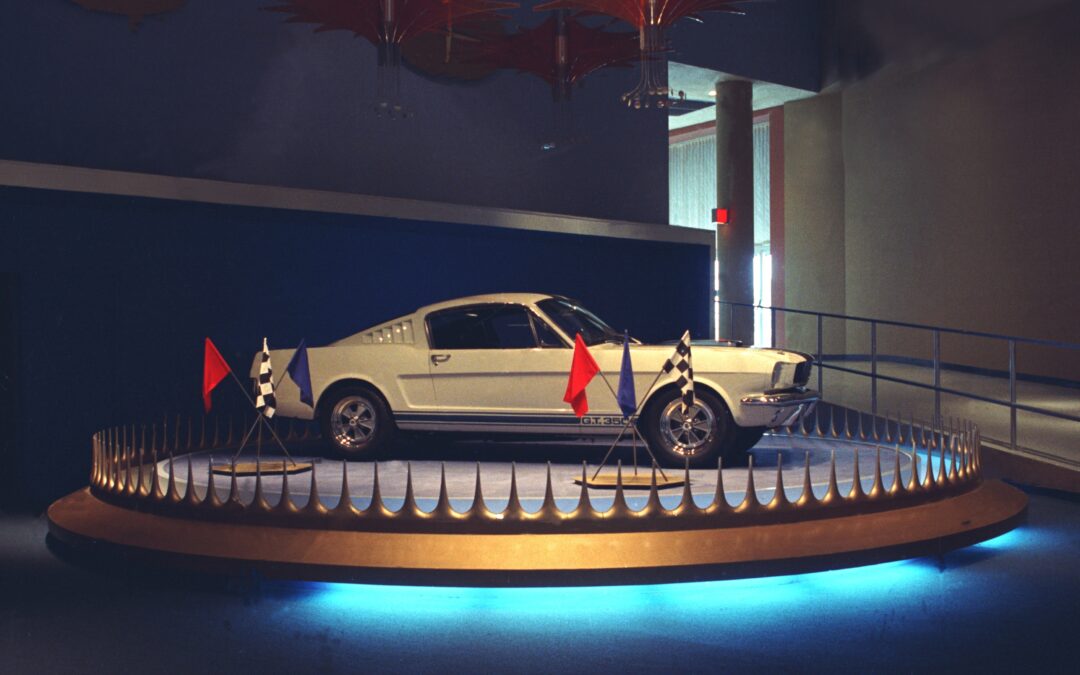
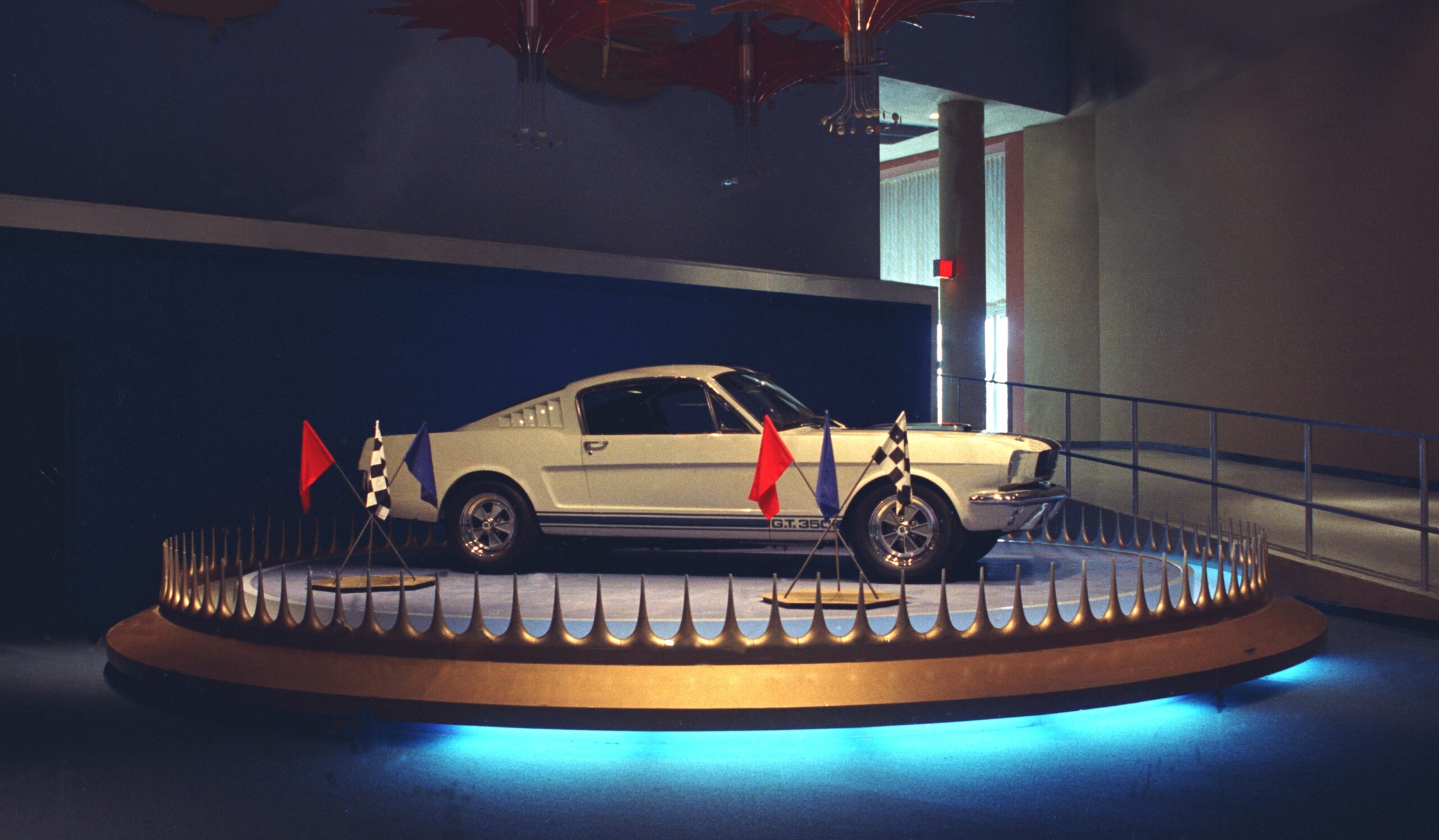
A 1965 Ford Mustang GT350 in the Ford Pavilion at the 1964 World's Fair

1965 Ford Shelby GT350 in the Ford Pavilion at the 1964 World’s Fair in New York. (Photos courtesy of Ford PR archives)

BY MARK MAYNARD

The racing circuit changed forever when sales of the 1965 Ford Shelby GT350 launched on Jan. 27, 1965, according to AutomotiveHistory.org.

“The GT was based on 1965 Ford Mustang Fastbacks that originally left the factory with a 271 HP 289 V8 and a 4 on the floor. Carroll Shelby had the stock vehicles shipped to Shelby American where his team stripped the car of weight. The car then received performance upgrades, such as high-riser intake manifolds, a four-barrel carburetor, and custom exhaust headers, boosting horsepower to 306.

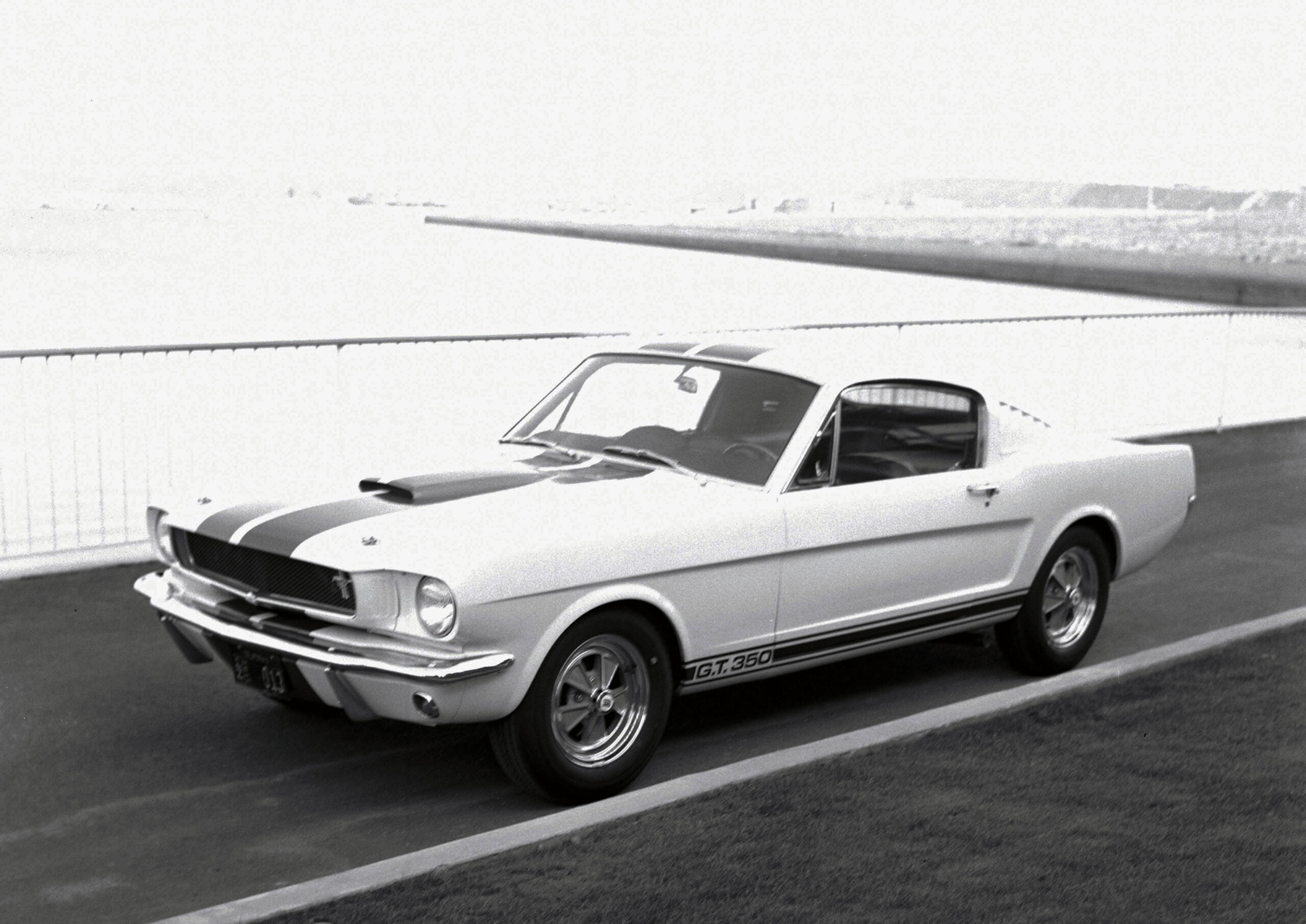
A black-and-white vintage image of a 1965 Ford Shelby GT350

All 1965 Ford Shelbys (562) were painted Wimbledon White with Guardsman Blue stripes.

“In 1965 Shelby built 562 examples, all painted Wimbledon White with Guardsman Blue stripes. In 1966 the cars received updates to attract more general consumers, as opposed to strictly track racers. The 1966 GT 350 was available with optional rear vent windows and back seats and came in an array of colors. They were also equipped with a functional hood and rear brake air scoops and a three-speed automatic transmission was made available.

“Production of the first generation of Shelby Mustangs would last through 1971 with the GT 350 and GT 500.”

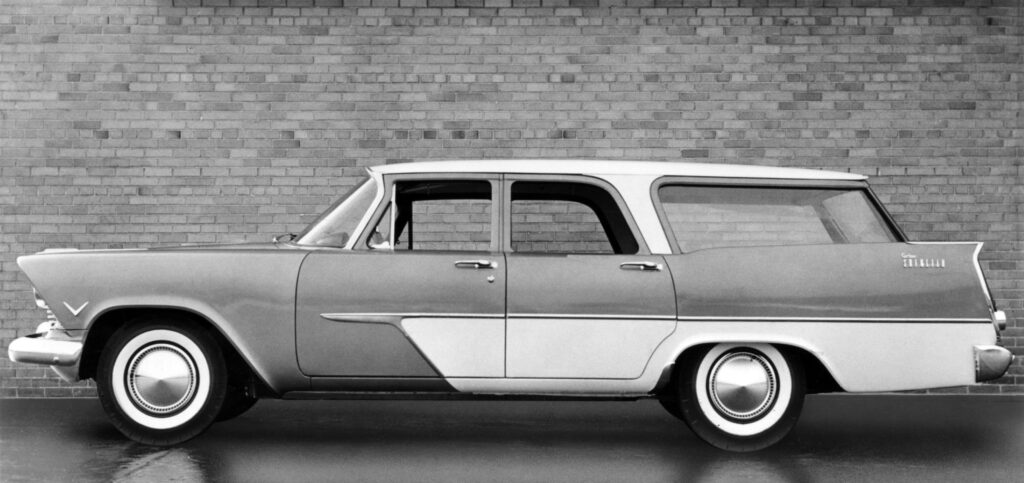
1957 Plymouth Suburban wagon

1957 Plymouth Suburban wagon

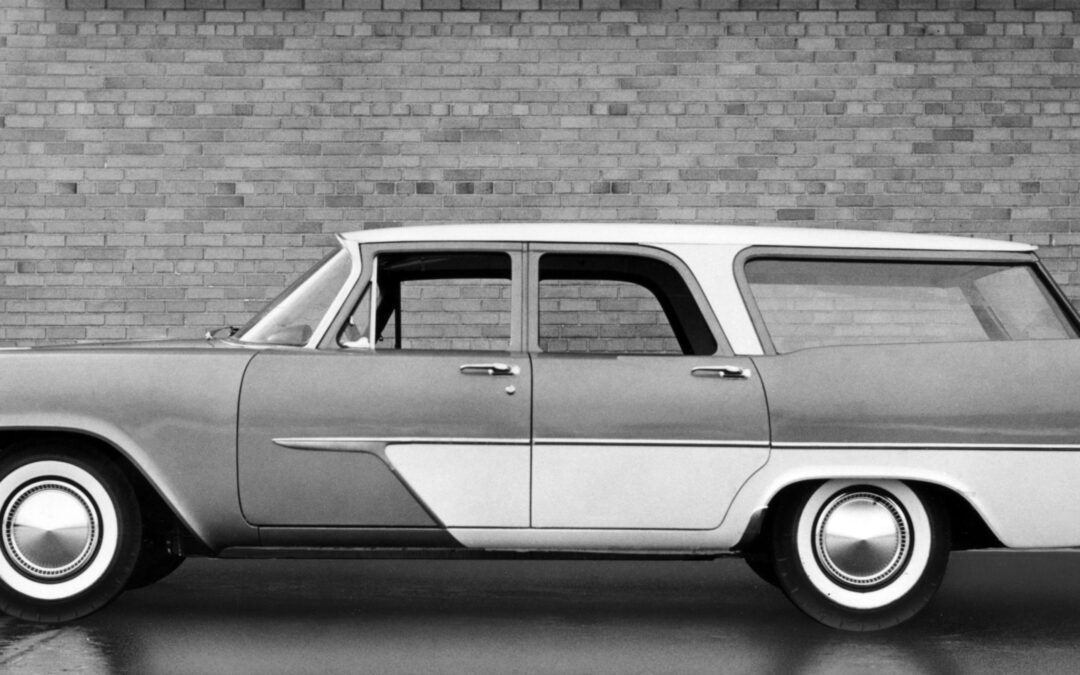
The 1957 Plymouth Suburban wagon, with the new “Forward Look” styling. (Stellantis)

BY MARK MAYNARD

A 1957 Plymouth Suburban wagon became the 10,000,000th Plymouth to roll off the production line on Jan. 24, 1957. It was a proud accomplishment for the brand, which was launched in 1928, according to Wikipedia.

“Plymouth was to compete in what was then described as the “low-priced” market segment that was dominated by Chevrolet and Ford. It became the high-volume seller for the automaker until the late 1990s.”

Parent company Chrysler killed the brand in 2001, and the models that were still in production were discontinued or rebranded as Chrysler or Dodge.

In 1957, Virgil Exner’s new Forward Look design theme, advertised by Plymouth with the tagline “Suddenly, it’s 1960,” produced cars with advanced styling compared to Chevrolet or Ford, according to Wikipedia. Plymouth cars were marketed primarily in the United States.

“The 1957 total production soared to 726,009, about 200,000 more than 1956, and the largest output yet for Plymouth. However, the 1957-1958 Forward Look models suffered from poor materials, spotty build quality, and inadequate corrosion protection; they were rust-prone and greatly damaged Chrysler’s reputation.

“The Plymouth automobile was introduced at Madison Square Garden on July 7, 1928. It was Chrysler Corporation’s first entry into the low-priced field previously dominated by Chevrolet and Ford.
“Plymouths were initially priced higher than the competition but offered standard features such as internal expanding hydraulic brakes that Ford and Chevrolet did not provide.

“Plymouths were originally sold exclusively through Chrysler dealerships, offering a low-cost alternative to the upscale Chrysler-brand cars.

“The logo featured a rear view of the ship Mayflower, which landed at Plymouth Rock in Plymouth, Mass. However, the inspiration for the Plymouth brand name came from Plymouth binder twine, produced by the Plymouth Cordage Company, also of Plymouth. The name was chosen by [corporate executive] Joe Frazer due to the popularity of the twine among farmers.”

Corvette birthday, Jan. 17 1953

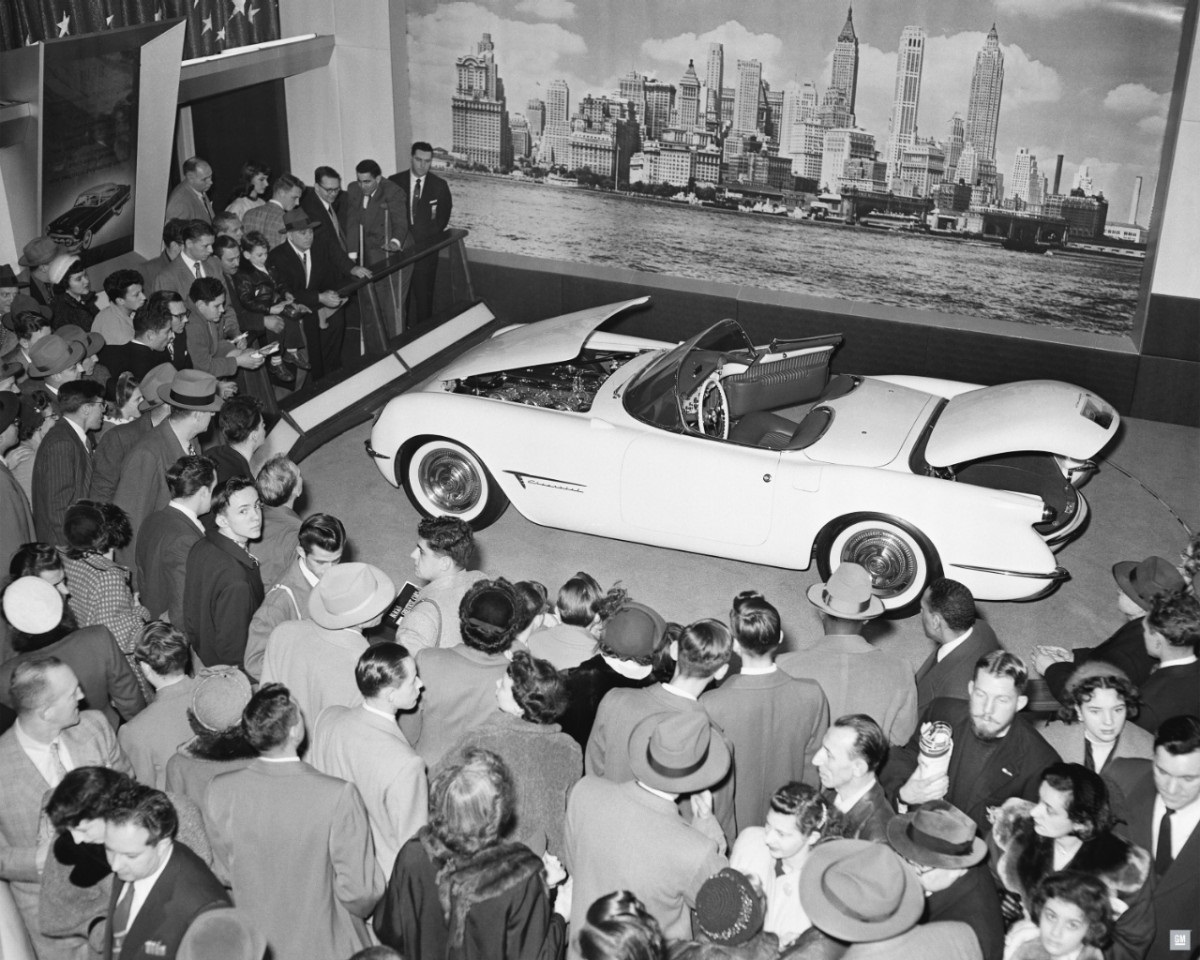
The Corvette’s big reveal as the Motorama show car at New York’s Waldorf-Astoria Hotel. (GM)

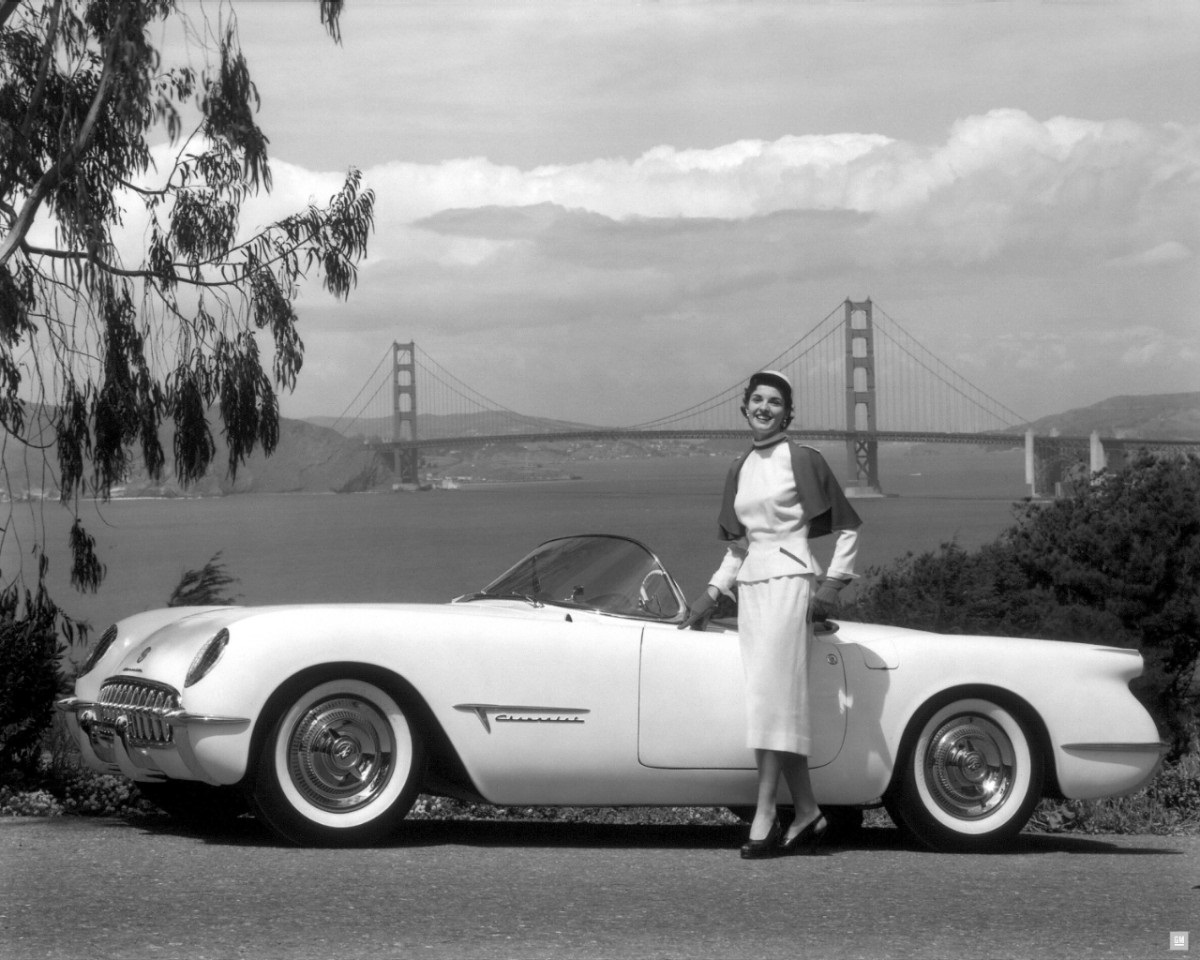
Jan. 17, 1953, marked the show-car debut of the first generation of Corvette.

According to Wikipedia, the two-seater was introduced late in the 1953 model year. It first appeared as a show car for the 1953 General Motors Motorama, held Jan. 17-23 at New York’s Waldorf-Astoria Hotel.

“At the time, Chevrolet general manager Thomas H. Keating said it was six months to a year away from production readiness. The car generated enough interest to induce GM to make a production version to sell to the public. First production was on June 30, 1953.

A promotional image from the 1953 GM Motorama. (GM)

“The 1953, 1954, and 1955 model years were the only Corvettes equipped with a 235 cubic-inch (3.9-liter) version of the second- generation Blue Flame inline-six rated at 150 horsepower.

“In 1953, when GM executives were looking to name the new Chevrolet sports car, assistant director for the Public Relations department Myron Scott suggested Corvette after the small maneuverable warship — and the name was approved.”

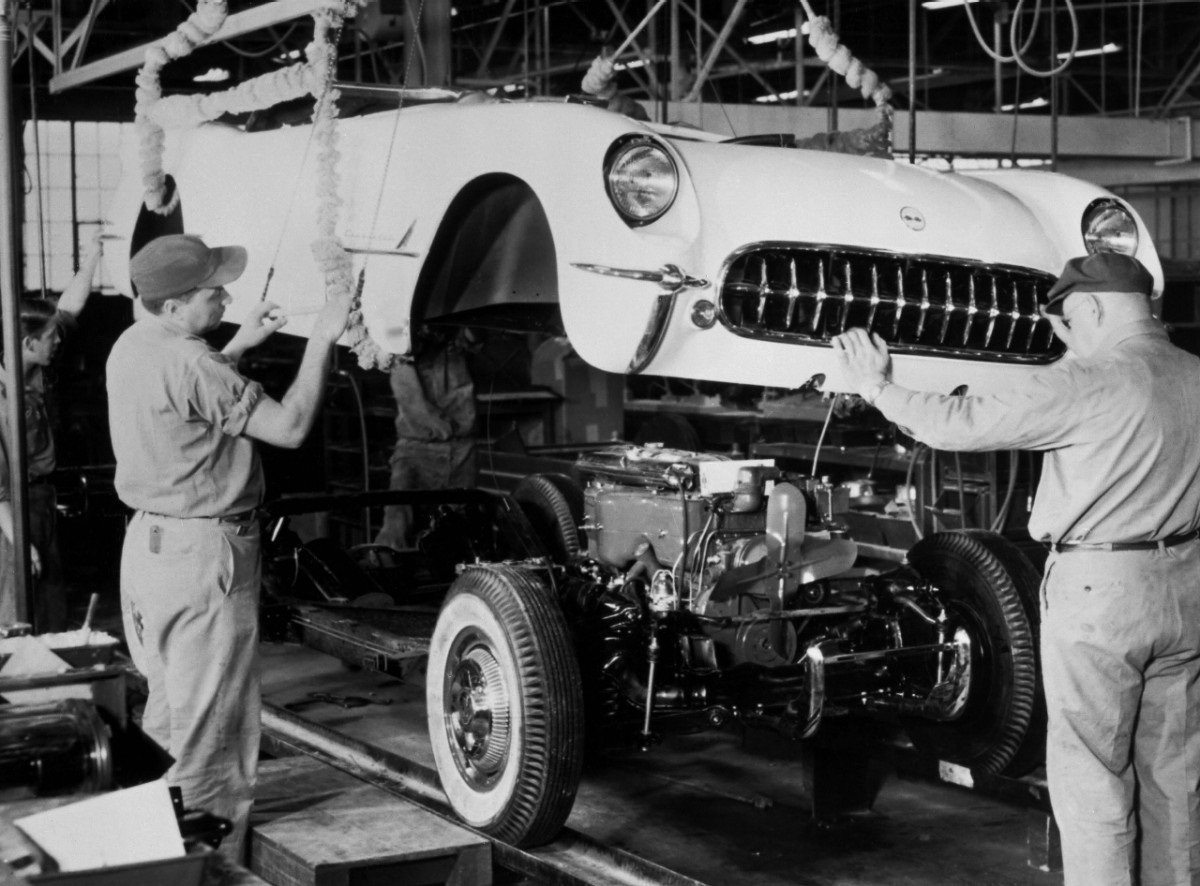
This PR images show the body-drop of the 1953 Corvette at the Flint, Mich., assembly plant. (GM)

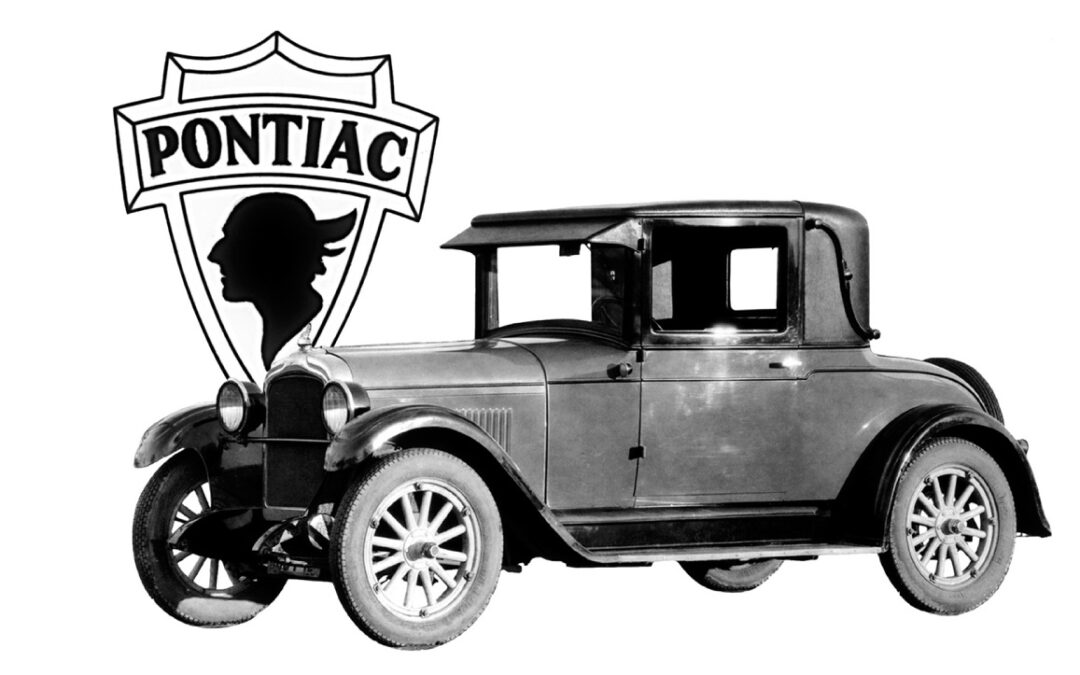
Jan. 3, 1926 – Pontiac debuts

Jan. 3, 1926 – Pontiac debuts

1925 market segmentation price ladder of early GM brands: Cadillac, Chevrolet, Pontiac, Buick, Oldsmobile. (GM)


The Pontiac brand was introduced by General Motors in 1926 as the companion marque to GM’s Oakland division and shared the GM A platform, according to Wikipedia
. Purchased by General Motors in 1909, Oakland continued to produce modestly priced automobiles until 1931, when it was renamed, Pontiac.

“[The brand] was named after the famous Ottawa chief, who had also given his name to the city of Pontiac, Michigan, where the car was produced.

“Within months of its introduction, Pontiac was outselling Oakland, which was essentially a 1920s Chevrolet with a six-cylinder engine installed.

“Body styles offered included a sedan with both two and four doors, Landau Coupe, with the Sport Phaeton, Sport Landau Sedan, Sport Cabriolet and Sport Roadster.

“As a result of Pontiac’s rising sales, versus Oakland’s declining sales, Pontiac became the only companion marque to survive its parent, with Oakland ceasing production in 1932.”

The brand folded after General Motors’ Chapter 11 reorganization on Oct. 31, 2010.


1988 VW Öko-Polo

1988 VW Öko-Polo

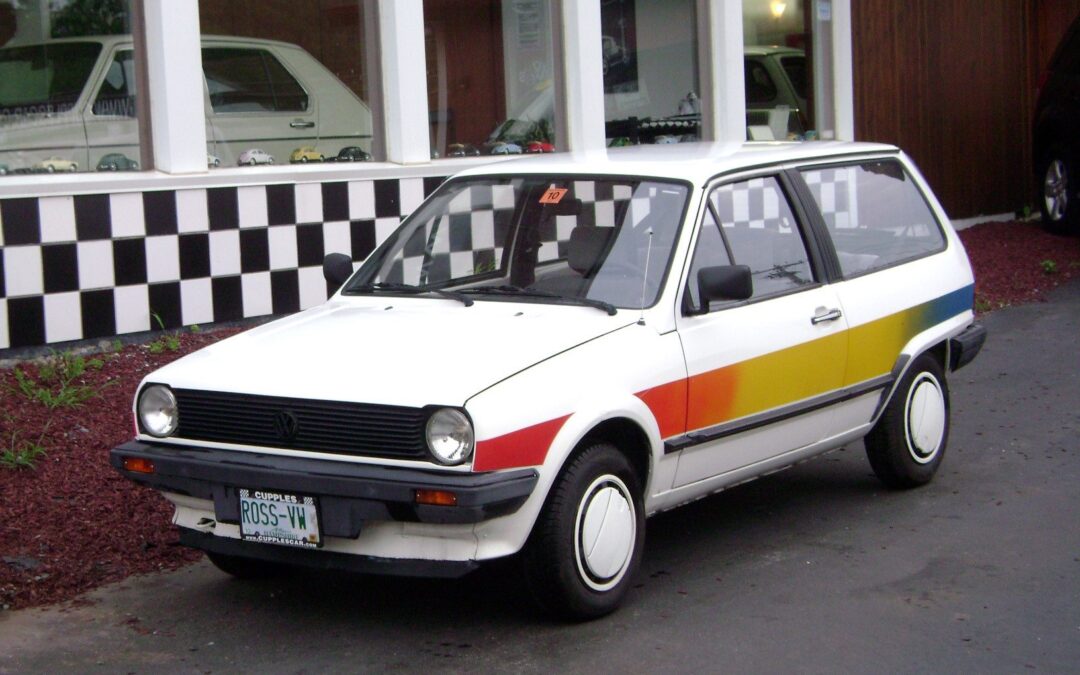
The ultra-economical 1988 VW Öko-Polo prototype is so rare that only one has been found in the U.S. 
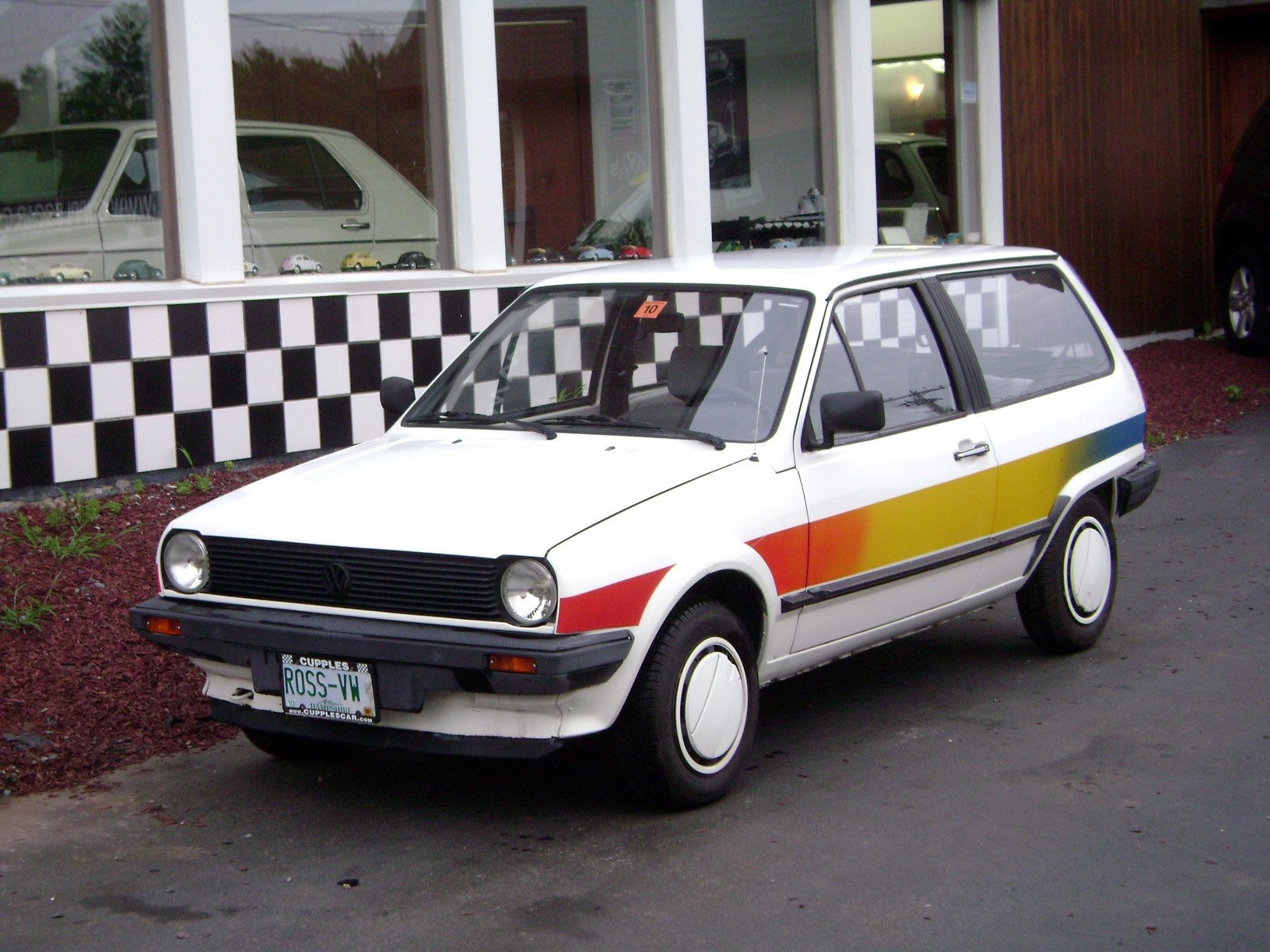
The 1988 VW Öko-Polo

Due to its high cost of production, the Öko-Polo was never mass-produced. (Photos courtesy of Volkswagen)

BY MARK MAYNARD

Many enthusiasts are familiar with Volkswagen’s niche models. But not even Ross Cupples, a lifelong fanatic with dozens of Volkswagen cars in his collection, had heard of the Öko-Polo. The rare 1988 VW Öko-Polo prototype had a retro rainbow stripe across its doors when he acquired the car It is the only known model in the United States.

Volkswagens have always been a part of Cupples’ life, according to a press release by VW U.S. At age 10, he fell in love with a yellow 1972 Beetle at his family’s car business in Belmont, N.H.  He purchased his first car, a 1985 Jetta GLI, at age 16 and slowly began acquiring and restoring Volkswagen models. Since then, his collection has grown so large that even he has lost track of how many he owns.
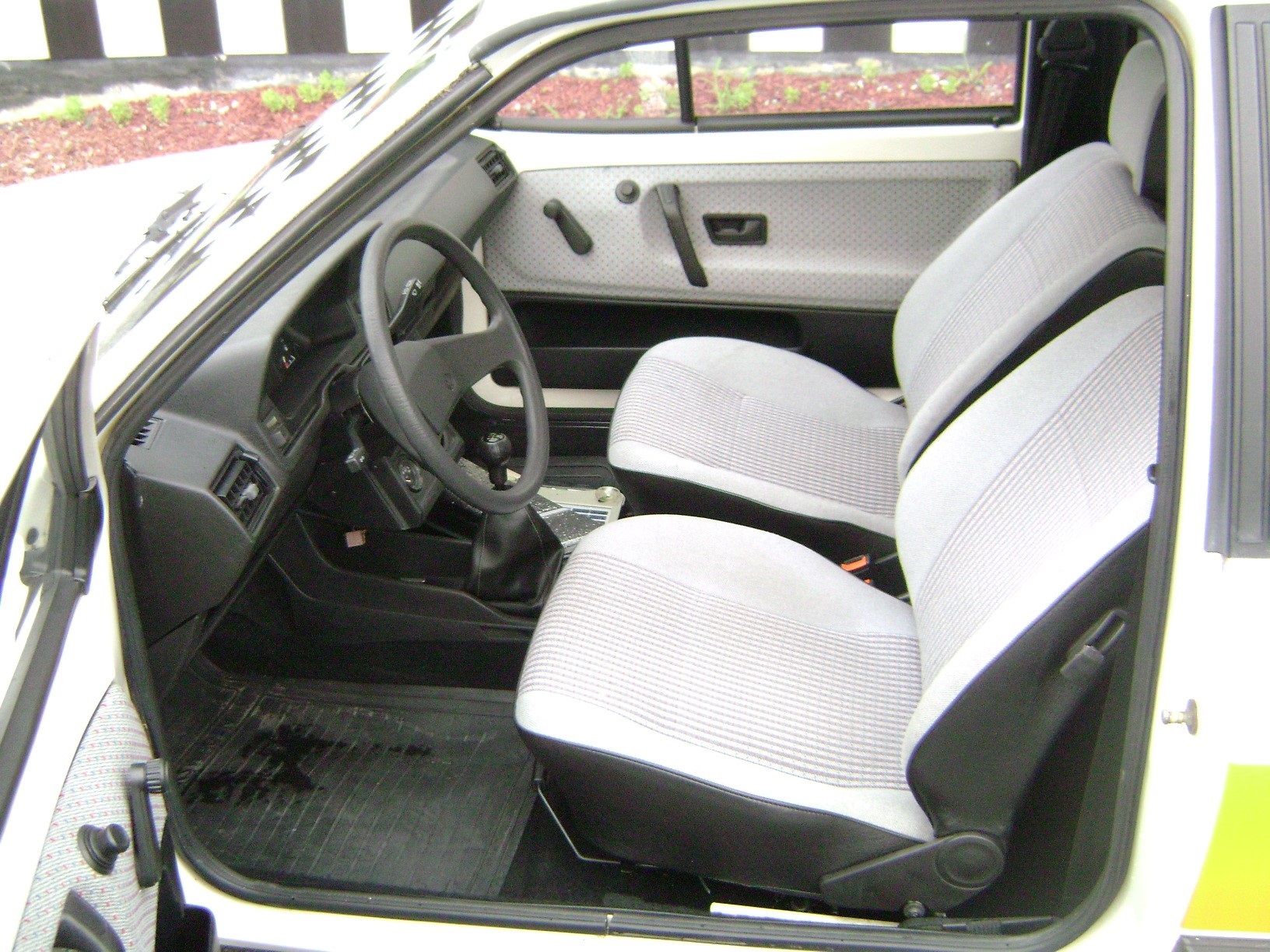
The interior of the Öko-Polo

Other than the signature stripe, the Öko-Polo is indistinguishable from any other late-1980s-style Polo Squareback, owner Ross Cupples said.

“I have about 70, most of which are low-mileage, original cars,” Cupples said. His collection fills two buildings, and he is still running out of indoor space as he seeks to keep his vintage vehicles in protected from the elements. “It’s been a fun challenge to research and make connections as I seek out rare models over the years.”
The Oko-polo gauges.

The German translation of Öko-Polo is Eco-Polo.

Fuel Efficient

The prototype was designed to run 100 km (62.13 miles) on just 3 liters of fuel, making it an ultra-economical car at the time.

The German translation of Öko-Polo is Eco-Polo.

The little squareback (wagon) had a two-cylinder diesel direct-injection engine and a G40 supercharger. The two cylinders displaced only 858 cubic centimeters and a heat-resistant foam substance encapsulated the engine bay to minimize the noise and vibrations.

After a year of testing, the series of about 50-75 1988 Öko-Polo prototypes ended. Because of the car’s high cost of production, it was never mass-produced, but it did help future models become more efficient. The Öko-Polo’s newly developed technologies were gradually implemented in other Volkswagen models.

Searching For Parts

The chassis Cupples purchased was missing many original 1988 Öko-Polo parts, including the engine and supercharger that made it an economical choice. He imported a 1-liter Polo drivetrain and fit it in the body of the car so it could run, albeit without the Öko-Polo engine.

Still, the chassis remains the only known VW Öko-Polo in the country. Its origins in the U.S. are unknown, but the seller in Wisconsin purchased the chassis from a government auction.
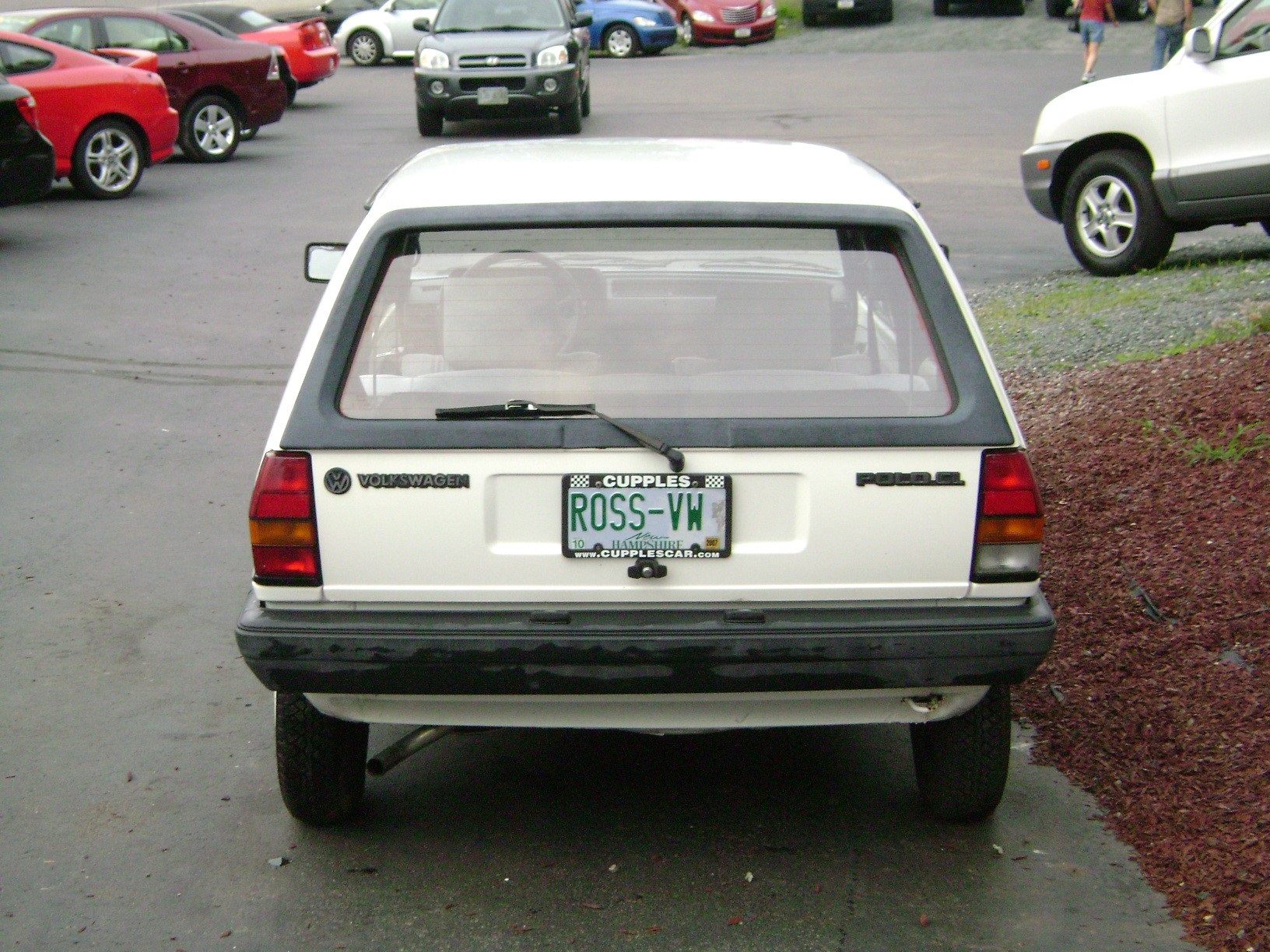
A rear view of the prototype in the dealership driveway

The car’s origins in the U.S. are unknown, but the seller in Wisconsin purchased the chassis from a government auction.

“Other than the signature stripe, the 1988 Öko-Polo is indistinguishable from any other late 1980s-style Polo Squareback,” Cupples said. “At the same time, it’s one of the rarest models in my collection.” Even the Volkswagen museum in Wolfsburg does not display an Öko-Polo prototype, he said.
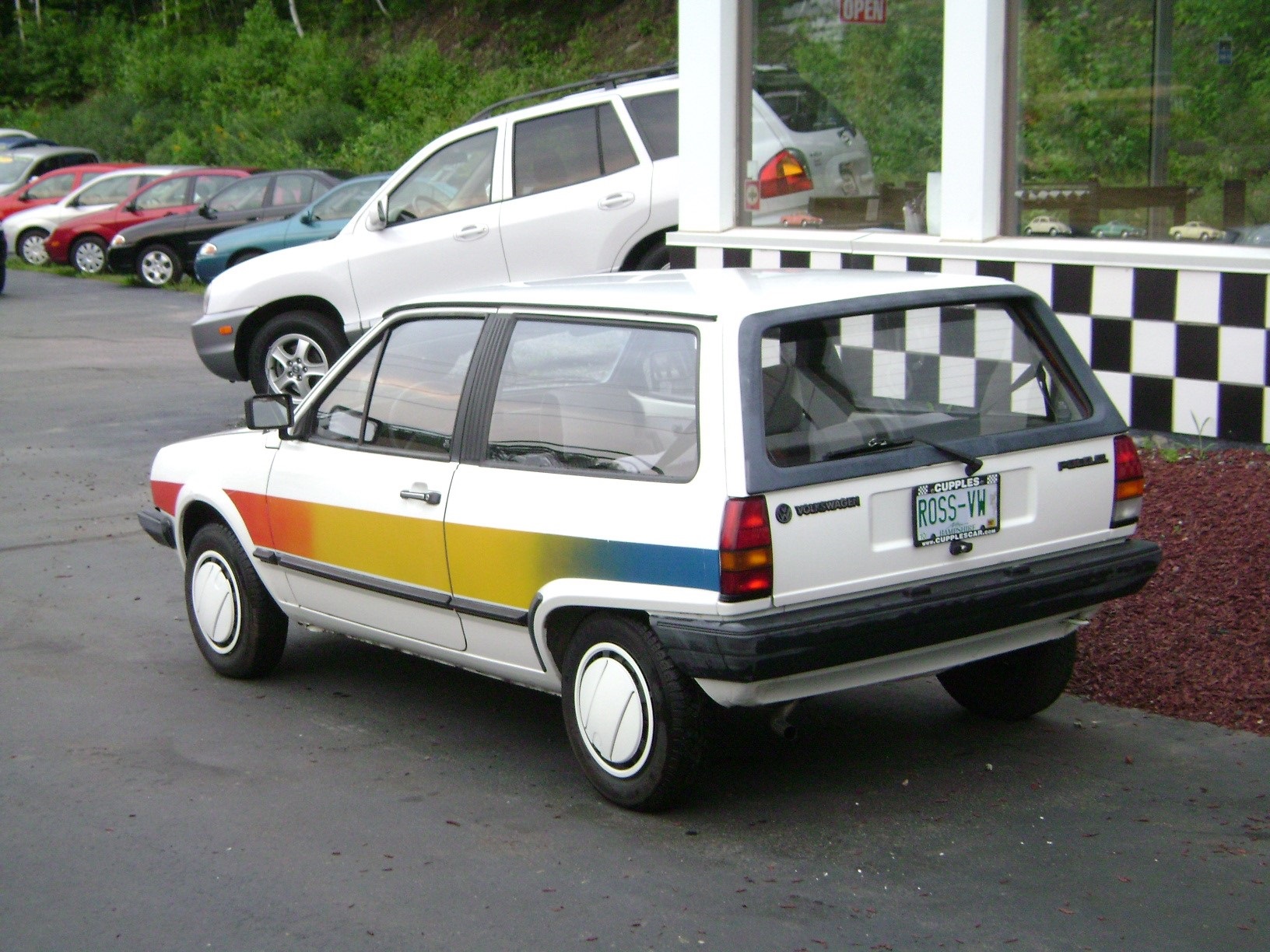
A exterior rear view of the restored Oko-Polo

The car Cupples purchased was missing many original Öko-Polo parts.

An interest in VW Polos

The vehicle also sparked Cupples’ interest in other Volkswagen Polos. Over the past two decades, he has collected every Polo model and its variant. He believes he is the only collector in the U.S. to have done so.

While some might consider 70 Volkswagens too many, Cupples is not finished growing his collection.

“I have a mentality of trying to have owned at least one of every model in every generation of Volkswagen,” he said. “Having the Öko-Polo has been a part of that mission. I love being able to hold a part of Volkswagen history.”

Among his dozens of other Volkswagens have been five Golf Harlequins, with at least one of each color combination.
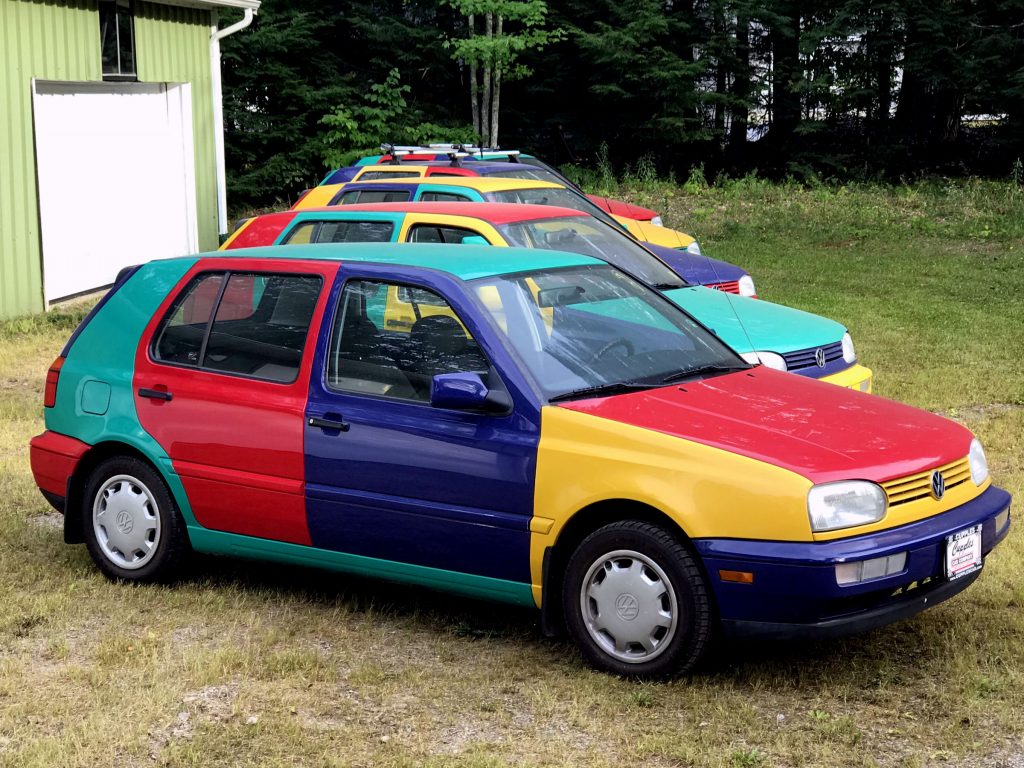
A series of five colorful VW Gold Harlequins

Cupples owns five Golf Harlequins, with at least one of each color combination.

Volkswagen Beetle Production Began Dec. 27, 1945

Volkswagen Beetle Production Began Dec. 27, 1945

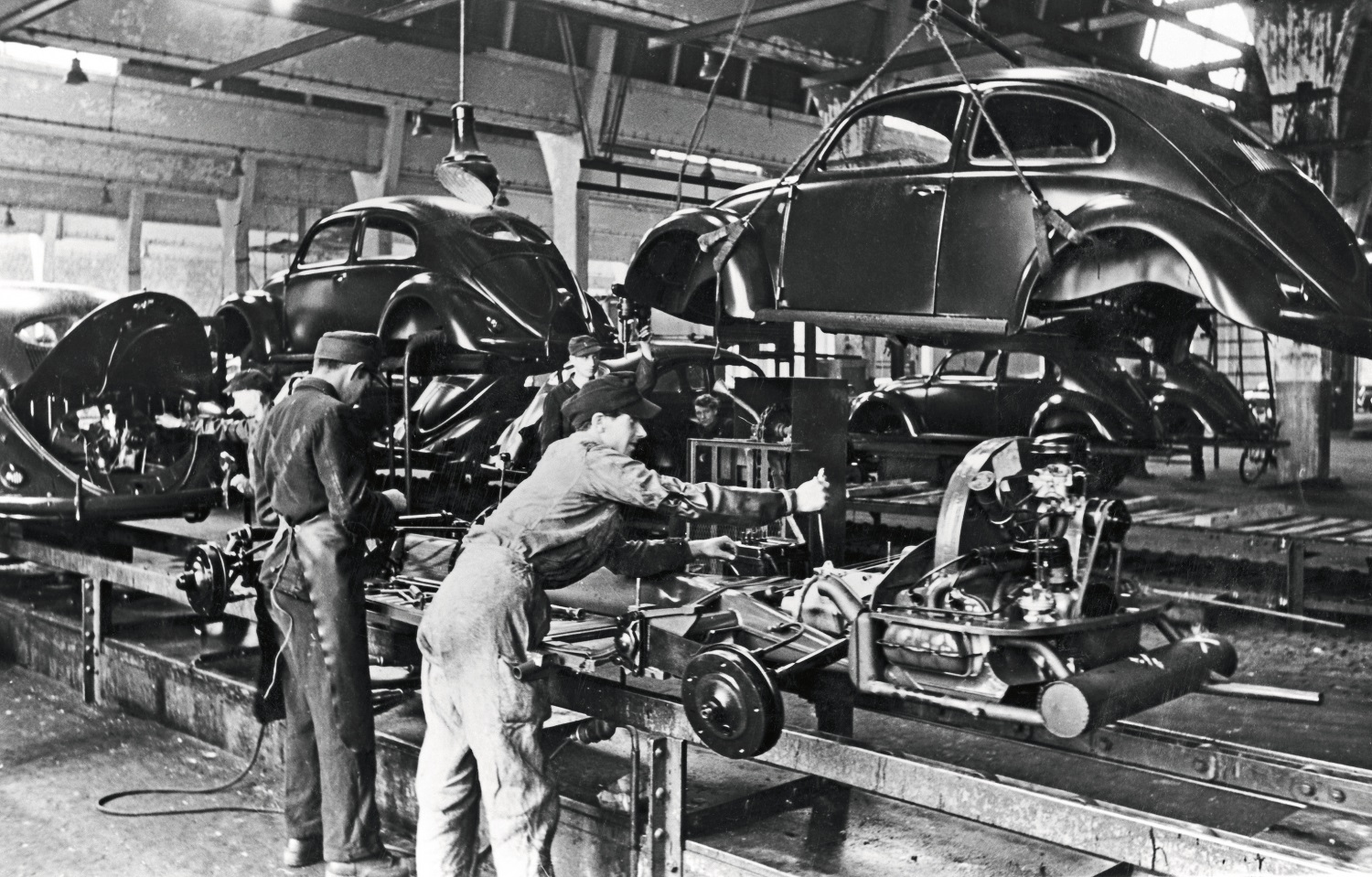
Start of Type 1 VW Beetle production in 1945 at the factory in Wolfsburg, Germany. (VW US)

BY MARK MAYNARD

Series production of the Volkswagen “Beetle” Limousine began on Dec. 27, 1945. It was referred to internally as “Type 1,” and later became world-famous as the “Beetle.” The little sedan’s success story started in Wolfsburg, Germany, and is credited to British Major Ivan Hirst.

According to a release by VW US, in June 1945, the British Military Government Series assumed the trusteeship over Volkswagenwerk GmbH. Following the end of World War II, the production of the Volkswagen Type 1 sedan (limousine) began as a vehicle for transport tasks.

Major Hirst’s British was known for his pragmatism and talent for improvisation. The two traits made it possible for him to transform an armaments plant into a civilian industrial company in an impressively short timeline.

The British Military Government issued an order for 20,000 vehicles in August 1945. The start of production was a visible sign of a new beginning and hope. The factory had been largely destroyed by the end of World War II.

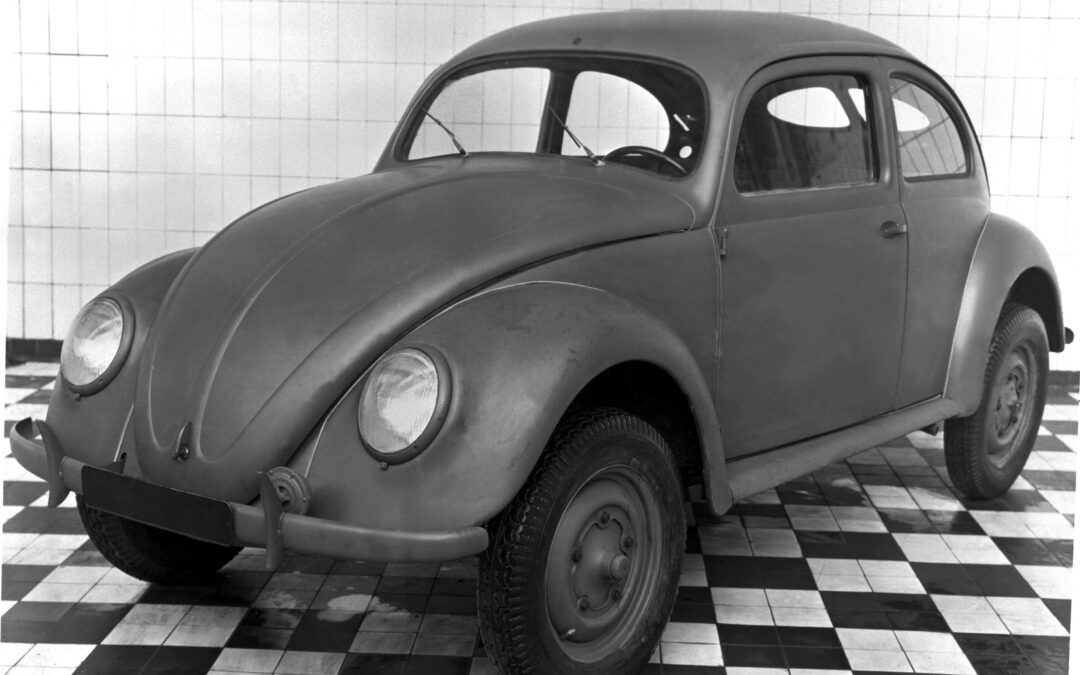
The first Beetle, with the split rear window. (VW US)

Wartime Challenges

There were many wartime challenges. There were personnel shortages to support the workforce and production bottlenecks for raw materials and energy. But the first Volkswagen sedan left the production line just after Christmas. By the end of 1945, 55 cars had been produced.

From 1946 to the currency reform of 1948, about 1,000 vehicles were produced per month. It was not possible to produce more vehicles with the material shortages, rationing, and lack of personnel. Sales were jump-started in 1947 with exports of the car.

Volkswagen discontinued production of the original VW Beetle in Mexico in 2003. By then 21,529,464 VW Beetles had been manufactured, including about 15.8 million in Germany.

For more on the so-called “People’s Car” see its Wikipedia page.