Select Page

1988 VW Öko-Polo

1988 VW Öko-Polo

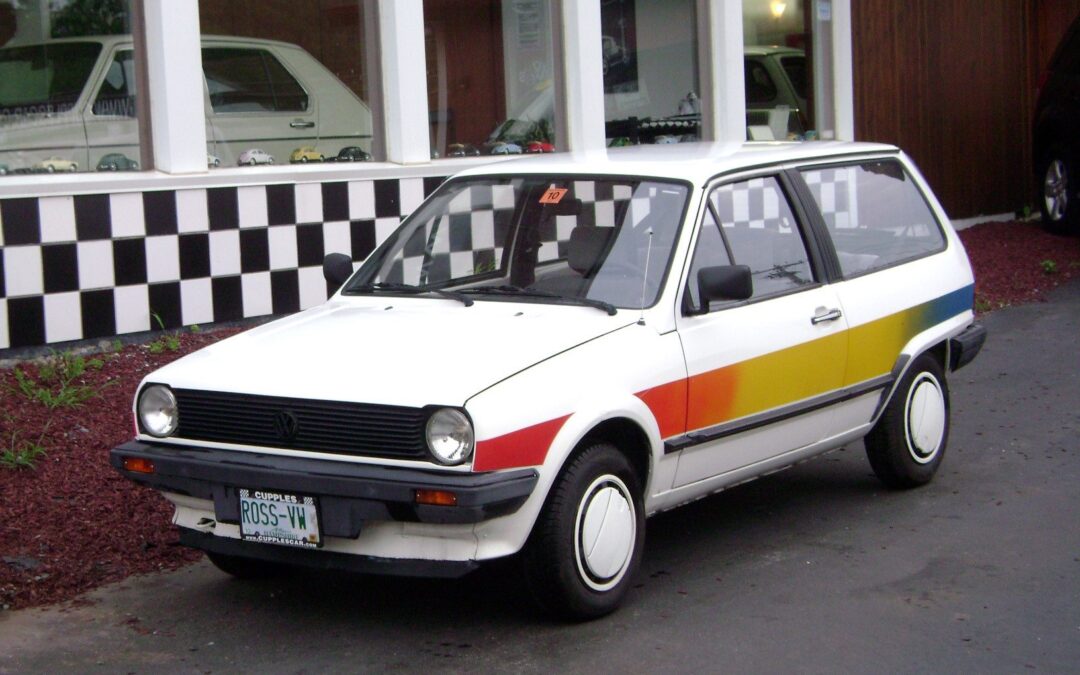
The ultra-economical 1988 VW Öko-Polo prototype is so rare that only one has been found in the U.S. 

The 1988 VW Öko-Polo

Due to its high cost of production, the Öko-Polo was never mass-produced. (Photos courtesy of Volkswagen)

BY MARK MAYNARD

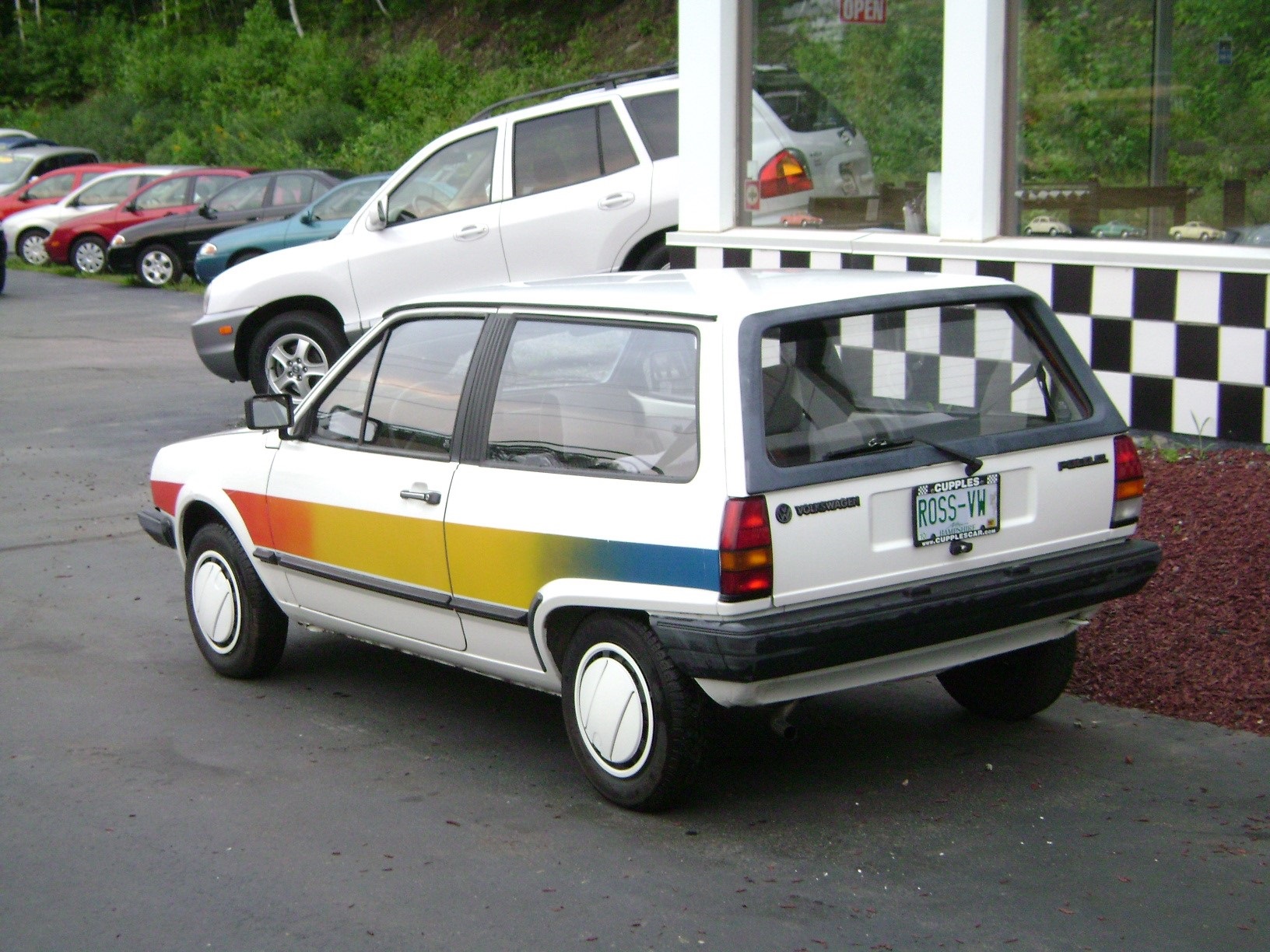
Many enthusiasts are familiar with Volkswagen’s niche models. But not even Ross Cupples, a lifelong fanatic with dozens of Volkswagen cars in his collection, had heard of the Öko-Polo. The rare 1988 VW Öko-Polo prototype had a retro rainbow stripe across its doors when he acquired the car It is the only known model in the United States.

Volkswagens have always been a part of Cupples’ life, according to a press release by VW U.S. At age 10, he fell in love with a yellow 1972 Beetle at his family’s car business in Belmont, N.H.  He purchased his first car, a 1985 Jetta GLI, at age 16 and slowly began acquiring and restoring Volkswagen models. Since then, his collection has grown so large that even he has lost track of how many he owns.

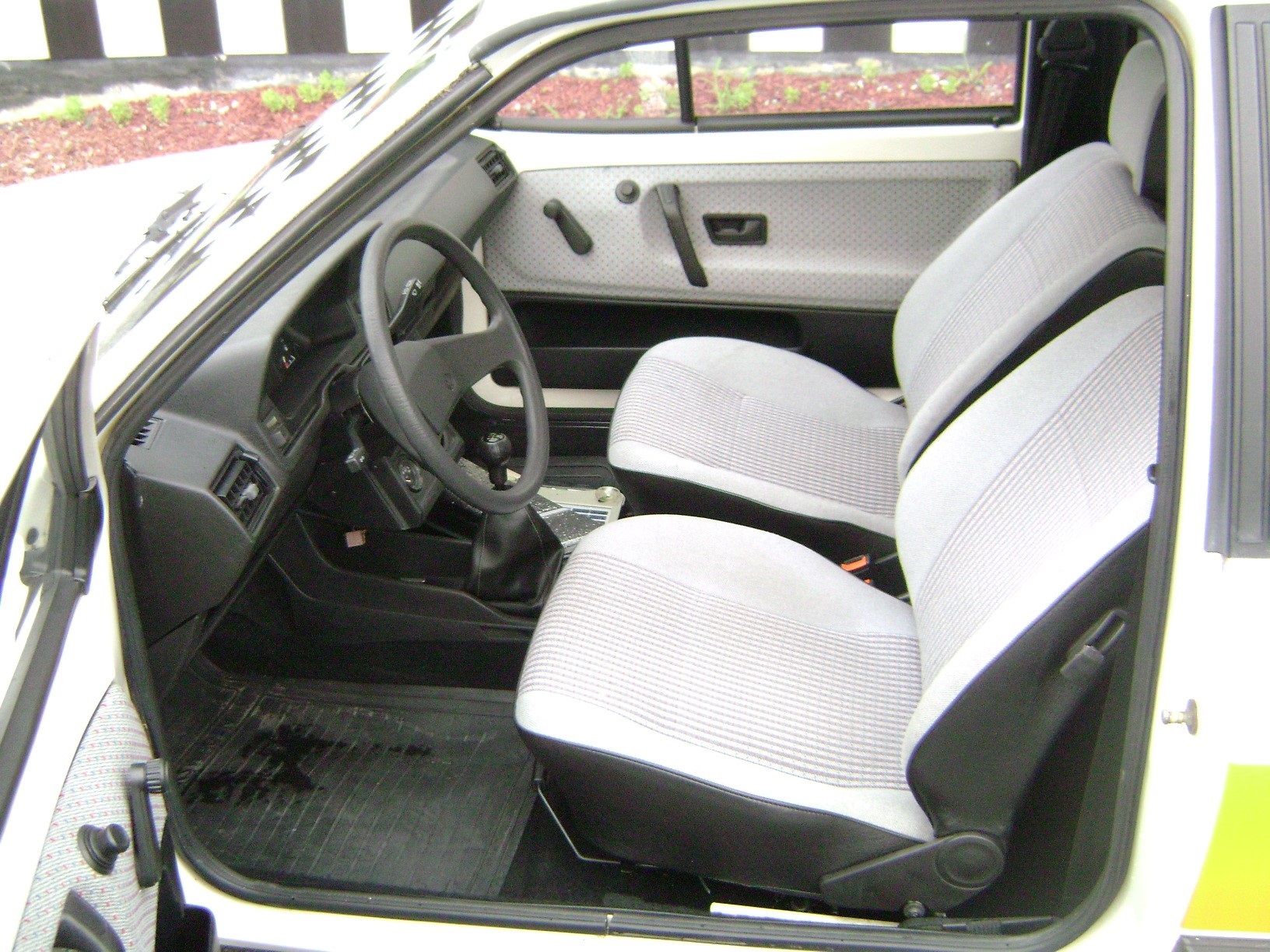
The interior of the Öko-Polo

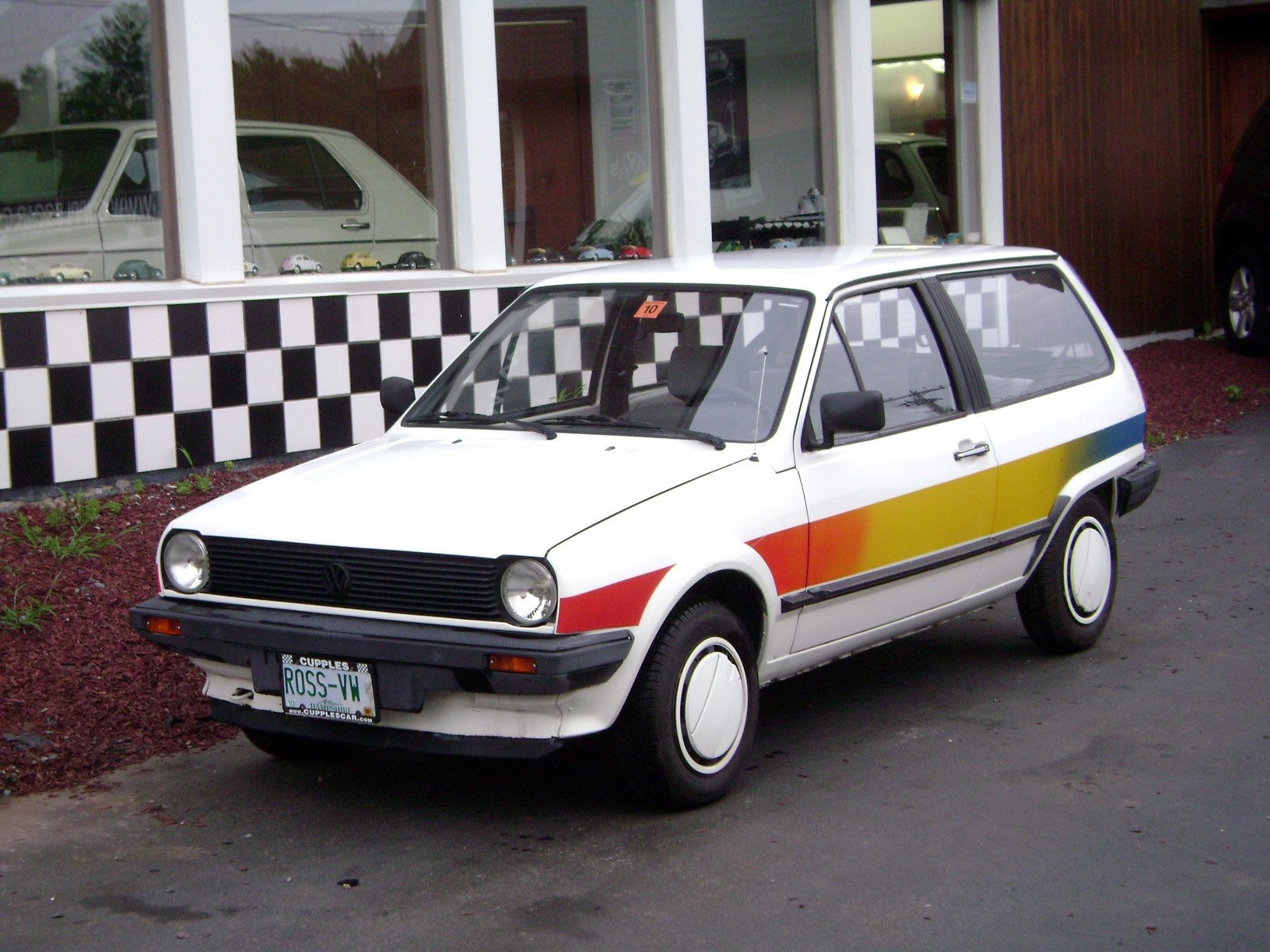
Other than the signature stripe, the Öko-Polo is indistinguishable from any other late-1980s-style Polo Squareback, owner Ross Cupples said.

“I have about 70, most of which are low-mileage, original cars,” Cupples said. His collection fills two buildings, and he is still running out of indoor space as he seeks to keep his vintage vehicles in protected from the elements. “It’s been a fun challenge to research and make connections as I seek out rare models over the years.”

The Oko-polo gauges.

The German translation of Öko-Polo is Eco-Polo.

Fuel Efficient

The prototype was designed to run 100 km (62.13 miles) on just 3 liters of fuel, making it an ultra-economical car at the time.

The German translation of Öko-Polo is Eco-Polo.

The little squareback (wagon) had a two-cylinder diesel direct-injection engine and a G40 supercharger. The two cylinders displaced only 858 cubic centimeters and a heat-resistant foam substance encapsulated the engine bay to minimize the noise and vibrations.

After a year of testing, the series of about 50-75 1988 Öko-Polo prototypes ended. Because of the car’s high cost of production, it was never mass-produced, but it did help future models become more efficient. The Öko-Polo’s newly developed technologies were gradually implemented in other Volkswagen models.

Searching For Parts

The chassis Cupples purchased was missing many original 1988 Öko-Polo parts, including the engine and supercharger that made it an economical choice. He imported a 1-liter Polo drivetrain and fit it in the body of the car so it could run, albeit without the Öko-Polo engine.

Still, the chassis remains the only known VW Öko-Polo in the country. Its origins in the U.S. are unknown, but the seller in Wisconsin purchased the chassis from a government auction.

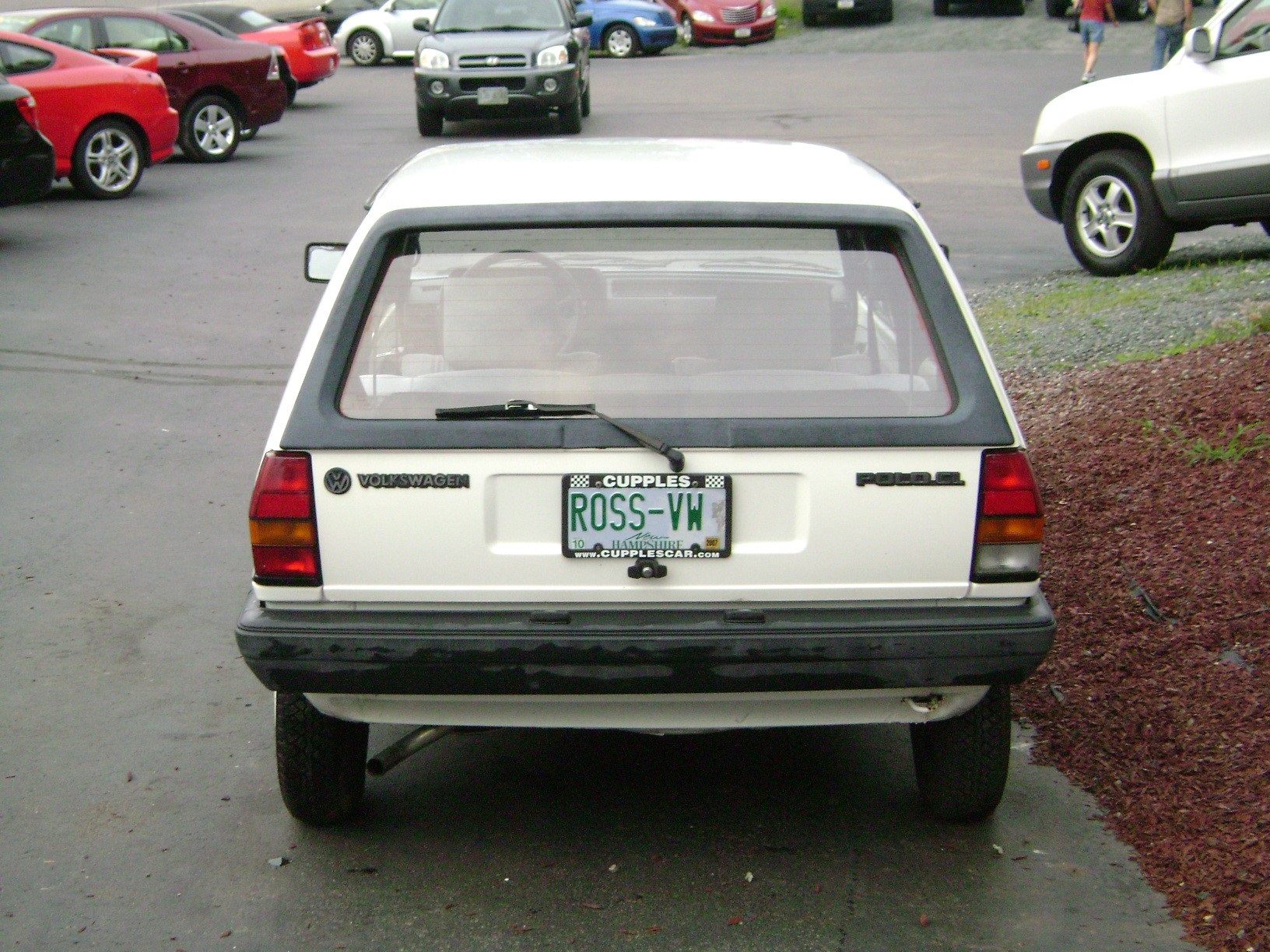
A rear view of the prototype in the dealership driveway

The car’s origins in the U.S. are unknown, but the seller in Wisconsin purchased the chassis from a government auction.

“Other than the signature stripe, the 1988 Öko-Polo is indistinguishable from any other late 1980s-style Polo Squareback,” Cupples said. “At the same time, it’s one of the rarest models in my collection.” Even the Volkswagen museum in Wolfsburg does not display an Öko-Polo prototype, he said.

A exterior rear view of the restored Oko-Polo

The car Cupples purchased was missing many original Öko-Polo parts.

An interest in VW Polos

The vehicle also sparked Cupples’ interest in other Volkswagen Polos. Over the past two decades, he has collected every Polo model and its variant. He believes he is the only collector in the U.S. to have done so.

While some might consider 70 Volkswagens too many, Cupples is not finished growing his collection.

“I have a mentality of trying to have owned at least one of every model in every generation of Volkswagen,” he said. “Having the Öko-Polo has been a part of that mission. I love being able to hold a part of Volkswagen history.”

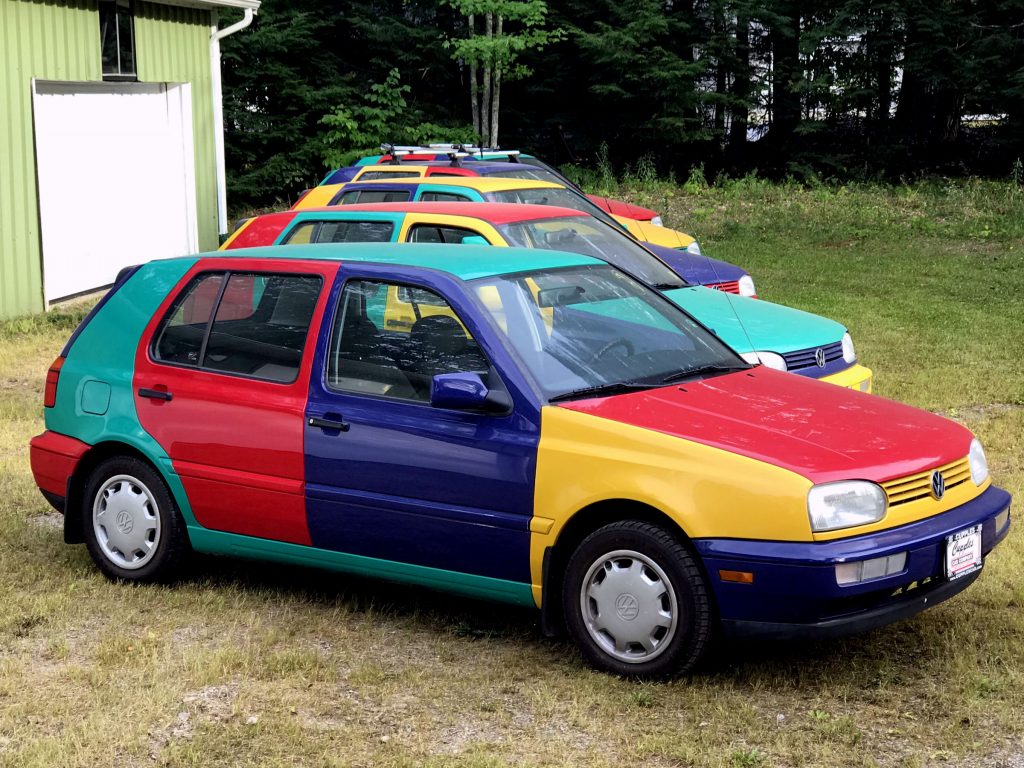
Among his dozens of other Volkswagens have been five Golf Harlequins, with at least one of each color combination.

A series of five colorful VW Gold Harlequins

Cupples owns five Golf Harlequins, with at least one of each color combination.

Volkswagen Beetle Production Began Dec. 27, 1945

Volkswagen Beetle Production Began Dec. 27, 1945

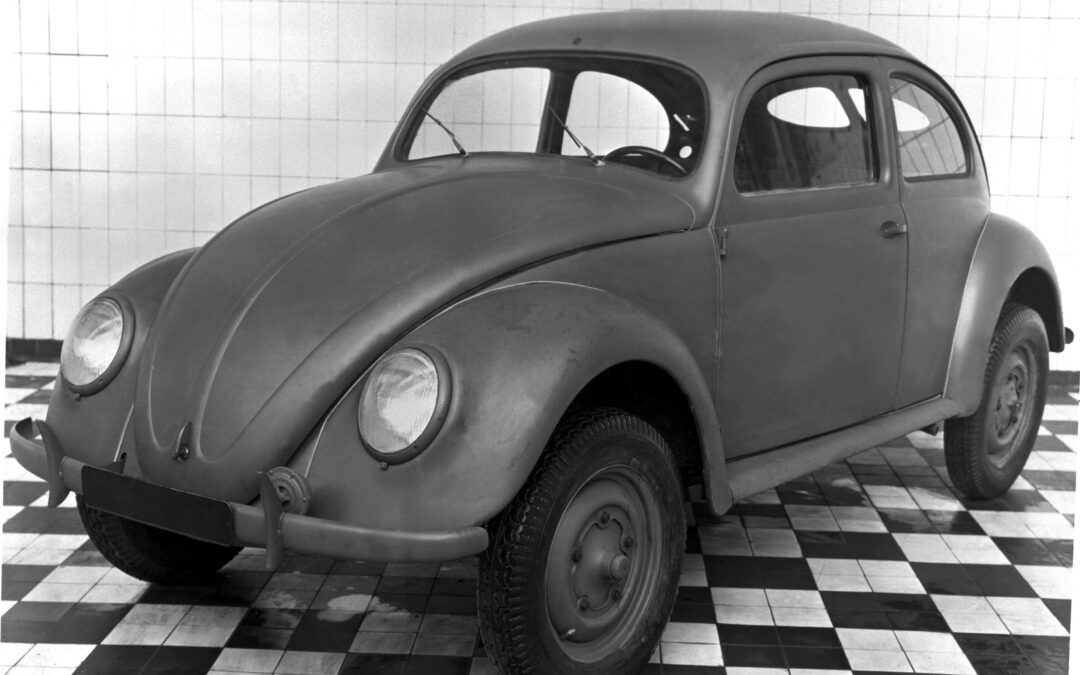
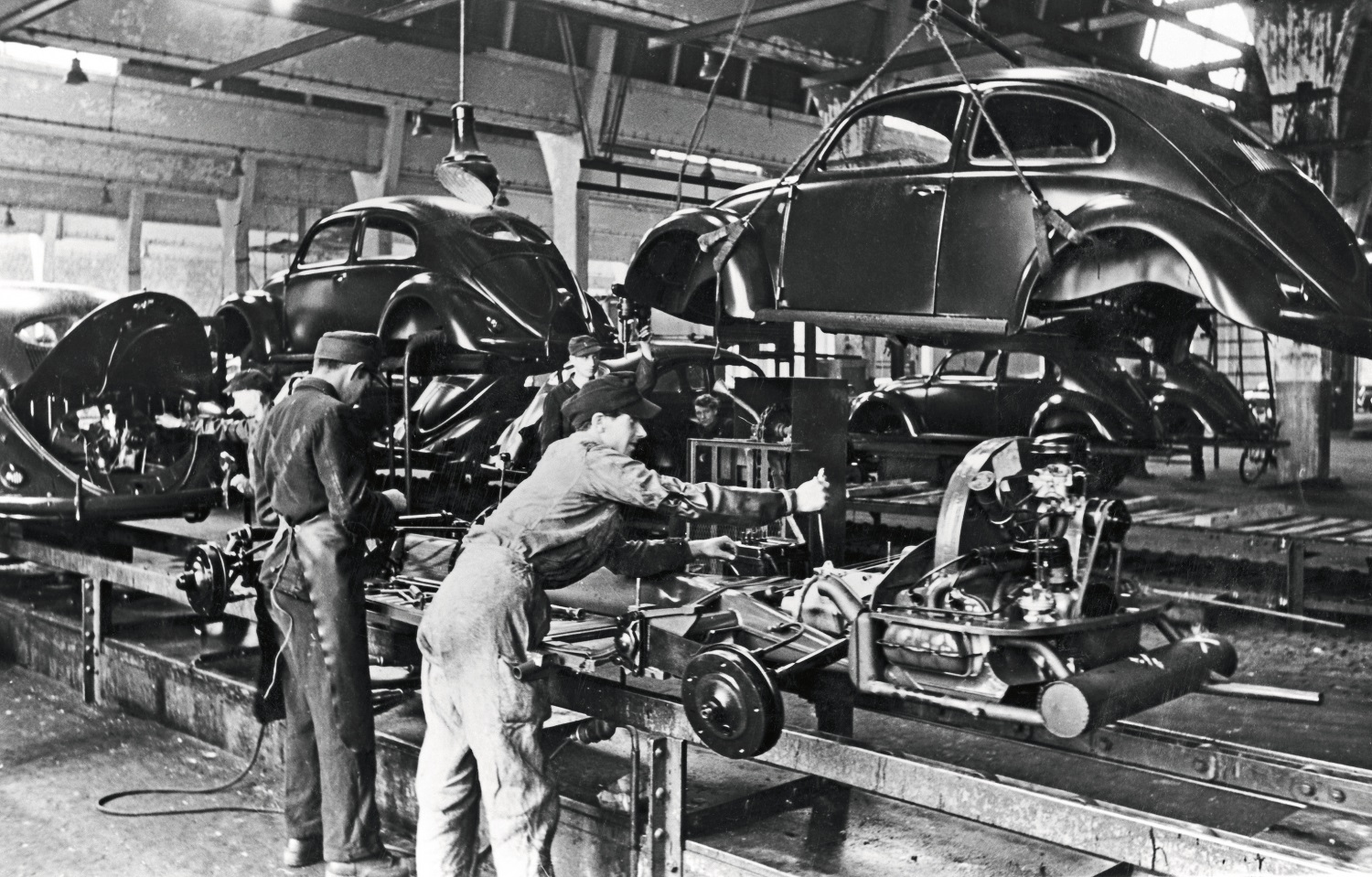
Start of Type 1 VW Beetle production in 1945 at the factory in Wolfsburg, Germany. (VW US)

BY MARK MAYNARD

Series production of the Volkswagen “Beetle” Limousine began on Dec. 27, 1945. It was referred to internally as “Type 1,” and later became world-famous as the “Beetle.” The little sedan’s success story started in Wolfsburg, Germany, and is credited to British Major Ivan Hirst.

According to a release by VW US, in June 1945, the British Military Government Series assumed the trusteeship over Volkswagenwerk GmbH. Following the end of World War II, the production of the Volkswagen Type 1 sedan (limousine) began as a vehicle for transport tasks.

Major Hirst’s British was known for his pragmatism and talent for improvisation. The two traits made it possible for him to transform an armaments plant into a civilian industrial company in an impressively short timeline.

The British Military Government issued an order for 20,000 vehicles in August 1945. The start of production was a visible sign of a new beginning and hope. The factory had been largely destroyed by the end of World War II.

The first Beetle, with the split rear window. (VW US)

Wartime Challenges

There were many wartime challenges. There were personnel shortages to support the workforce and production bottlenecks for raw materials and energy. But the first Volkswagen sedan left the production line just after Christmas. By the end of 1945, 55 cars had been produced.

From 1946 to the currency reform of 1948, about 1,000 vehicles were produced per month. It was not possible to produce more vehicles with the material shortages, rationing, and lack of personnel. Sales were jump-started in 1947 with exports of the car.

Volkswagen discontinued production of the original VW Beetle in Mexico in 2003. By then 21,529,464 VW Beetles had been manufactured, including about 15.8 million in Germany.

For more on the so-called “People’s Car” see its Wikipedia page.

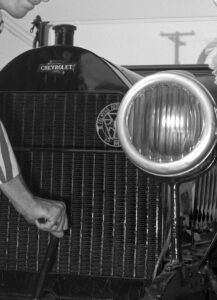
Debut of the signature Chevrolet bowtie badge

Debut of the signature Chevrolet bowtie badge

The signature Chevrolet “bowtie” badge, as it debuted in 1913. (GM)

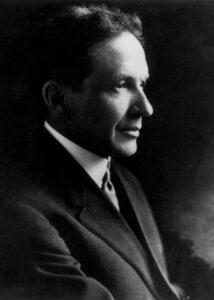
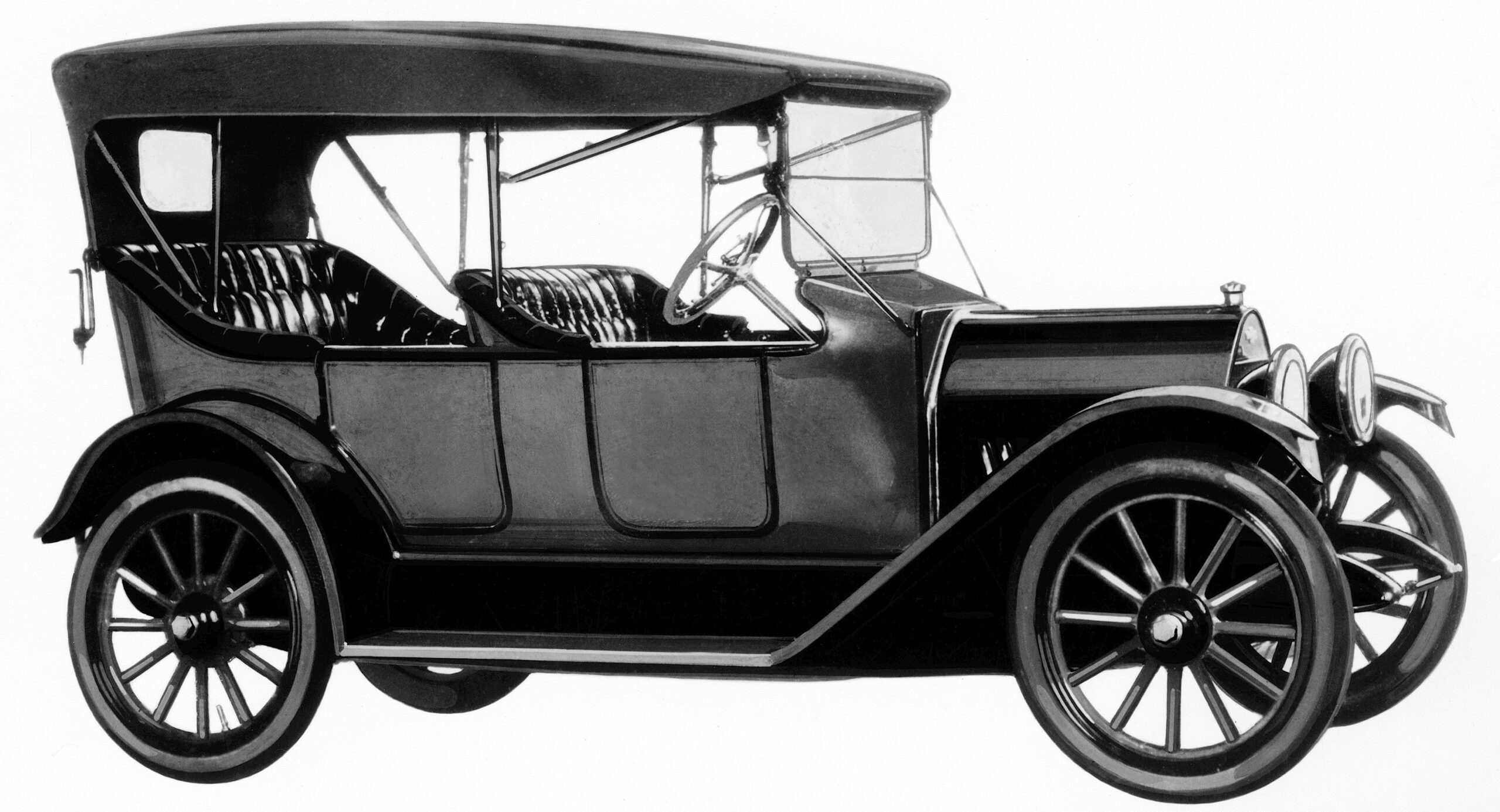
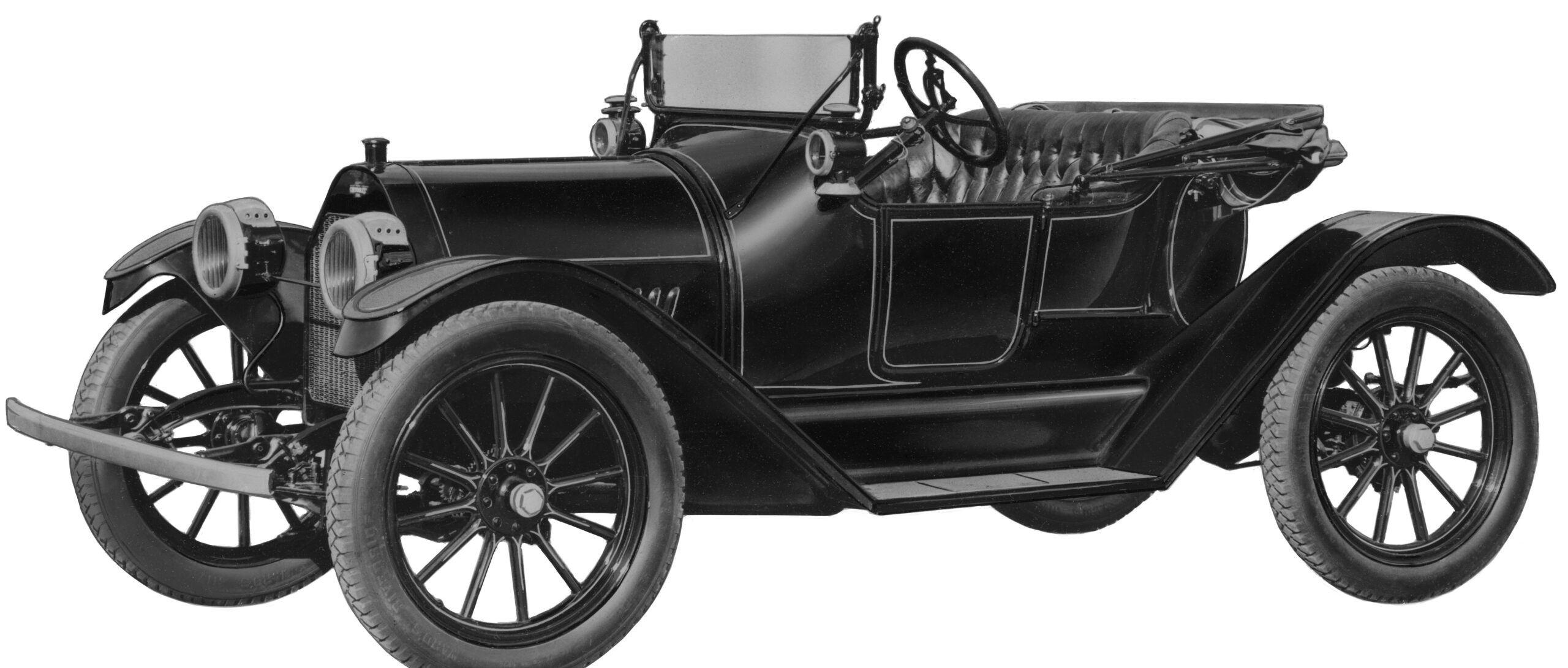
In 1913, Chevrolet co-founder William C. Durant introduced the signature Chevy bowtie on the 1914 Chevrolet H-2 Royal Mail and the H-4 Baby Grand, centered at the front of both models.

“Billy” Crapo Durant. (GM)

The Baby Grand was part of Durant’s idea to build a car to compete with the popular and affordable Ford Model T, according to Wikipedia.

“When it first came out, it was priced at $875 as a four-door, 5-passenger touring car (a 1914 Model T touring was $500).

“A speedometer was standard. One advantage over a Model T Ford was that a Baby Grand could get an electric starter. (The Model T did not get them until 1919).

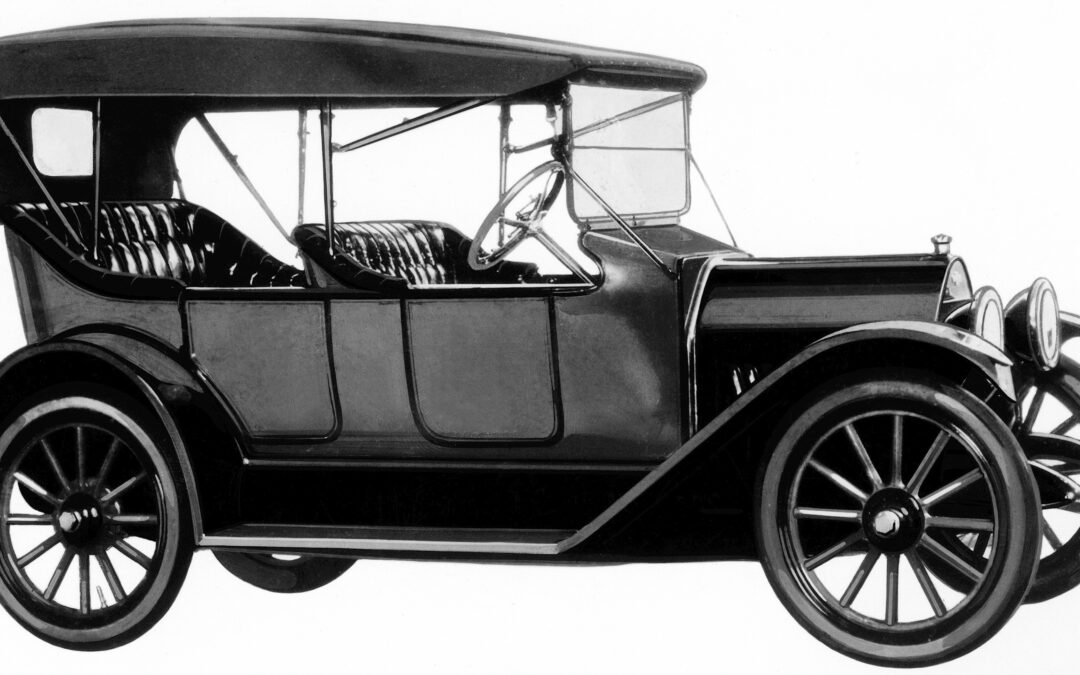
The 1914 Chevrolet H-4 Baby Grand. (GM)

“In 1914 the Series H debuted with the H-2 Royal Mail Roadster and the H-4 5-seater Baby Grand Touring model, both with a 104-inch wheelbase.

The 1914 Chevrolet H-2 Royal Mail roadster. (GM)

The 1914 Baby Grand. (GM)

“In 1916, the Royal Mail model H-2½ was introduced, which was the first integral trunk for Chevrolet with gas tank in the rear between the frame rails.

“The Series H models were moved upmarket when the $490 Chevrolet 490 was introduced in June 1915 to compete directly with the Ford Model T.

“Total Chevrolet production for 1913 was 5,987.”

1956 Chrysler Norseman concept

1956 Chrysler Norseman concept

The 1956 Chrysler Norseman was lost at sea. (FCA US photos)

BY MARK MAYNARD

The Chryser Norseman was a four-seat fastback concept coupe built in 1956. Although designed by Chrysler’s stylists, the actual construction was contracted out to the Italian coach-building firm of Carrozzeria Ghia. The concept car was lost during the sinking of the SS Andrea Doria.

According to Wikipedia, “Chrysler wanted a fully drivable vehicle, not just a rolling mockup, so all normal systems for the powertrain, braking, suspension, were installed. Power was from a modified 5.4-liter, 331 cubic inch Chrysler Hemi engine producing 235 hp with a pushbutton-controlled Powerflite automatic transmission.

“The body panels on the car were made of aluminum with “a sharply sloping hood, upswept tail fins and a covered, smooth underbody for aerodynamic efficiency.” The Norseman combined a “sweeping fastback rear end design and Chrysler’s own take on a tailfin and bumper treatment.”

1969 Dodge Charger Daytona

1969 Dodge Charger Daytona

The most conspicuously styled Dodge of all time. (Stellantis)

BY MARK MAYNARD

The 1969 Dodge Charger was the most conspicuously styled Dodge of all times and served as the homologation model for the Dodge stock cars entered in NASCAR races. Only 505 units were built for NASCAR homologation.

U.S. pricing started at $3,860 U.S. dollars.

The road-going version of the model was powered by the 7-liter, 425-horsepower Hemi 426. The tuned race version reached speeds in excess of 200 mph on oval racetracks.

Overview

The Dodge Charger was introduced on Jan. 1, 1966. It was built off the Dodge Coronet chassis, but it had its own fastback body.  It featured many styling cues from the Charger II concept car like a fastback roof design and full-width taillamps.

The Charger was positioned to take on AMC’s conceptually similar Rambler Marlin. The Charger was better looking but somewhat more expensive. Pricing ranged from $2,850 to $3,100 —  or $22,733 to $24,727 in 2020 dollars.

Significantly, the Charger’s interior was different from all other cars, with a full-length center console and “all bucket seating” front and rear.

Also an innovation, the rear’s pseudo-buckets could be folded down to create interior space accessible via the enormous rear hatch.

The Charger wasn’t intended to compete head-to-head in performance with pony cars but was available with Chrysler’s famed 426 Hemi V8.[9]

The Charger came with a standard 5.2-liter, 318 cubic-inch V-8 engine delivering 230 horsepower. Other available engines included a 265-hp 361 cubic-inch V-8 engine, or a 325-hp 6.2-liter, 383 cubic-inch V-8.

However, it was the availability of a massive 426 cubic-inch Street HEMI engine that provided 425 horsepower and 490 foot-p;ounds of torque that forever defined the vehicle.

The 1969 Dodge Charger body style carried over from 1968 with minor exterior changes like a new grille and taillamps.

The HEMI engine was installed in less than 2 percent of ’69 Dodge Chargers, yet contributed immensely to the image and desirability of the Charger lineup.

The 1969 Charger gained fame as the tire-squealing getaway car driven by Bo and Luke Duke for seven seasons on the TV series, Dukes of Hazzard.

1965 Dodge Charger II concept

The Dodge Charger featured many styling cues from the Charger II concept car.

Dodge Charger At the Track

The 1969 Dodge Charger 500, featuring a flush rear window to improve aerodynamics, was introduced especially for NASCAR.

The Charger Daytona was introduced in September and built specifically for NASCAR competition.

The Daytona featured a large aerodynamic nose and a huge “wing” spoiler in the rear that stood 58 inches above the trunk.

All Dodge Charger Daytona models were powered by either a 440 Magnum cid or 426 HEMI engine.

Dodge Charger Daytona won its first NASCAR Grand National race at Talladega (Ala.) in September followed by a win at Texas International Speedway.

From September 14, 1969, through the next year, Charger Daytona and the Charger 500 won 45 out of the next 59 races.

The car dominated racing so much that NASCAR eventually placed restrictions on the HEMI engine by forcing the use of carburetor restrictor plates on Chrysler models featuring the HEMI engine and limiting engine displacement to a maximum of 305 cubic inches on Charger Daytona and Plymouth Superbird models.

Driver Buddy Baker, behind the wheel of a HEMI-powered Charger, became the first to top the 200 mph mark on a closed-circuit course in 1970.

Vin Car Pic: 1936 Buick Century

Vin Car Pic: 1936 Buick Century

The first Buick to reach 100 mph was the Century, in 1936. (GM archives)

“The banker’s hot rod”

The Buick Century was long the quintessential American comfort-mobile. The Century nameplate was first used by Buick for a line of upscale full-size cars from 1936 to 1942 and 1954 to 1958, as well as from 1973 to 2005 for mid-size cars, according to Wikipedia.

“Buick renamed its entire model lineup for the 1936 model year to celebrate the engineering improvements and design advancements over their 1935 models, introducing a “streamlined” appearance.

“The first Buick Century debuted in 1936 as a shorter and lighter model featuring the same engine as the bigger Roadmaster and Limited series giving it more performance.

“The Century name was then used on six generations of cars of varying sizes as well as performance and trim levels.”

“The basic formula for the 1936 to 1942 Century was established by mating the shorter behind-the-engine cowl Special bodies to the Roadmaster’s larger straight-eight engine — and consequently longer engine compartment.

“In contrast, the 1940 Series 50 Super combined the larger Roadmaster body with the smaller Special engine.

While the Special was powered by Buick’s 233 cubic-inch inline-8, rated 93 hp, Centurys produced between 1936 and 1942 were powered by the 320-cubic-inch producing 141 hp, making them the fastest Buicks of the era and capable of sustained speeds of 100 mph, hence the name Century (100), earning the Century the nickname “the banker’s hot rod.”