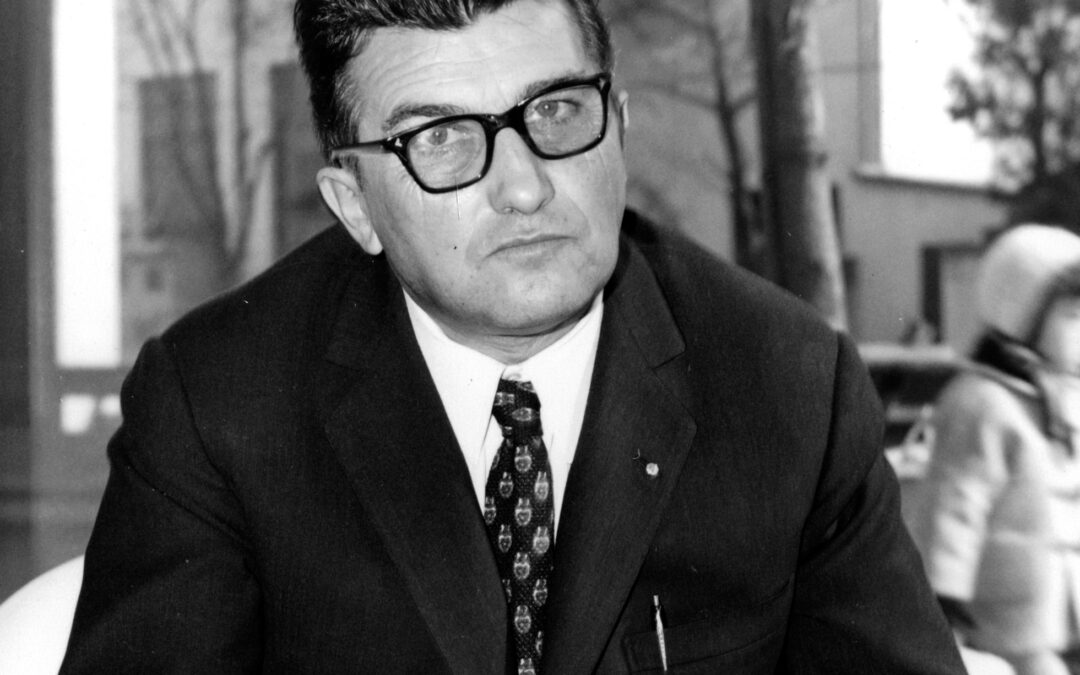
Ferruccio Lamborghini was born on April 28, 1916, in the hamlet of Renazzo, in the municipality of Cento province of Ferrara
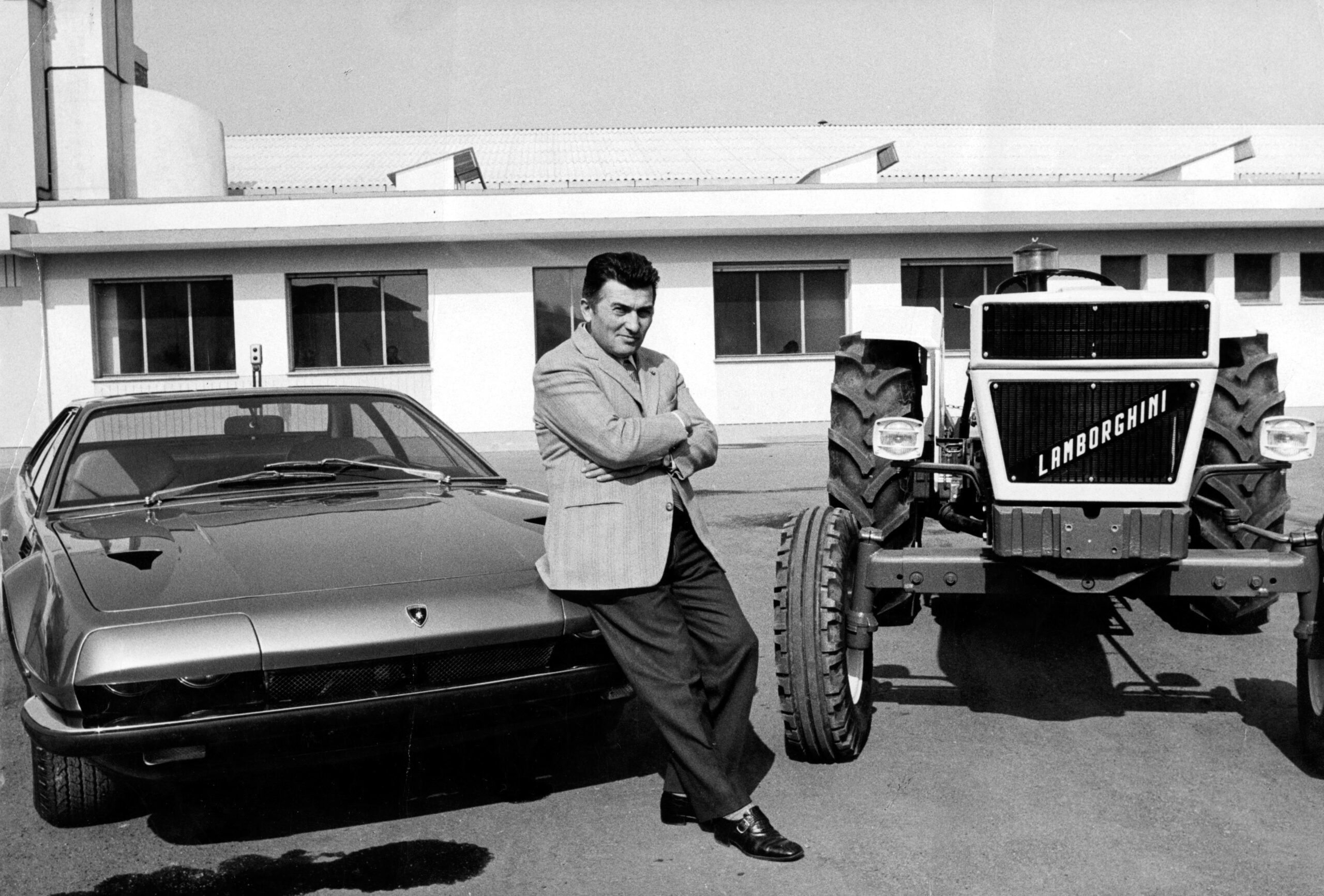
From humble beginnings in a farming family, Ferruccio Lamborghini had a talent for mechanical engineering that would lay the foundation for his future namesake car company. (Photos courtesy of Lamborghini)
April 28 is a holiday at Lamborghini headquarters in Sant’Agata Bolognese, Italy. The company celebrated the 105th birthday of its founder, Ferruccio Lamborghini, who passed away in 1993 at age 77.
Growing up in a farming family, Ferruccio had a talent for mechanical engineering that would lay the foundation for his namesake car company.
The Automobili Lamborghini factory was established in 1963. Ferruccio was the inspiration for its most iconic models, such as the Miura and Countach. He was driven by a desire to improve and innovate.
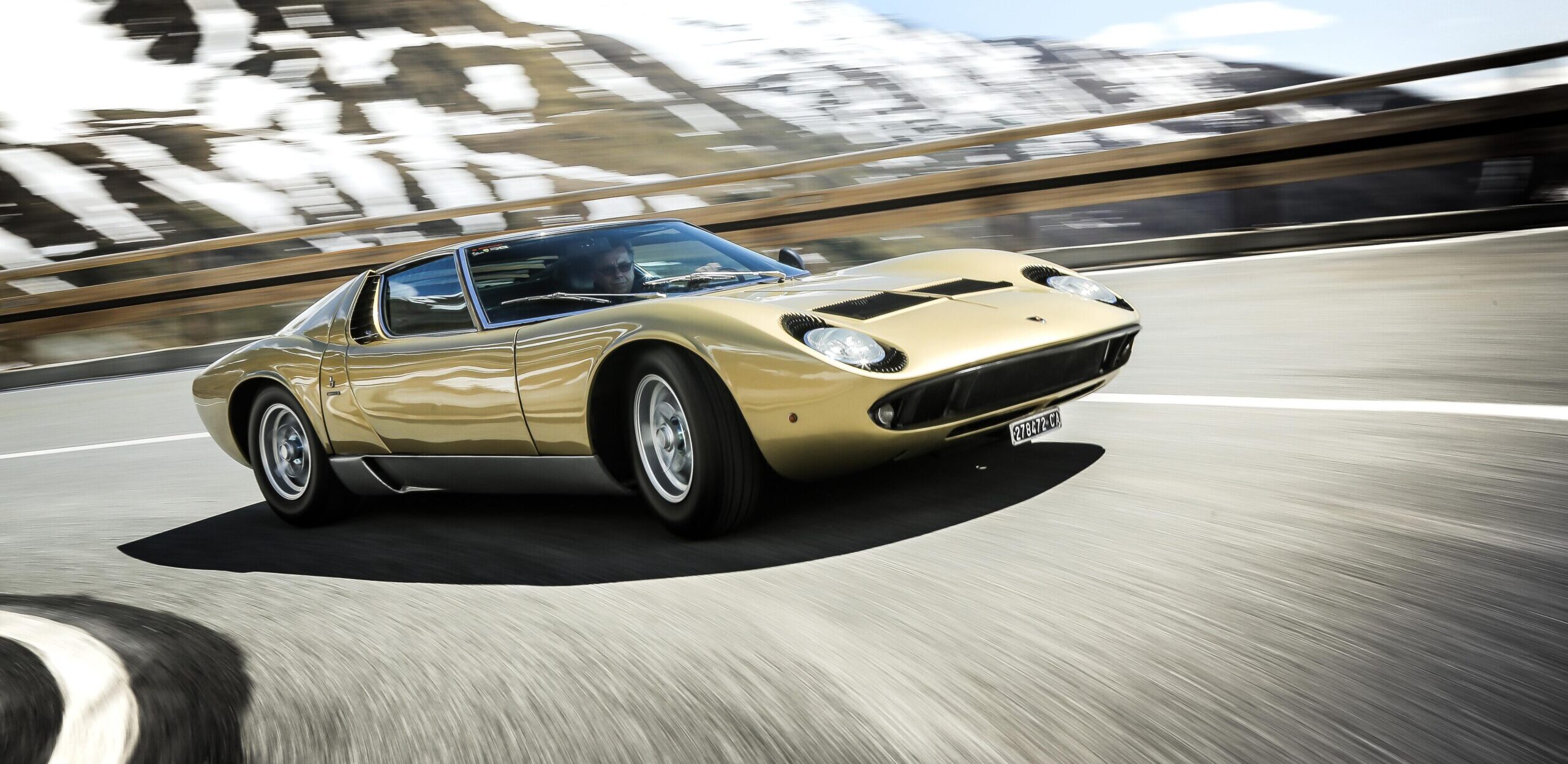
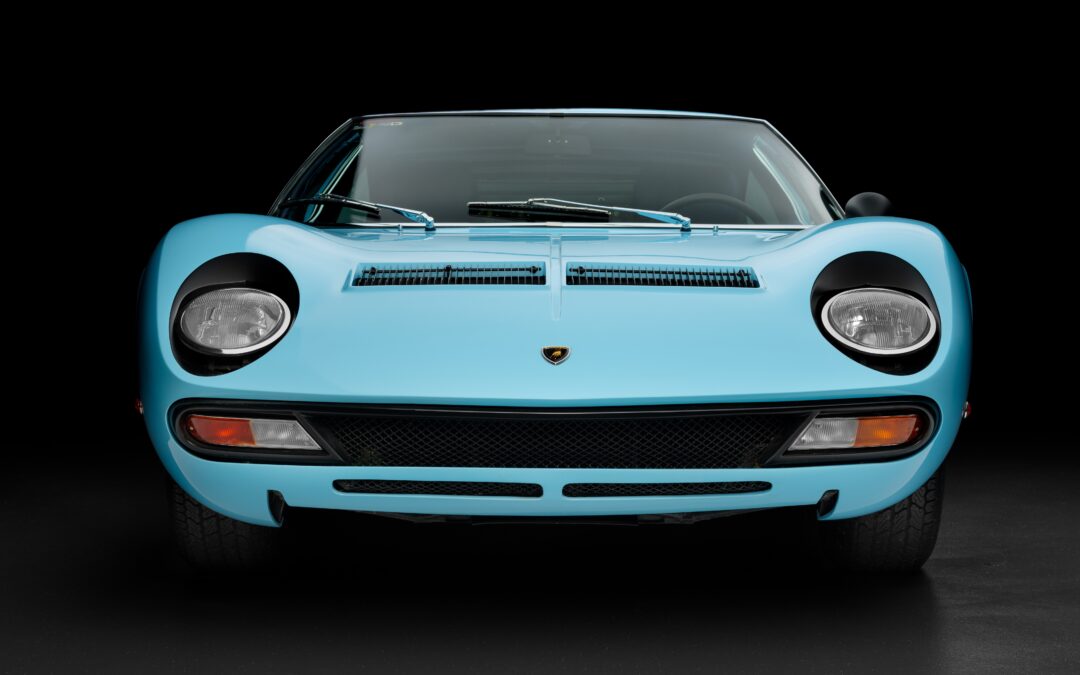
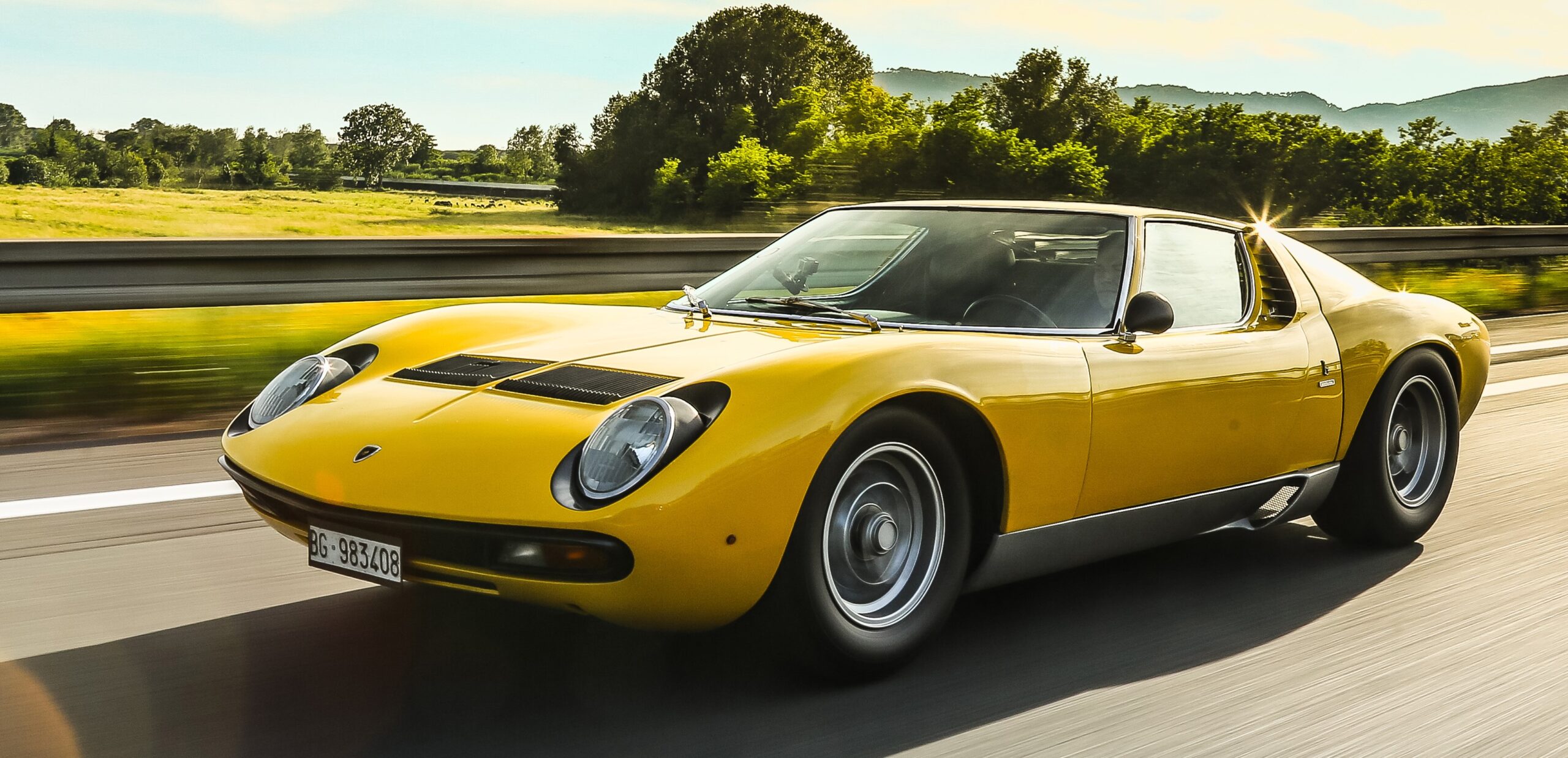
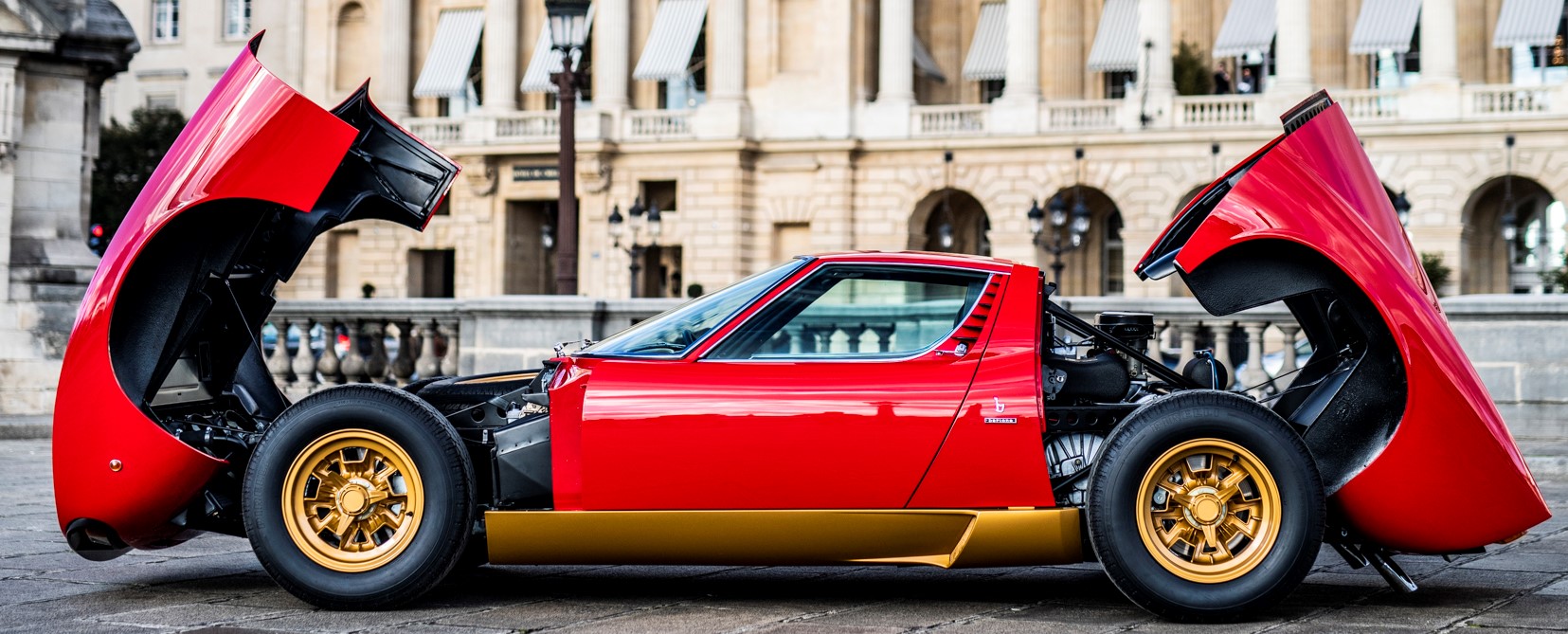
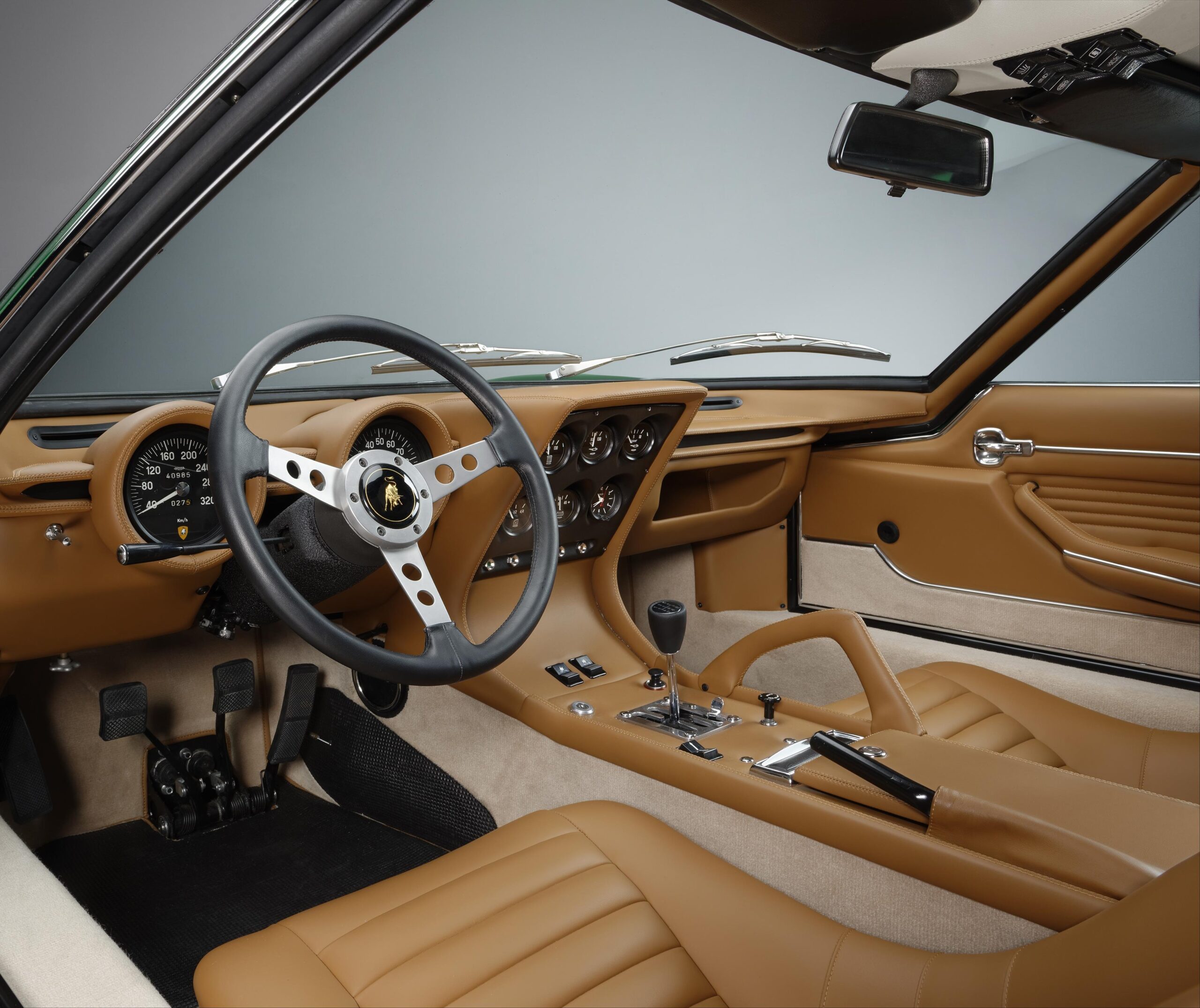
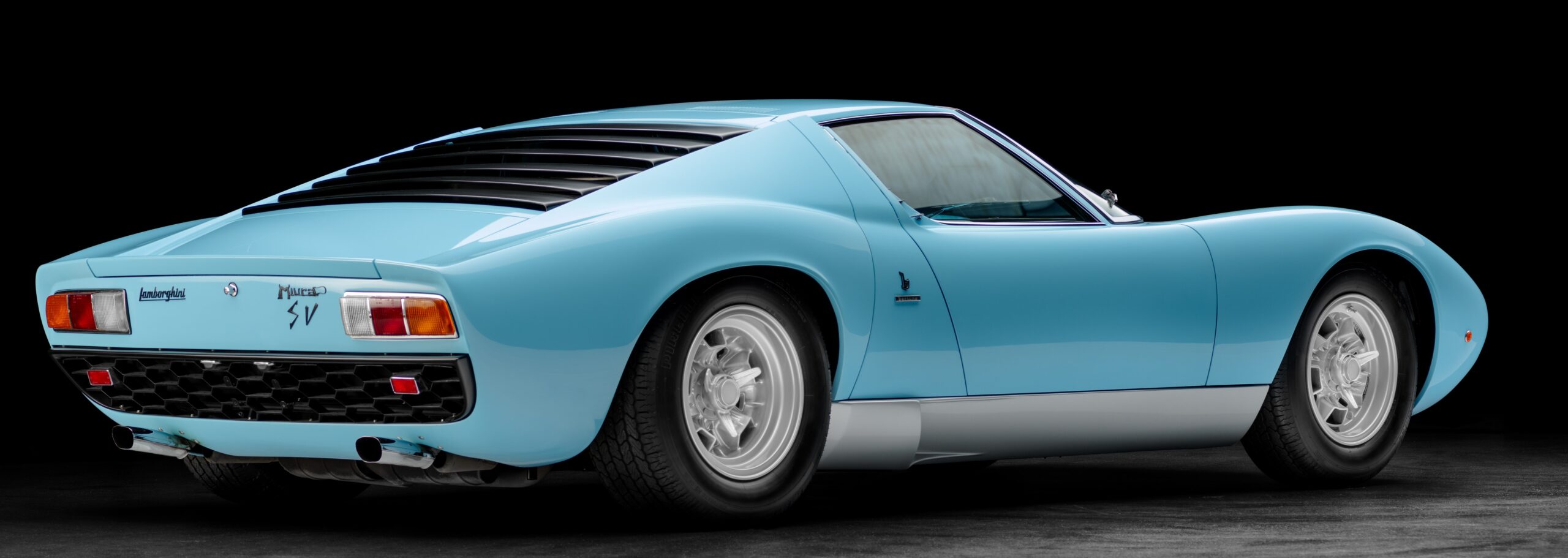
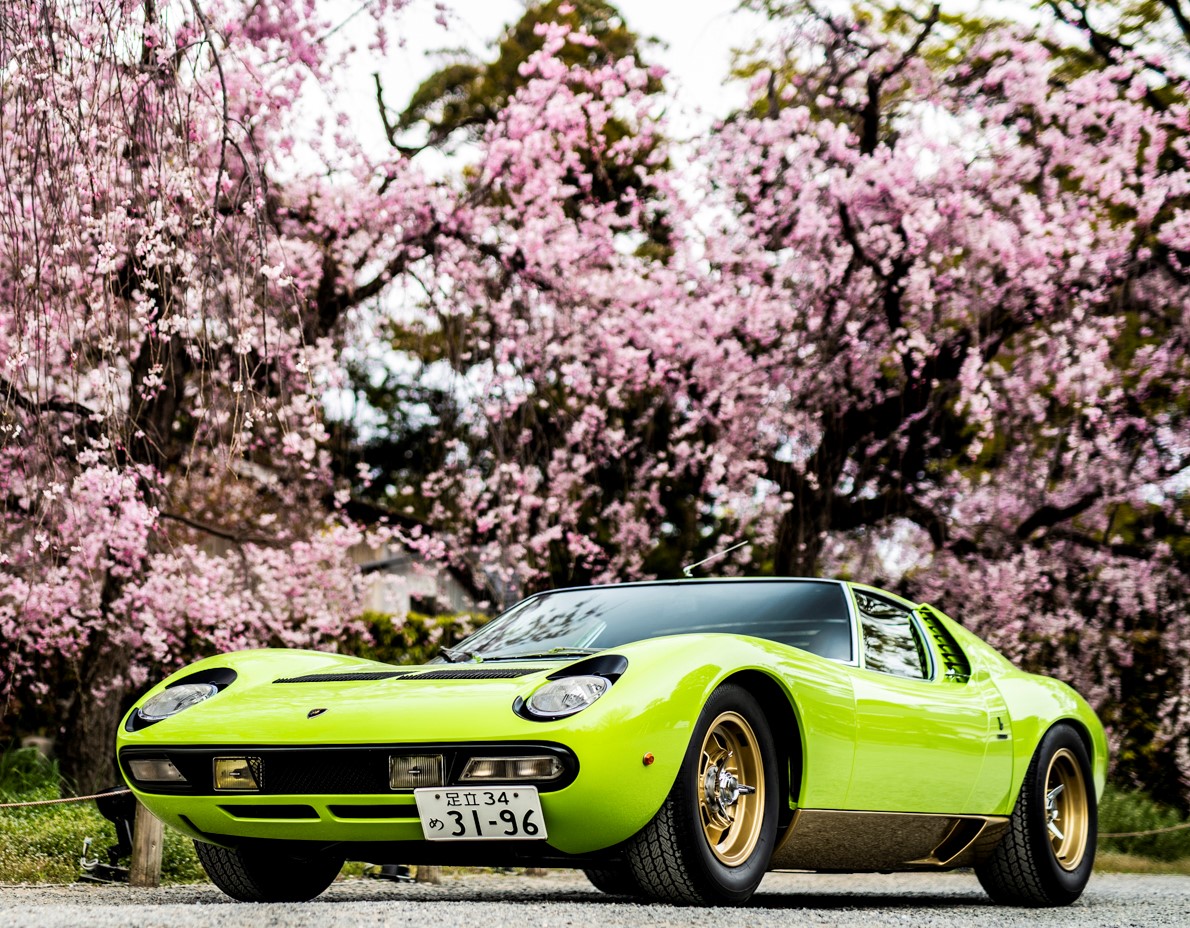
The 1966 Miura rewrote the history of Grand Touring supercars.
Lamborghini sold the company in 1973-1974, when it had become one of the world’s most successful manufacturers. Today, the company adheres to the founder’s legacy of continuous innovation.
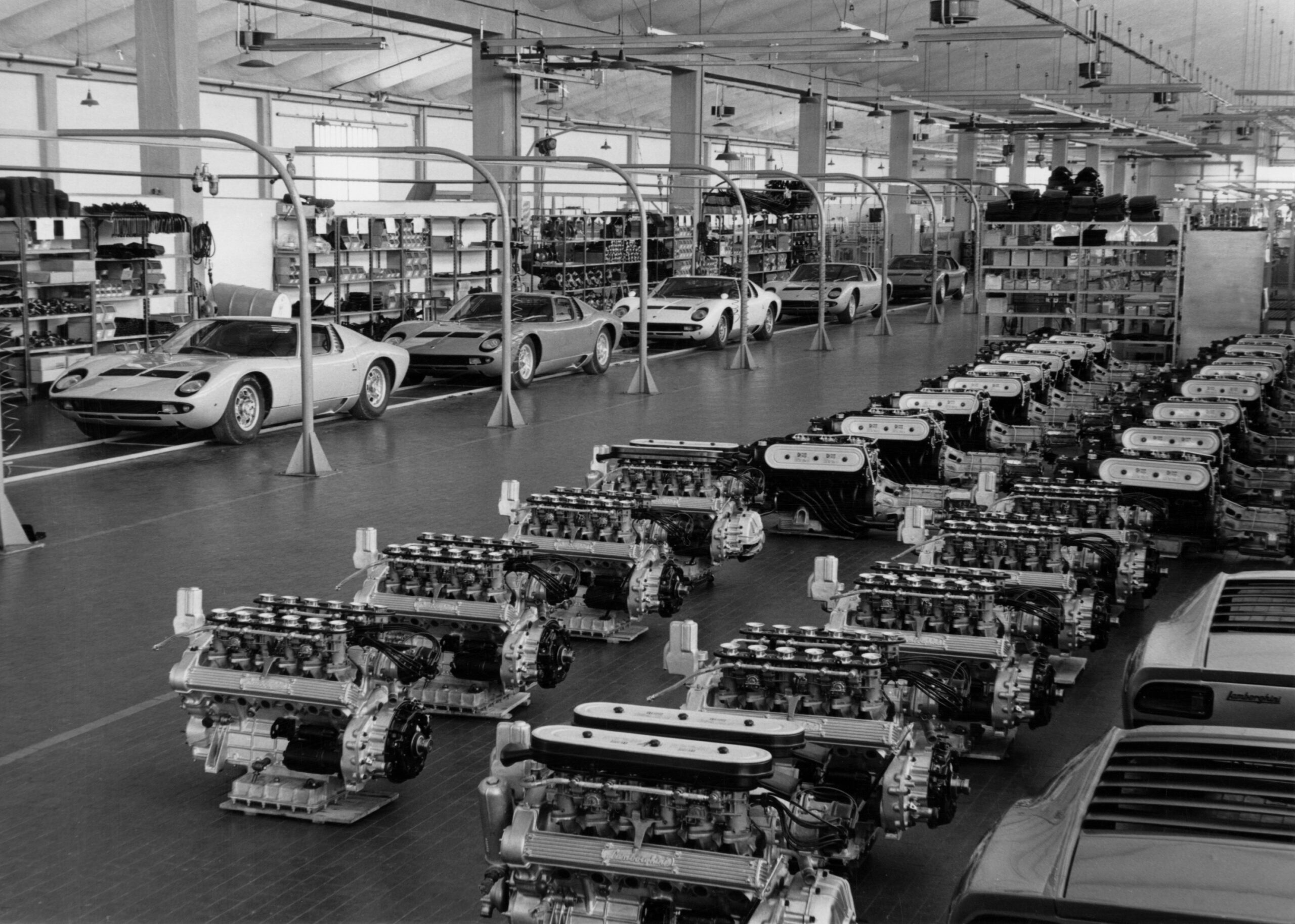
The 1965 Miura production line.
The Lamborgini History
In the early 1960s, Ferruccio Lamborghini was the determined owner of a tractor factory. It was during that time that he resolved to build a new luxury super sports car.
He began working on his ambitious project, and in 1963 he bought a huge plot of land in the town of Sant’Agata Bolognese. It was the location where he would build a large and modernized factory.
The company bore his name, and a bull was chosen as a logo to express the strength and power symbolized by his astrological sign, Taurus.
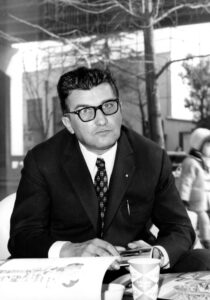
During WWII Ferruccio was assigned to the 50th Mixed Operations Vehicle Fleet, stationed in Rhodes, in charge of the maintenance of all military vehicles on the island.
Ferruccio’s Farming Roots
Ferruccio Lamborghini was born on April 28, 1916, in Renazzo, a hamlet in the municipality of Cento (province of Ferrara). He was the eldest son of farmers Antonio and Evelina Lamborghini. His destiny seemed set in stone because tradition dictated that the eldest son inherited the family farm. Young Ferruccio, however, was more attracted to mechanics than to the land. From a very young age, he preferred to spend his afternoons in the farmstead workshop.
Just like the typical character traits of those born under the sign of Taurus, Ferruccio was strong, tenacious and convinced by his own ideas.
As a boy, he managed to get hired by the best mechanical workshop in Bologna. It was then that he was able to discover all the secrets of mechanics.
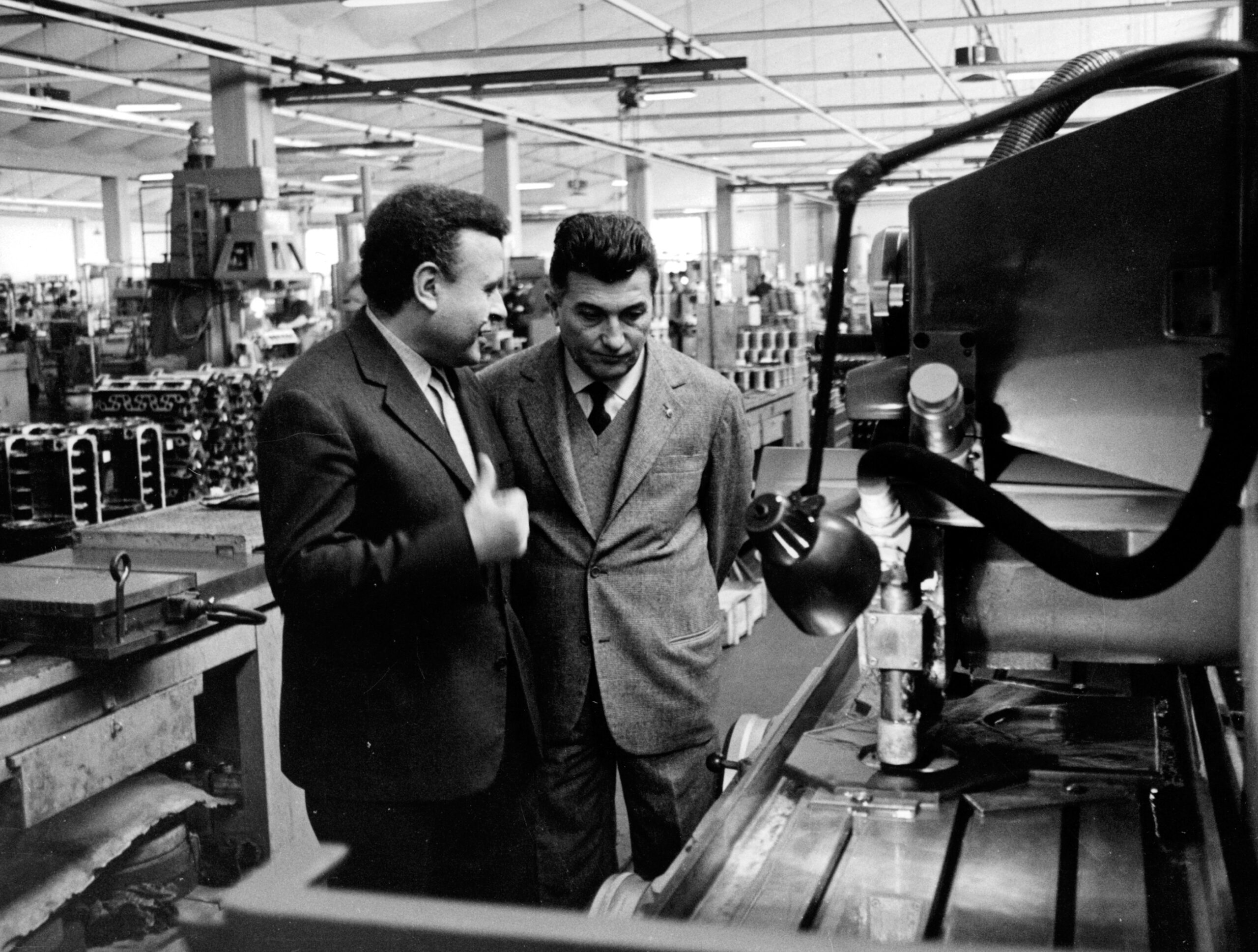
On the factory floor.
At the outbreak of World War II, Ferruccio, by then an experienced and highly regarded mechanic, was drafted and assigned to the 50th Mixed Maneuver Motor Fleet stationed in Rhodes, Greece, which took care of the maintenance of all the military vehicles present on the island, including diesel trucks and tractors used to tow aircraft.
The alternating fortunes of the war would see Ferruccio successfully repair — and sometimes also break, as he would later recall — vehicles belonging to the Italians, Germans, and British.
It was in Rhodes, just after the end of the war, that he opened his first company: a small mechanical repair shop.
In 1946, he returned to Italy and, taking advantage of incentives put in place to support the economic recovery, Ferruccio opened a machine shop in Cento where he repaired motor vehicles and built small utility vehicles.
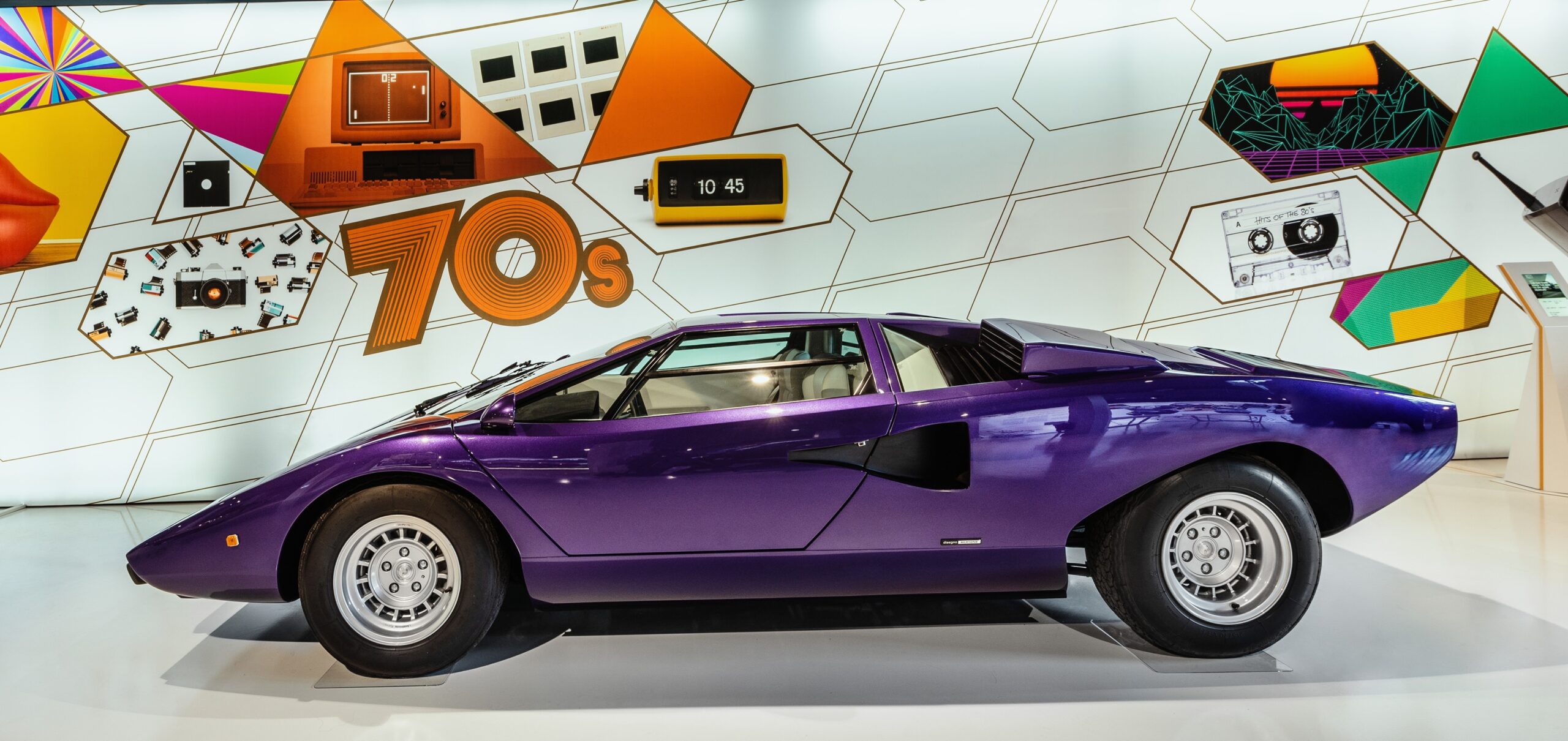
The Countach LP 500 debuted in 1971.
The Lamborghinetta Tractor
It was while working in the shop he observed the crisis suffered by local agriculture. Thinking back to the tractors he had repaired in Rhodes, Ferruccio developed a plan. He would build tractors that would be affordable for small landowners.
He began by using components from old military vehicles.
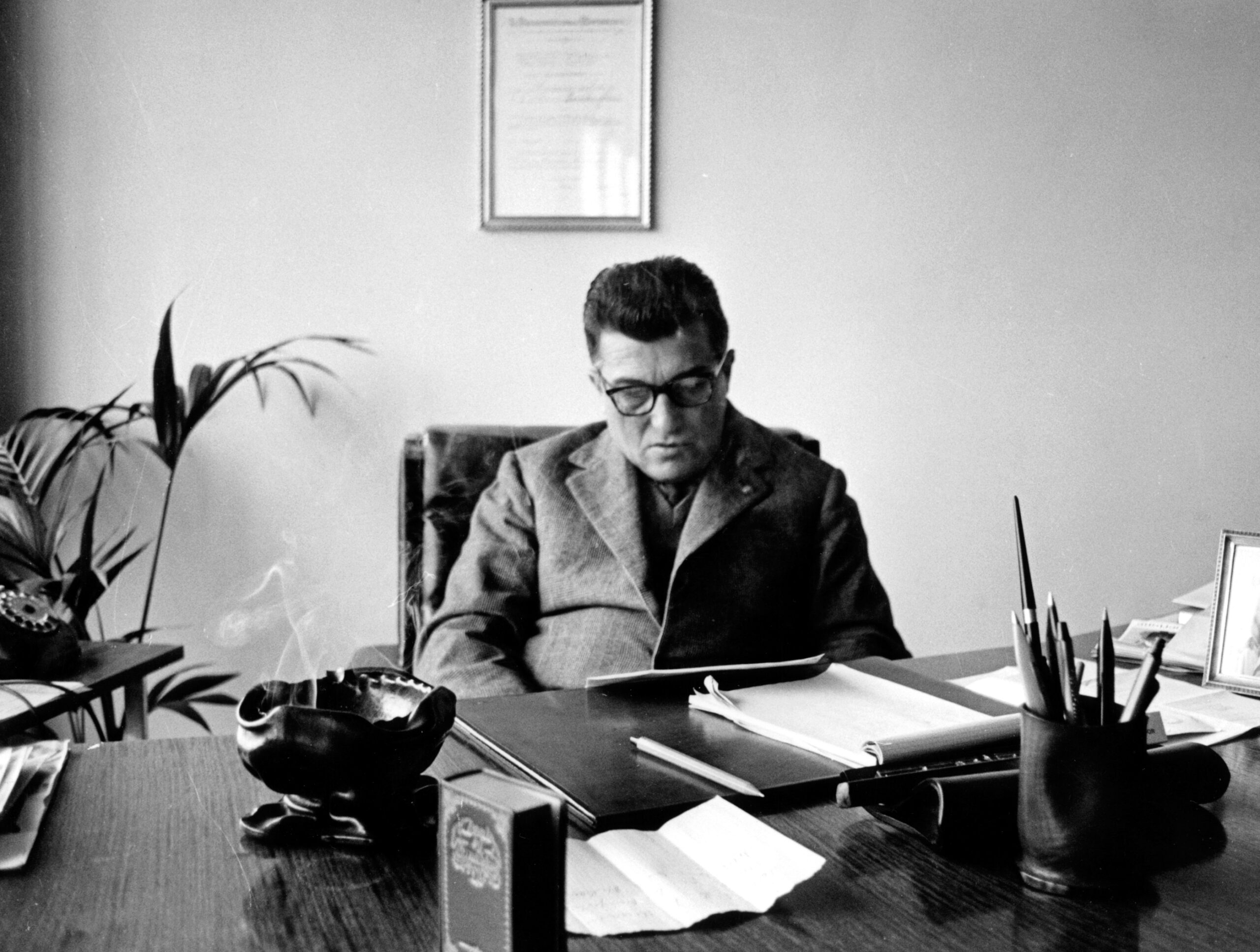
Ferruccio Lamborghini was born on April 28, 1916.
The first vehicle to be transformed was a Morris truck, to which Ferruccio applied his own invention for a fuel vaporizer. His device allowed the tractor to be started with gasoline and then switch to diesel.
The prototype Lamborghinetta tractor was revealed on Feb. 3, 1948. During the town’s celebration of the feast of the patron saint of Cento, Ferruccio sold 11 tractors.
With that success, Ferruccio had to go into debt with the bank to buy a block of 1,000 Morris engines. With his father’s approval, he used the family farm and everything he had as collateral.
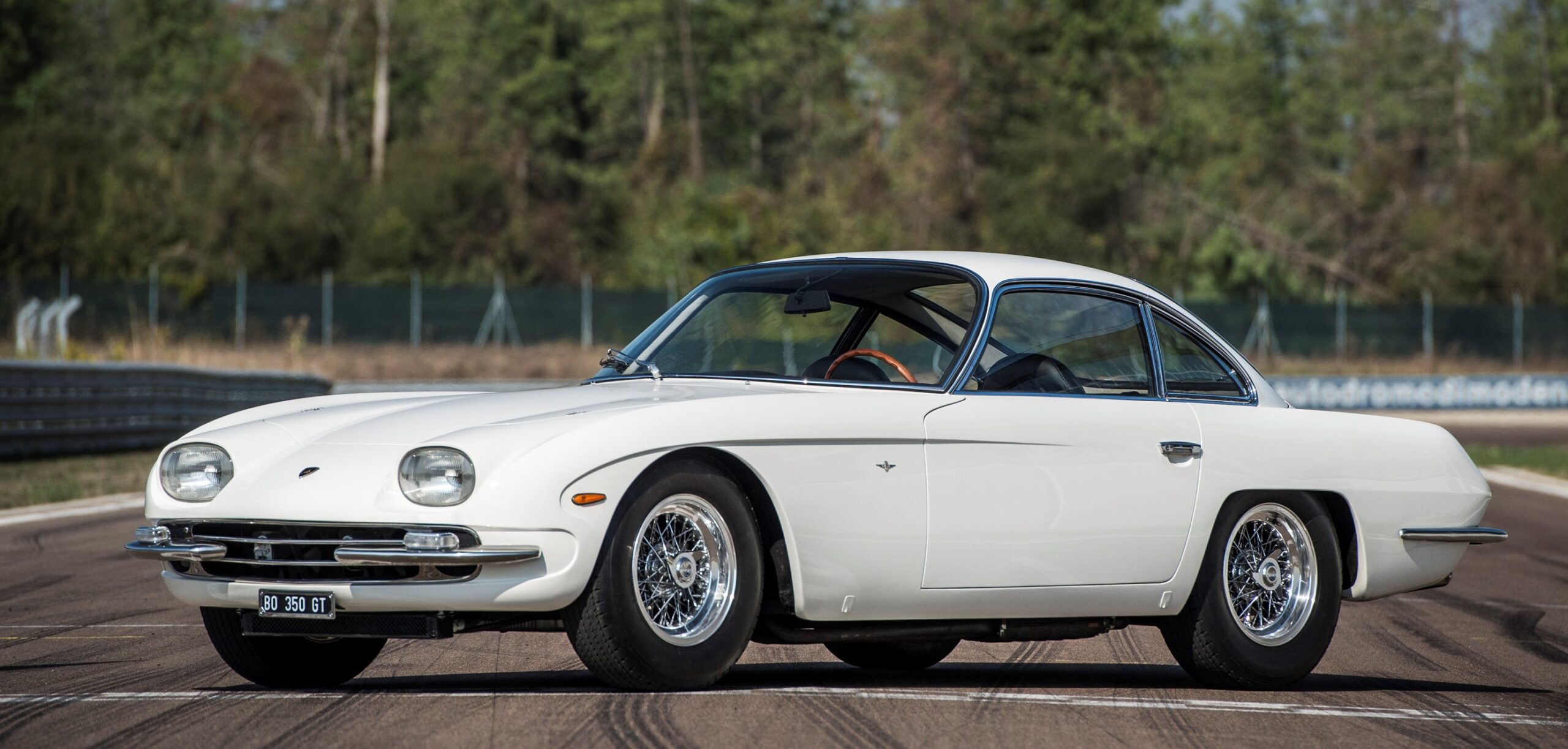
The 1964 350 GT V-12 is considered the first true Lamborghini.
The Lamborghini Logo
By 1963 he was counted among the most important industrialists in Italy. It was then that his attention shifted from tractors to a desire to build the best grand touring cars in the world. But he would need a suitable logo to characterize them.
A bull was chosen to express the strength and power symbolized by the founder’s astrological sign, Taurus.
His tractors had a very simple silver emblem logo. It was a triangle with the letters FLC for Ferruccio Lamborghini Cento.
Ferruccio worked with the well-known graphic designer, Paolo Rambaldi, for new logo.
Rambaldi asked him what personal characteristics he felt he possessed. “I’m tamugno, which translates to ‘hard, strong, stubborn,’ like a bull,” Ferruccio said. That drive, combined with his zodiac sign, became the world-famous logo of Automobili Lamborghini.
Ferruccio Lamborghini Legacy
The characteristics of innovation and technical curiosity remain the hallmark of Ferruccio Lamborghini. He often hired the best engineers in the world.
The 1966 Miura rewrote the history of Grand Touring. It influenced the journalists who tested it to coin the new term “supercar.”
The 1971 Countach prototype was so groundbreaking that it was still current in 1990. After 17 years of production and 1,999 units produced, the Countach was replaced by the Diablo. It would be Lamborghini’s first super sports car available with four-wheel drive.

The 1968 Espada became known as the world’s fastest four-seater.
Ferruccio has not been in the company for years, but his philosophy endures that even the best can still be improved.
In recent years, the debut of the 2018 Urus super SUV opened up a new market. In 2020 the Sián arrived as the first hybrid Lamborghini. The 12-cylinder car uses supercapacitors to store and release electric power in the quickest and most efficient way.
Ferruccio, who died on Feb. 20, 1993, would have been proud.



 The 1948 Jeep Jeepster. (Photos courtesy Stellantis PR archives)