Select Page

17 Years of the Lamborghini Countach

17 Years of the Lamborghini Countach

Automaker celebrates the 50th anniversary of the Lamborghini Countach in a series of four social-media videos
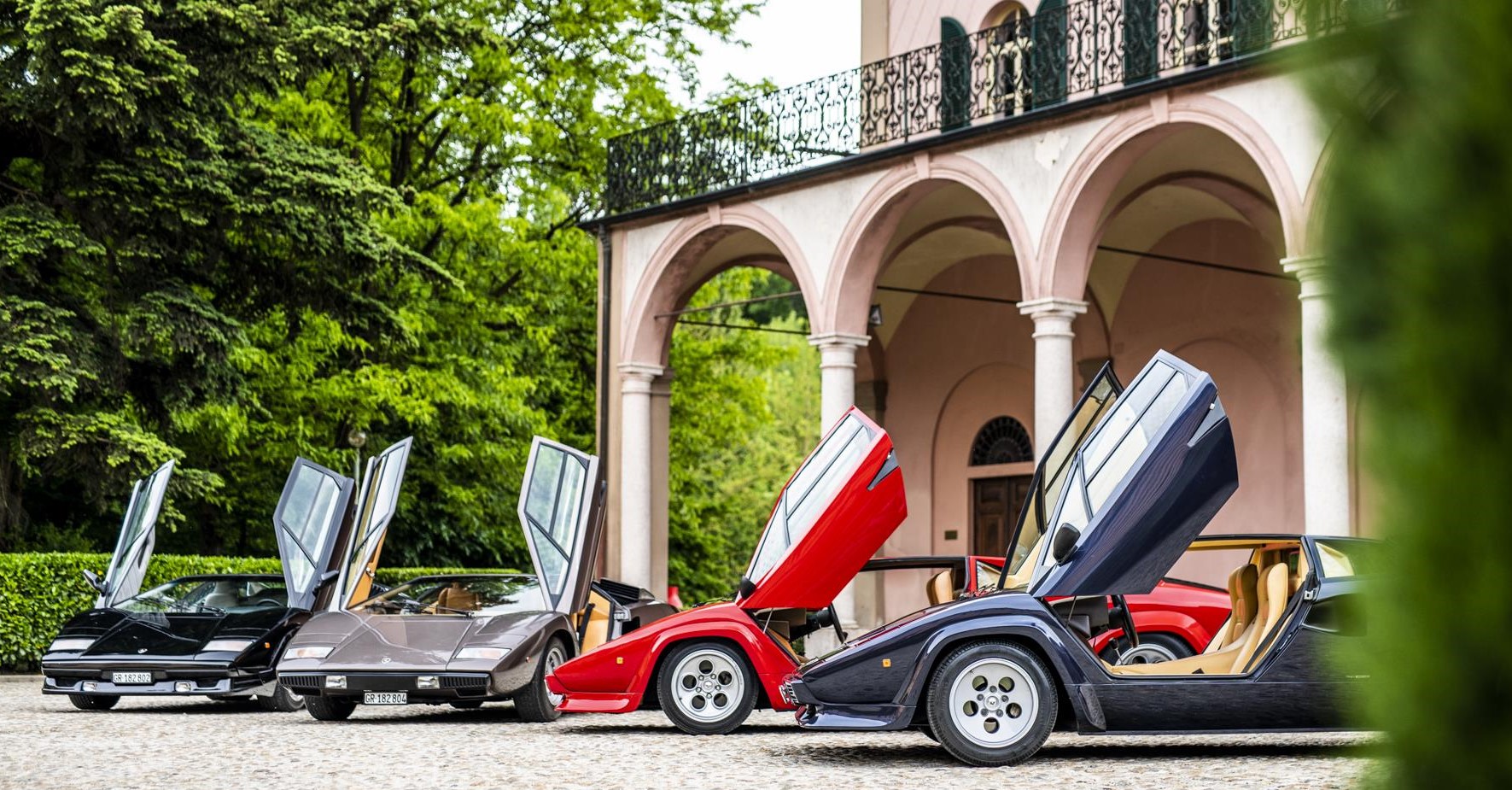
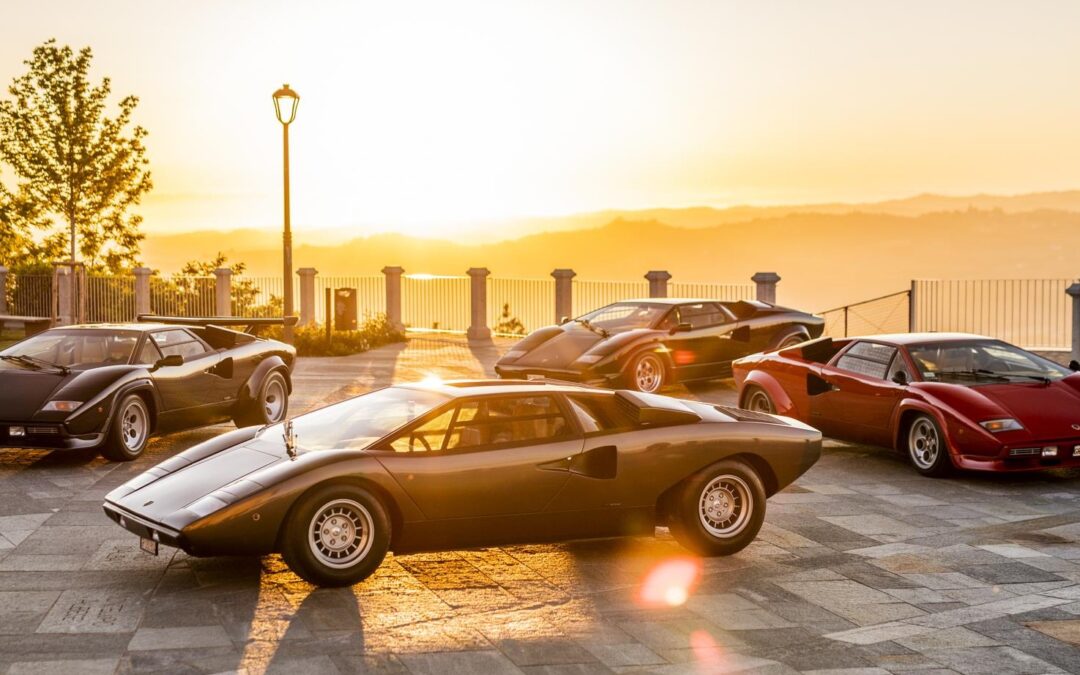
Five generations of the Lamborghini Countach.Five generations of the Lamborghini Countach. (Remi Dargegen)

BY MARK MAYNARD

To celebrate the 50th anniversary of the Lamborghini Countach supercar, Automobili Lamborghini is launching a series of four videos on its social media channels. Every Monday, the Italian carmaker will recount the legacy of the Lamborghini Countach, including interviews with significant personalities who shaped the car.

The first is Marcello Gandini, head of style at Carrozzeria Bertone. He sketched the futuristic lines of this supercar and added its now-iconic scissor doors.

The 1970s was one of ultimate creativity, Gandini says, and one of the important moments for design.

It was an era of individualism, the jet age, and the space race. And it embraced the geometric patterns of the period and the bright colors of fashion trends.
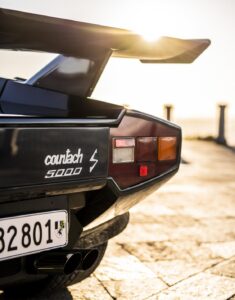
The Countach LP 5000 S badge.

(Remi Dargegen)

Lamborghini  Countach as style and performance icon

The Countach depicted much more than a commercial success. Images and posters of the supercar were on bedroom walls of an entire generation. The supercar also played a starring role in dozens of films.

The Lamborghini Countach fulfilled the role of style and performance icon. As a result, it rightfully won the title in the annals of world automotive history, Lamborghini says.

The Countach had a total production of 1,999 cars (not including the first LP 400 prototype).

Since the beginning of production, the Countach was exported to the U.S. But it was not until 1986, and the debut of the LP 5000 Quattrovalvole, that the Countach was officially approved for North America.

The word “Countach” is an exclamation of the Italian Piedmontese dialect that translates to astonishment and admiration for something.

1971: Countach LP 500 ‘idea car’

Lamborghini Countach LP 500.

Lamborghini Countach LP 500. (Lamborghini)

In the summer of 1970, Ferruccio Lamborghini wanted a revolutionary car to succeed the Lamborghini Miura. The new car had to be technically advanced and faster. And it had to become the sports car symbolizing the 1970s.

The 12-cylinder engine remained but with a displacement increase from 4.0 to 5.0 liters. The engine also was repositioned from rear transverse to rear longitudinal. The five-speed synchromesh manual transmission was placed in front of the engine and practically abutted the seats.

1973: First-gen Lamborghini Countach LP 400
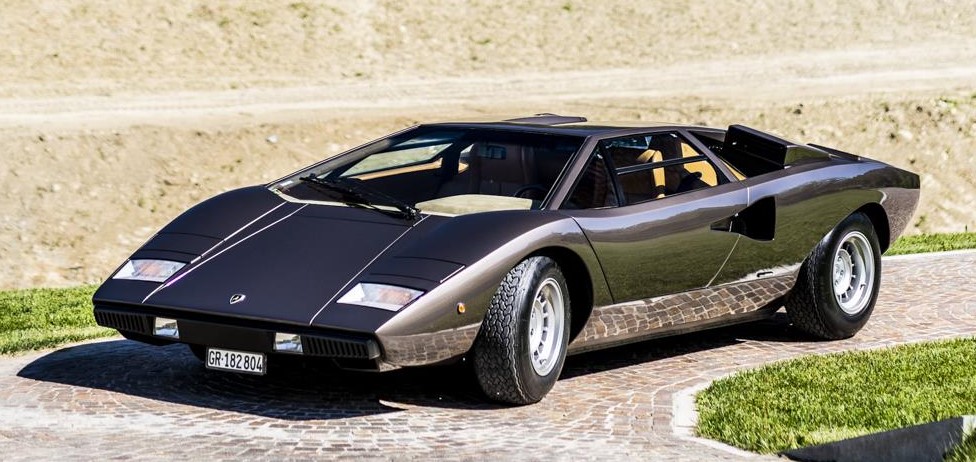
The Countach LP 400

Countach LP 400. (Remi Dargegen)

Early road tests of the 5.0-liter engine uncovered problems that would take more time to sort. So a quick fix was for the engineers to instead use the 4.0-liter engine.

The Countach LP 400 made its official debut at the Geneva Motor Show in March 1973. It was chassis No. 1120001 car. LP 400 was a prototype very similar to what would become the production car.

The LP 400 adopted a tubular trellis frame instead and aluminum was used for the body, not steel panels.

A front view of the Countach LP 400Countach LP 400. (Remi Dargegen)

The 4.0-liter (3929cc) engine used six Weber 45 DCOE twin-body carburetors. The engine developed 375 horsepower at 8,000 rpm and could reach a top speed or 186 mph or 300 kmh.

A red LP 400 was shown at the Geneva Motor Show. It was later repainted medium green for the 1973 motor shows in Frankfurt, Paris, and Earls Court, London.

The show car was sold to a buyer in Switzerland after the show and rediscovered in the early 2000s. Today LP 400 is owned by Automobili Lamborghini. It is now on display at the company museum, the MUDETEC.

The Countach LP 400 is the most sought-after version by collectors, Lamborghini says, with 152 units produced until 1977.

1978: Lamborghini Countach LP 400 S
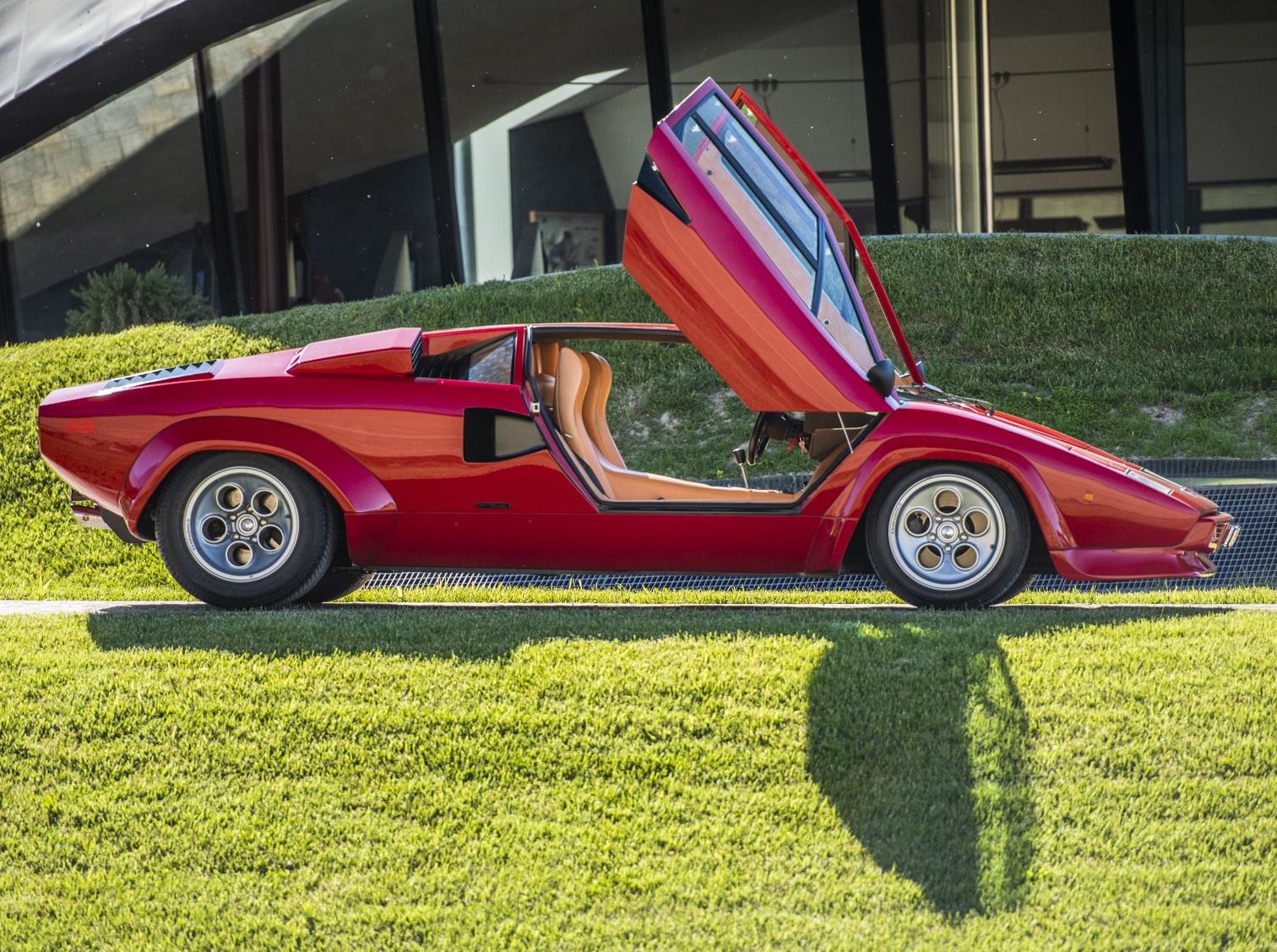
A red Lamborghini Countach LP400S.

Countach LP 400 S. (Remi Dargegen)

The LP 400 was replaced in 1978 by the Countach LP 400 S.

It sported lower profile and wider Pirelli P7 tires. The staggered-width tires mounted on magnesium rims had sizes of 205/50 VR 15 on the front and 345/35 VR on the rear. Wheel-arch extensions were added to contain the larger tires.

The 375-hp, 4.0-liter V-12 engine in the Countach LP 400 S.

The 375-hp, 4.0-liter V-12 engine in the Countach LP 400 S. (Remi Dargegen)

Other updates include an optional ultra-low front spoiler and a rear wing. The wing would become one of the most distinctive features of the Countach.

Never before had a “normal” car with such a racing appearance been seen on the road, Lamborghini says. It was the source of inspiration for each of the subsequent Countach series. Production of the LP 400 S totaled 235 units.

1982: Lamborghini Countach LP 5000 S

An overhead shot of the Countach LP 5000 S.

Countach LP 5000 S. (Remi Dargegen)

The 1982 Lamborghini Countach had an engine upgrade to a 5.0-liter V-12. The new LP 5000 S debuted at the Geneva Motor Show in March 1982.

The new engine developed 375 hp at 7,000 rpm, and it retained the six Weber horizontal twin-body carburetors. After import to the U.S., some cars were retrofitted with the Bosch K-Jetronic electronic injection.

With 323 cars produced, this model was replaced by the LP 5000 Quattrovalvole. It debuted at the Geneva Motor Show in March 1985.

1985: Lamborghini Countach LP 5000 Quattrovalvole

The Countach LP 5000 Quattrovalvole.

Countach LP 5000 Quattrovalvole. (Remi Dargegen)

The technical evolution of the 5.0-liter V-12 added four valves per cylinder. The Quattrovalvole (QV) engine displacement increased to 5.2 liters and the six Weber carburetors were mounted vertically, not in the horizontal position.

Cars for the U.S. market were fitted with Bosch KE-Jetronic electronic injection and a catalytic converter. As a result, horsepower rose to 455 hp at 7,000 rpm.

Aesthetic alterations were few but included a new engine hood with a more prominent bulge to contain the vertical carburetors.

There were 631 Quattrovalvole models produced until 1988.

1988: Lamborghini Countach 25th Anniversary
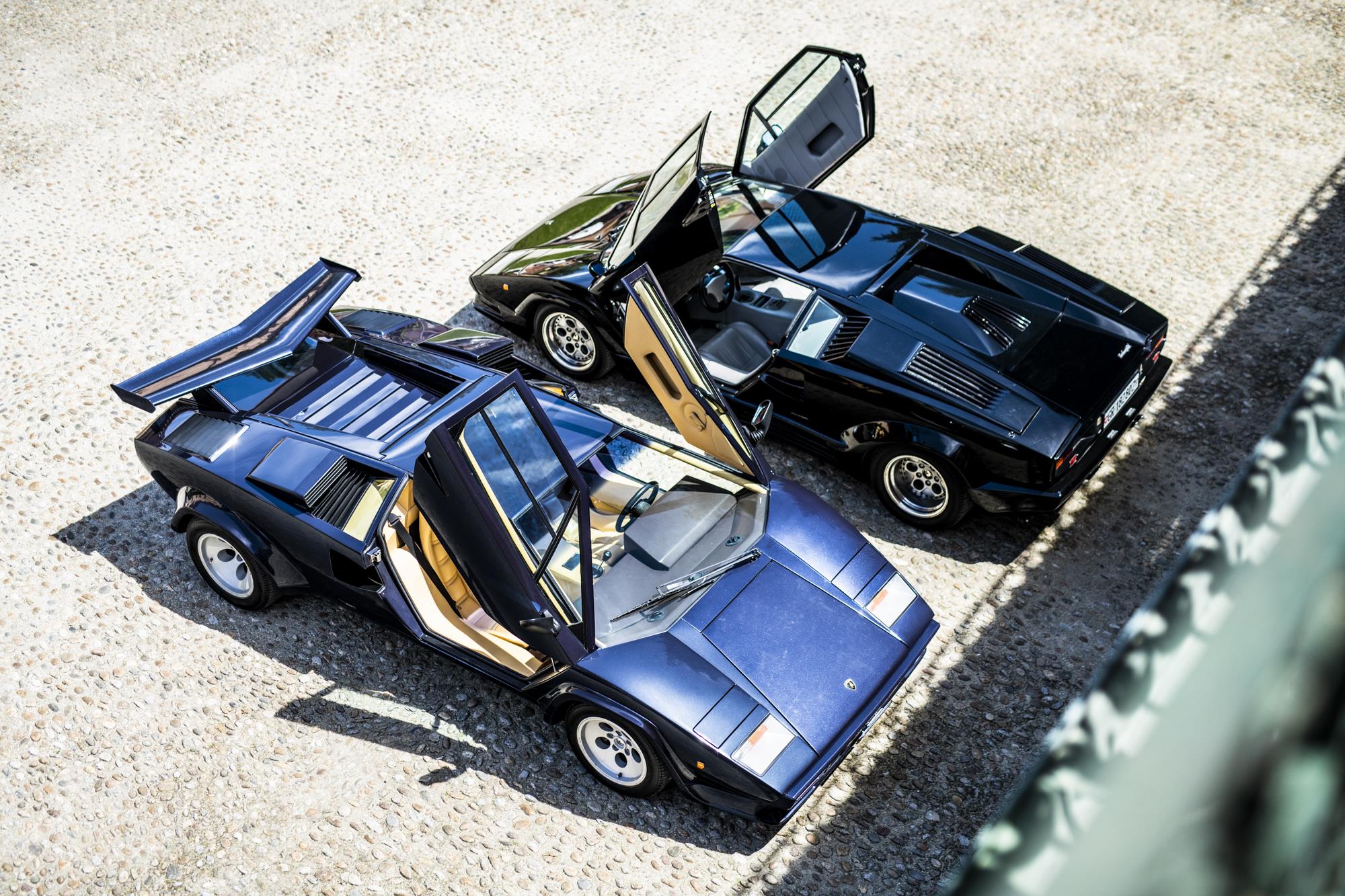
Countach 5000 S (left) and Countach 25th Anniversary (right).

Countach 5000 S (left) and Countach 25th Anniversary (right). (Remi Dargegen)

The Lamborghini Countach 25th Anniversary was the final evolution of the model. It debuted at the Paris Motor Show in September 1988.

The aesthetic updates were significant, but changes to the mechanics and chassis were minor. An improved cooling system updated the engine, and the chassis was modified to accommodate the new Pirelli P Zero tires. 

The Countach interior.

Countach interior. (Remi Dargegen)

The passenger compartment was updated with power windows and more comfortable power seats with less bolstering. In addition, the body style was decisively revised by young Horacio Pagani, who was working for Lamborghini at the time. He rounded the shapes and better integrated the wheel-arch extensions and the plates under the doors.

The Countach 25th Anniversary,

Countach 25th Anniversary, (Remi Dargegen)

The last Countach, a 25th Anniversary, was produced on July 4, 1990, with European specification. Its exterior was Argento Metallizzato (metallic silver) with a gray leather interior. It has not been sold and is still on display at the MUDETEC.

1950 Chevrolet Styleline Bel Air Sport Coupe

1950 Chevrolet Styleline Bel Air Sport Coupe
A 1950 Chevrolet Bel Air Sport Coupe

The Chevrolet Bel Air Sport Coupe was new for 1950.  (Chevrolet)

BY MARK MAYNARD

Chevrolet’s exterior styling of the 1950 Bel Air Sport Coupe was revolutionary and set a pattern for decades. According to ClassicCars.Fandom.com, “The Bel Air Hardtop (on the DeLuxe line) was styled as a convertible with a non-detachable solid roof.”

The redesign followed the 1942-1945 shutdown of vehicle production during World War II. And even as production restarted, the “new” 1946-1948 models were mildly updated carryover models from years earlier.

New for 1950

According to Hagerty.com, Chevrolet overhauled its entire lineup in 1949 and moved from prewar designs to new cars. The modern styling emphasized full-width bodies and pontoon fenders.

The exterior two-door hardtop styling might have been new, but visual changes were minimal from 1949.

Special and Deluxe models were offered in Fleetline and Styleline series. According to Hagerty’s “History of the 1949-1952 Styleline,”  a bare-bones business coupe cost as little as $1,300. Pricing rose to $2,200 for an eight-passenger station wagon.

The only powertrain available was a 216-cubic-inch six-cylinder engine. It was mated to a three-speed manual transmission. However, cars with the automatic received the 235-cubic-inch truck engine.

Bel Air Sport Coupe

The model is named for the city of Bel Air on the west side of Los Angeles.

According to Wikipedia, the Bel Air Sport Coupe name was used only from 1950 to 1952 for the two-door hardtops. The first-year production reached only 76,662.

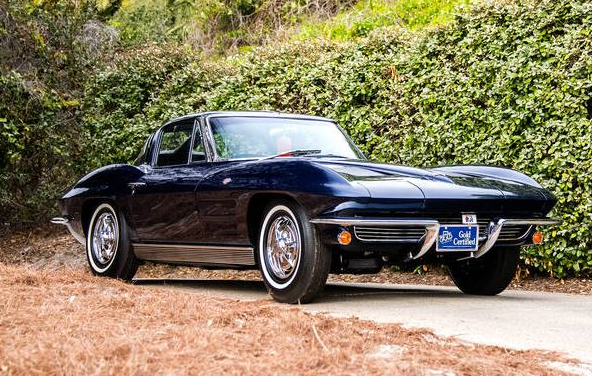
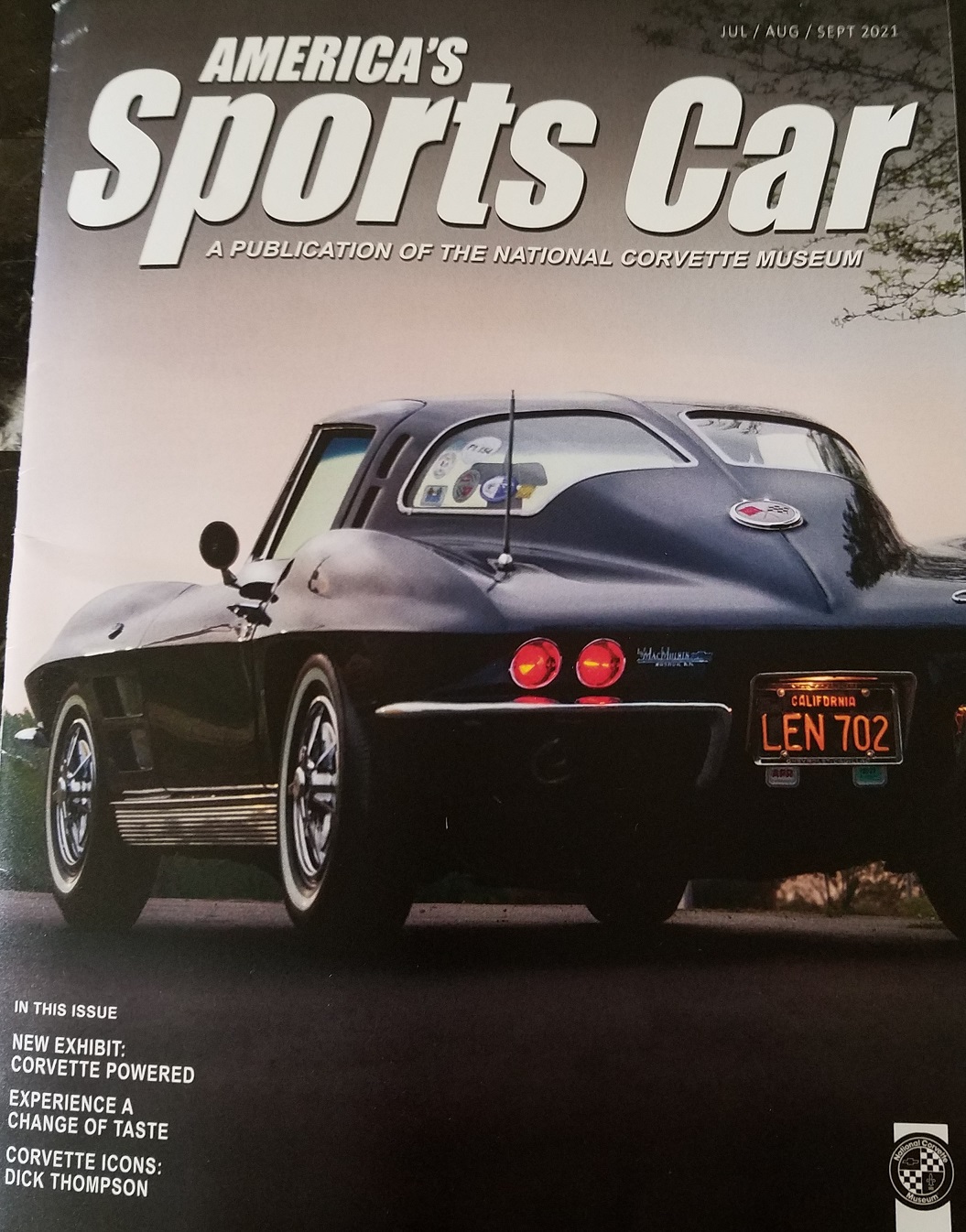
San Diego owners’ 1963 Corvette makes the cover of the National Corvette Museum magazine

San Diego owners’ 1963 Corvette makes the cover of the National Corvette Museum magazine
The blue 1963 Corvette on the cover of the National Corvette Museum magazine.

The Daytona Blue 1963 Corvette was photographed for the cover of the National Corvette Museum magazine. (Darwin Ludi)

BY MARK MAYNARD

San Diego car enthusiasts Darwin and Pat Ludi sent a catch-up email about their adventures with their two 1963 Corvette split-window coupes and 1965 Pontiac GTO.

Darwin wrote: “This past April our Daytona Blue ’63 was photographed for the cover of the National Corvette Museum magazine. We just received our copy of the magazine and I have attached a few photos.

A blue 1963 Corvette on the cover of the National Corvette Museum magazine

The Daytona Blue ’63 was featured in a multi-page layout. (Darwin Ludi)

“We have had fun showing our cars around the country at various Concours events. We have won awards at most of them. This year we will be heading to Colorado for an AACA meet where we hope to earn a Senior Award.    We might even be invited to Hershey for the Nationals.

“In October we will head to the Hilton Head Concours. I was told we will compete against nine or 10 other Corvettes. We have to have as much fun as possible.

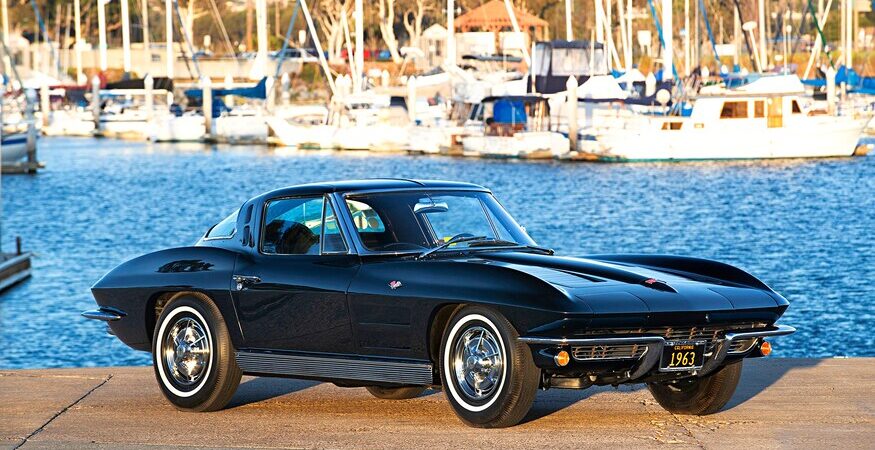
A black 1963 Corvette along Mission Bay in San Diego

The Ludi’s black 1963 Corvette along Mission Bay in San Diego. (Darwin Ludi)

Dedicated caregivers

“Before long, as age creeps up the cars will have to move on to new caregivers,” Darwin said.

The Ludi’s Tuxedo Black 1963 Corvette coupe is now having its correct red interior installed. And they have owned their red 1965 Pontiac GTO tri-power for more than 30 years. And it, too, is all restored and in show condition, Darwin said.

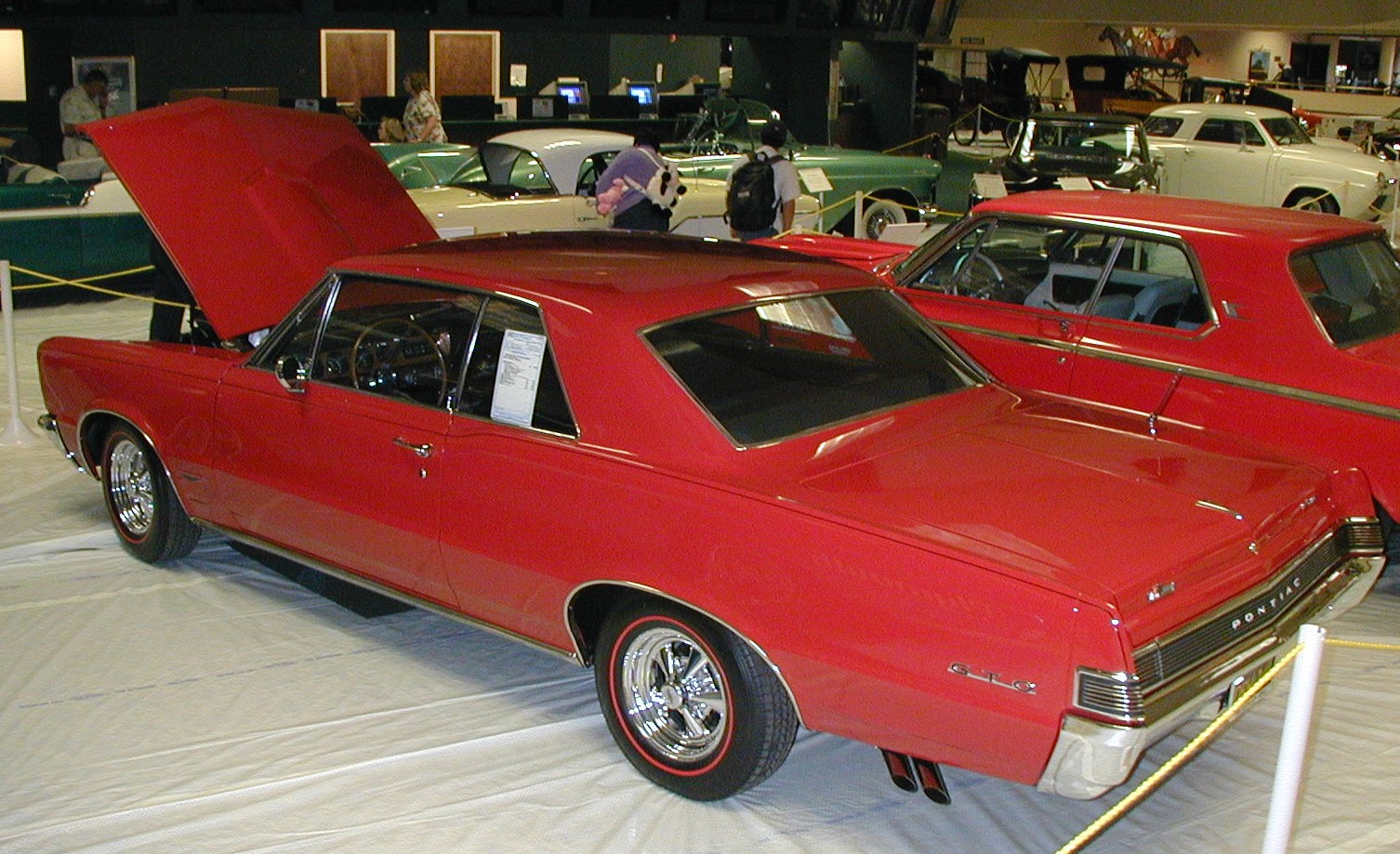
A 1965 Pontiac GTO tri-power at a past Goodguys Del Mar Nationals car show

The red 1965 Pontiac GTO tri-power at a past Goodguys Del Mar Nats. (Darwin Ludi)

“We will take the black Corvette to have it judged NCRS and Bloomington Gold next year. The blue ’63 is already certified by both groups. I want to make sure that the next caregiver of these cars ends up with the best we can provide.

“Last year the National Corvette Museum had a virtual event and 95 cars were registered for the C2 class, in which we won. We have been invited to the EyesOn Design car show in Detroit next year. And in 2019 we won at the Art Center in Pasadena, as well.

“Take care, stay healthy and keep busy. Hope to see you down the road.”

Darwin & Patricia Ludi

1961 Volvo P1800 — The Car of Sainthood

1961 Volvo P1800 — The Car of Sainthood
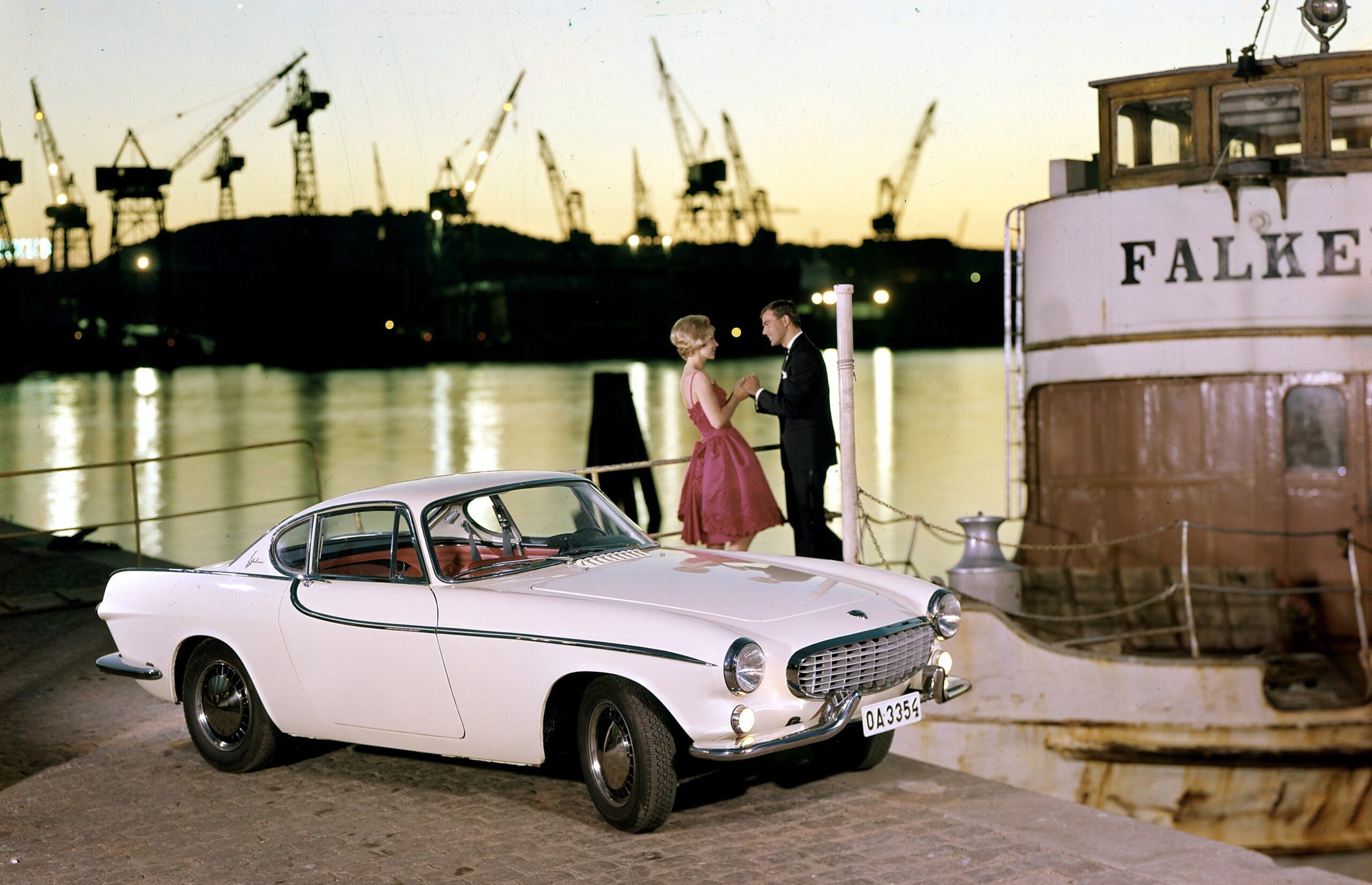
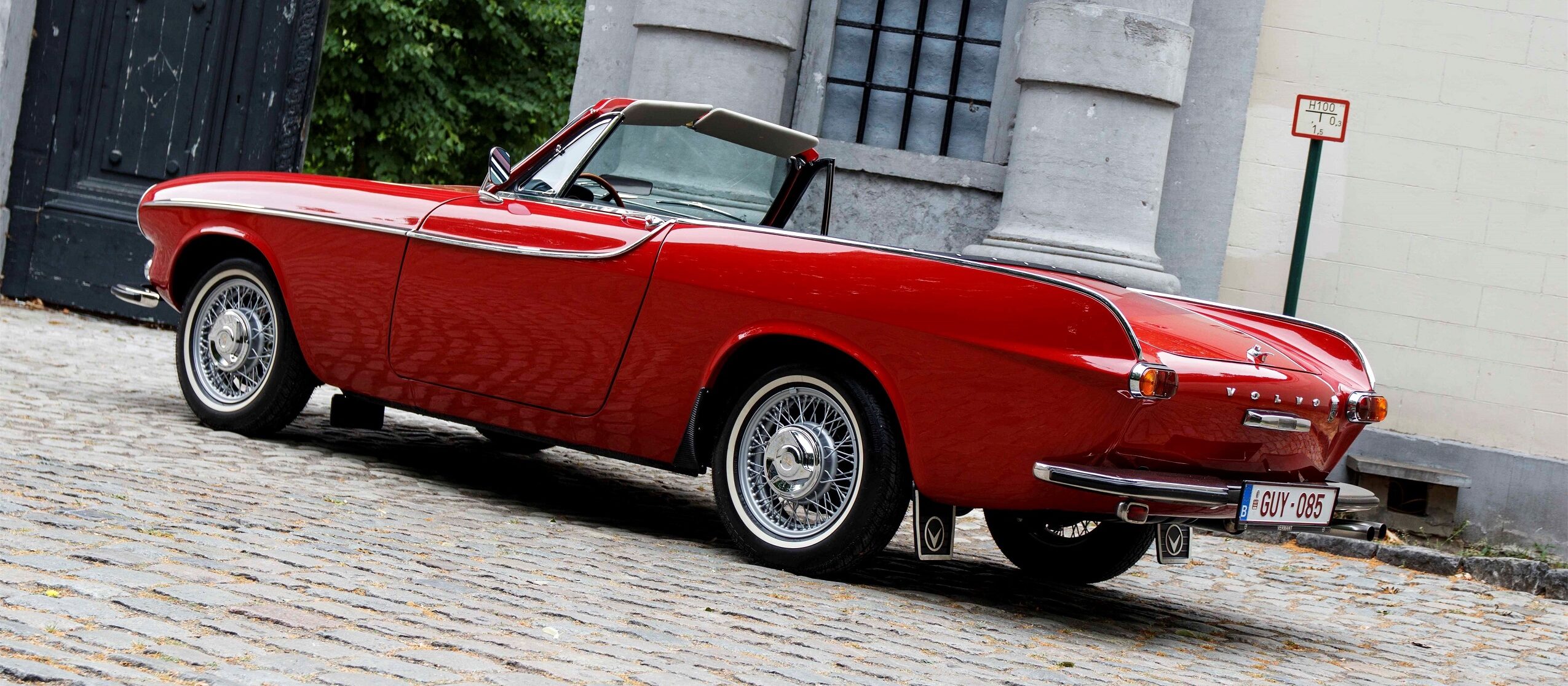
An exterior view of a 1961 Volvo P1800

The first-generation 1961 Volvo P1800. (All photos courtesy of Volvo)

BY MARK MAYNARD

Wouldn’t there be interesting dinner conversation with past Volvo designer Pelle Petterson? He is credited with the exterior styling of the 1961 Volvo P1800. Among his other professional credits is yacht designer.

I’d like to ask how excited was the design team about this car?

Was there an awareness that its stance and style would help define the company?

Or was it merely the worldwide influence the car received as co-star with British actor Roger Moore in the “The Saint” television series

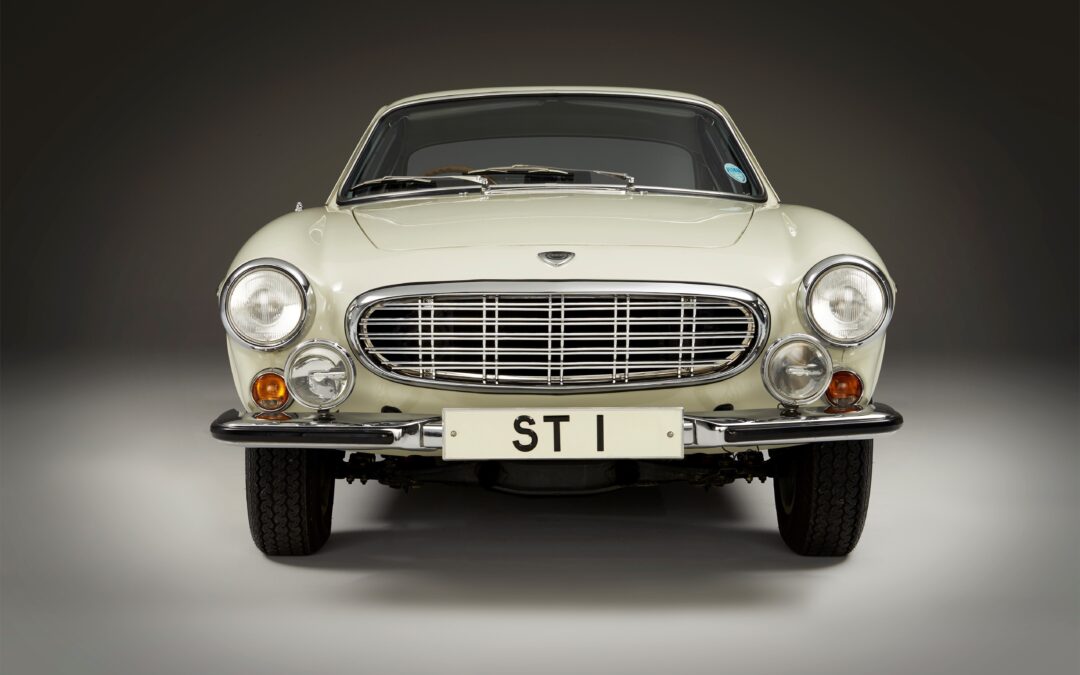
“ST 1”

The Saint character was always portrayed by Roger Moore as Simon Templar. He drove a pearl white 1967 P1800 coupe and the car had a personalized license plate of “ST 1.”

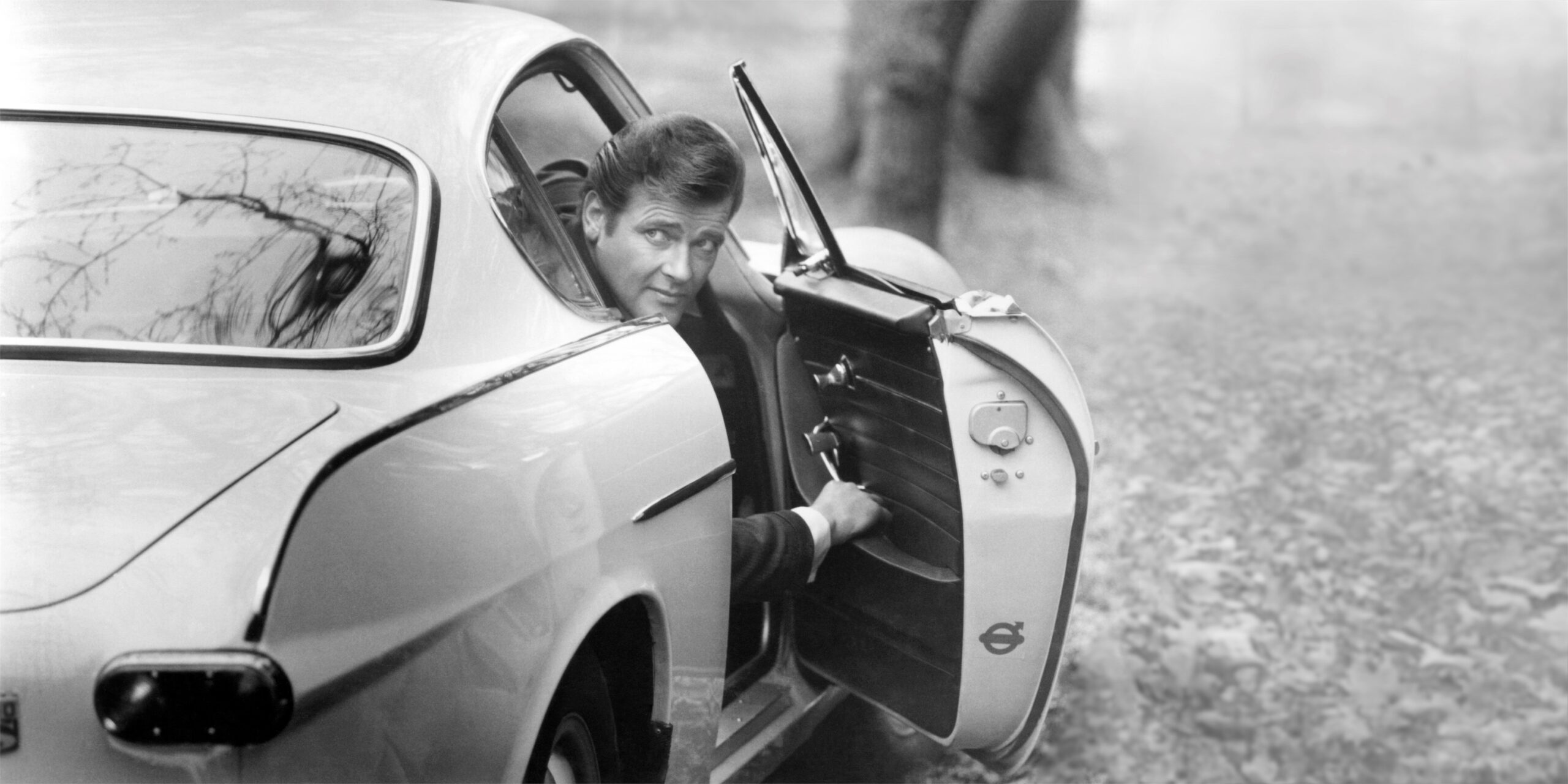
A studio photo of Roger Moore with the P1800 used in the TV series.

A studio photo of Roger Moore with the P1800 used in the TV series.

The mystery spy thriller aired from 1962 to 1969 in the U.K.  “The Saint” had its network prime-time debut in the U.S., with new color episodes, in 1966 on NBC. Prior to that, the 1962-65 black-and-white episodes aired in the U.S. in syndication. (Timeline corrected by auto expert and “Saint” fan Mike Haggerty.)

The Volvo P1800 had a production run from 1961-1973, according to its page in Wikipedia. It debuted as a 2+2 rear-drive touring coupe. The P1800 also was offered in a three-door shooting-brake (or “estate”) body style from 1972-1973.

The 1973 Volvo P1800 shooting brake

A 1973 Volvo P1800 shooting brake.

It was sportier to look at than to drive. The 2,500-pound P1800 debuted with a 100-horsepower 1800cc (1.8-liter) four-cylinder engine and four-speed manual transmission. The powertrain would be updated for more performance through its production run. The engine was replaced with a 118-hp, 2.0-liter in 1969.

Moore is the first registered owner of the now-famous 1800S. The London registration plates, NUV 648E, were issued on Jan. 20, 1967.

Moore later sold the car to actor Martin Benson, who played Mr. Solo in the James Bond film “Goldfinger” (1964). Several owners followed and in the early-2000s the car was restored to near-original condition. Volvo bought the car a few years later.

An 1800S owned by Irv Gordon (1940–2018) made history. The car was certified in 1998 as the highest mileage private vehicle driven by the original owner in non-commercial service. Gordon racked up more than 3.25 million miles.

Volvoville Convertible?

Volvo never produced a convertible version of the 1800, but you might see one at an enthusiast’s car show. The most notable purveyor of convertible P1800s was the Volvoville USA dealership in Amityville, N.Y.

A convertible version of the 1966 P1800

The Volvoville convertible.

Volvoville sold around 30 convertible P1800 models between 1964 and 1969, according to the Wiki report. The list price for a 1800S was $3,695 and the convertible cost $1,000 more.

Volvo HQ in Gothenburg was not amused over the name or the convertible so it ended the retrofitting with a compromise. Volvoville would get to keep the name but would stop making convertibles.

1960 GMC 1000

1960 GMC 1000

The 1960 model year was pivotal for General Motors’ light trucks

A 1960 GMC pickup in two-tone red and white.

The first GMC pickup with a full-width hood debuted in 1960. (GM media archives)

The debut of Jet Age styling


The market for pickups was booming in 1960 and the emphasis on styling, comfort, and power was stronger than ever. “All major manufacturers vied for a piece of this expanding pie,” said Mike McNessor in a Jan. 2021 report in Hemmings Classic Car.

The evolution of the Chevrolet Task Force and GMC Blue Chip trucks during the 1950s helped popularize many features that are commonplace today, McNessor said. Among the new features were fleetside boxes, V-8 engines, automatic transmissions and comfortable interiors.

“But, for 1960, GM upped the ante even further, implementing radical new Jet Age styling with full-width hoods accented by jet engine-inspired front air intakes,” McNessor said.

Styling of the 1960 GMC Pickup

The curves of the previous generation trucks were gone, replaced with sharper angles and creases accenting boxy cabs.

Under the skin, the 1960 GMC pickup had double-wall roof construction that included insulation between the sheet-metal layers. There were new front inner fender skirts, safety-catch door latches, sturdier hinges, and rubber insulated cab mounts. A full-length rocker panel, tied to front and rear cab supports, replaced the old-timey interior step that previous GM trucks incorporated into their floors.

GMC truck engine for 1960

For the 1960 model year, GMC was the first brand to introduce V-6 engines in pickup trucks. There was also a V-12, known as the Twin Six. (GM media archives)

1960 GMC Pickup Interior Redesign

“Inside the cockpit for ’60, there were suspended clutch and brake pedals that eliminated difficult-to-seal holes in the floor. A 26-percent increase in windshield area gave operators a better view of the road, while longer wiper blades kept more of that glass clear in stormy weather. There was nearly 6 inches more hip room, plus more shoulder room, headroom, and legroom over previous GM trucks, all in the name of driver comfort.”

Beginning in 1920, GMC and Chevrolet trucks became largely similar, according to the page in Wikipedia. Built as variants of the same platform, the two brands shared much of the same body sheetwork, except for nameplates and grilles — though their differences, especially engines, have varied over the years,

A print ad for the 1960 GMC truck line

GMC boasted in print ads a “breakthrough” in truck engines “to give triple the life” without a major overhaul. (GM media archives)


A Breakthrough In Truck Engines

“GMC advertising marketed its trucks to commercial buyers and businesses, whereas Chevrolet’s advertising was directed toward private owners. Beginning in 1928, GMCs used Pontiac’s 186-cubic-inch six-cylinder engines in their lighter trucks. Medium-duty trucks relied on Oldsmobile straight-6 engines, while the heaviest trucks used GMC’s own “Standard Big Brute” engine.

“From 1939 to 1974 GMC had its own line of six-cylinder engines, first the inline sixes known as “Jimmys” from 1939 to 1959, and then their own V-6 from 1960 until 1974, of which a V-8 and a V-12 version also existed.

“Additionally, from 1955 through 1959, the less than 2-ton, domestic GMC gasoline trucks were equipped with Pontiac, Buick and Oldsmobile V-8s —whereas the Canadian models used Chevrolet engines.”

See more vintage car photos here.

Mark Maynard


The Ford Trimotor ‘Tin Goose’

The Ford Trimotor ‘Tin Goose’

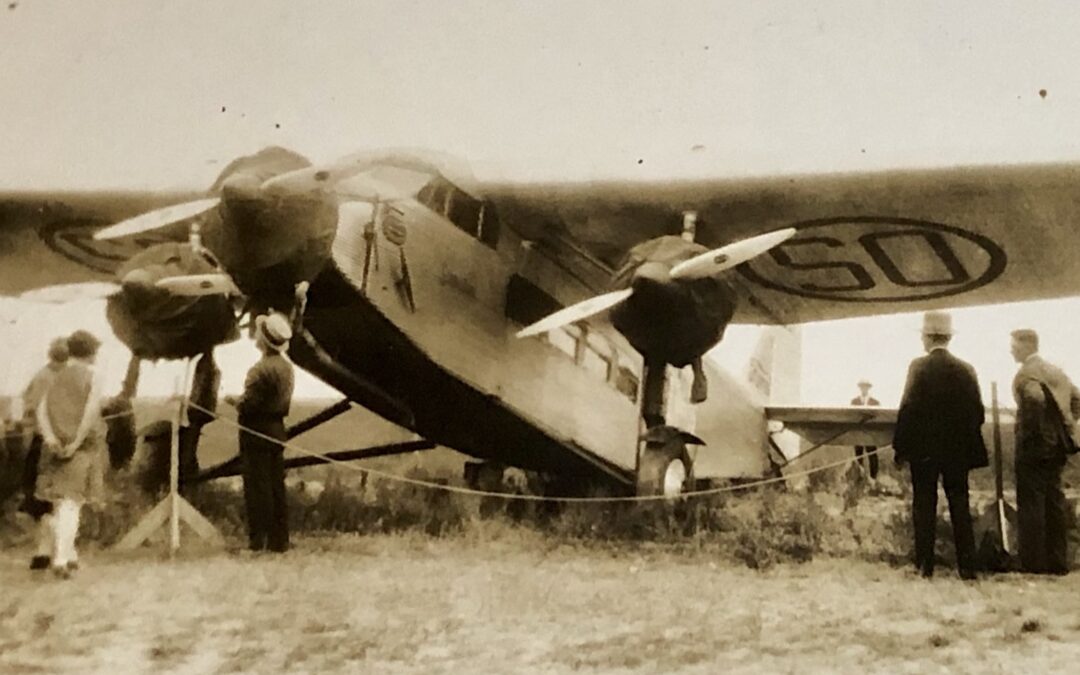
An photograph of a Ford Trimotor "Tin Goose"

A Ford Trimotor sits along the grassy edge of a dirt airfield. The location is unidentified in this vintage photograph, but it is likely to be somewhere along the West Coast.

The year is sometime between 1925 and 1933. This three-engine transport aircraft was in production by Ford Motor Co.’s aircraft division.

Nicknamed the “Tin Goose,” the trimotor was designed for civil aviation market (passenger use).  But it also could haul cargo (with seats removed) and the plane saw some military service.

“The original (commercial production) 4-AT had three air-cooled Wright radial engines, according to Wikipedia. “It carried a crew of three: a pilot, a copilot and a stewardess. And there were seats for eight or nine passengers. The later 5-AT had more powerful Pratt & Whitney engines.

All models had an aluminum corrugated sheet-metal body and wings. The metallic construction made it “the safest airliner around,” Henry Ford said.

“In the early 1920s, Henry Ford, along with a group of 19 other investors including his son Edsel, invested in the Stout Metal Airplane Company,” according to the Wiki report. “Stout, a bold and imaginative salesman, sent a mimeographed form letter to leading manufacturers, blithely asking for $1,000 and adding: ‘For your one thousand dollars you will get one definite promise: You will never get your money back.’  Stout raised $20,000, including $1,000 each from Edsel and Henry Ford.

“In 1925, Ford bought Stout and its aircraft designs. The single-engined Stout monoplane was turned into a trimotor, the Stout 3-AT with three Curtiss-Wright air-cooled radial engines.

A total of 199 Ford Trimotors were made between 1926 and 1933.

See these authentic PR images from manufacturer archives