Select Page

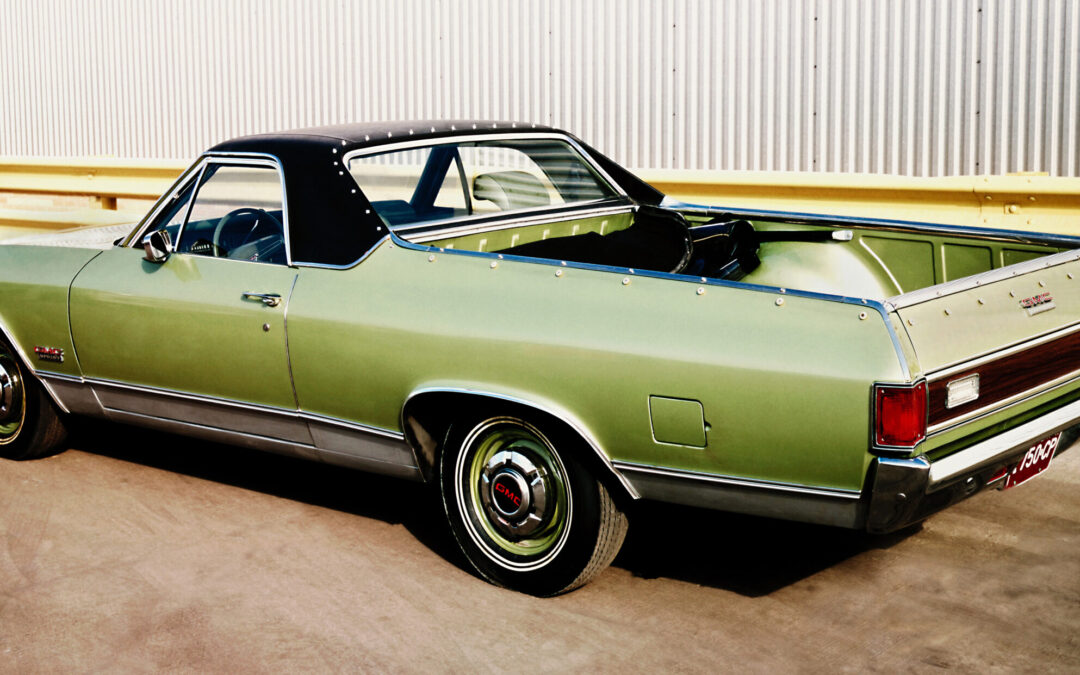
1972 GMC Sprint

1972 GMC Sprint

Badge-engineered from the Chevrolet El Camino, 1971-1987

The GMC Sprint shared exterior and interior elements with the Chevelle Malibu and El Camino. A 1971 Sprint is shown. (GM media archives)

BY MARK MAYNARD

I have walked among thousands of vintage vehicles at dozens of car shows, but I learned something new today while researching a 1960 GMC pickup. Trolling the GM media archives I came upon an image for a 1971 GMC Sprint.

How had I never heard of this badge-engineered version of the Chevrolet El Camino. Maybe I had just overlooked it in the years of enjoying car shows, but in my defense, surely its production numbers were a sliver of the very popular El Camino.

According to its page in Wikipedia, the GMC Sprint (a coupe utility-pickup) was produced for the 1971-1977 model years. It was renamed Caballero for the 1978 model year and produced through 1987.

“It was identical to the El Camino except for the name. The chassis for both variants was based on the Chevrolet Chevelle station wagon and four-door sedan.

“The vehicles were built on the GM A platform through 1981; for 1982, it was re-designated the G platform as the A platform switched to front-wheel drive.

Difficult Time To Debut

The Sprint’s debut in the early 1970s was not a happy time for performance cars in the United States. It was the first year for mandated lower-octane unleaded fuel, which necessitated a reduction in engine compression. GM’s A.I.R. system, a “smog pump,” was added to control tailpipe emissions.

The GMC Sprint was sold with several engine choices for 1971-72.  The base engine was a 145-hp, 250-cubic-inch OHV inline-six. Optional engines included small-block V-8s of 307 and 350 cubic inches and big-block V-8s of 402- and 454-cubic-inch displacements.

“For 1972, horsepower measurements were switched to the ‘net’ figures as installed in a vehicle with all accessories and emission controllers hooked up,” according to the Wiki report. “This change brought the horsepower ratings for 1972 down to a range from 110 horsepower for the six to 270 for the 454 V8.”

The Sprint, sold in trim levels of Standard or Custom, shared exterior and interior trims with the Chevelle Malibu and El Camino. Both years featured rear-end styling taken from the Chevelle station wagon (and were shared with El Camino). The interiors featured cloth and vinyl or all-vinyl bench seats and deep twist carpeting. All-vinyl Strato bucket seats and center console were optional.
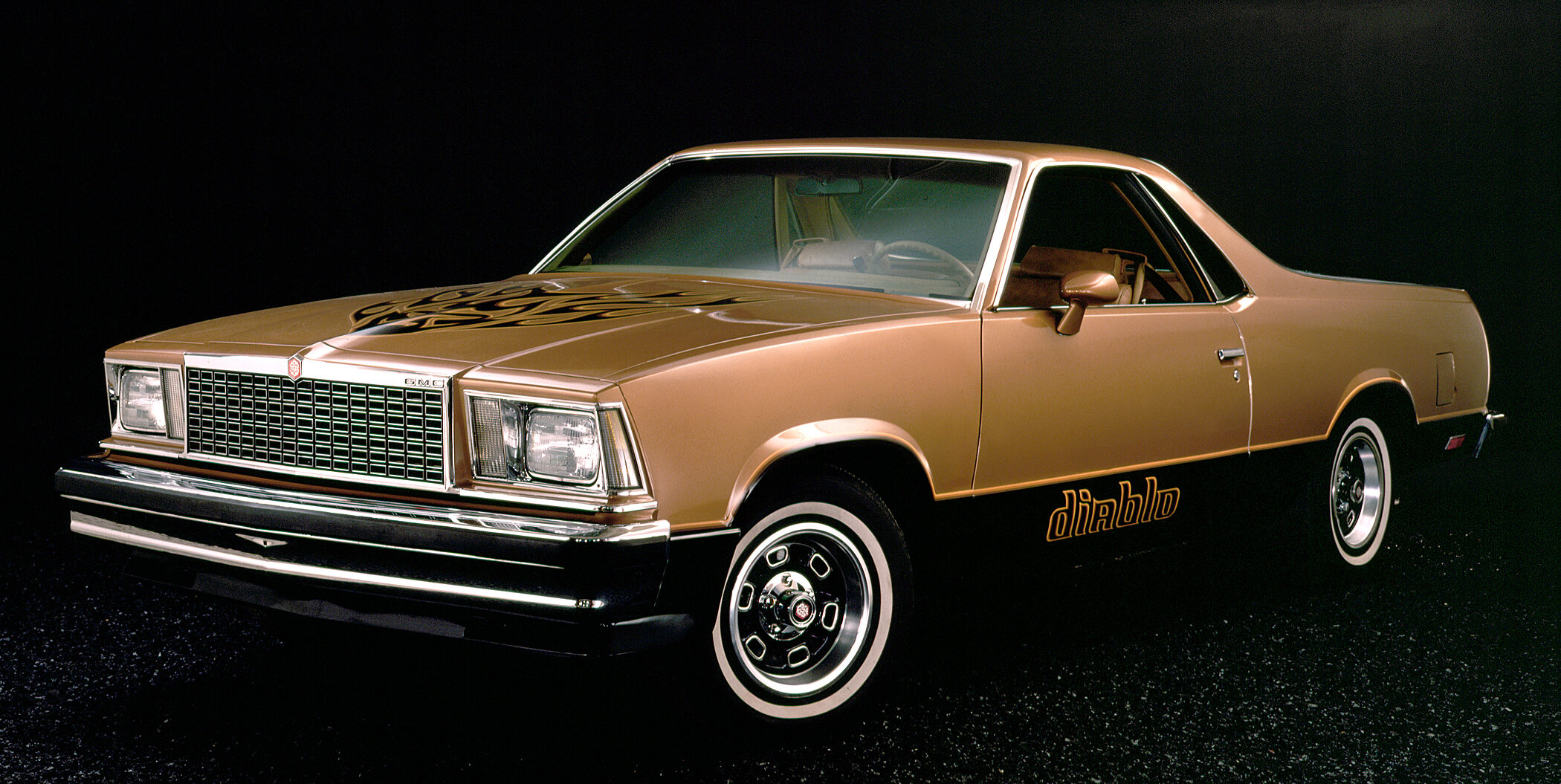
The 1979 GMC Caballero.

The GMC Sprint Diablo package was added in 1978 as an equivalent to the El Camino’s Black Knight (1978) and then the Royal Knight, post-1978, which was an upgrade from the long-running Super Sport package.

The Royal Knight and the Diablo carried a hood graphic in a symmetrical flame pattern that resembled a demon. Diablo also came with lower-body accent paint, body-color mirrors, black-trimmed window frames. Exterior separators also included a front air dam, color-matched steel “Rally” wheels and a large “Diablo” decal on the tailgate.

Sprint SP

The GMC Sprint SP package, only offered on the Sprint Custom, was GMC’s equivalent of the Chevrolet SS package. It was designated as option package, RPO YE7, rather than a distinct model. Engines were an L48 350 four-barrel, LS3 400 (402) big block and the LS5 454 365-hp big block.

On The Auction Block

A 1972 GMC Sprint, in orange paint and black interior, will be among the vehicles slated to auctioned by Mecum at its 34th annual Indy Spring Classic, May 14-22, 2021. It will be Lot T104 and is a “Star” car.

According to the seller’s description:

•This Sprint is one of 749 SP models produced in 1972 and has the original build sheet;
•454-cubic-inch V-8, automatic transmission, disc brakes and power steering;
•Air conditioning;
•Built at Leeds plant in Kansas City, Mo.;
•Sold new at Burnett Buick
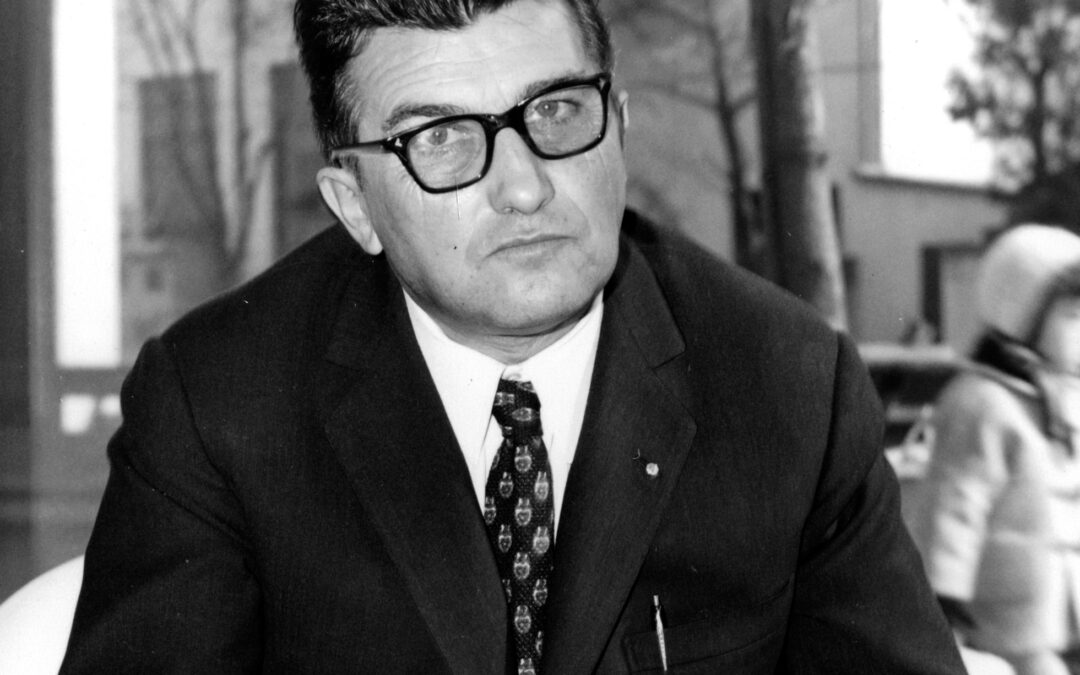
Lamborghini Celebrates Founder’s 105th Birthday

Lamborghini Celebrates Founder’s 105th Birthday

Ferruccio Lamborghini was born on April 28, 1916, in the hamlet of Renazzo, in the municipality of Cento province of Ferrara

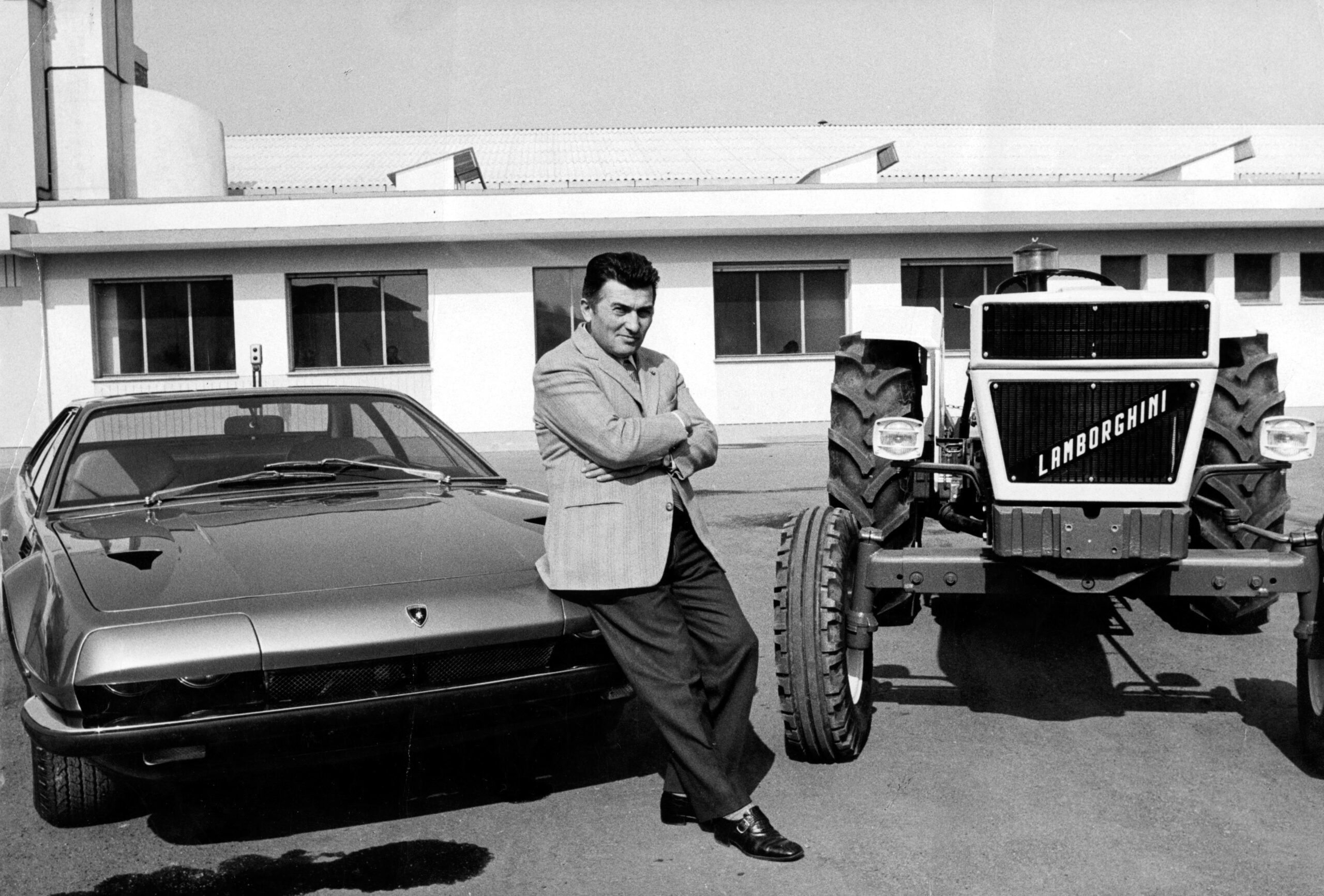
Ferruccio Lamborghini with a car and tractor.

From humble beginnings in a farming family, Ferruccio Lamborghini had a talent for mechanical engineering that would lay the foundation for his future namesake car company. (Photos courtesy of Lamborghini)


BY MARK MAYNARD

April 28 is a holiday at Lamborghini headquarters in Sant’Agata Bolognese, Italy. The company celebrated the 105th birthday of its founder, Ferruccio Lamborghini, who passed away in 1993 at age 77.

Growing up in a farming family, Ferruccio had a talent for mechanical engineering that would lay the foundation for his namesake car company.

The Automobili Lamborghini factory was established in 1963.  Ferruccio was the inspiration for its most iconic models, such as the Miura and Countach. He was driven by a desire to improve and innovate.

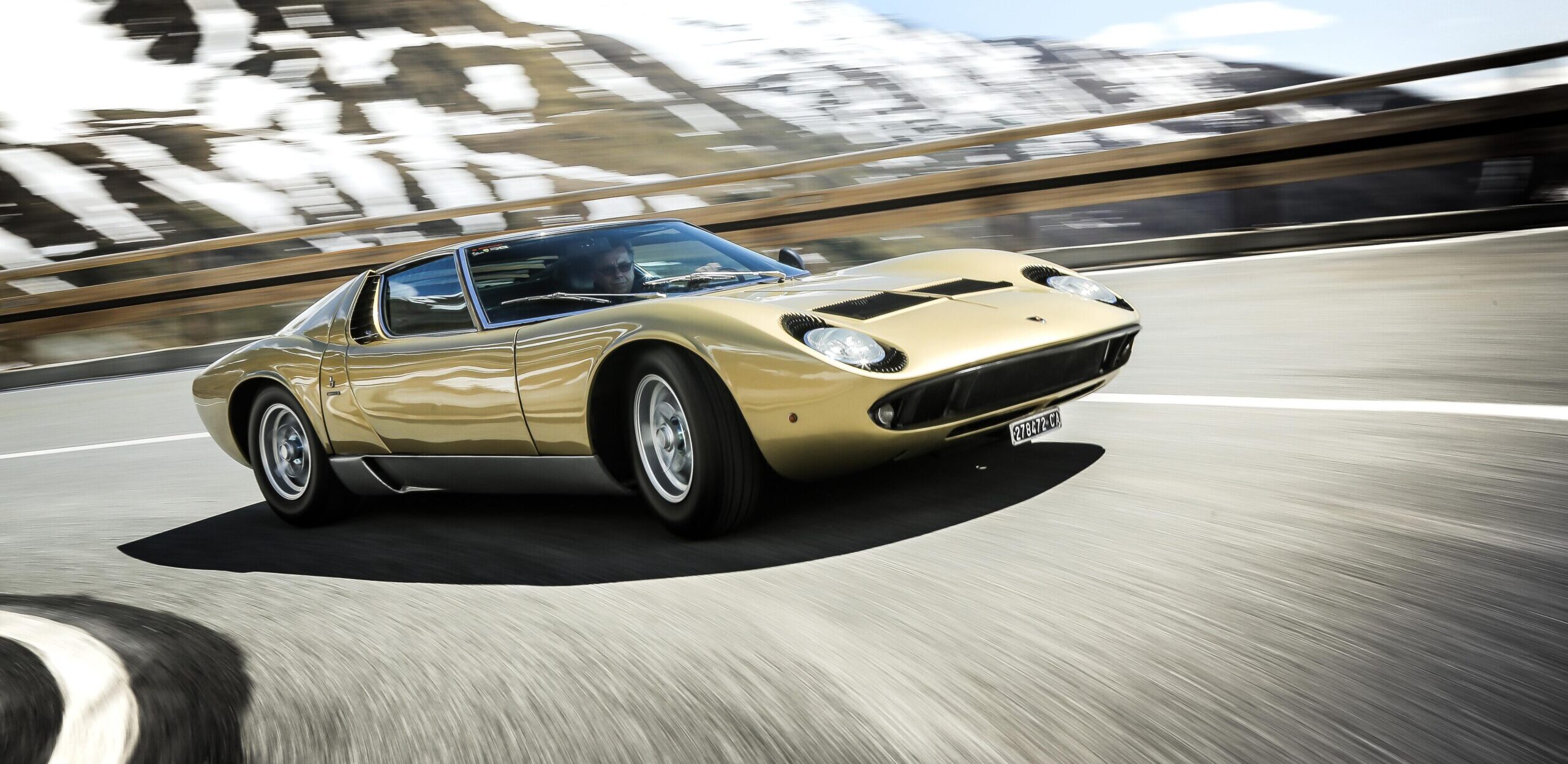
A 1966 Lamborghini Miura

The 1966 Miura rewrote the history of Grand Touring supercars.

Lamborghini sold the company in 1973-1974, when it had become one of the world’s most successful manufacturers. Today, the company adheres to the founder’s legacy of continuous innovation.

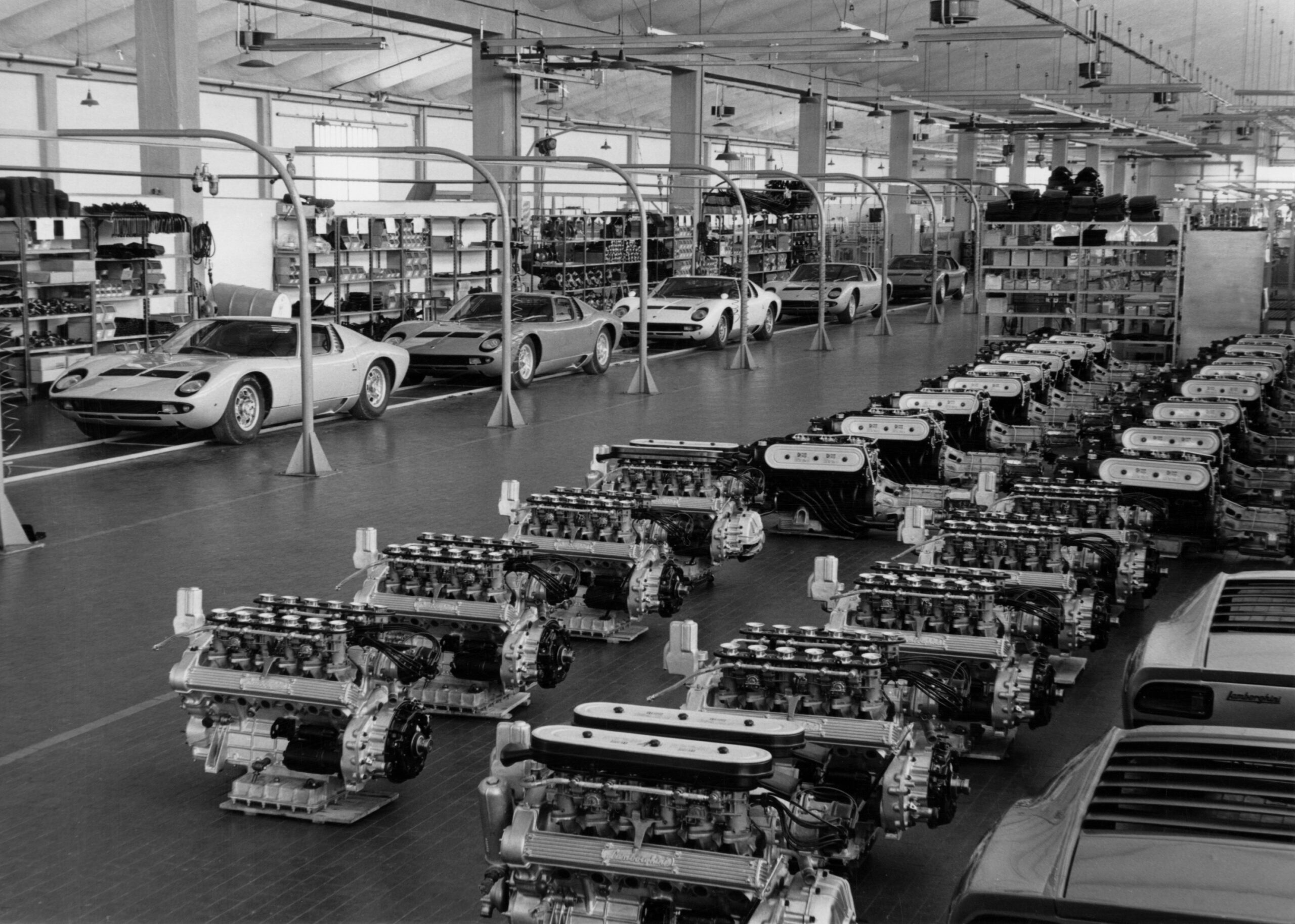
The Lamborghini Miura production line in 1965.

The 1965 Miura production line.

The Lamborgini History

In the early 1960s, Ferruccio Lamborghini was the determined owner of a tractor factory. It was during that time that he resolved to build a new luxury super sports car.

He began working on his ambitious project, and in 1963 he bought a huge plot of land in the town of Sant’Agata Bolognese. It was the location where he would build a large and modernized factory.

The company bore his name, and a bull was chosen as a logo to express the strength and power symbolized by his astrological sign, Taurus.

Ferruccio Lamborghini in the 1950s.

During WWII Ferruccio was  assigned to the 50th Mixed Operations Vehicle Fleet, stationed in Rhodes, in charge of the maintenance of all military vehicles on the island.

Ferruccio’s Farming Roots

Ferruccio Lamborghini was born on April 28, 1916, in Renazzo, a hamlet in the municipality of Cento (province of Ferrara). He was the eldest son of farmers Antonio and Evelina Lamborghini. His destiny seemed set in stone because tradition dictated that the eldest son inherited the family farm. Young Ferruccio, however, was more attracted to mechanics than to the land. From a very young age, he preferred to spend his afternoons in the farmstead workshop.

Just like the typical character traits of those born under the sign of Taurus, Ferruccio was strong, tenacious and convinced by his own ideas.

As a boy, he managed to get hired by the best mechanical workshop in Bologna. It was then that he was able to discover all the secrets of mechanics.

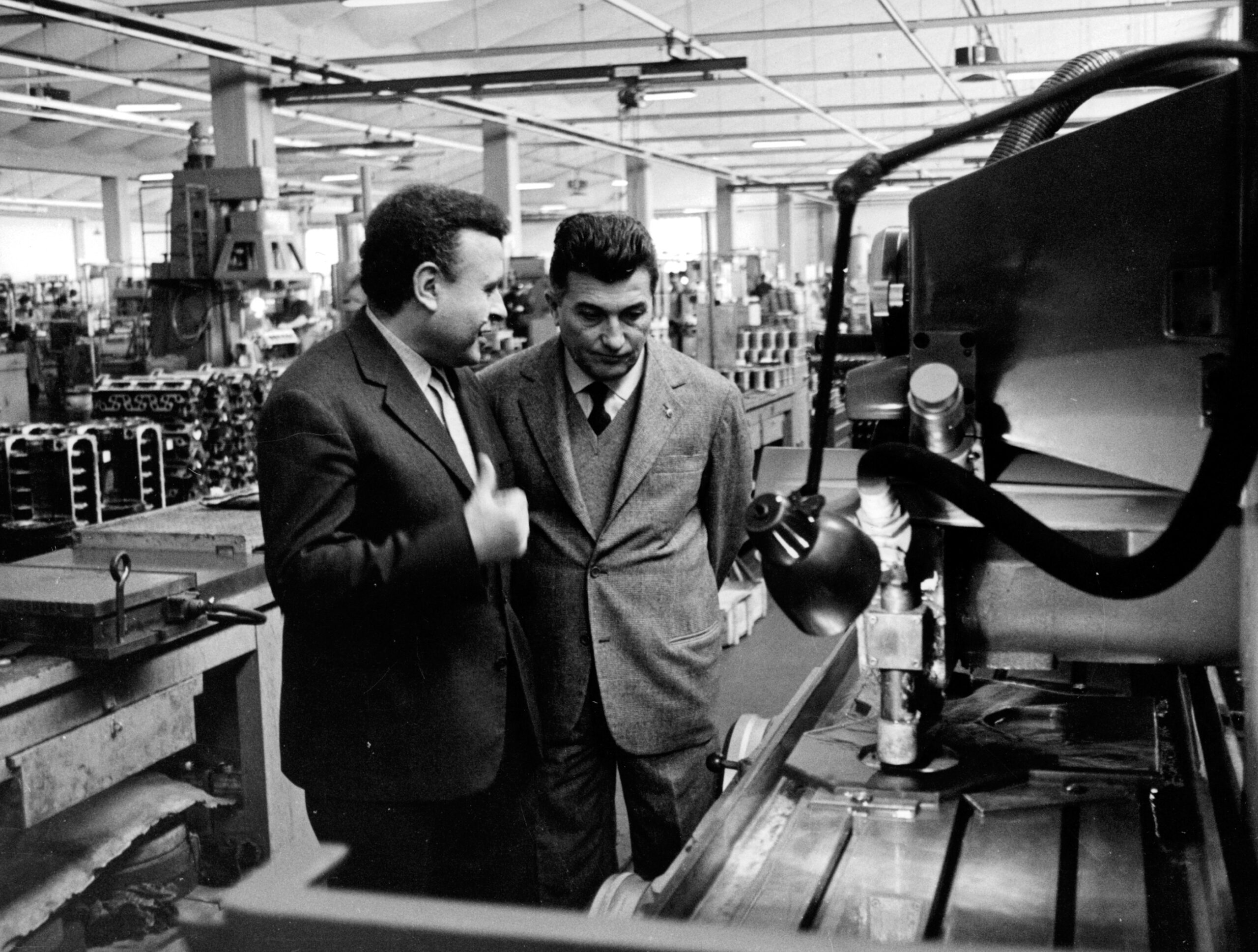
Ferruccio Lamborghini confers on the factory floor with another executive.

On the factory floor.

At the outbreak of World War II, Ferruccio, by then an experienced and highly regarded mechanic, was drafted and assigned to the 50th Mixed Maneuver Motor Fleet stationed in Rhodes, Greece, which took care of the maintenance of all the military vehicles present on the island, including diesel trucks and tractors used to tow aircraft.

The alternating fortunes of the war would see Ferruccio successfully repair — and sometimes also break, as he would later recall — vehicles belonging to the Italians, Germans, and British.

It was in Rhodes, just after the end of the war, that he opened his first company: a small mechanical repair shop.

In 1946, he returned to Italy and, taking advantage of incentives put in place to support the economic recovery, Ferruccio opened a machine shop in Cento where he repaired motor vehicles and built small utility vehicles.

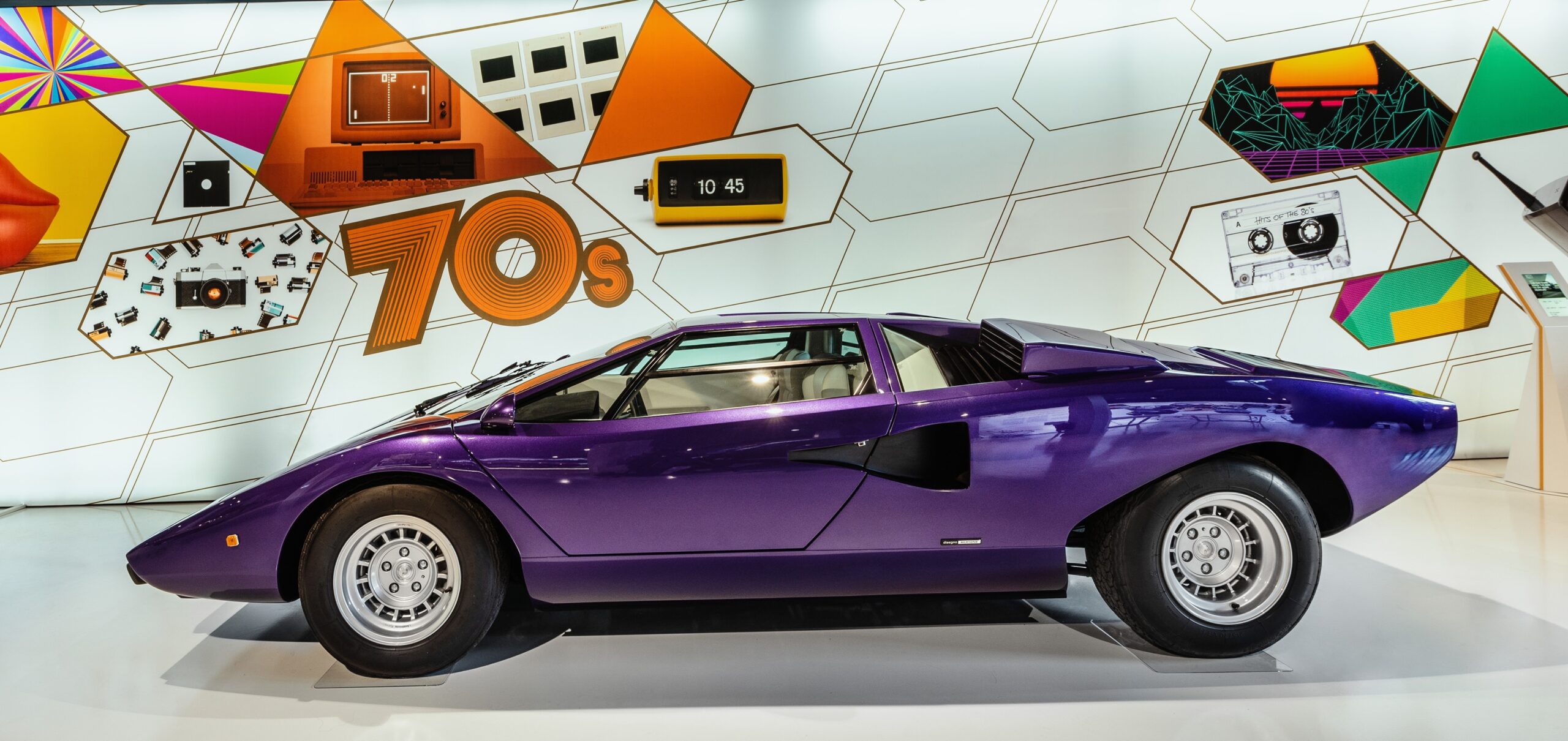
A Lamborghini Countach LP 500.

The Countach LP 500 debuted in 1971.

The Lamborghinetta Tractor

It was while working in the shop he observed the crisis suffered by local agriculture. Thinking back to the tractors he had repaired in Rhodes, Ferruccio developed a plan. He would build tractors that would be affordable for small landowners.

He began by using components from old military vehicles.

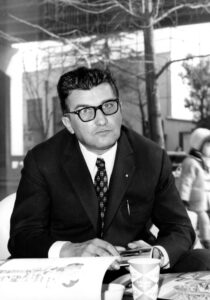
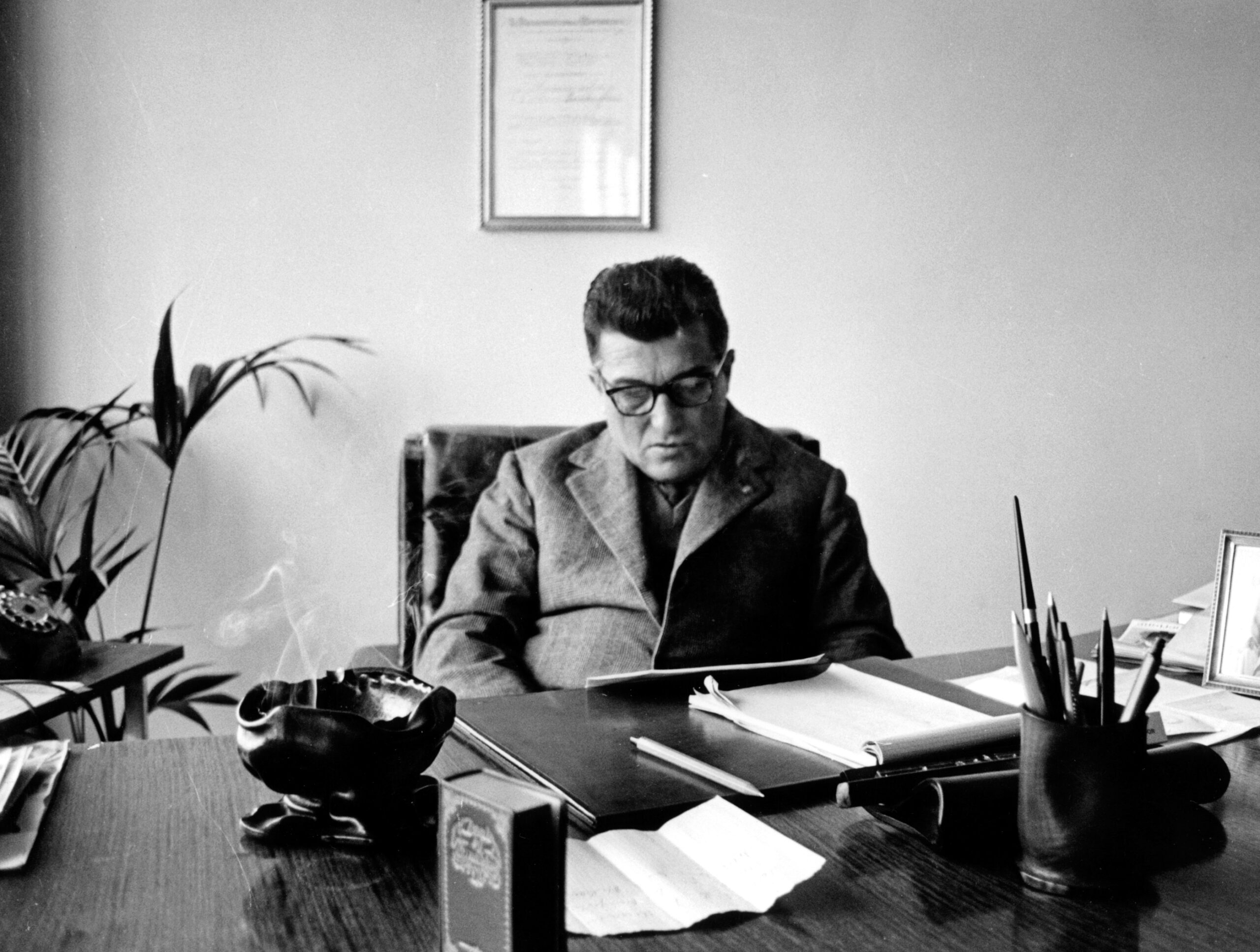
Ferruccio Lamborghini at his office desk.

Ferruccio Lamborghini was born on April 28, 1916.

The first vehicle to be transformed was a Morris truck, to which Ferruccio applied his own invention for a fuel vaporizer. His device allowed the tractor to be started with gasoline and then switch to diesel.

The prototype Lamborghinetta tractor was revealed on Feb. 3, 1948. During the town’s celebration of the feast of the patron saint of Cento, Ferruccio sold 11 tractors.

With that success, Ferruccio had to go into debt with the bank to buy a block of 1,000 Morris engines. With his father’s approval, he used the family farm and everything he had as collateral.

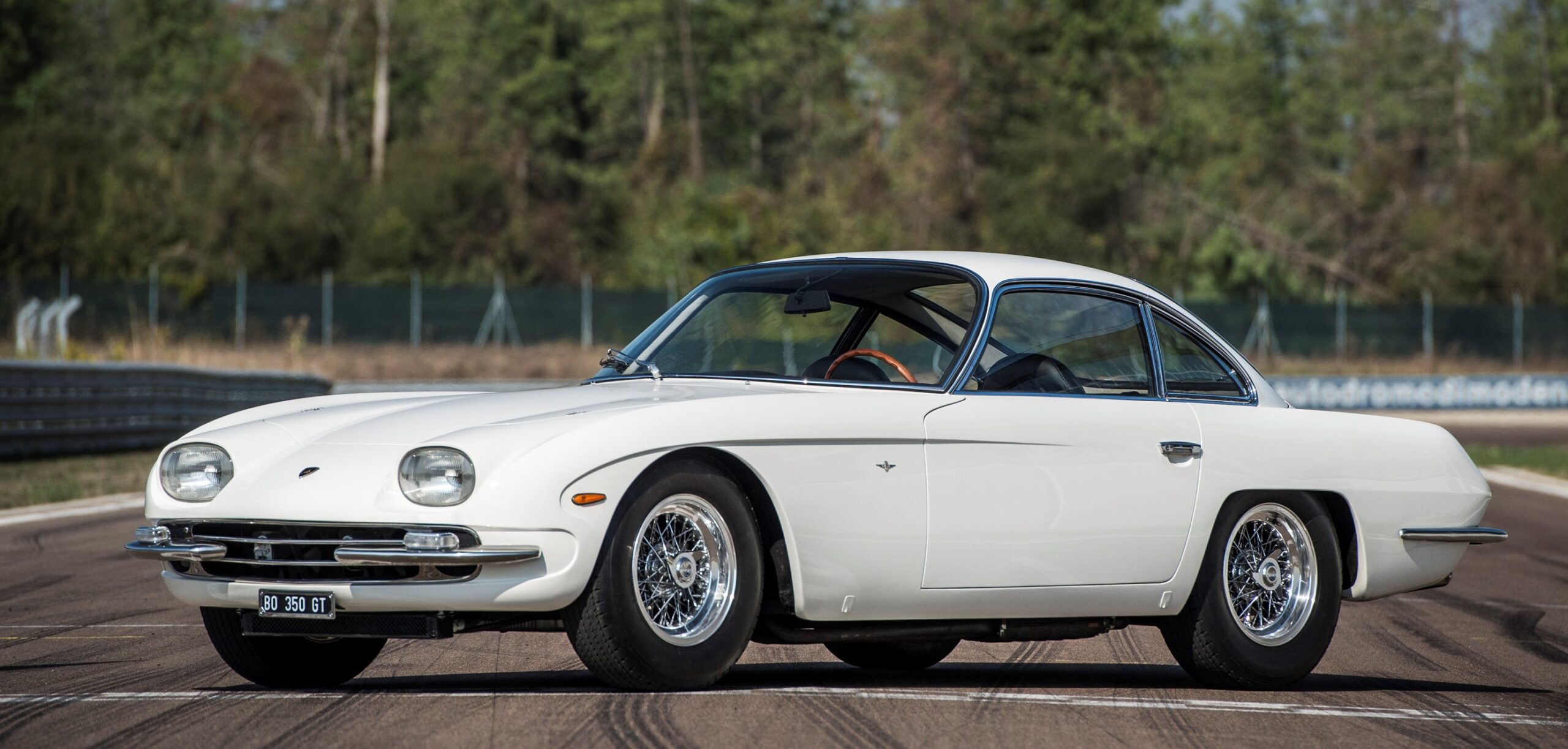
A 1964 350 GT V-12 coupe.

The 1964 350 GT V-12 is considered the first true Lamborghini.

The Lamborghini Logo

By 1963 he was counted among the most important industrialists in Italy. It was then that his attention shifted from tractors to a desire to build the best grand touring cars in the world. But he would need a suitable logo to characterize them.

The Lamborghini logo.

A bull was chosen to express the strength and power symbolized by the founder’s astrological sign, Taurus.

His tractors had a very simple silver emblem logo. It was a triangle with the letters FLC for  Ferruccio Lamborghini Cento.

Ferruccio worked with the well-known graphic designer, Paolo Rambaldi, for  new logo.

Rambaldi asked him what personal characteristics he felt he possessed. “I’m tamugno, which translates to ‘hard, strong, stubborn,’  like a bull,”  Ferruccio said. That drive, combined with his zodiac sign,  became the world-famous logo of Automobili Lamborghini.

Ferruccio Lamborghini Legacy

The characteristics of innovation and technical curiosity remain the hallmark of Ferruccio Lamborghini. He often hired the best engineers in the world.

The 1966 Miura rewrote the history of Grand Touring. It influenced the journalists who tested it to coin the new term “supercar.”

The 1971 Countach prototype was so groundbreaking that it was still current in 1990.  After 17 years of production and 1,999 units produced, the Countach was replaced by the Diablo. It would be Lamborghini’s first super sports car available with four-wheel drive.

The four-seat Espada debuted in 1968.

The 1968 Espada became known as the world’s fastest four-seater.

Ferruccio has not been in the company for years, but his philosophy endures that even the best can still be improved.

In recent years, the debut of the 2018 Urus super SUV opened up a new market. In 2020 the Sián arrived as the first hybrid Lamborghini. The 12-cylinder car uses supercapacitors to store and release electric power in the quickest and most efficient way.

Ferruccio, who died on Feb. 20, 1993, would have been proud.

Lamborghini Miura SV Turns 50 in 2021

Lamborghini Miura SV Turns 50 in 2021

V is for Veloce — Super Fast

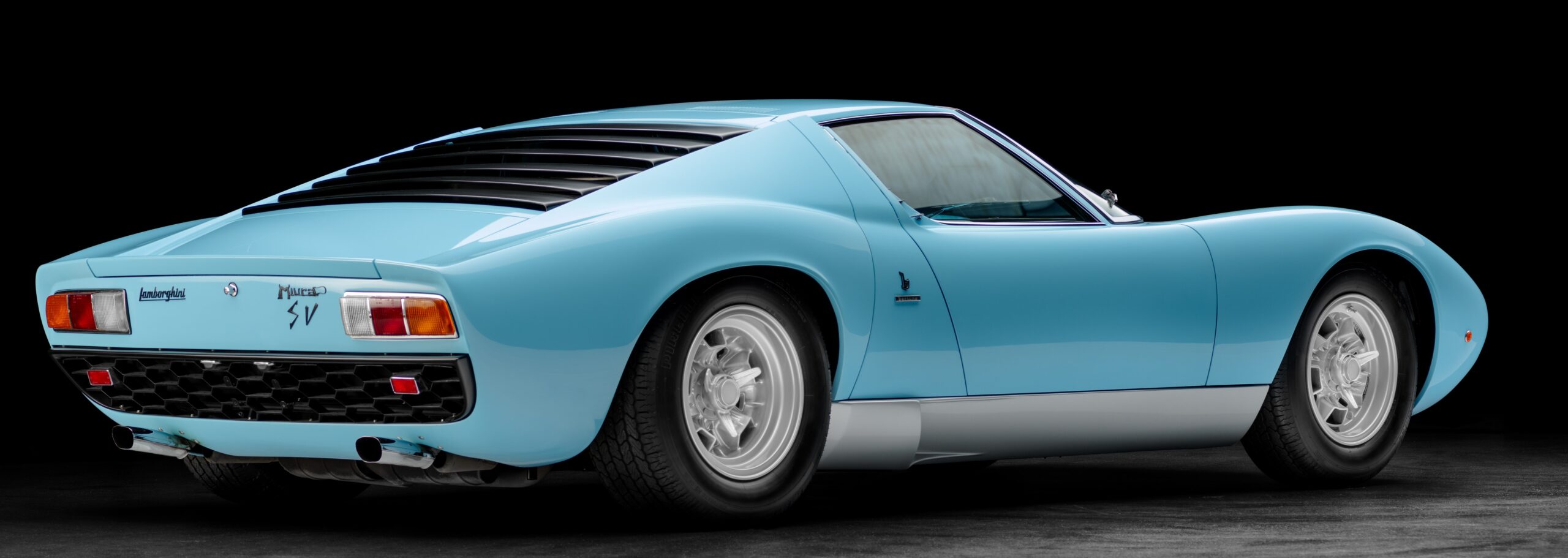
A 1971 The Miura SV

The 1971 Miura SV is considered the highest expression of the ‘supercar’ concept of its time and the best of all the Miura versions produced, says Lamborghini. (Photo courtesy of Lamborghini)


BY MARK MAYNARD

The Lamborghini Miura SV was officially unveiled at the Geneva Motor Show in March 1971. As the last evolution of the P400 line, the Miura SV became the most sought-after production car made by Lamborghini, the company said in an April 14 release. “[The Miura] is considered the highest expression of the ‘supercar’ concept of its time and the best of all the Miura versions produced.”

Building on the Miura S nameplate, the V stands for veloce (super fast). But the SV’s huge sales success would replace the S.

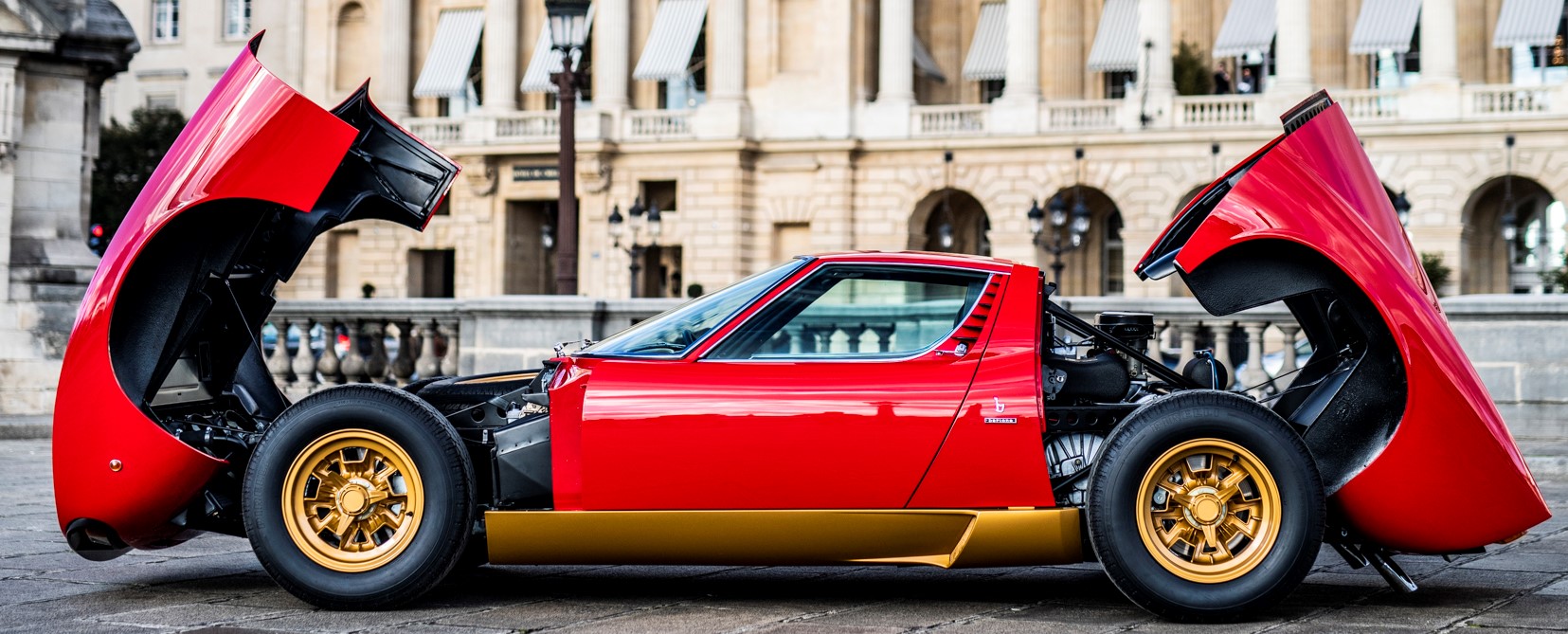
A Rosso Corsa Lamborghini Miura SV

This Rosso Corsa Miura SV was restored by Lamborghini’s Polo Storico for Jean Todt, former rally racer, former Scuderia Ferrari Formula 1 team principal and longtime president of the Fédération Internationale de l’Automobile. (Remi Dargegen)

The Rosso Corsa Lamborghini Miura SV with front and rear hoods open.

(Remi Dargegen)

Gian Paolo Dallara and Paolo Stanzani, Lamborghini’s chief engineers at the time, were the creators of the Miura and Miura S. They confirmed that the SV version benefitted from the experience gained during the first five years of Miura production.

The Miura SV was quite different technically and stylistically from the other Miuras, the P400 and P400 S. The SV maintained the same general layout and 4.0-liter 12-cylinder transversely mounted rear-mid engine. Many changes were structural. The SV had a stiffer and reinforced chassis and a revised rear suspension system with different anchor points and arms. It also had a track widened by a little more than 5 inches (130 mm).

A new setting for the four Weber triple-barrel carburetors boosted the SV’s engine to 385 horsepower at 7,850 rpm. And the 12-cylinder’s peak torque increased to 294 foot-pounds at 5,750 rpm.

A Lamborghini SV.

The SV has wider rear fenders and unique taillights.

A separate lubrication system between the engine and gearbox was a hugely important technical improvement, the company said.

The Miura SV’s official top speed was just over 180 mph (290 km/h). Acceleration to 62 mph took 6.9 seconds, which was record performance back then.

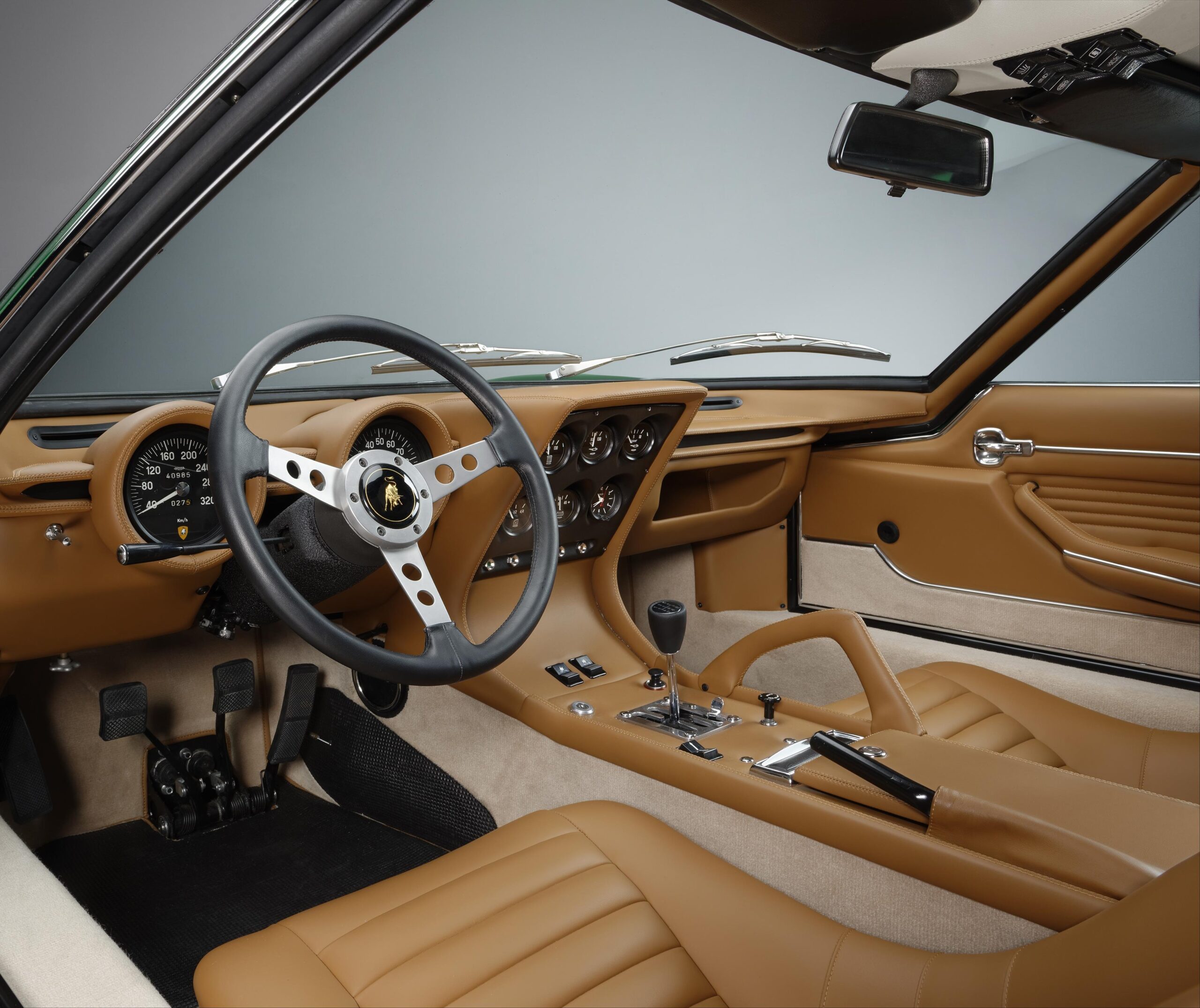
The Lamborghini SV interior.

The SV interior was updated with more leather and chrome. 

Now fitted with staggered-size tires, the rim design had a new and sportier appearance. Most SV customers ordered them with a gold finish, Lamborghini says.

The revised SV has wider rear fenders, differently designed taillights, and a new front hood with an air intake for the radiator.

Eyelashes Are Gone

One of the most important visual changes to the Miura SV was the deletion of the famous “eyelashes” around the headlights. There was no real technical reason for this esthetic modification and creating them was a time-consuming step.

“However, for his own personal Miura SV — the only one to officially adopt this specification — Ferrucio Lamborghini asked for the eyelashes around the headlights to remain,” Lamborghini said in the release.

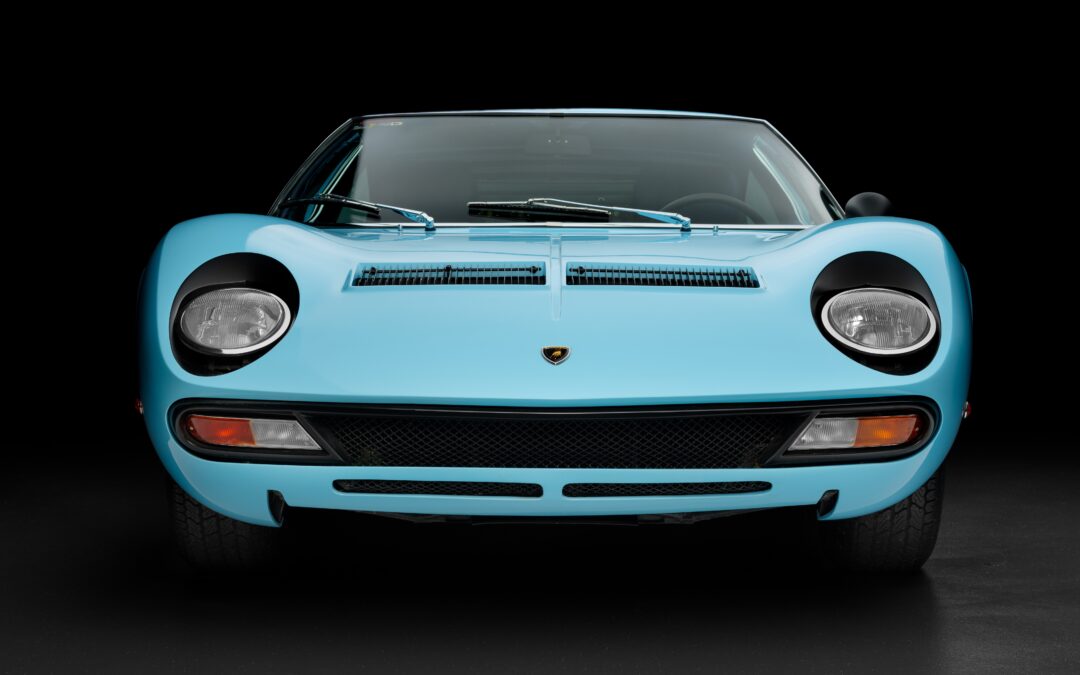
A Lamborghini Miura SV, in Azzurro Cielo paint.

A Miura SV in Azzurro Cielo.

The SV’s interior was better finished and more modern looking than that of the previous versions. There was more leather and various chromed details.

The Miura SV was taken out of production in early 1973 after 150 units had been produced. In 1975, however, a final SV was expressly manufactured for Walter Wolf. The renowned businessman was also a Formula 1 racing supporter and team owner of Walter Wolf Racing. His SV is now on view at the Lamborghini Museum, MUDETEC, in Sant’Agata Bolognese.

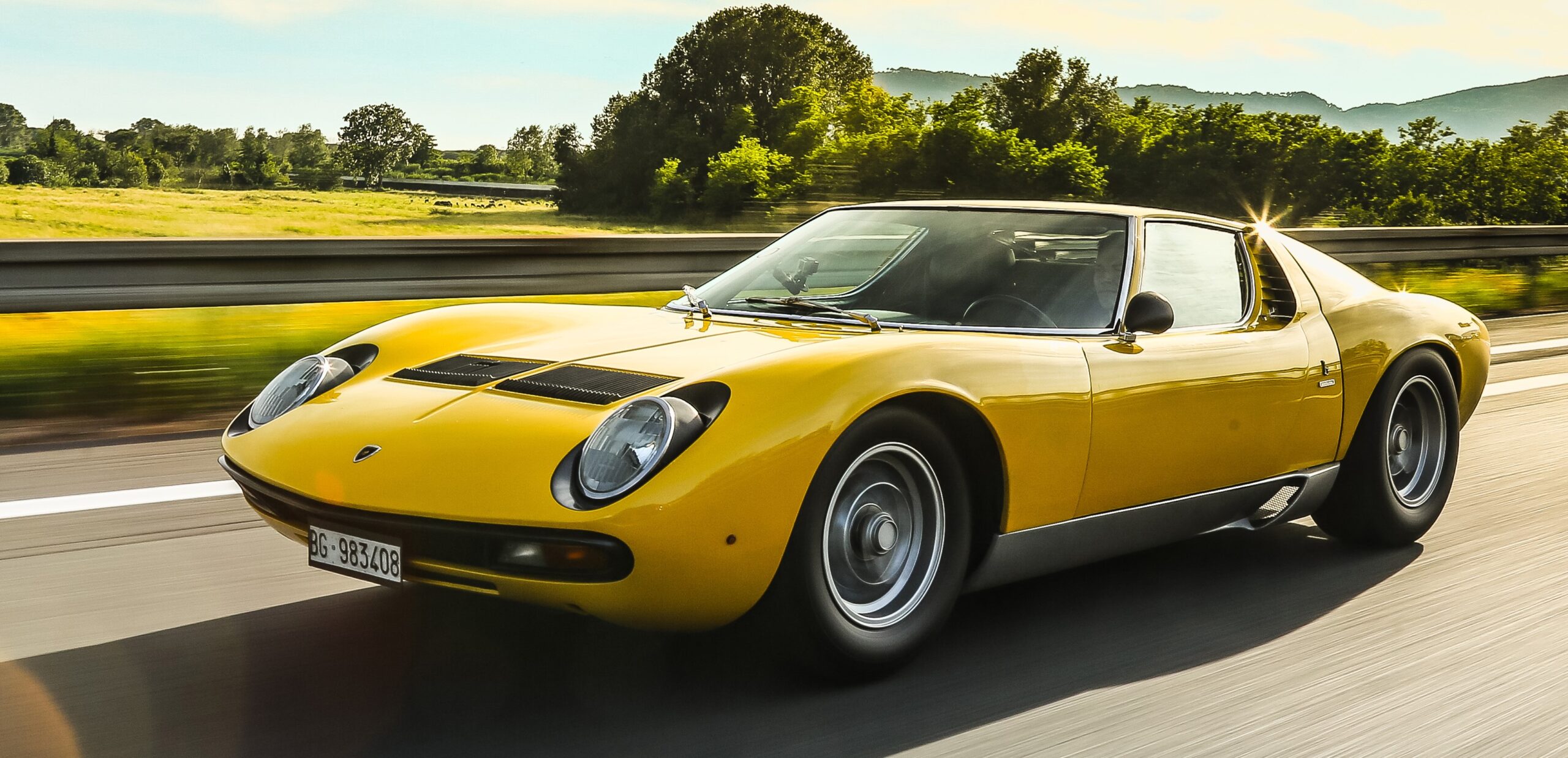
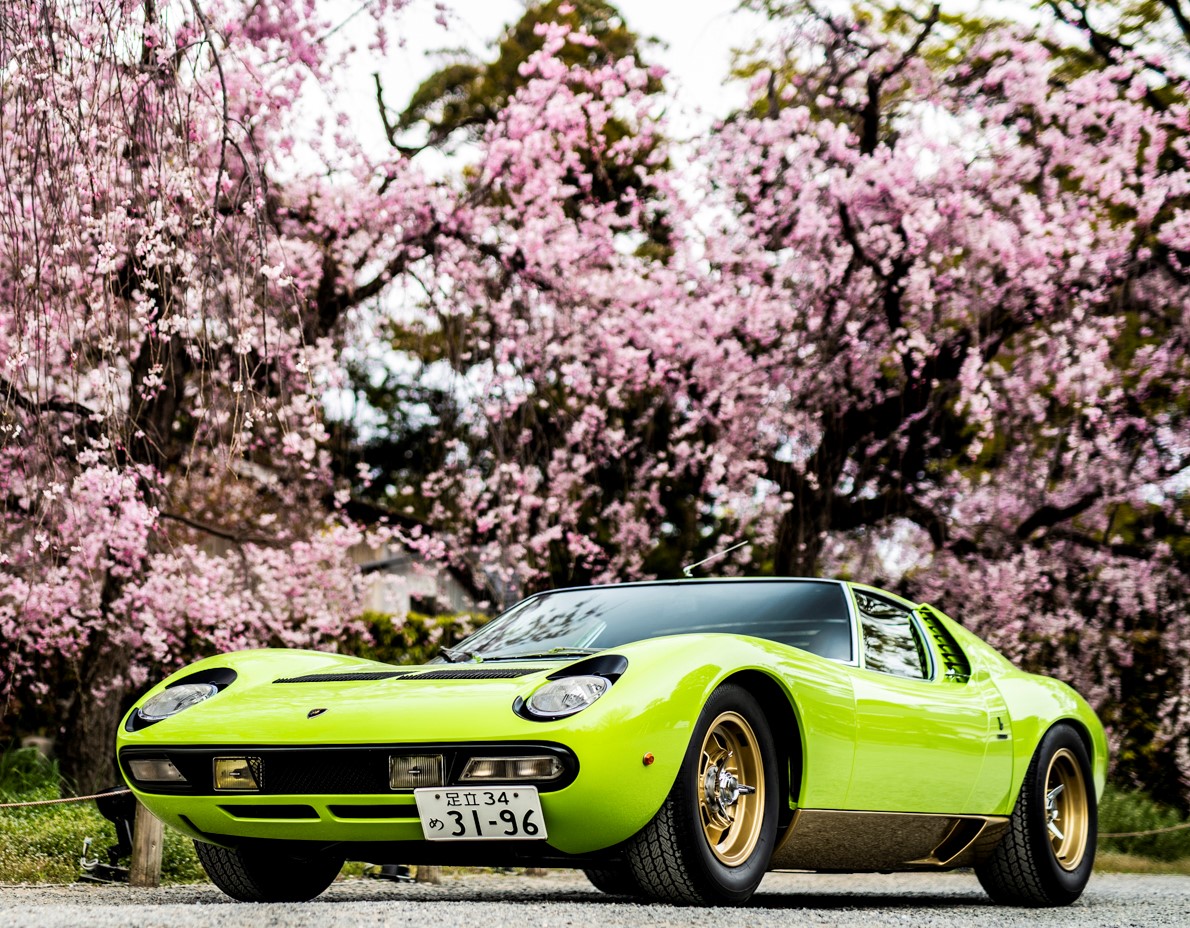
A 1971 Lamborghini Miura SV.

This 1971 Miura SV earned ‘Best Lamborghini’ at the 2019 Concorso d’Eleganza Kyoto (Japan). 

The end of Miura SV production ended an era in which speed and sinuous lines predominated. For many, it remains the most beautiful car ever produced in series.

Lamborghini Polo Storico

Opened in 2015, Lamborghini Polo Storico is an Automobili Lamborghini department that supports the preservation of classic Lamborghini vehicles produced up to 2001. The special department can provide restoration services, spare parts, and certification.

Polo Storico also curates the archive and includes information relating to the models manufactured in Sant’Agata Bolognese. The archive includes the first sketches to the production files and the original technical drawings.

1963 Buick Special

1963 Buick Special
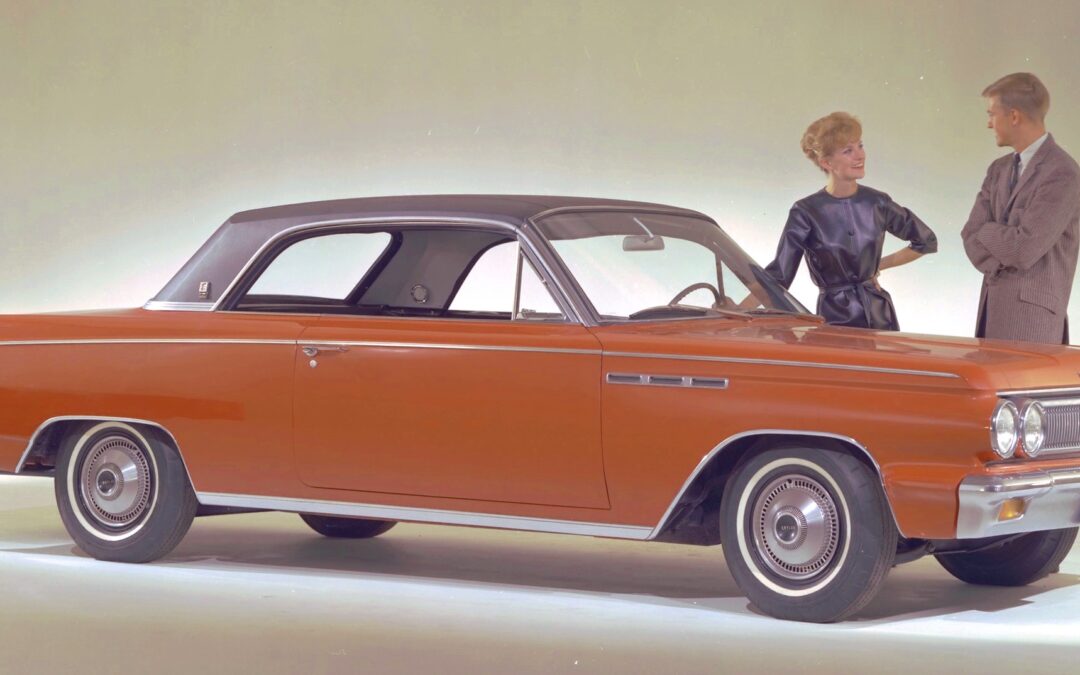
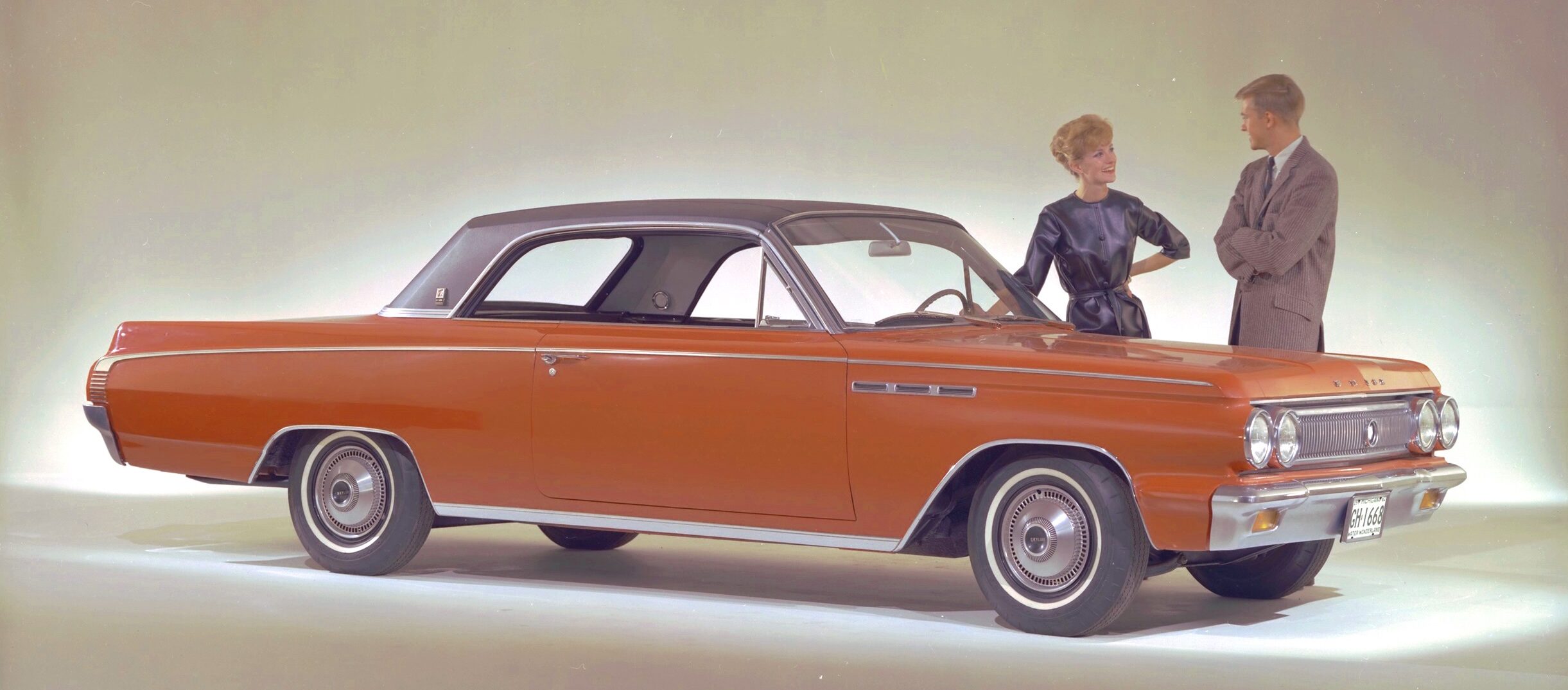
A 1963 Buick Special coupe.

The 1963 Buick Special body was only produced for one year. (GM)

BY MARK MAYNARD

General Motors promoted the 1963 Buick Special for its “unique, compact 3.5-liter all-aluminum V-8 engine.” The 215-cubic-inch engine gave the Special one of the highest horsepower-per-liter ratios of its day: 0.93:1.

The engine had a power rating of 155-hp with the two-barrel carburetor. When equipped with the optional four-barrel carburetor horsepower rose to 190-hp, according to Wikipedia.

Transmission choices were a three-speed column shift manual transmission, a floor shift Borg-Warner T-10 four-speed manual, or a two-speed Turbine Drive automatic. The two-speed “Dual Path Turbine Drive” automatic was a Buick design and shared no common parts with the better-known Chevrolet Power-Glide transmission.

In 1961, the Buick Special debuted a brand new unibody compact GM Y platform. And in 1962, the Special was the first American car to use a V-6 engine in volume production, earning its Motor Trend’s Car of the Year for 1962.

The 1963 Special was available as a two-door pillared hardtop coupe, a four-dour sedan, a convertible, and a station wagon.

The 1963 body was only produced for one year, selling 148,750 copies, including 42,321 Skylarks. The entire car was redesigned for 1964.

The Buick 215

After that, the Buick 215 V-8 found its way into the Rover P6 3500S in 1968 but was never sold in North America in any great numbers.

The engine was used, however, in other British cars. The V-8 was used in the Morgan Plus 8, MG MGB GTV8, Land Rover, and Triumph TR8. It was also retrofitted into MGAs and MGBs.

The Buick engine had really earned its stripes as being the sole engine powering the Range Rover for a couple of decades, according to the Wiki page. Eventually, the V-8 found its way into the original Series/Defender Land Rover. The engine also was used in several other Land Rover Models including the Discovery and the Forward Control (Army vehicle).

1948 Willys-Overland Jeepster

1948 Willys-Overland Jeepster

The Civilian Jeep

The 1948 Jeep Jeepster PR image.The 1948 Jeep Jeepster. (Photos courtesy Stellantis PR archives)
BY MARK MAYNARD

The Willys-Overland Jeepster was a clever business plan and an early example of a crossover SUV with carlike features.

Introduced in April 1948 and produced through 1950, the Jeepster was conceived as a sporty two-door, convertible sports car for veterans of World War II, according to its page in Wikipedia.

The basic Jeepster (“VJ” internally) included numerous deluxe features and a high level of standard equipment. Among its carlike extras were whitewall tires, hubcaps with chrome trim rings, sun visors, deluxe steering wheel, wind wings, locking glovebox, cigar lighter, and continental tire with fabric cover.

Slab-Sided Design

Willys-Overland lacked the machinery to form deep-drawn fenders or complicated shapes, according to the Wiki report, so the vehicle line had to use a simple and slab-sided design.

“Industrial designer Brooks Stevens styled a line of postwar vehicles for Willys using a common platform that included the Jeep pickup and station wagon, as well as a sporty two-door open car that he envisioned as a sports car for veterans of World War II.

“After World War II, Jeep trademark owner, Willys (originally pronounced WILL-is), began producing and marketing the “CJ” (for Civilian Jeep) to farmers, foresters, and others with similar utilitarian needs. It also began producing the Jeep wagon, panel utility and pickup in 1946 and the Jeep truck in 1947.

The majority of the Jeepster’s hardware carried over from the Willys station wagon, including the entire drivetrain, front end, rear suspension, steering and four-wheel drum brakes. Its flat-topped rear fenders were taken from the Jeep truck line.

The drivetrain was Willys’ World War II-proven, 63-horsepower, 2.2-liter inline-4 “Go Devil” engine. The three-speed manual transmission had standard overdrive.

The Jeepster was only offered with rear-wheel drive, which limited its appeal with other Jeep customers. With plastic side curtains, its $1,765 price was about the same as a Ford Super DeLuxe Club convertible. But the Ford had roll-down windows, fancier styling and a V-8 engine.

Jeepster Not Popular

Limited by sparse advertising and an insufficient dealer network, the Jeepster did not catch on with the intended market segment. Still, a total of almost 20,000 were manufactured through 1950, with some leftover models sold in the 1951 model year.

The Jeepster name was revived in 1966 on a new model, the C-101 Jeepster Commando. American Motors Corp., Willys-Overland’s successor, removed Jeepster from the name for 1972, and production ended after 1973.

The 1967 Jeepster Commando.

The 1967 Jeepster Commando.

1961 Corvair Pickup

1961 Corvair Pickup
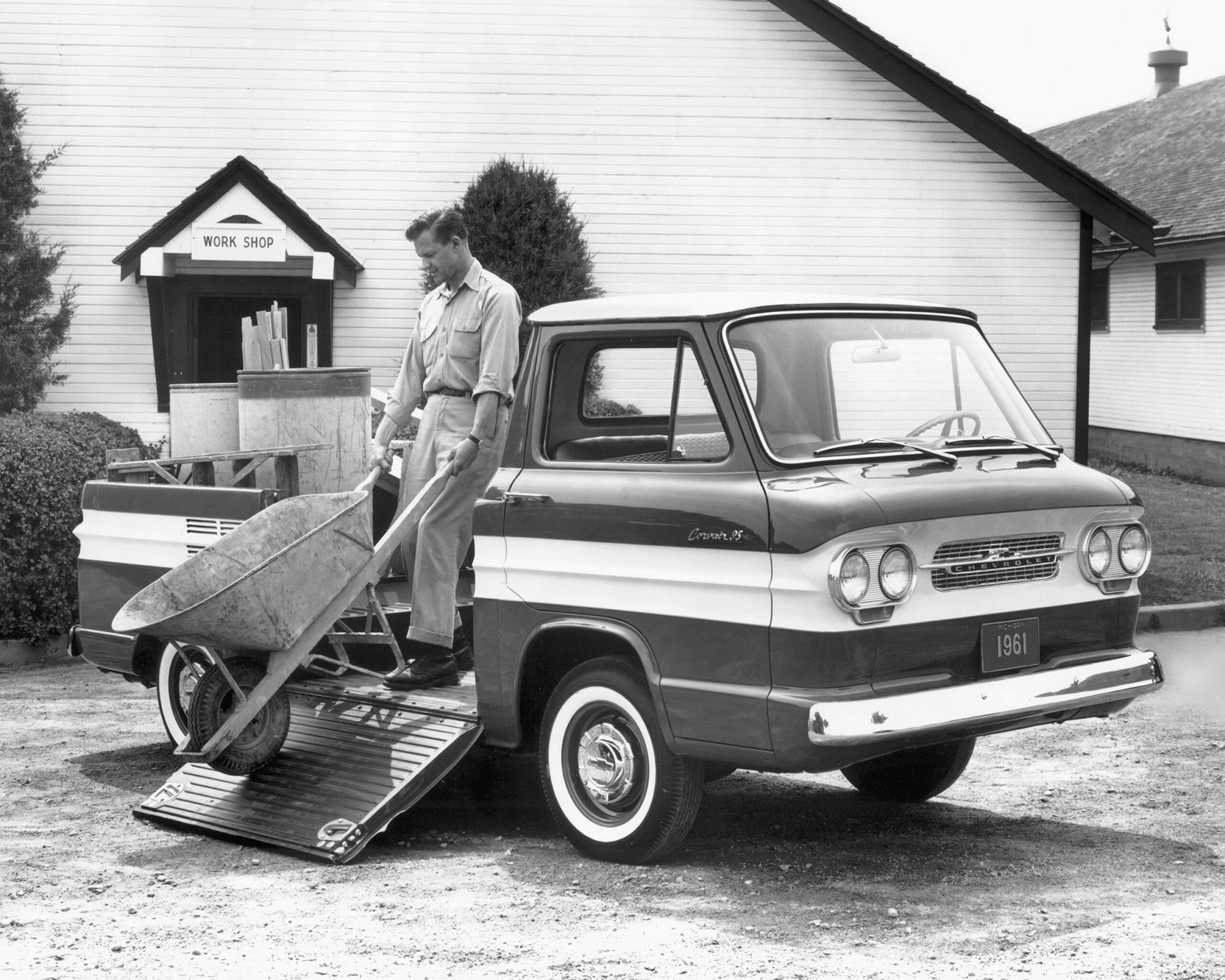
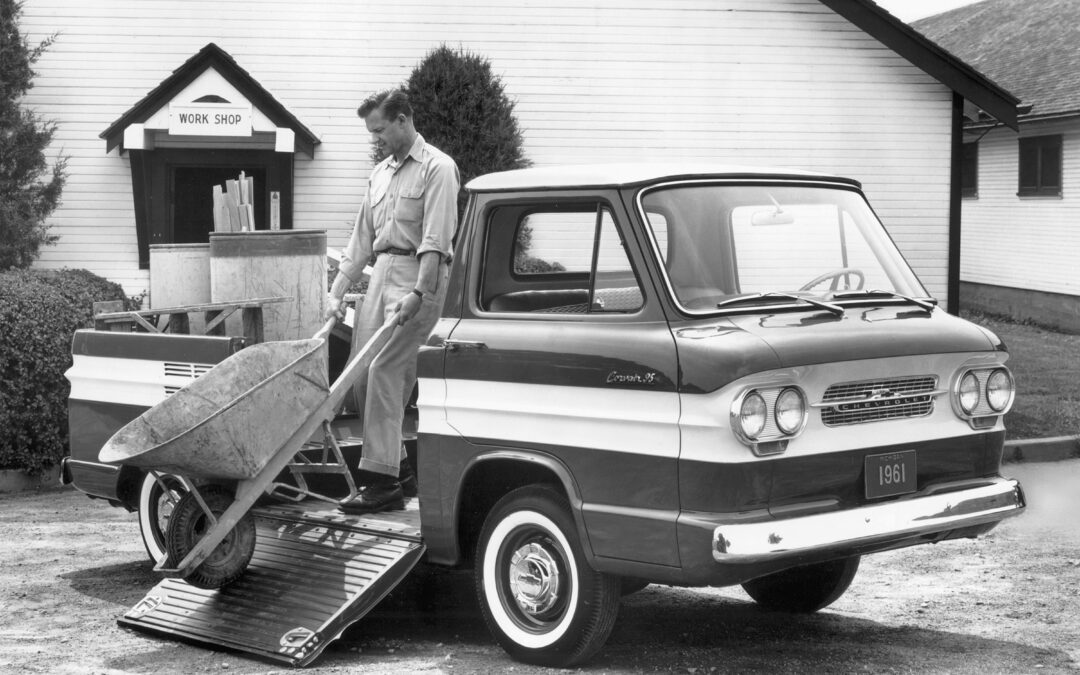
The 1961 Corvair 95 Rampside.

The 1961 Corvair 95 Rampside. (Chevrolet archives)


BY MARK MAYNARD

Although there had been a number of small pickups prior to the 1960s, the compact car boom that kicked off the decade brought with it a new crop of the so-called “forward control” body style.

Among the offerings was the Corvair 95. With its unitized body structure and rear-mounted engine, the 95 offered a lot of cargo space in a compact maneuverable package.

The Rampside model offered a side gate on the right side of the vehicle. The placement allowed easy access to the low load floor at the front of the bed.

According to the Corvair enthusiast site Corvair.org, Corvair 95s were named for their 95-inch wheelbase. GM  referred to the body style as “Light Duty-Forward Control (L.D.F.C.)” vehicles.

Marketed from 1961 to 1965, The line consisted initially of two vans and two pickups:

  • Corvan panel delivery, model R-1205
  • Greenbrier station wagon, model R-1206
  • Loadside pickup, model R-1244
  • Rampside pickup, model R-1254

Forward control referred to the positioning of the steering mechanism forward of the front axle and engendered the “Corvair FC” moniker for the line.

Although clever in design, the Corvair 95 never caught on in the showroom, and in the final model year of 1964, only 851 were sold.