The redesigned 2019 Hyundai Veloster R-Spec is an eager rascal to grab a rascal by manual gear shift and shake it out on a run

The Hyundai Veloster is sold in five trim levels with starting prices that range from $19,385-$29,035. (Photos courtesy of Hyundai USA)
With so much attention on teacup crossovers and self-driving vehicles, I sometimes forget what fun it is to grab a rascal by the scruff and shake it out on a run.
The redesigned Hyundai Veloster R-Spec is that kind of car — and it is not expensive.
The 2019 Hyundai Veloster is the second generation of this compact-class, front-wheel-drive, four-seat hatchback “coupe.” It is unique in the segment for its lone rear passenger door on the right side; it is supposed to be an incentive over a traditional two-door.
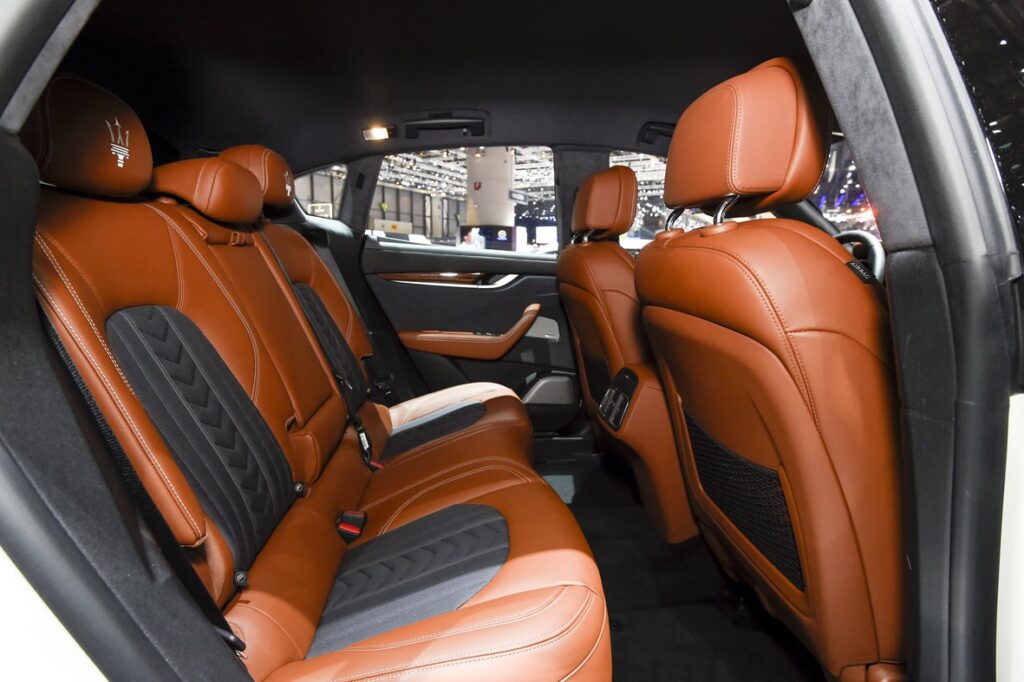
And its cargo potential could be ideal for rapid delivery service. There is almost 20 cubic feet of wide and flat space behind the back seat, which more than doubles by folding the 50/50 seat. But back-seat passenger space is snug — barely 36 inches of headroom and 34.1 inches of legroom.
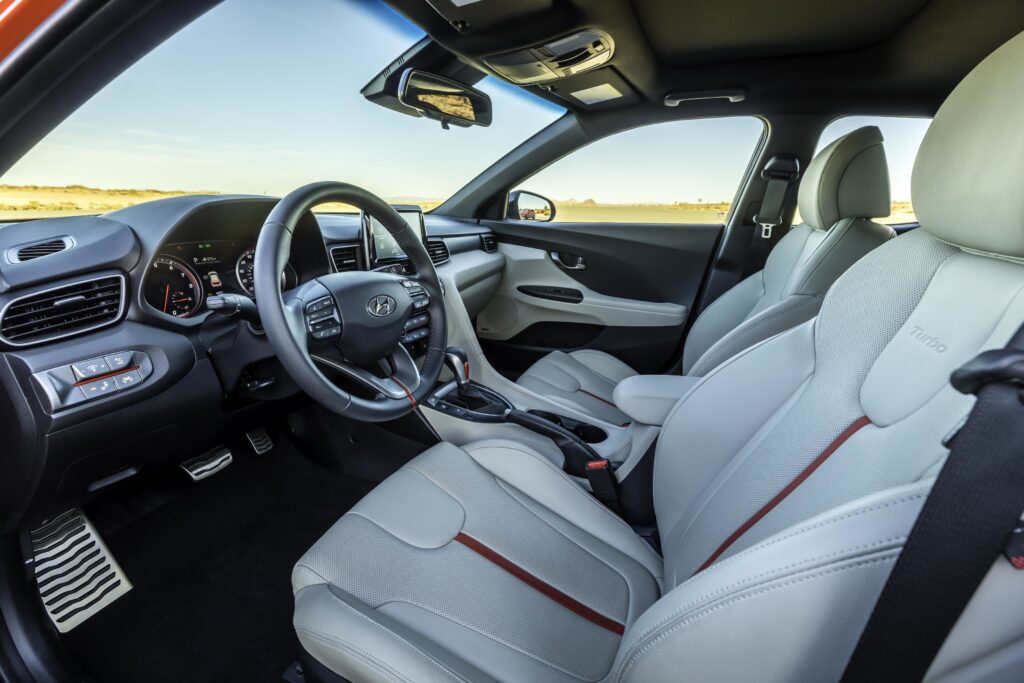
The cabin is well equipped and smartly designed with quality-appearing materials and construction.
Veloster competition, Hyundai says, is the Chevrolet Trax, Fiat 500, Honda Civic coupe, Mini Cooper, Toyota C-HR, and VW Beetle.
While the architecture of the car is new — from Elantra — the 104.3-inch wheelbase is the same, but most cabin measurements are a few tenths larger. The roofline was lowered, so the front headroom is an inch less now without the sunroof. Rear headroom, however, grew by half an inch. Front legroom was trimmed by 1.3 inches, but rear legroom grew by 2.4 inches.
Hyundai Veloster Pricing
There are four trim levels of Veloster, to date, with a choice of turbocharged and non-turbocharged four-cylinder engines. Starting prices range from $19,385 to $29,035 for the Turbo Ultimate with seven-speed dual-clutch automatic transmission.

2019 Veloster N: 275 hp, 6-speed manual.
A higher performance 2019 Veloster N will go on sale in November with a 275-hp, turbocharged 2.0-liter four-cylinder and six-speed manual with rev-matching downshifts. Pricing starts at $33,545.
Check current Hyundai Veloster pricing here.
Veloster Powertrains
Base models have a 147-horsepower, 2.0-liter Atkinson-cycle four-cylinder engine with a six-speed manual or six-speed automatic transmissions.
The Turbo models are upgraded to a 201-hp, turbocharged and direct-injection 1.6-liter four-cylinder. It has 195 foot-pounds of torque from 1,500-4,500 rpm with an overboost trick on hard acceleration that pushes peak torque to 202 lb.-ft. This engine is matched with a six-speed manual — sometimes called the “millennials’ anti-theft device” — or seven-speed dual-clutch automatic with steering wheel paddle shifters. The Turbo models also have an engine sound generator — but it sounds natural while some are just artificially obnoxious.
Automatic transmissions have Normal, Sport and Smart driving modes and the manual has Sport and Normal.
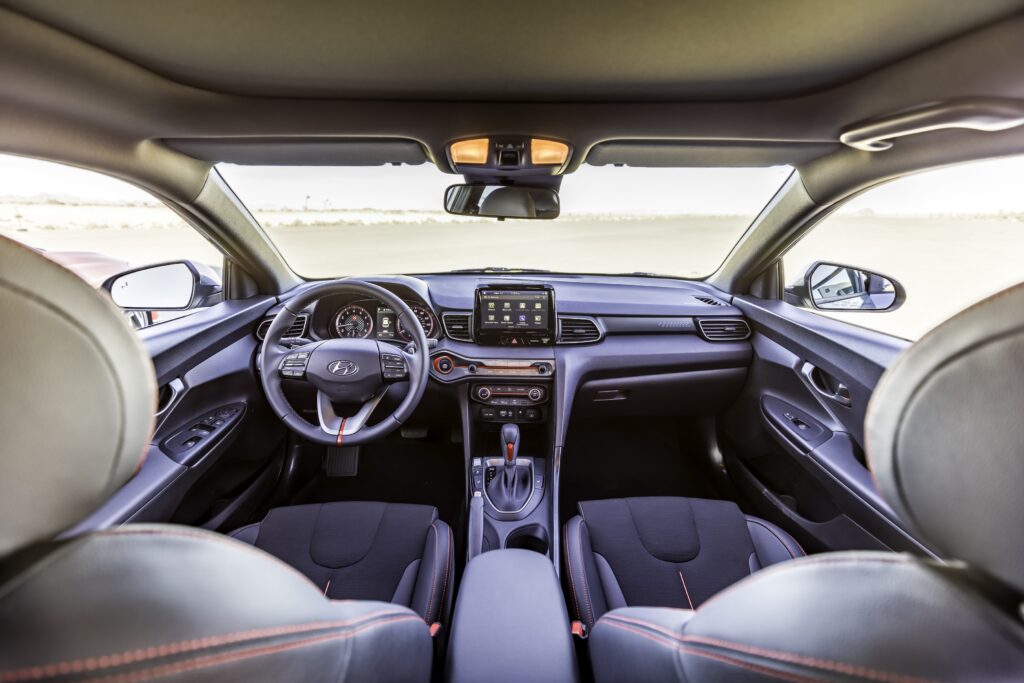
It only looks small and hard to see out of. It’s actually a very workable small car that has open sightlines across the hood and a good rearview camera with guidance lines.
Testing the Veloster R-Spec
Today’s tester is the R-Spec with manual-transmission only, which was $23,785, including the $885 freight charge from Ulsan, Korea.
It is a sweet package off the showroom floor with a good collection of sport-tuned elements and a stance that lives up to its speedy styling. R-Spec features include a quick-ratio B&M Racing sport shifter, black Turbo fabric upholstery with yellow stitching, metal-trimmed pedals, center-mounted dual exhaust tips, rear spoiler and sport-tuned suspension-steering-exhaust. The 18-inch black alloy wheels with Michelin Pilot Sport 4 summer tires fill the wheel area nicely.
The previous-generation Veloster was OK-fun to drive, but I always wished for another 50 hp. And now the upgraded 1.6-liter and manual are fully engaging. The clutch is light, the shifter precise and gear ratios are such that you don’t have to continually row through the gears to stay in the power band. There is good range in first to wind it out without rushing to second with plenty more revving range in third and fourth to maintain power in the S-turns. The brake pedal is a bit tall for easy heel-toe shifting, but it’s still a hoot to scoot.

The Turbo models are upgraded with a 201-hp, 1.6-liter turbocharged and direct-injection four-cylinder.
Veloster R-Spec Fuel Economy
While the R-Spec is a functional small car, it might not be the best long-distance commuter for fuel economy. The engine revs fairly high at 2,500 rpm at 65 mph or 3,000 rpm at 80, but it is not a buzzy engine and the revs do not rock the cabin. Fuel economy ratings are not bad at 26 mpg city, 33 highway, and 29 mpg combined on 87 octane. I was averaging 28.9-34.1 mpg.
Michelin Pilot Sport summer tires make every car better and these were no crybabies when pushed hard in cornering. The Veloster has good balance and sightlines across the hood are wide open. The rear might look like a blind-spot black hole, but the wide rear glass helps views and the rearview camera with guidance lines helps when parking.
Standard driver-assist features include lane-keeping assist and forward collision-avoidance assist; a forward-facing camera watches for an imminent collision and will brake autonomously to avoid impact or at least minimize damage. Blind-spot collision warning with rear cross-traffic collision warning is optional.
Four-wheel-disc brakes are robust for the 2,921-pound Veloster: 12-inch vented front discs, 10.3 solid disc rear.
Four-wheel-disc brakes are robust for the 2,921-pound Veloster: 12-inch vented front discs, 10.3 solid discs rear.
Turbo models also have a quicker steering ratio, which has good driver feedback and requires minimal inputs for course corrections. The 34.8-foot turning circle is handy in all parking situations.
Safety Features
Torque-vectoring control will help keep drivers from their own undoing. It works with the electronic stability control to help hold the line when pushing hard through corners. Wheel-speed sensors mete out braking force to the inside front and redirect power to the outside front wheel in the turn to trim wheelspin for a quicker corner exit.
Other safety features include six air bags, high-beam assist (with the optional LED headlights), and driver attention warning.

Front headroom is tall at 38 inches without the sunroof.
Interior Function
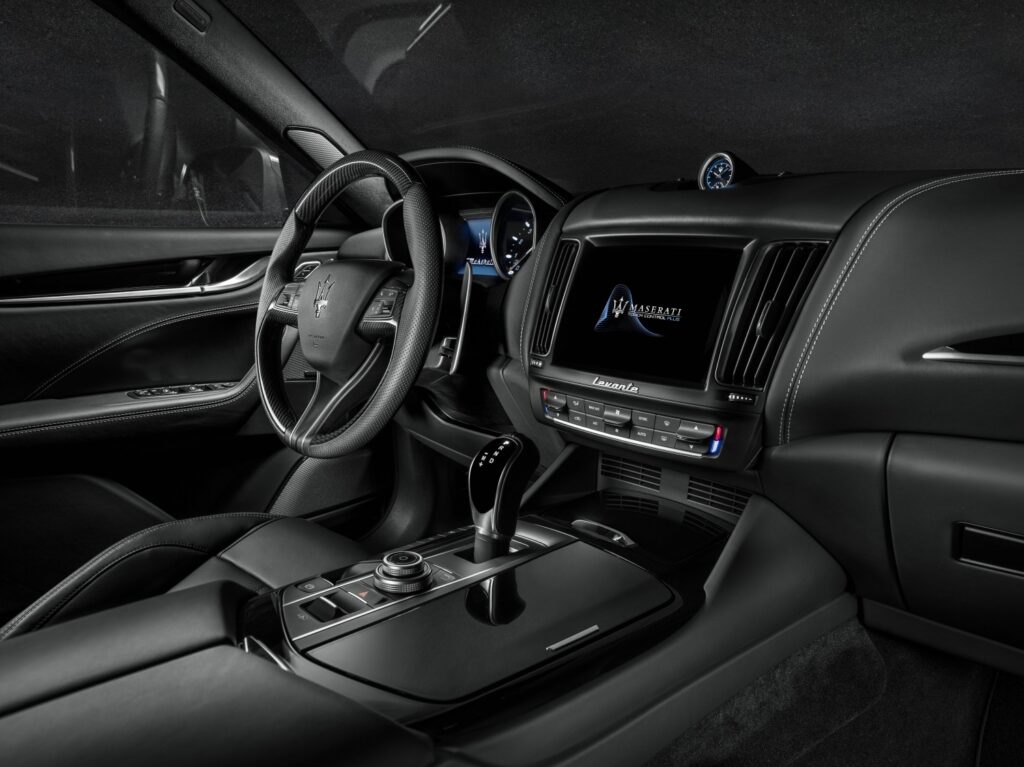
The cabin is well equipped and smartly designed with quality-appearing materials and construction — but bare elbows leave scuff marks on the plastic door panels. The sports seats are supportive and comfortably bolstered with more thigh length than is commonly found in compact cars. The gauge array and center stack of audio-AC-fan-phone controls is a quick read with direct access. The shifter console has plenty of room for the manual parking brake lever, cup holders, and an e-bin for device charging with two USBs (charging and standard), a 12-volt plug, and an audio aux-in.
Headroom for tall drivers might be short at 38.1 inches (36.9 with the sunroof), but legroom is not at 42.6 inches.
The Veloster would seem to be on the endangered-species list as the brand’s lowest seller by far. But it is a distinct disruptor for the discerning young driver — though most of them would sooner buy Hyundai’s new subcompact Kona crossover with four doors and more cargo capacity.
But for those who know how to work a stick, it’s a hands-on kind of car when the world is rushing to hands-off driving.

Back seat space is snug, but headroom grew by half an inch.
2019 Hyundai Veloster Turbo R-Spec Specifications
Body style: subcompact, front-wheel drive 3-door, 4-seat hatchback
Engine: 201-hp, turbocharged and direct-injection 1.6-liter four-cylinder; 195 lb.-ft. torque from 1,500-4,500 rpm
Transmission: 6-speed manual
Fuel economy: 26/33/29 mpg city/hwy/combined; 87 octane
BY THE NUMBERS
Fuel tank: 13.2 gallons
Cargo space: 19.9-44.5 cu. ft.
Front head/leg room: 38.1*/42.6 inches *36.9 w/sunroof
Rear head/leg room: 35.9/34.1 inches
Length/wheelbase: 166.9/104.3 inches
Curb weight: 2,921 pounds
Turning circle: 34.8 feet

Veloster competitors include the Chevrolet Trax, Fiat 500, Honda Civic coupe, Mini Cooper, Toyota C-HR and VW Beetle.
FEATURES
Standard equipment includes: smartkey entry and push-button ignition, rearview camera with guide lines, 8-speaker Infinity audio system with 8-inch touch screen and Android Auto or Apple CarPlay infotainment, LED headlights, leather-wrapped steering wheel, power mirrors-windows, 4-wheel disc brakes
R–Spec features include: quick-ratio shifter, black Turbo fabric upholstery with yellow stitching, metal-trimmed pedals, 18-inch alloy wheels with Michelin Pilot Sport 4 summer tires, dual center-mount exhaust tips, rear spoiler, sport-tuned suspension-steering-exhaust, B&M Racing sport shifter
Safety features include: 6 air bags, lane-keep assist, brake assist, brake-force distribution, hill-start assist, blind-spot monitor
PRICING
Base price: $23,785, including $885 freight charge
Options on test vehicle: None
Where assembled: Ulsan, Korea
Warranty: 5-years/60,000-miles with roadside assistance; 10-years/100,000-miles powertrain

There is 19.9 cubic feet of cargo space behind the back seat or up to 44.5 with the 50/50 seat folded.