Select Page

Hot Wheels Immortalized In USPS Stamp Set

Hot Wheels Immortalized In USPS Stamp Set

The USPS will debut the stamp series Sept. 29 at the Goodguys 26th Summit Racing Lone Star Nationals at the Texas Motor Speedway.

Hot wheels stamp set of 20

BY MARK MAYNARD

The 50th anniversary of Hot Wheels is making yet another victory lap in its yearlong celebration. Toymaker Mattel’s tribute to its free-wheeling toy cars began April 28 with a 14-city tour to seek out crazy cars for a new series.

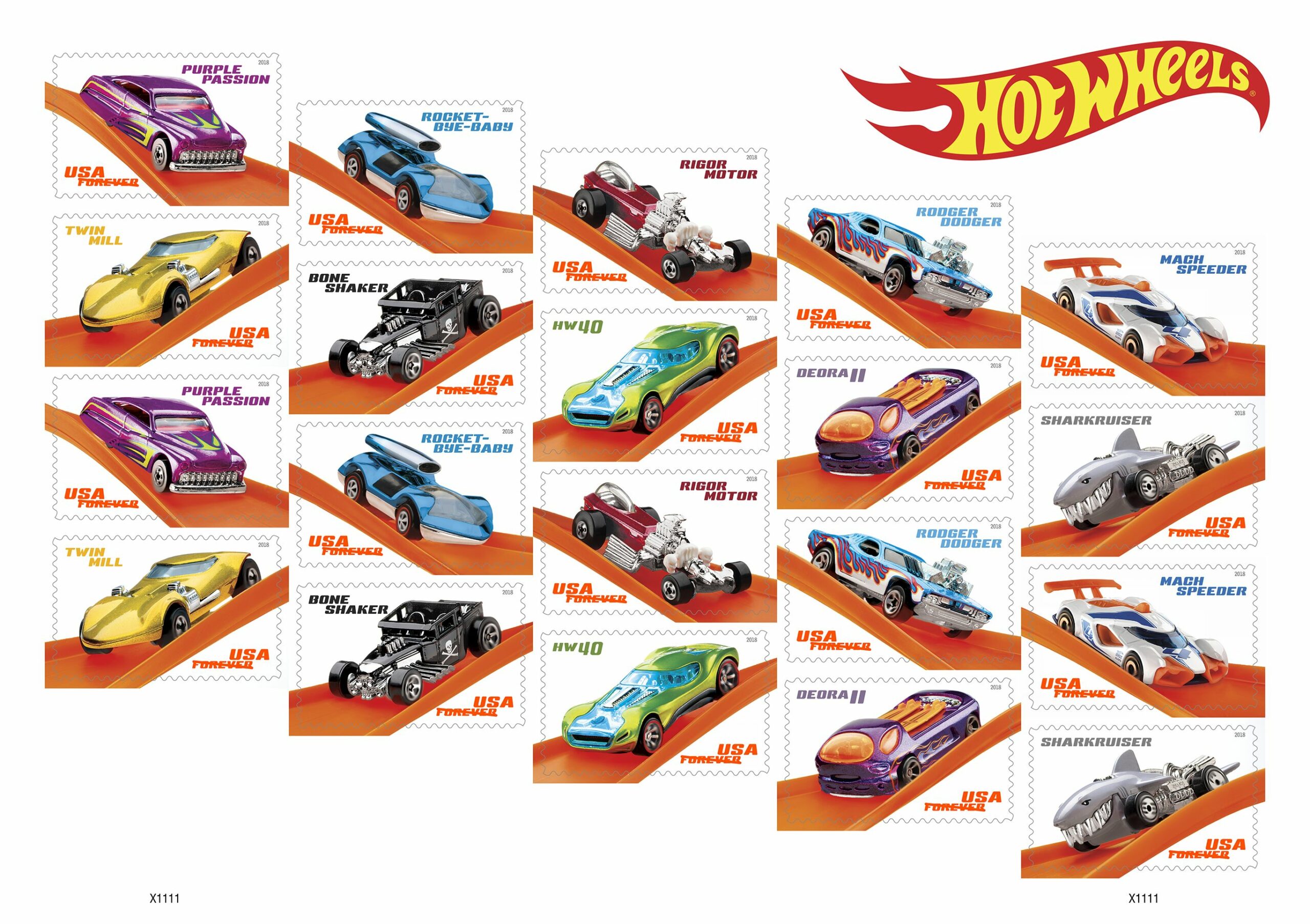
And now the U.S. Postal Service is honoring the diecast cars with a block of 20 Forever stamps showcasing some of the most outrageous designs from Hot Wheels history.

To be sure the stamps get a strong start, the USPS has chosen the Goodguys 26th Summit Racing Lone Star Nationals, Sept. 28-30, at the Texas Motor Speedway for the first-day-of-issue ceremony.

Five Hot Wheels cars will be on display all day Saturday, Sept. 29, and a postal-service booth will sell stamps. https://good-guys.com/lsn

Arranged in diagonal rows, the 20 stamps showcase photographer Len Rizzi’s images of 10 Hot Wheels cars — two of each design — speeding along a bright orange track.

Arranged in diagonal rows, the 20 stamps showcase photographer Len Rizzi’s images of 10 Hot Wheels cars — two of each design — speeding along the orange track.

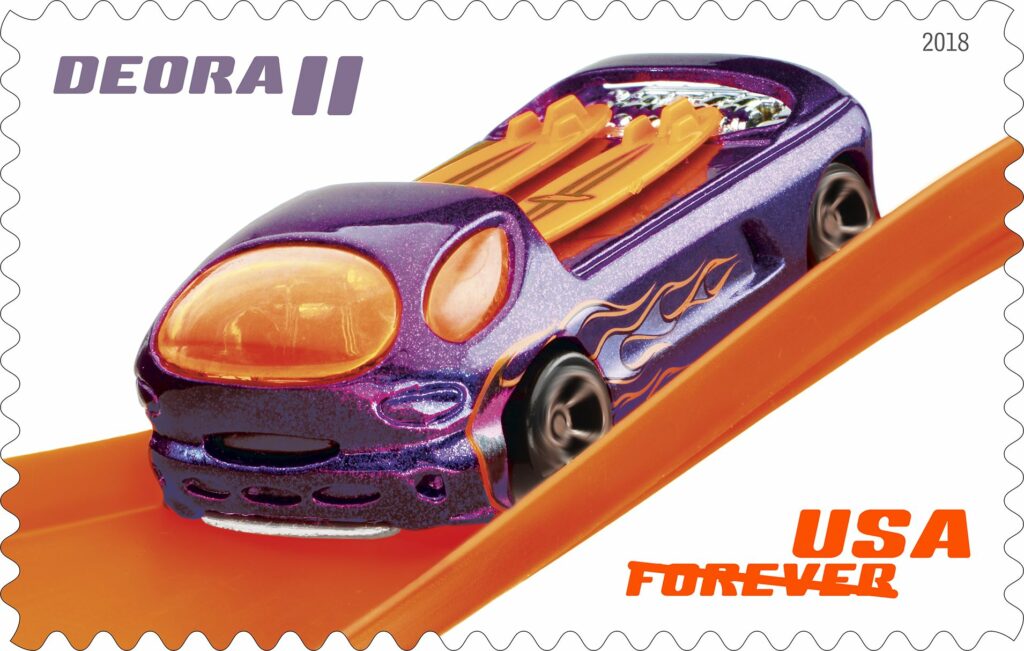
Each stamp features the name of the vehicle shown in one of the top corners and the words “USA” and “Forever” in one of the bottom corners. The Hot Wheels logo appears in the top right corner of the pane. The back of the panel displays the Hot Wheels 50th anniversary logo. William J. Gicker was the project’s art director. Greg Breeding designed the stamps and was the typographer

Hot Wheels was born when Mattel co-founder Elliot Handler challenged his design team, which included a General Motors car designer and a rocket scientist, to create a toy car that was cooler and performed better than anything on the market.  Mattel soon introduced its orange tracks, which provided children unlimited ways to test out stunts and racing skills.   In 2011, Hot Wheels was inducted into the National Toy Hall of Fame.

Fans can view the ceremony live at www.facebook.com/usps.

Social media: www.hotwheels.com/Legends,  #HotWheelsLegends and #HotWheels50


NAME THE HOT WHEELS

Top row (left to right):

  • Purple Passion, 1990
  • Rocket-Bye-Baby, 1971
  • Rigor Motor, 1994
  • Rodger Dodger,  1974
  • Mach Speeder, 2018

Bottom row (left to right):

  • The Twin Mill, 1969
  • Bone Shaker, 2006
  • The HW40, 2008. Celebrating the 40th anniversary of Hot Wheels.
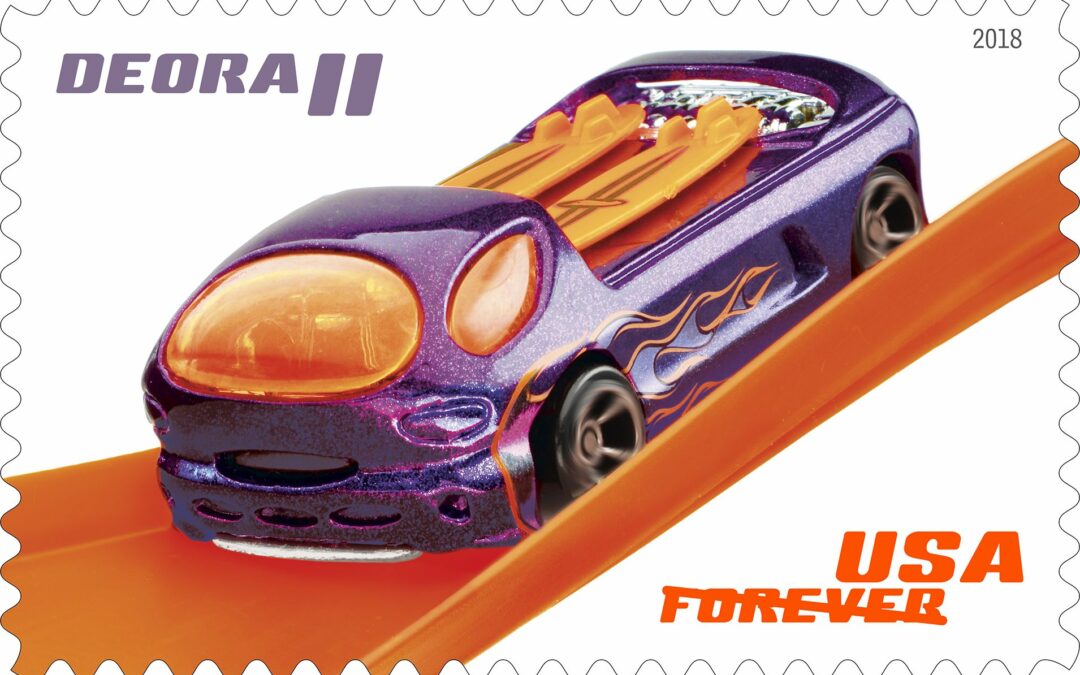
  • Deora II, 2000. The original surfboard-toting Deora was included in the first Hot Wheels line.
  • The Sharkruiser, 1987

Project ‘Marmite’: Electrified 1968 Jaguar E-Type reborn

Project ‘Marmite’: Electrified 1968 Jaguar E-Type reborn

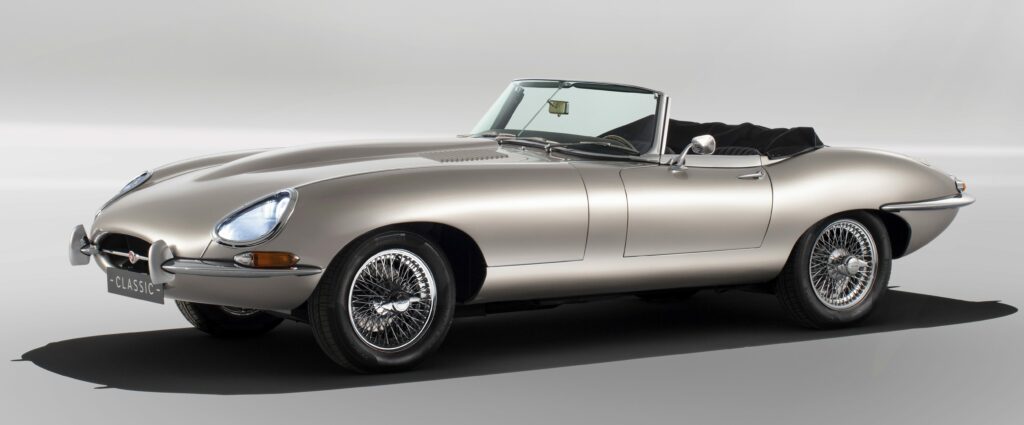
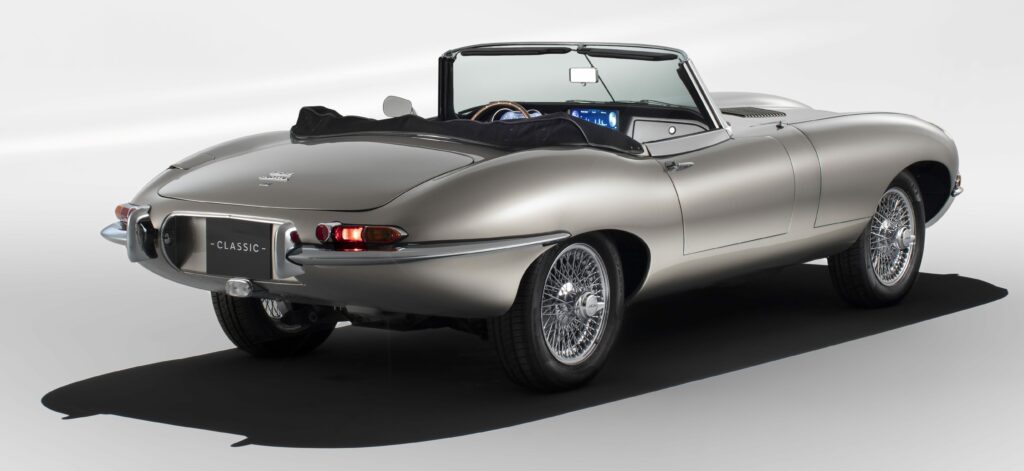
The Jaguar E-Type Zero, will be available by summer 2020, hand-assembled at a 75,000 square-foot facility in Coventry, England. (David Shepherd photo)

It has the looks of a classic 1968 Jaguar E-Type, but under its long bonnet is an electric motor that delivers more performance than the six-cylinder iron lump with which it was born.

You might have seen the first completed E-Type Zero during the Royal wedding, in which Prince Harry and Meghan Markle drove to the ceremony at Windsor Castle. It was a brief showing of the car and Jaguar has been mum on how it occurred, nor did the loyal British brand seek publicity for the exposure.

What began as a one-off project to see if there was a future in electrifying its classic models has since become a new business model of Jaguar Classic. Completely restored electric E-Types, officially called the Jaguar E-Type Zero, will be available by summer 2020, hand-assembled at a 75,000 square-foot facility in Coventry, England.

There were two major areas of concern for even considering electric powertrains for its classics, said Tim Hannig, 40, director of Jaguar Classic. No. 1, he said, was that more metropolitan areas of England and Europe are considering a ban of the combustion engine. And No. 2 was concern for owners of vintage Jags, “What do people who love their cars do in that situation?”

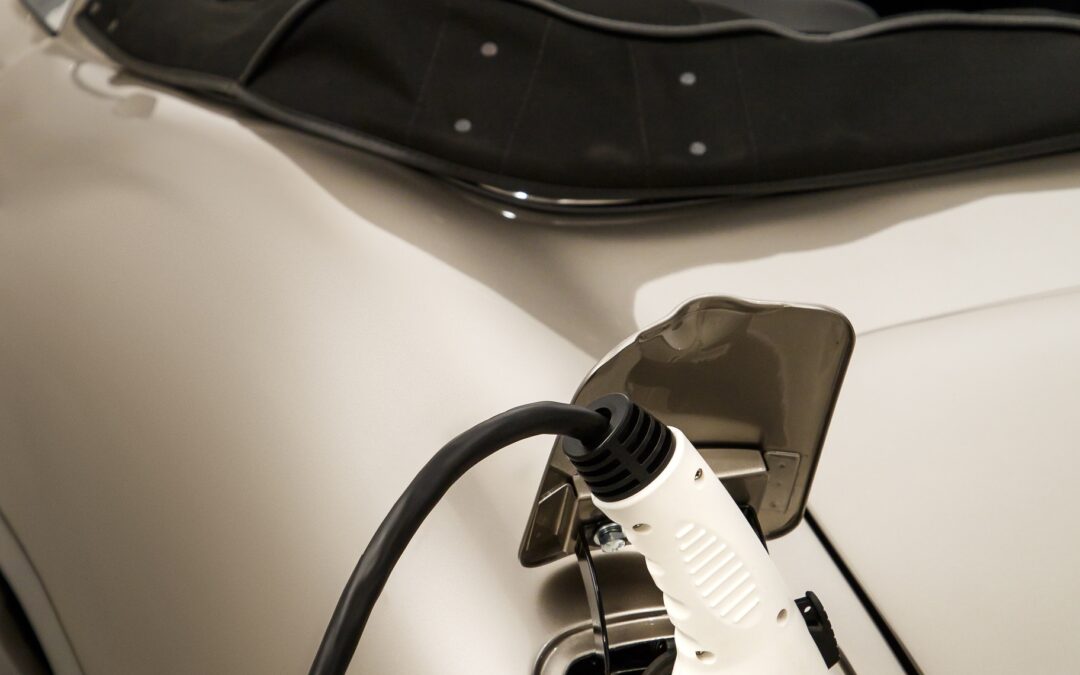
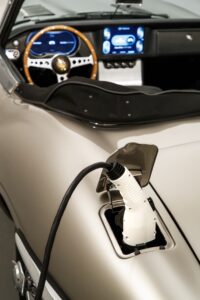
The 295-hp electric motor is mated with a 40kWh lithium battery, which can be recharged in six to seven hours, depending on power source. The driving range is 170-200. (Jaguar Classic photo)

The classics market has changed, Hannig said, in an interview at the recent Quail Motorsports Classic in Monterey, Calif.

“What was once a segment dominated by older white males has evolved to multi-generations, multi-ethnicities and enthusiasts with near-luxury budgets not just the wealthy,” he said. “The majority who get into it [the classics market] now want to use their car as a convenience, a daily driver. The E-Type was not made for that. But now, we can make something that is a completely different animal.”

And that animal can now be purchased in a variety of stages and prices.

  • Jaguar Classic can find a good and solid, numbers-matching 1968 E-Type and restore it to as-new factory specs with the modern electric powertrain.
  • An owner can have the electric powertrain installed in his or her car and the original powertrain crated up to be saved.
  • Or, if you own a wreck, it can be built into a full electric.

It is not an inexpensive undertaking, but neither is restoring an E-Type. The electric powertrain alone is $75,000 and the completely electrified and restored Jaguar Classics E-Type will range from $300,000-$400,000.

The battery can be recharged in six to seven hours, depending on power source. (Jaguar Classic photo)

The conversion is a labor-intensive process, Hannig said. Considering that a quality restoration of an E-Type can cost $250,000 (above the cost of the car) there is some value in buying a restored Jaguar Classic.

“It’s all on us when we source a car because any problems are ours to fix,” he said.

Buying the factory-restored car, with matching numbers for engine and transmission, is expensive, Hannig said, “But you know exactly what you are getting.” And collectors know that every phone call from the restoration shop is $10,000, Hannig said, “and there will be five to eight of those. But we’ve turned around the bad moment.”

Project “Marmite”

Jaguar knows the E-Type is a precious collectible and treats it as such for all its restorations including the electric conversion. But not everyone in the company was on board with the electric idea.

It was so disputed, Hannig said, that the project was codenamed “Marmite,” for the British version of the yeasty sandwich spread (repurposed from brewing beer) that is loved or hated.

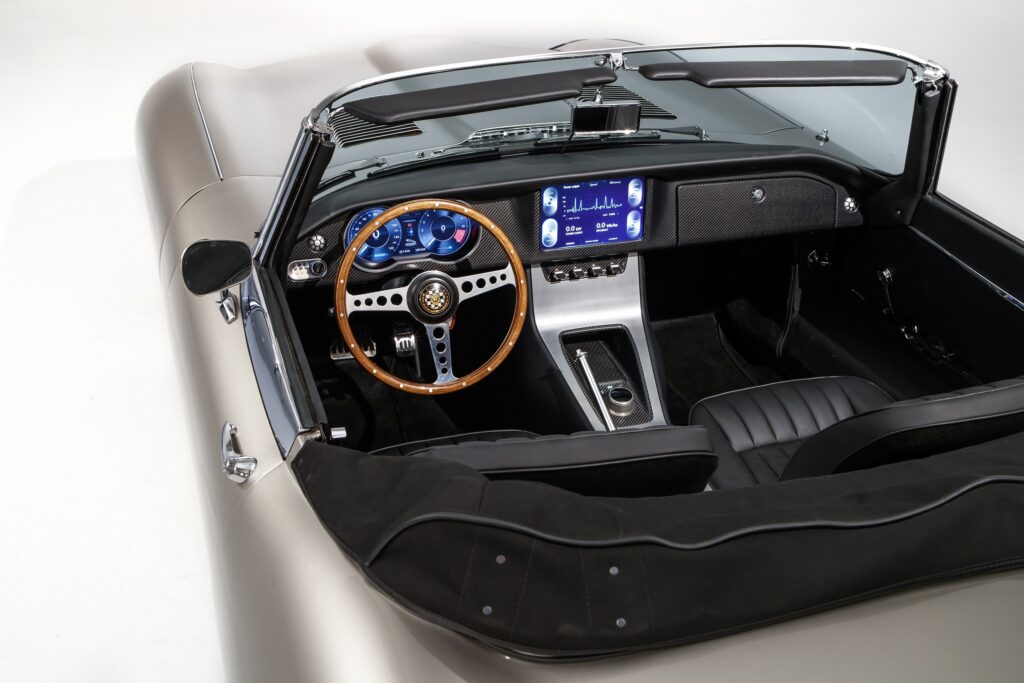
The seats, key-start ignition, steering wheel and hand-brake lever retain the classic’s design. The center console and dashboard (with modern toggle switches) are new. (Jaguar Classic photo)

“But after driving it, it feels exactly as an E-Type,” he said. “You feel every movement of the car and you don’t have engine noise. It’s a bit surreal.”

Hannig started with a convertible because it is a fair-weather car and ideal for EV-driving conditions (no freezing temperatures), but coupes also will be offered.

The project goals were many:

  • Above all, to cut no metal or alter the bodywork so the electric powertrain could be returned to a combustion engine.
  • The finished car had to have the same performance and driving characteristics.
  • And it could not be heavier and have the same weight distribution. The electric’s weight distribution is an ideal 51/49 front to rear, Hannig said.

“The XK engine is bloody heavy,” said Hannig, referencing the old 4.2-liter inline six-cylinder. “Removing it took out 360kg [about 794 pounds],” he said.

The original car’s curb weight was around 2,756 pounds and the electrified E-Type weighs about 100 pounds less, depending on how the owner equips the car. Performance, however, is throttled back to match the combustion model.

The transformation

The electrification process begins by removing the engine and transmission followed by complete body work and paint and then the installation of the electric powertrain. The interior is the last bit to be spruced up, Hannig said.

The cabin retains much of the classic style, including the seats, key-start ignition, steering wheel and hand-brake lever. The center console and dashboard (with modern toggle switches) are bespoke to the car, Hannig said, but the original style gauge pods can be used.

There are no cup holders, but there is no power steering, either, “so you won’t have a free hand to drink coffee,” Hannig said. And there is no air conditioning, either, but there is an option for it, he said.

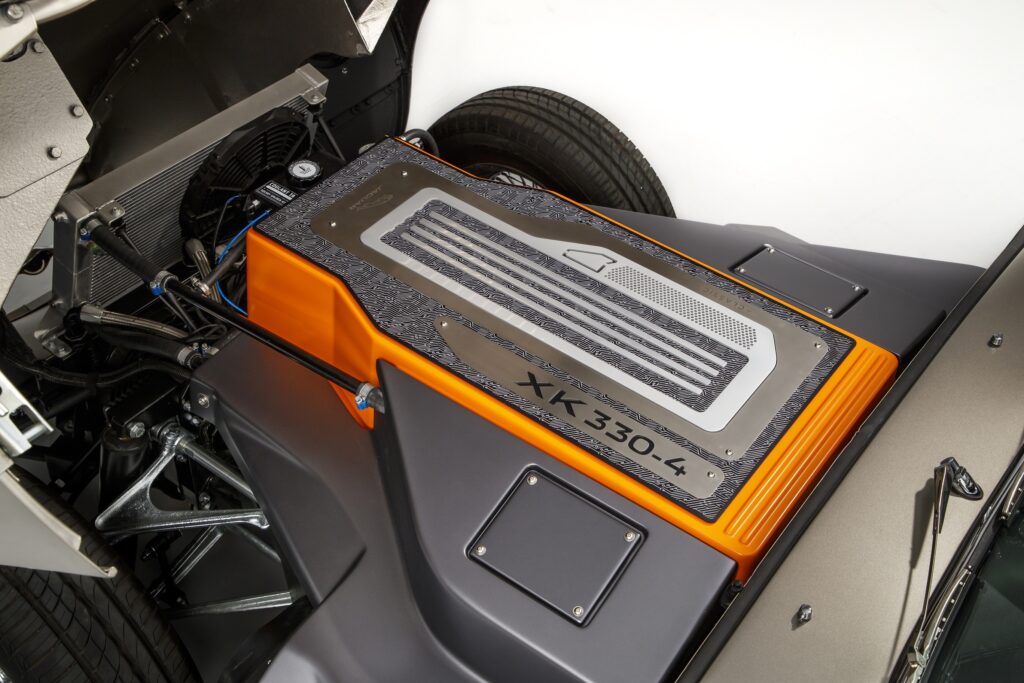
The electric powertrain is a bespoke Jaguar system with an amalgam of parts from the new Jaguar iPace EV and other plug-in elements from Jaguar Land Rover.

The electric powertrain is a bespoke Jaguar system with parts from the new Jaguar iPace EV and other plug-in elements from Jaguar Land Rover. (David Shepherd photo)

The 295 horsepower electric motor is mated with a 40kWh lithium battery, which can be recharged in six to seven hours, depending on power source. The driving range is 170-200 miles on a charge. The top speed has been limited to 110 mph, in line with the original, Hannig said.

The battery pack has the same dimensions, and similar weight to the combustion engine and is in the same location.  The motor is sandwiched between the battery pack and the single-speed reduction gear transmission. A new propshaft sends power to a carry-over differential and final drive.

Jaguar is proceeding full speed with its Reborn Program (for Land Rovers, too) with a just-opened center in Essen, Germany, and a U.S. center in Savannah, Ga., is expected to open by summer 2019.

Electrifying the classic E-Type is a way to future-proof enjoyment of car ownership, Hannig said, to make it fit for another 50 years.

Info: www.jaguarlandroverclassic.com/workslegends

Pebble Beach Concours d’Elegance 2018 — Faces On the Green

Pebble Beach Concours d’Elegance 2018 — Faces On the Green
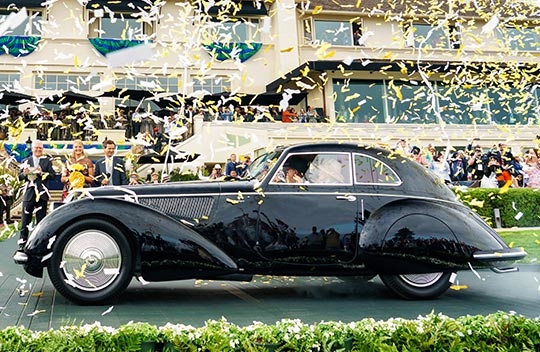
The 2018 Best of Show trophy went to this 1937 Alfa Romeo 8C 2900B Touring Berlinetta

The 2018 Pebble Beach Concours d’Elegance Best of Show trophy went to this 1937 Alfa Romeo 8C 2900B Touring Berlinetta, owned by David and Ginny Sydorick.

BY MARK MAYNARD

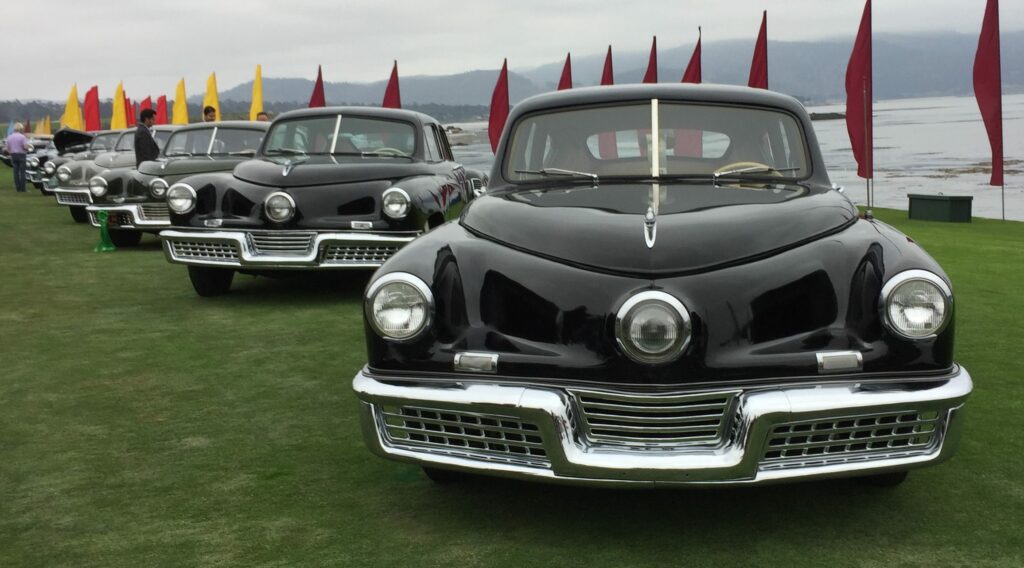
The Pebble Beach Concours d’Elegance is a long walk through automotive history, all of which could be considered “cars of tomorrow.” But there were two retrospectives that embraced the term: a line of a dozen Tucker 48s and a brightly colored lineup of the Citroen DS.

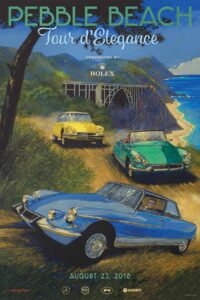
The official Pebble Beach poster featured a trio of Citroen’s DS 19 by British artist Barry Rowe.

According to one Tucker owner, this grouping was the largest gathering in one place since the debut of the movie in 1988, “Tucker: The Man and his Dream.” Among the cars was a bare test chassis and the 1947 prototype model, known as the “Tin Goose.”

Citroen Retrospective

The official Pebble Beach poster featured a trio of Citroen’s DS 19 by esteemed Brit artist (and car enthusiast) Barry Rowe. The DS nameplate is from the French word for goddess, Dé-esse.

Citroen introduced the DS in the fall of 1955 and production ran through spring of 1975. It, too, was a technology innovator and featured a number of firsts. Among them are inboard disc brakes and a hydropneumatic suspension with automatic leveling and adjustable ride height.

It was marketed as an “executive’s car” and it looked the part with its aerodynamic styling, power steering, semi-automatic transmission, and fiberglass roof.

Next year’s concours will be Aug. 18. Plan your visit here.

Here is a look at the friendly faces I saw on my walk through history:

A 12-car lineup of Tucker 48s was the largest gathering in one place since the debut of the 1988 film, “Tucker: The Man and his Dream.”

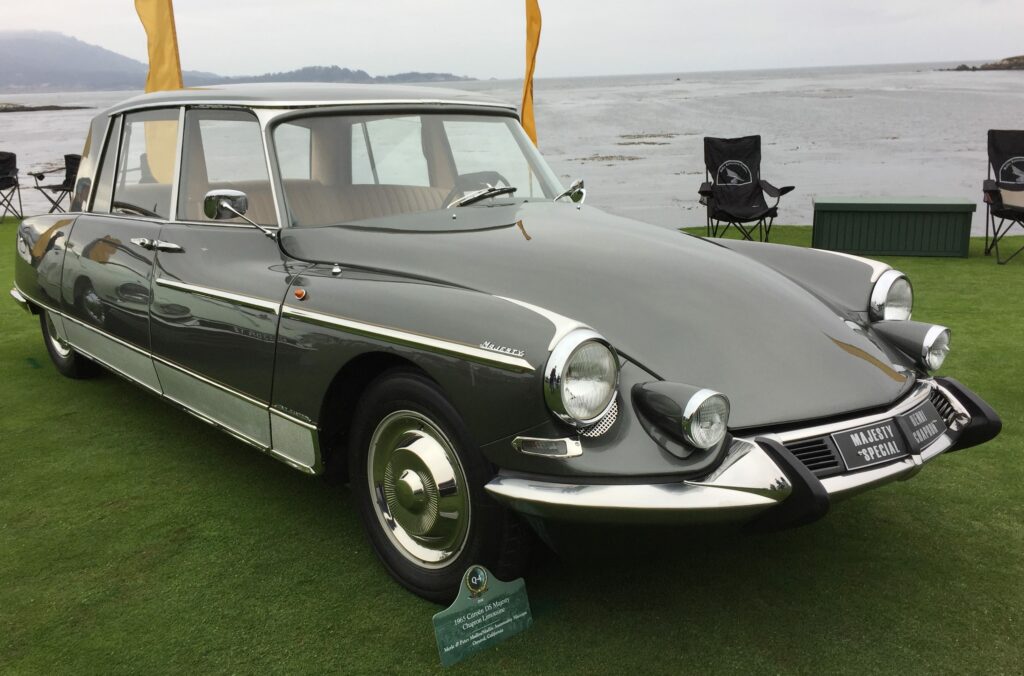
1965 Citroen DS Majesty, Chapron Limousine.

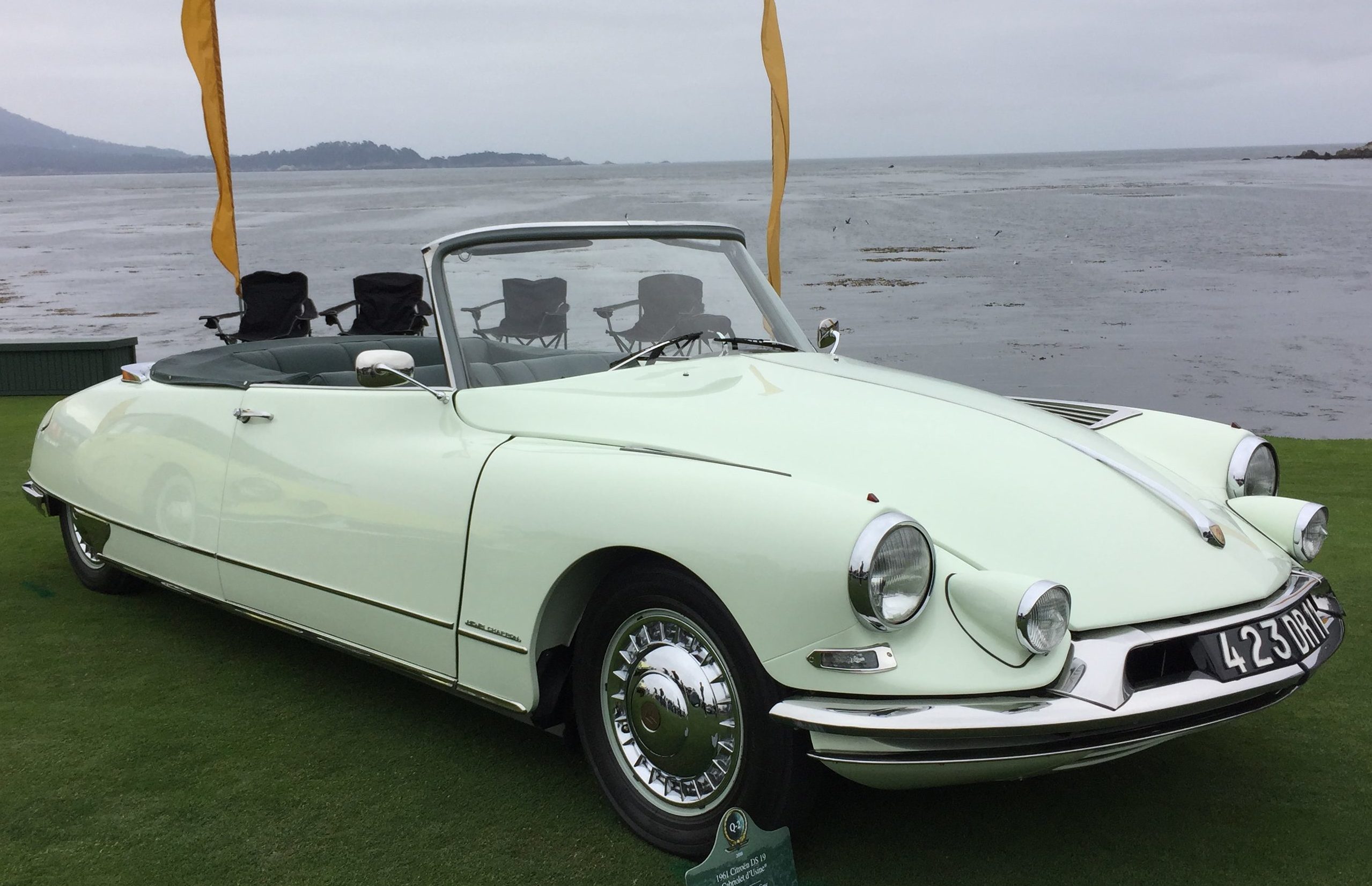
1961 Citroen DS 19, Cabriolet d’Usine. It was awarded the Center for Automotive Research at Stanford.

1961 Citroen DS 19, Cabriolet d’Usine. It was awarded the Center for Automotive Research at Stanford.

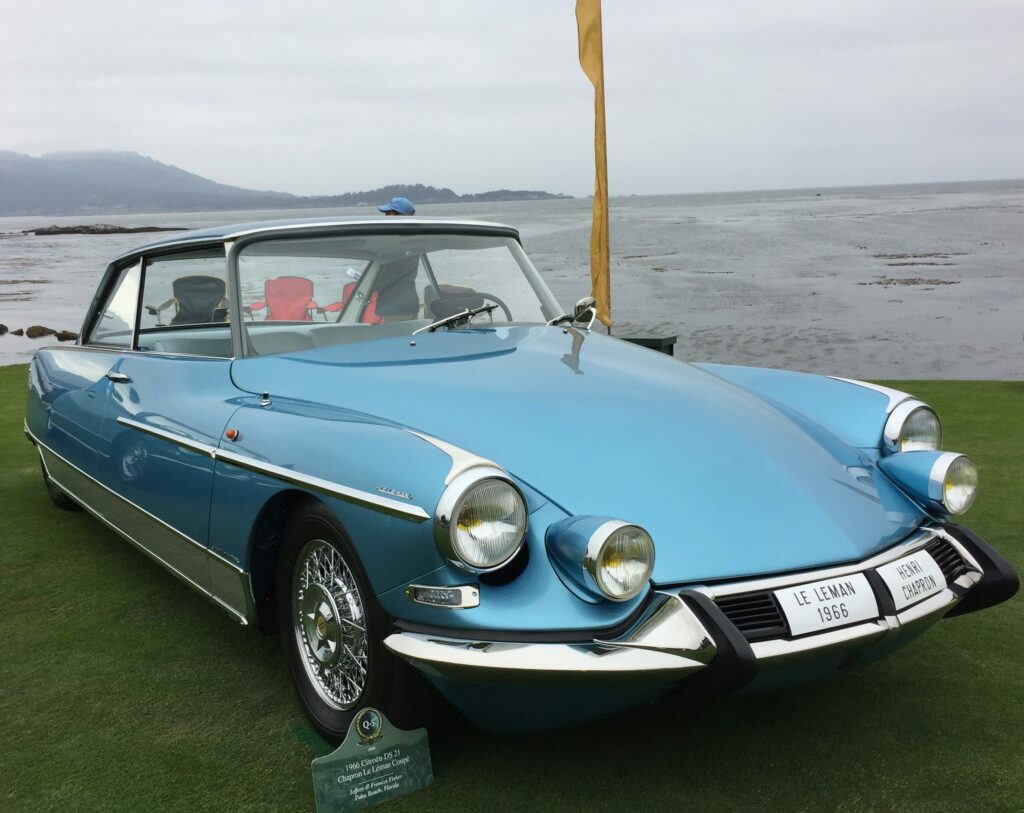
1966 Citroen DS 21, Chapron Le Leman coupe. 1st place Postwar Custom Citroën.

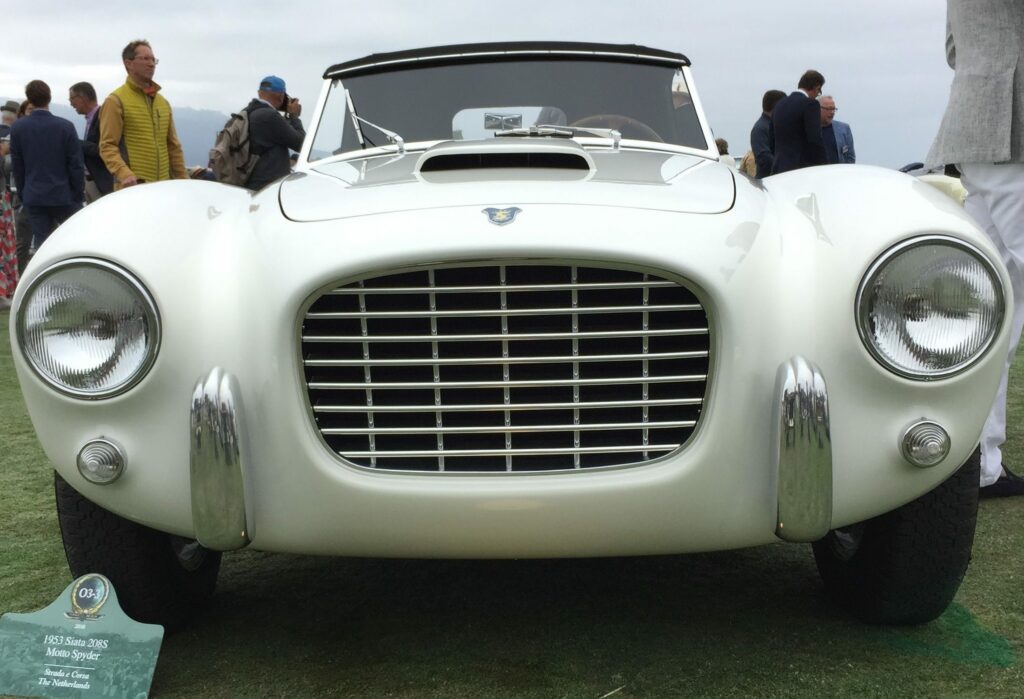
1953 Siata 208S Motto spyder.

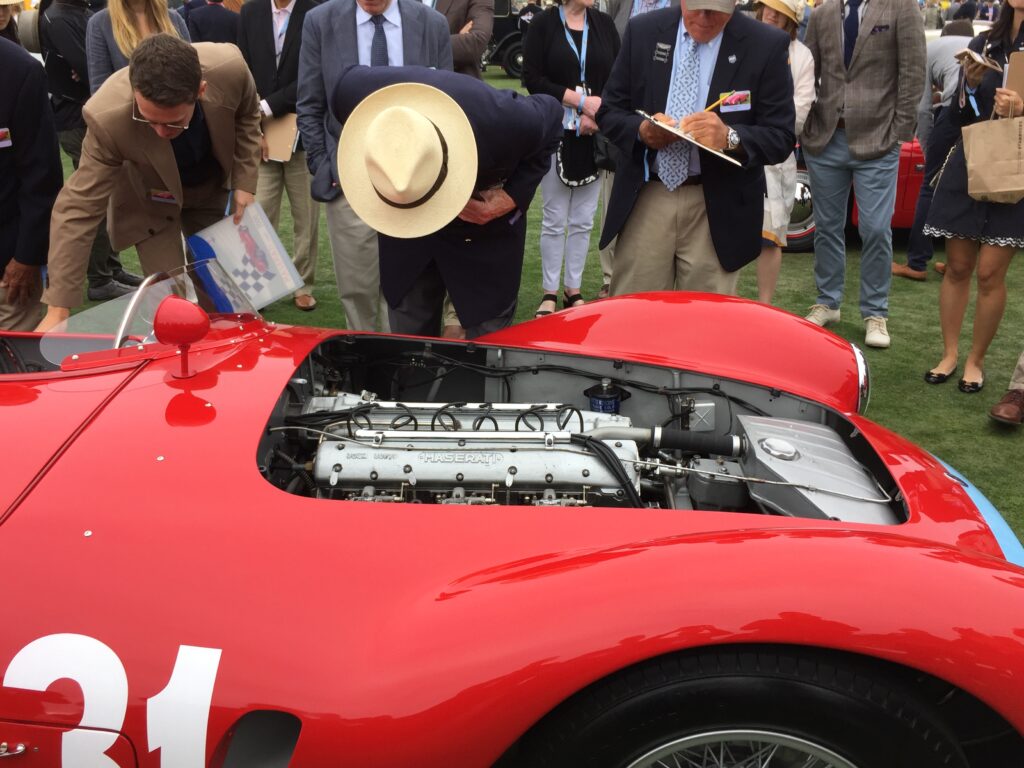
1955 Maserati A6GCS Frua spyder. Awarded the Briggs Cunningham Trophy.

Shopping!

An affordable (somewhat) classic to bring home.

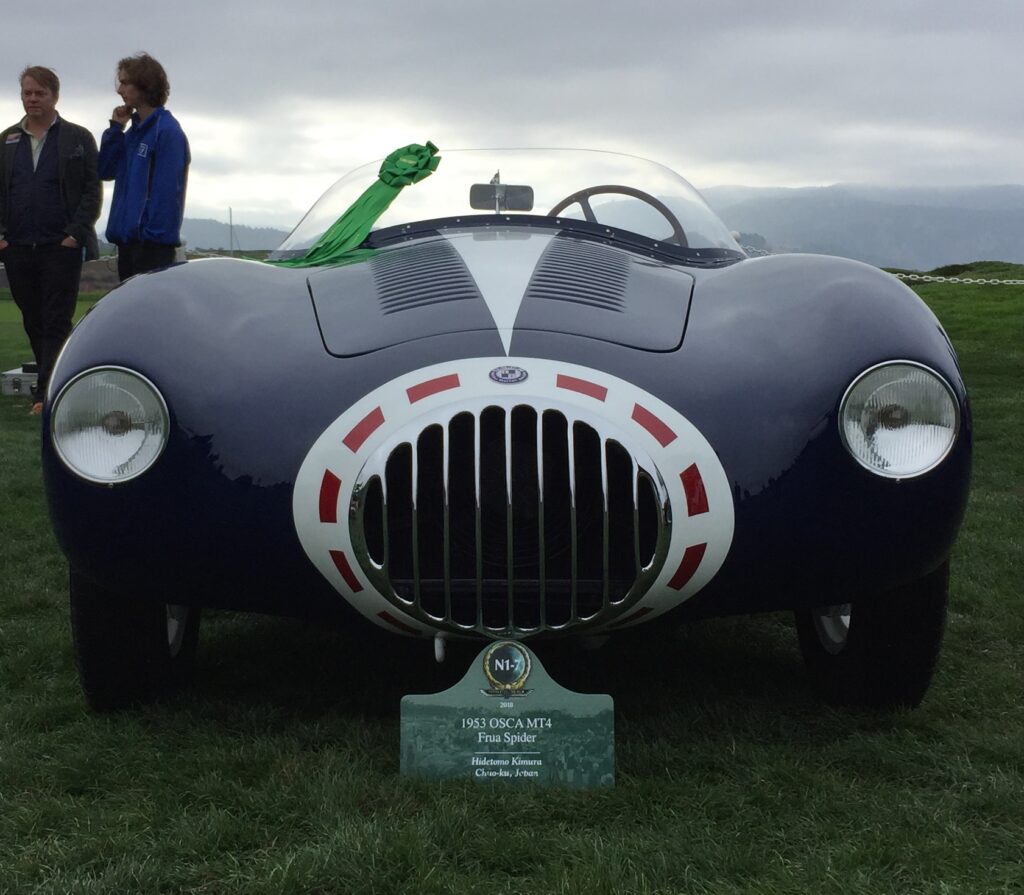
1953 Osca MT4 Frua spider.

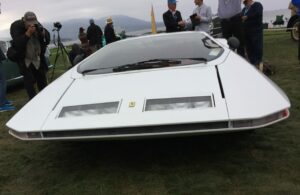
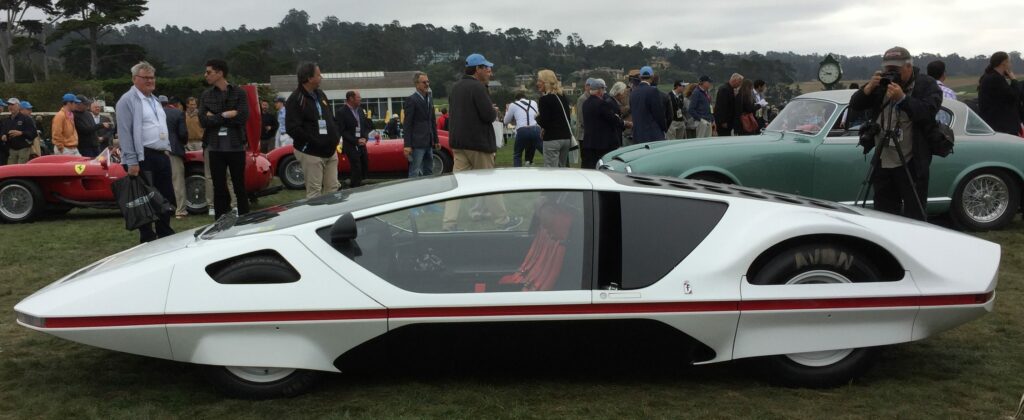
1970 Ferrari 512S Modulo Pininfarina coupe. Winner for Most Elegant Sports Car.

1970 Ferrari 512S Modulo Pininfarina coupe.

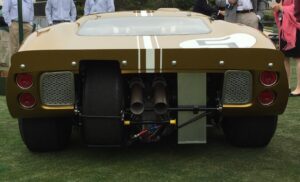
Ford GT40.

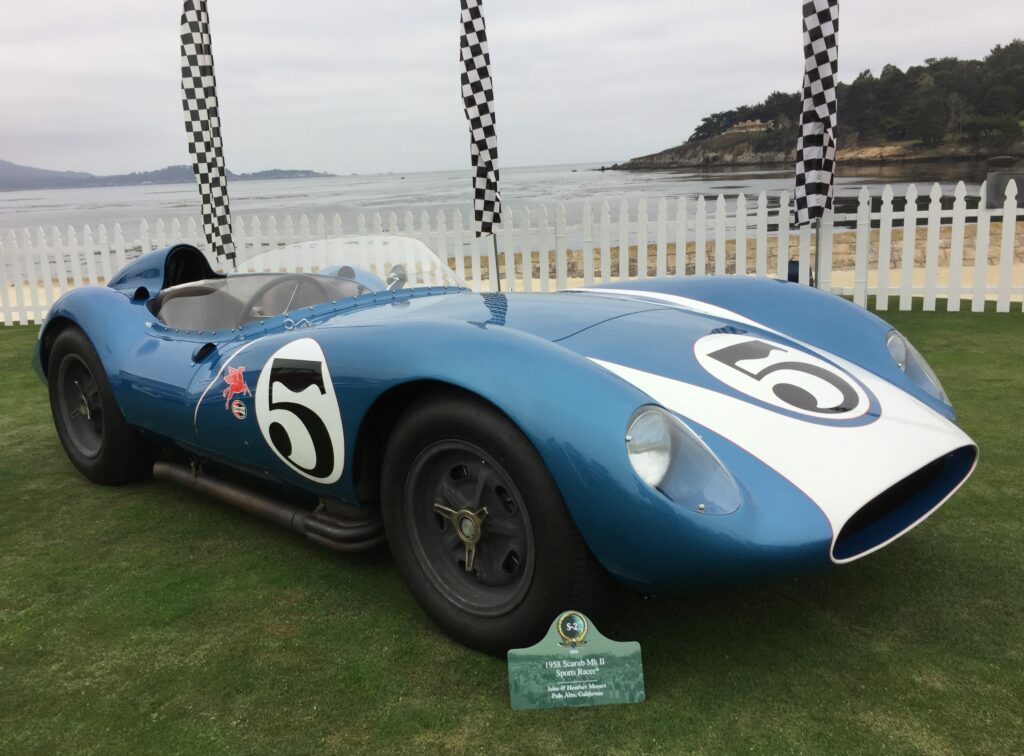
1958 Scarab Mk II.

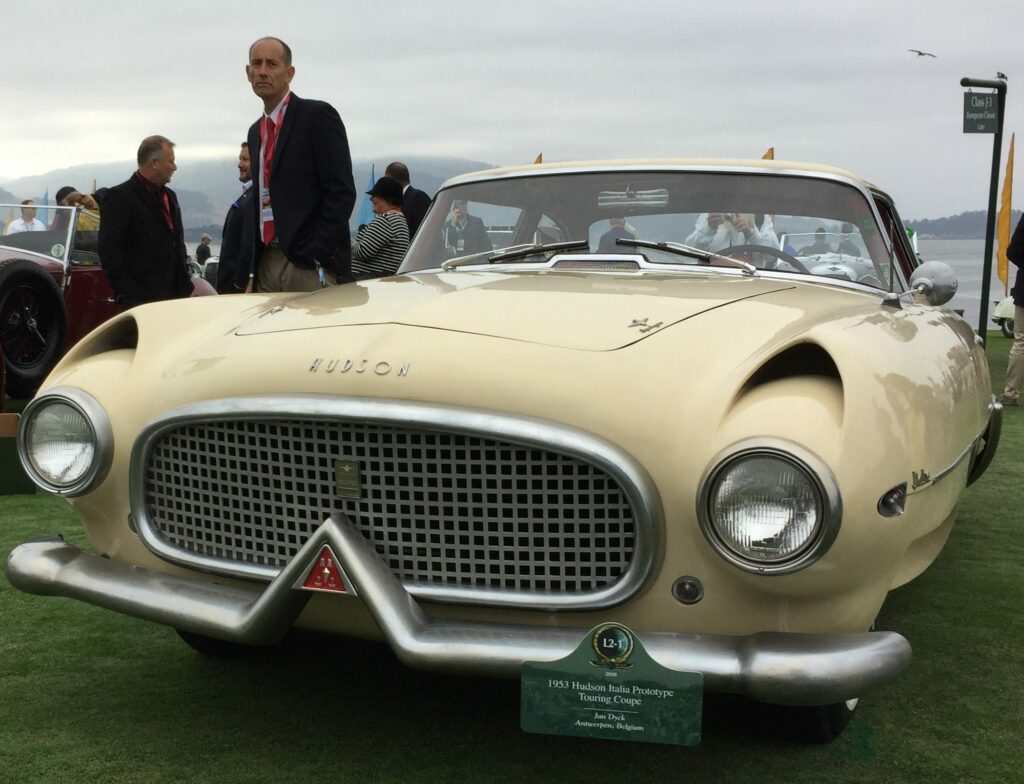
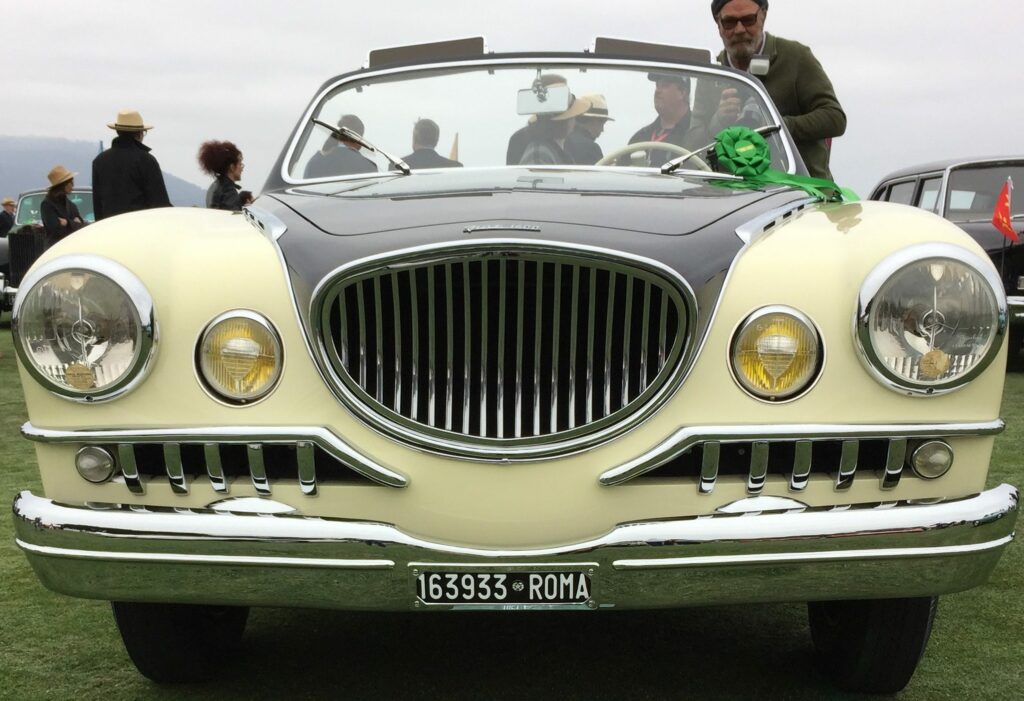
1953 Hudson Italia Prototype touring coupe.

1949 Delahaye 135M Pourtout Malmaison convertible.

1st place Postwar Grand Touring.

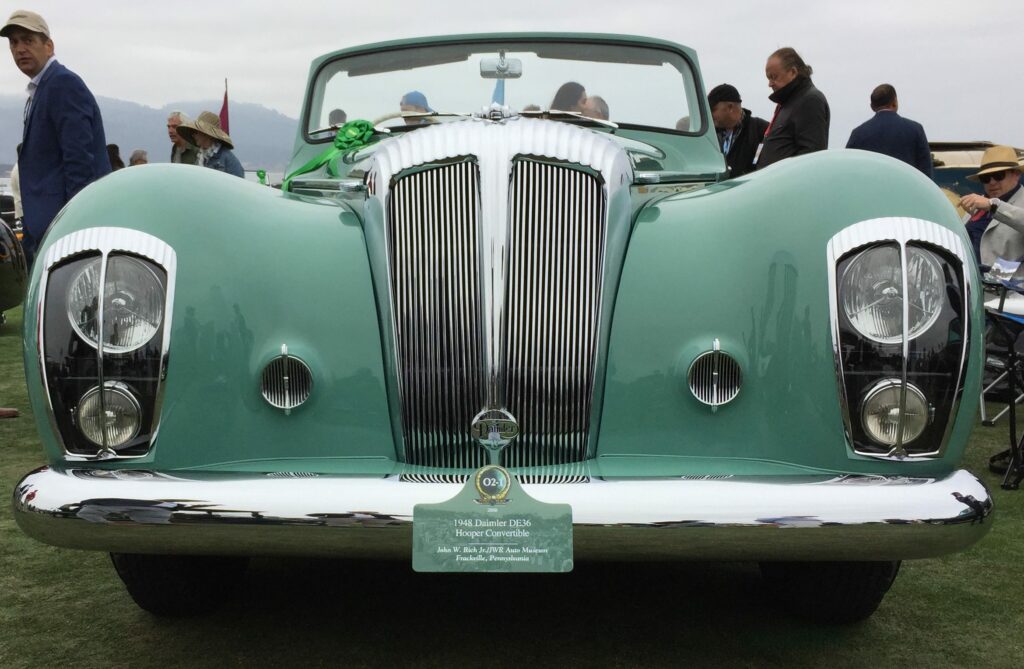
1948 Daimler DE36 Hooper convertible.

1951 Fiat 1400 Vignale cabriolet.

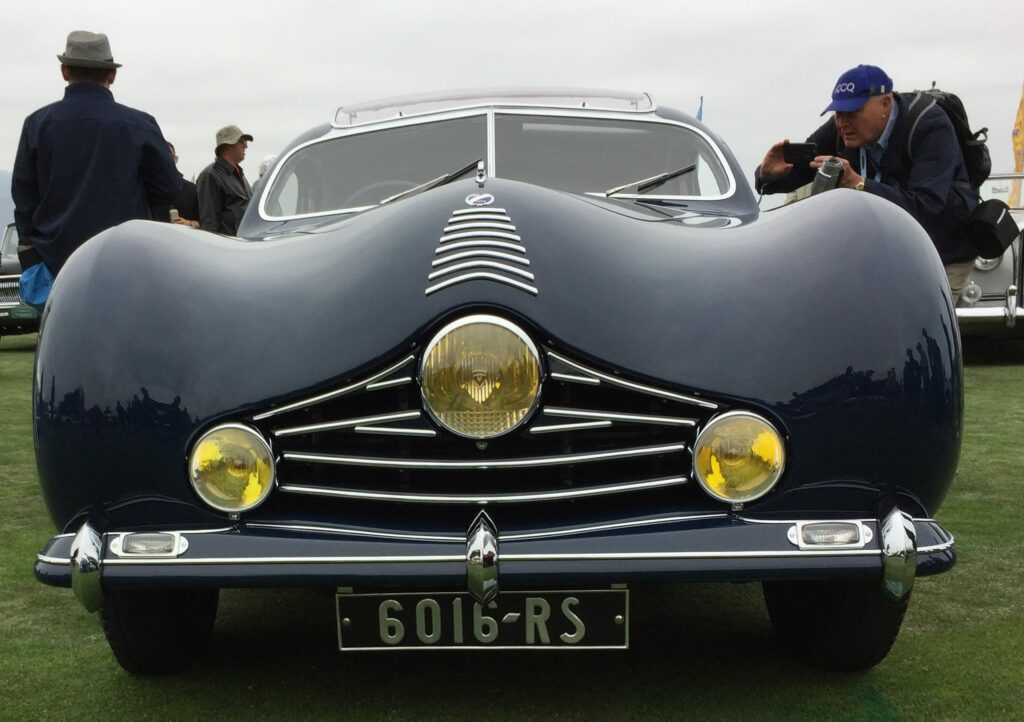
1948 Talbot Lago 26 Figoni fastback coupe.

Best of Show nominee and winner of The Vitesse ~ Elegance Trophy.

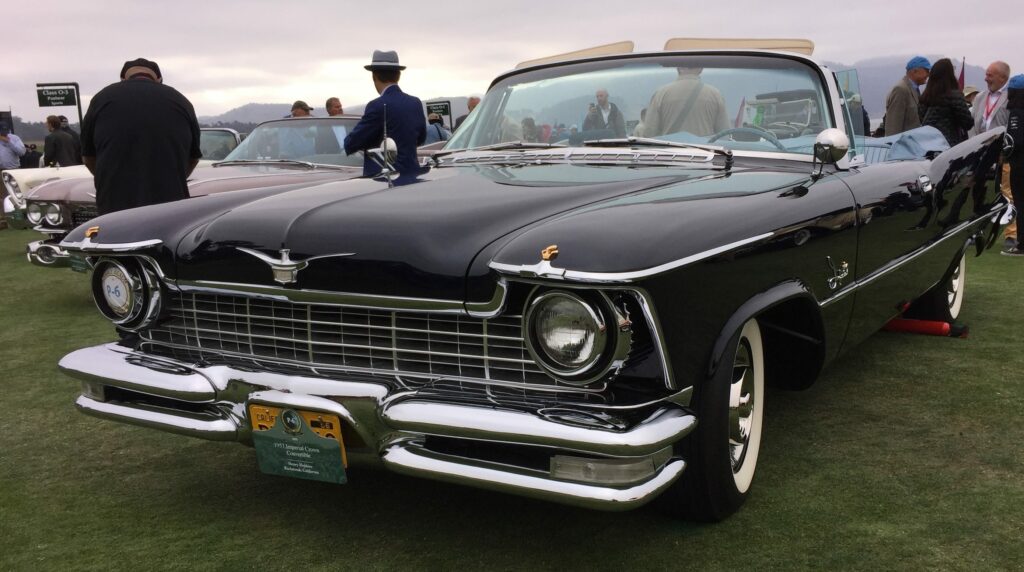
1957 Imperial Crown convertible.

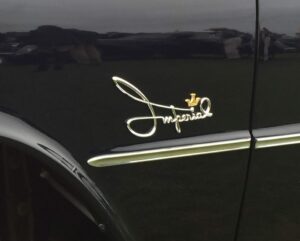
Glorious script of the 1957 nameplate.

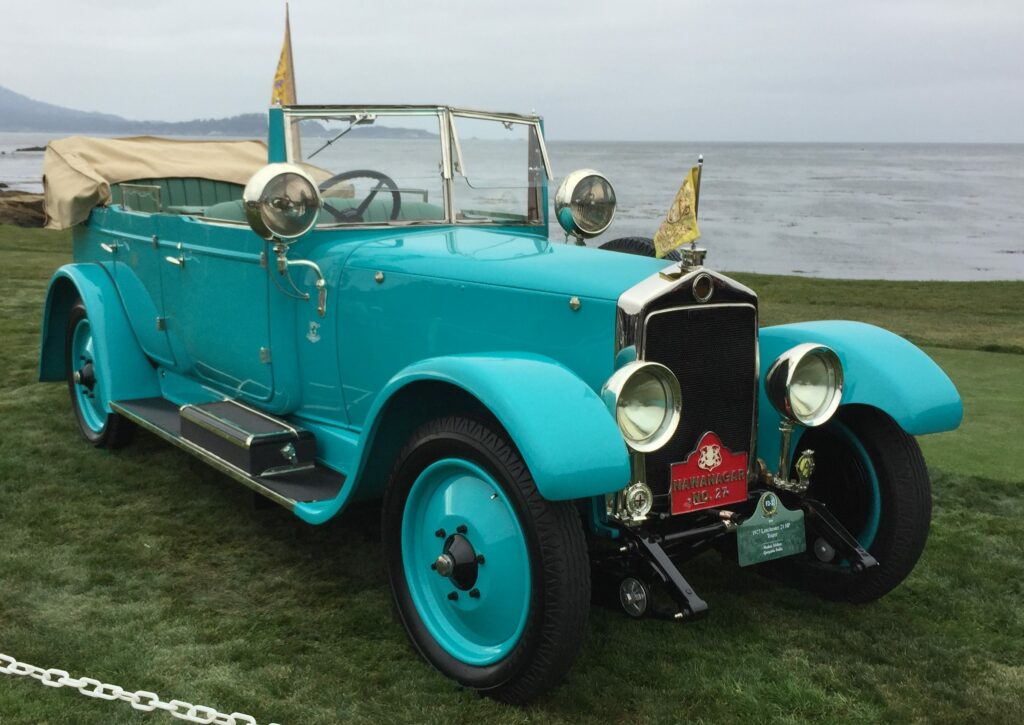
1927 Lanchester 21HP convertible tourer, from India.

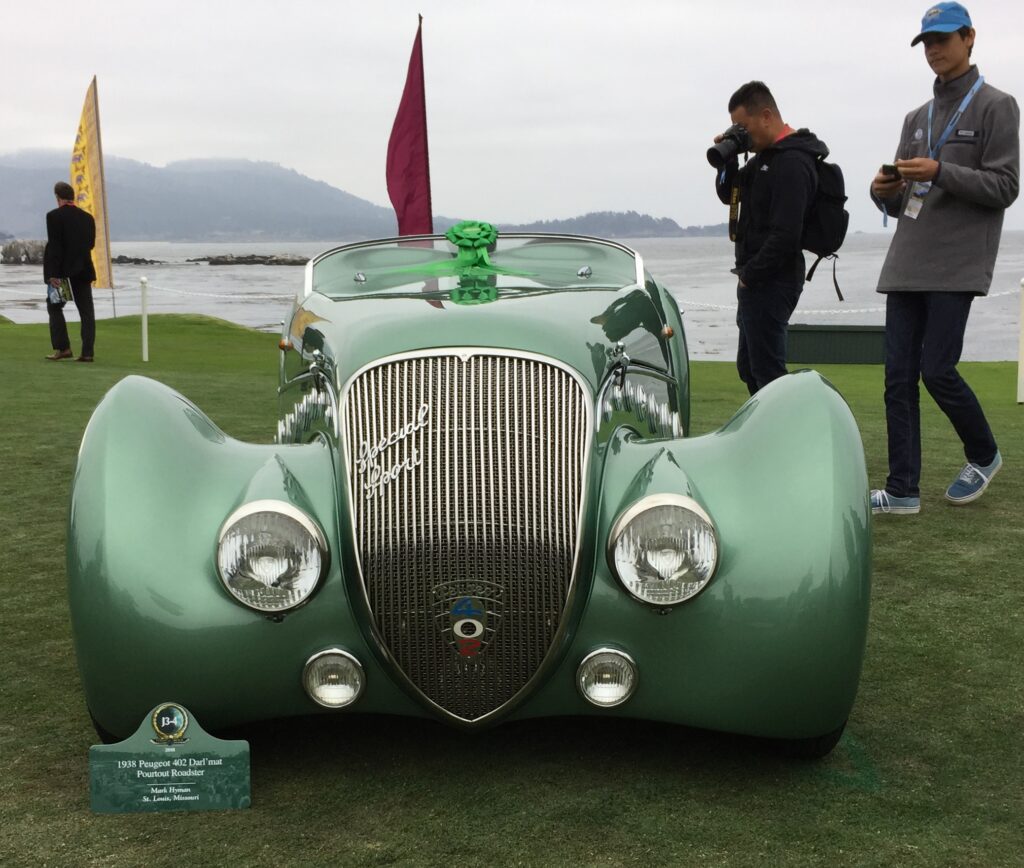
1938 Peugeot 402 Darl’mat Pourtout roadster.

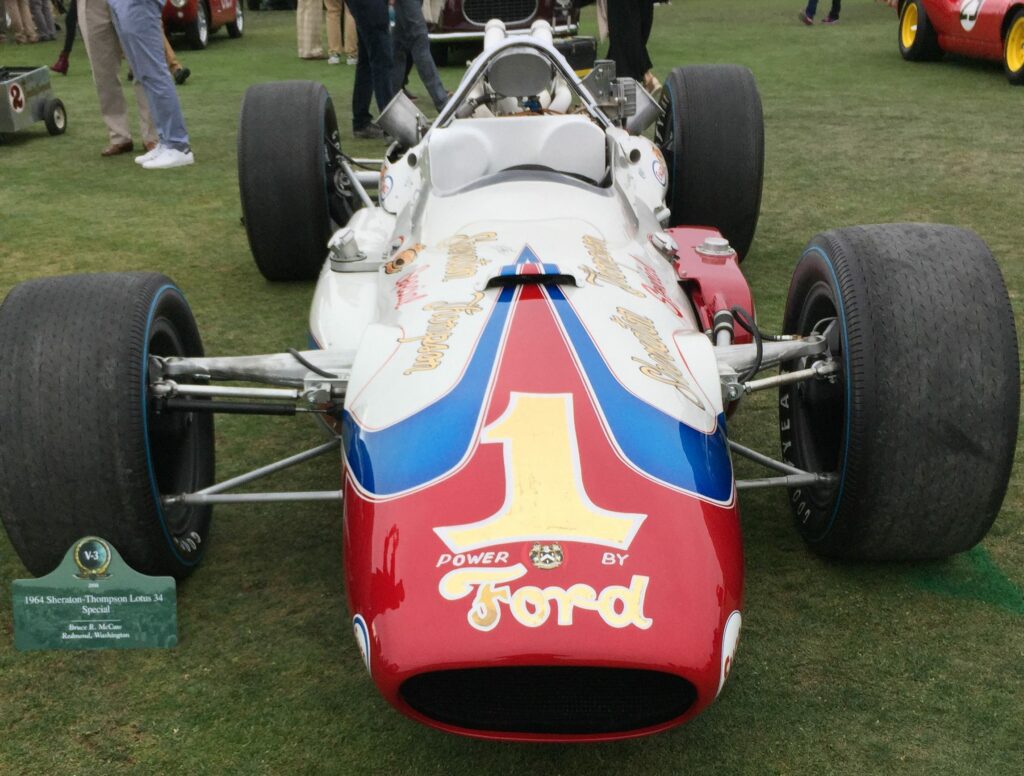
1964 Sheraton-Thompson Lotus 34 special.

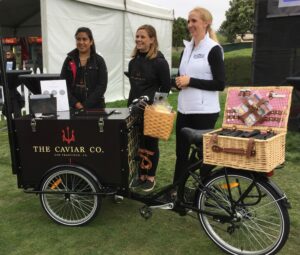
And, of course, there is caviar.

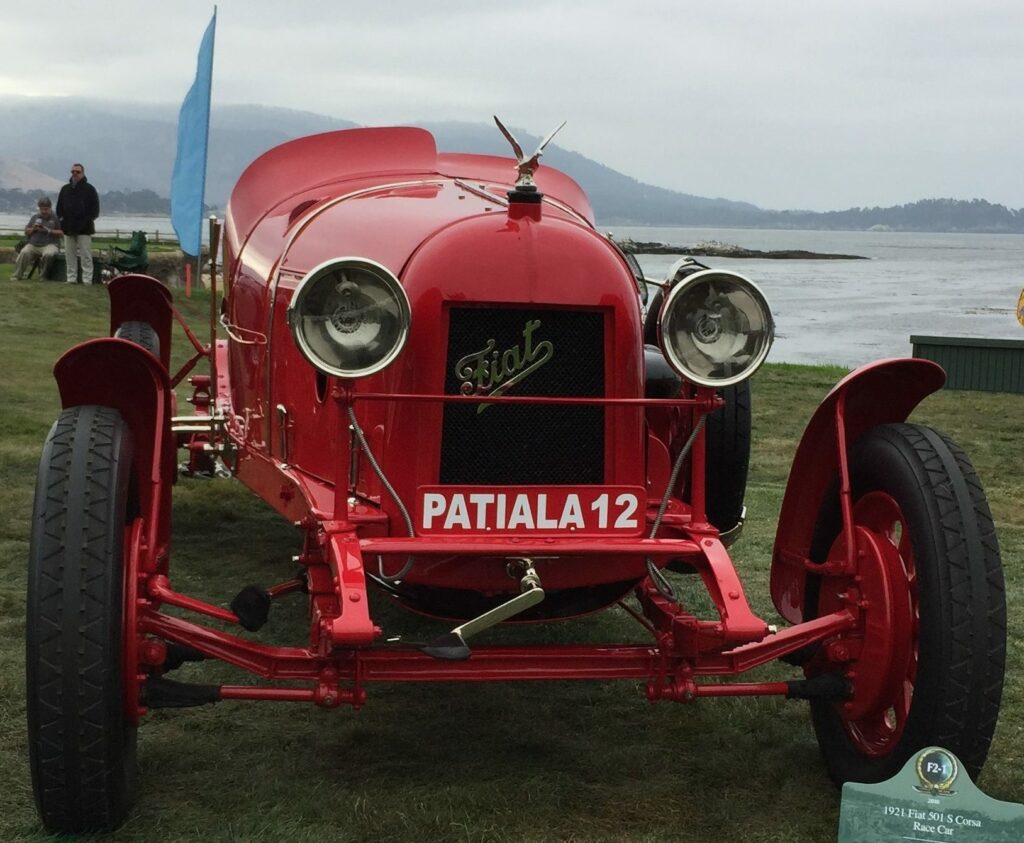
1921 Fiat 502 S Corsa.

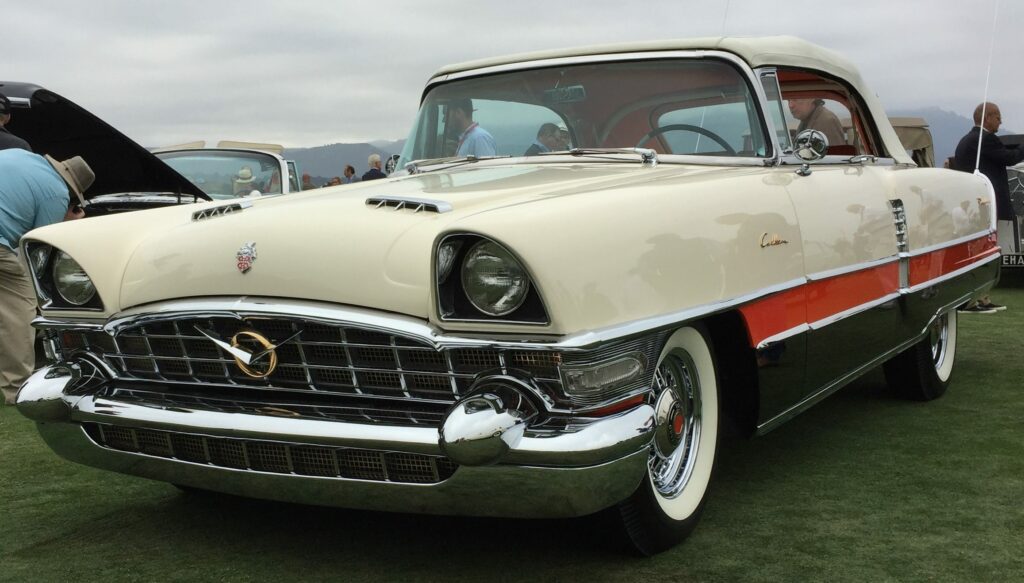
1956 Packard Caribbean convertible.

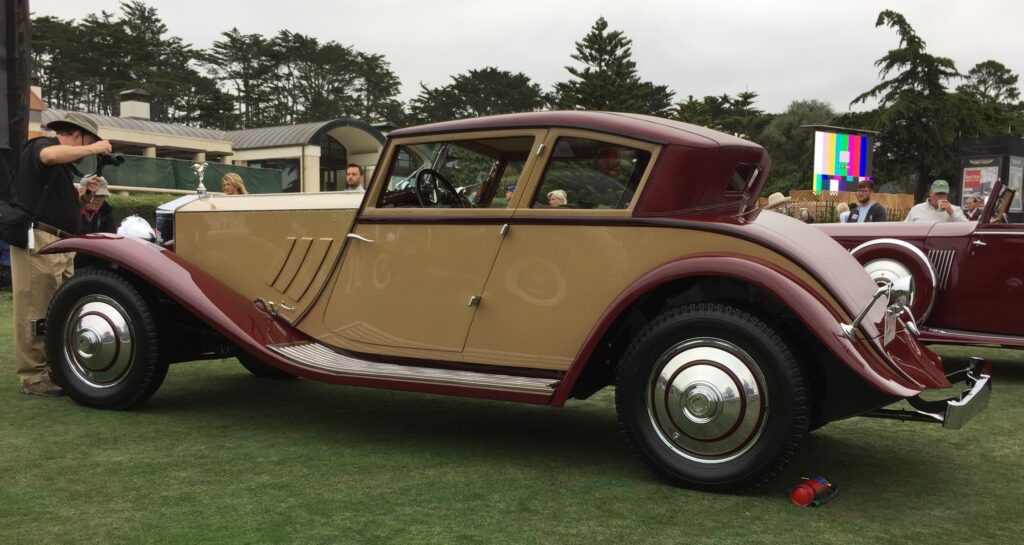
Rakish side lines of the And rakish lines of 1930 Rolls-Royce Phantom 1, Brewster Windblown.

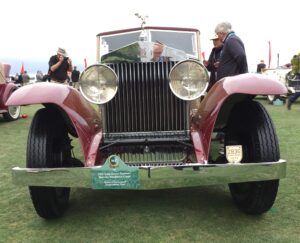
1930 Rolls-Royce Phantom 1, Brewster Windblown coupe.

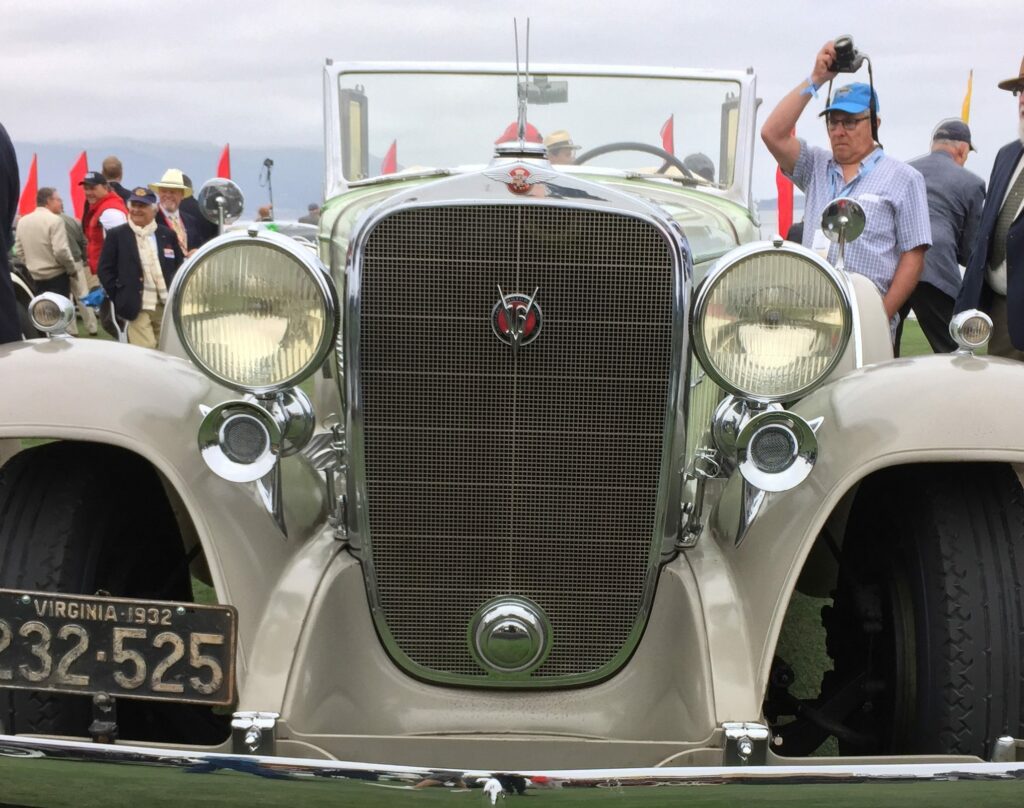
1932 Cadillac 452 B (V-16) Fisher all-weather phaeton.

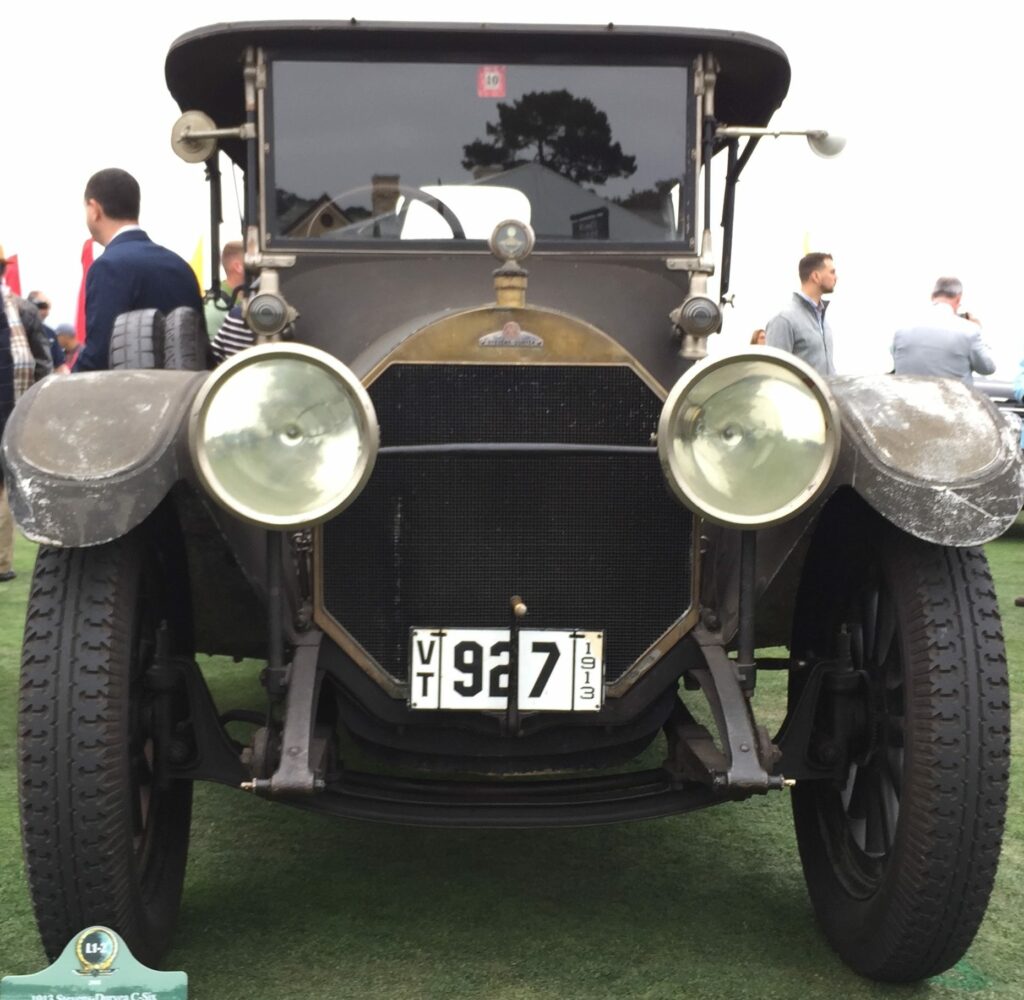
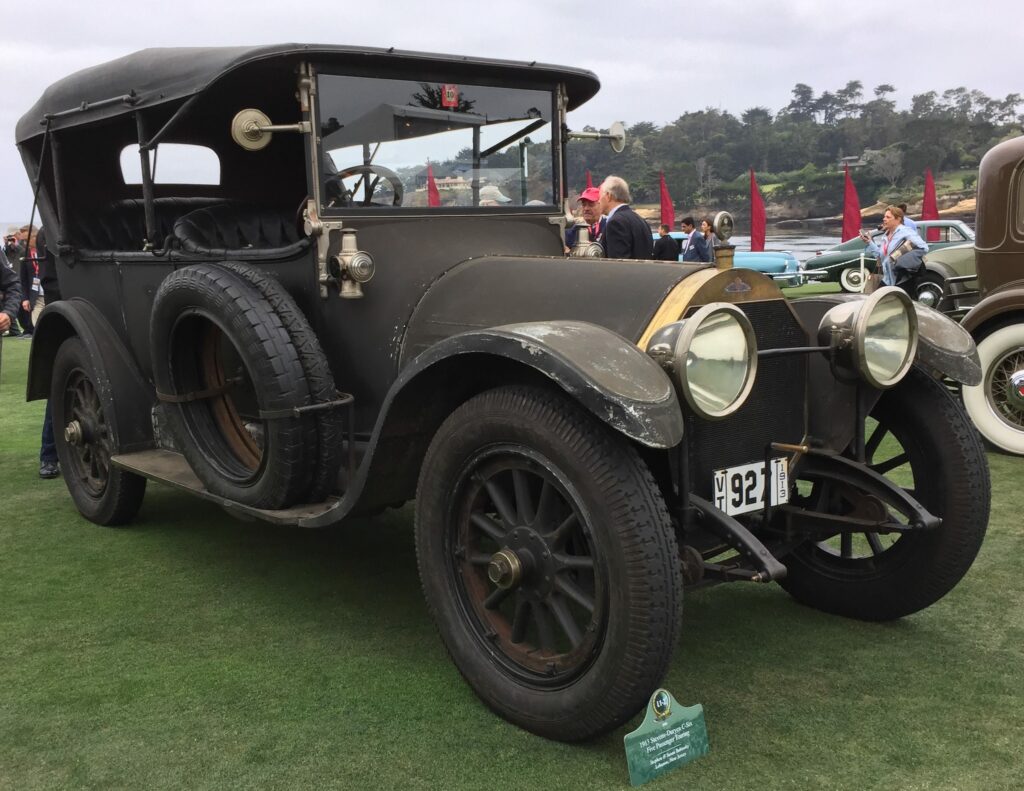
1913 Stevens Duryea C-Six 5-seat touring.

1913 Stevens Duryea C-Six 5-seat touring, survivor.

1937 Lincoln K Brunn touring cabriolet.

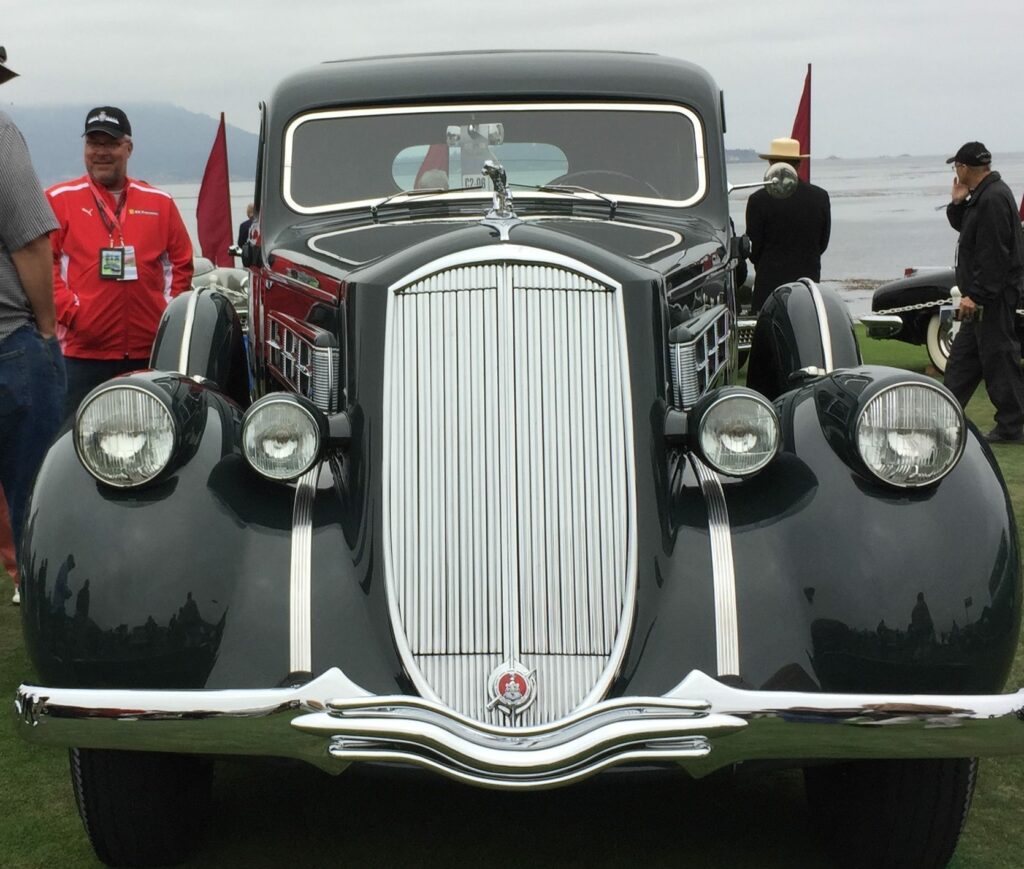
1937 Pierce-Arrow 1703 limousine.

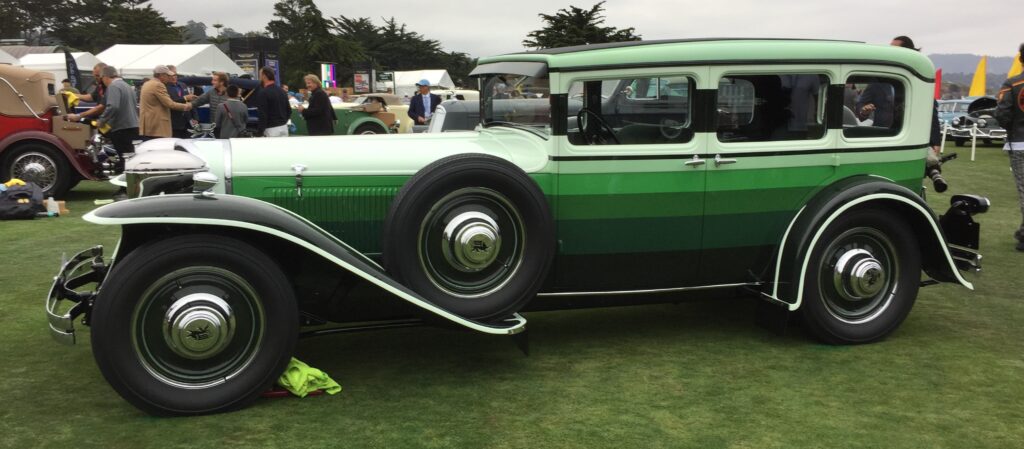
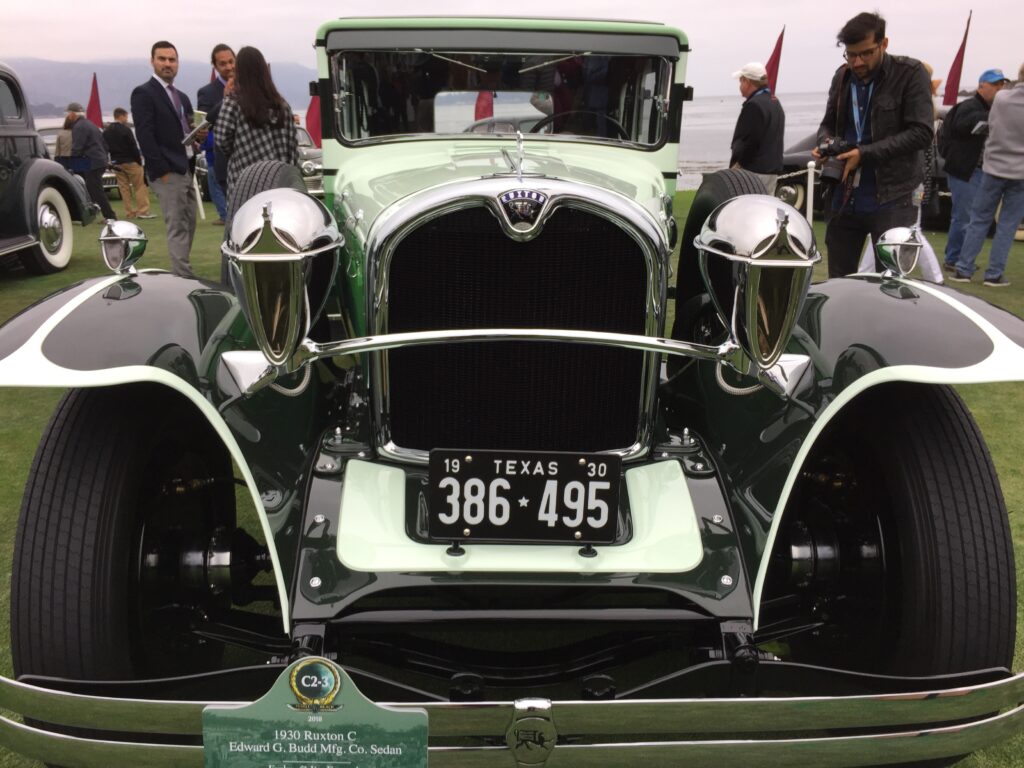
The Ruxton C, part 2.

1930 Ruxton C.

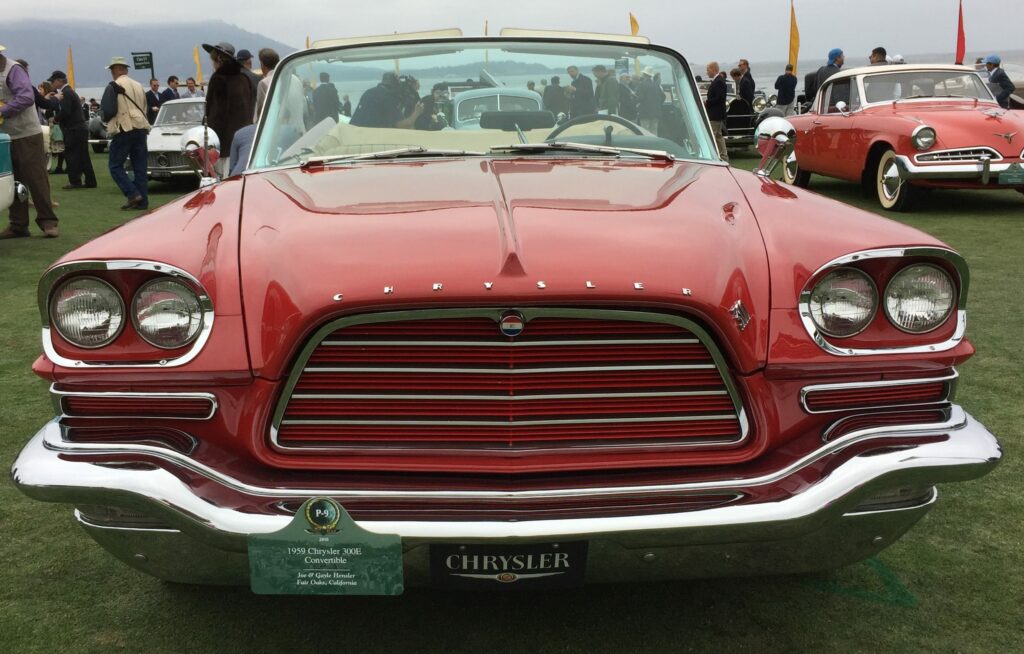
1959 Chrysler 300E convertible.

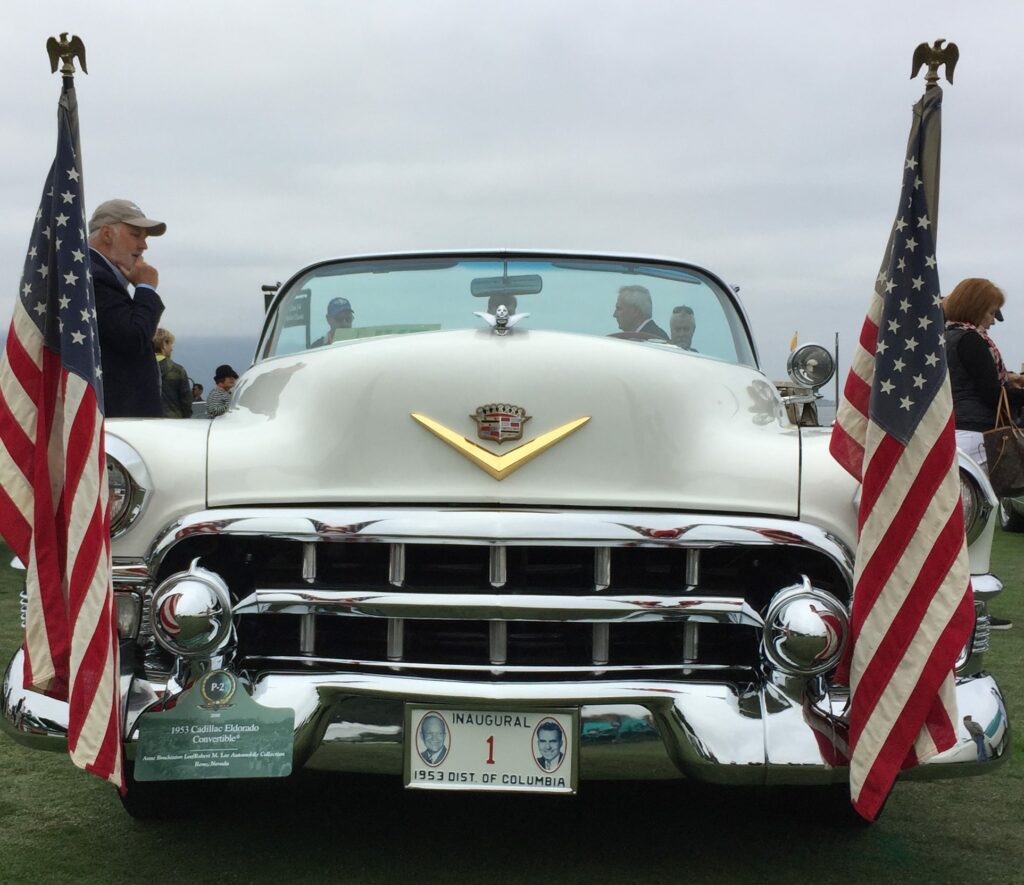
1953 Presidential Cadillac Eldorado.

Hyundai Veloster Turbo R-Spec Review

Hyundai Veloster Turbo R-Spec Review

The redesigned 2019 Hyundai Veloster R-Spec is an eager rascal to grab a rascal by manual gear shift and shake it out on a run

The Hyundai Veloster is sold in five trim levels with starting prices that range from $19,385-$29,035. (Photos courtesy of Hyundai USA)

BY MARK MAYNARD

With so much attention on teacup crossovers and self-driving vehicles, I sometimes forget what fun it is to grab a rascal by the scruff and shake it out on a run.

The redesigned Hyundai Veloster R-Spec is that kind of car — and it is not expensive.

The 2019 Hyundai Veloster is the second generation of this compact-class, front-wheel-drive, four-seat hatchback “coupe.” It is unique in the segment for its lone rear passenger door on the right side; it is supposed to be an incentive over a traditional two-door.

And its cargo potential could be ideal for rapid delivery service. There is almost 20 cubic feet of wide and flat space behind the back seat, which more than doubles by folding the 50/50 seat. But back-seat passenger space is snug — barely 36 inches of headroom and 34.1 inches of legroom.
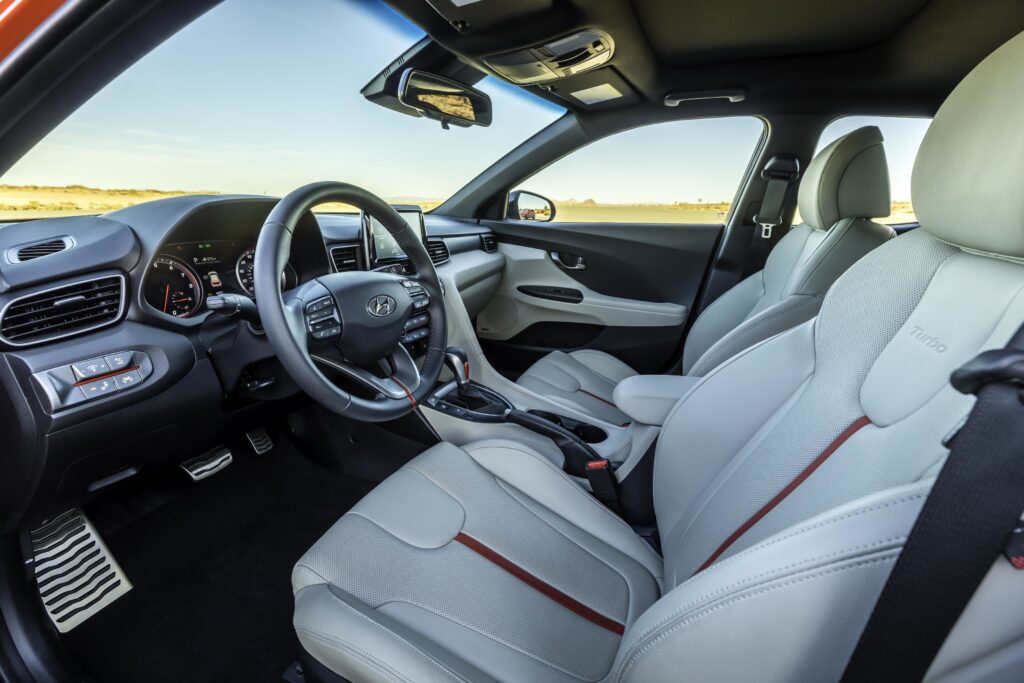
The cabin is well equipped and smartly designed with quality-appearing materials and construction.

Veloster competition, Hyundai says, is the Chevrolet Trax, Fiat 500, Honda Civic coupe, Mini Cooper, Toyota C-HR, and VW Beetle.

While the architecture of the car is new — from Elantra — the 104.3-inch wheelbase is the same, but most cabin measurements are a few tenths larger. The roofline was lowered, so the front headroom is an inch less now without the sunroof. Rear headroom, however, grew by half an inch. Front legroom was trimmed by 1.3 inches, but rear legroom grew by 2.4 inches.

Hyundai Veloster Pricing

There are four trim levels of Veloster, to date, with a choice of turbocharged and non-turbocharged four-cylinder engines. Starting prices range from $19,385 to $29,035 for the Turbo Ultimate with seven-speed dual-clutch automatic transmission.

The spory Hyundai Veloster N

2019 Veloster N: 275 hp, 6-speed manual.

A higher performance 2019 Veloster N will go on sale in November with a 275-hp, turbocharged 2.0-liter four-cylinder and six-speed manual with rev-matching downshifts. Pricing starts at $33,545.

Check current Hyundai Veloster pricing here.

Veloster Powertrains

Base models have a 147-horsepower, 2.0-liter Atkinson-cycle four-cylinder engine with a six-speed manual or six-speed automatic transmissions.

The Turbo models are upgraded to a 201-hp, turbocharged and direct-injection 1.6-liter four-cylinder. It has 195 foot-pounds of torque from 1,500-4,500 rpm with an overboost trick on hard acceleration that pushes peak torque to 202 lb.-ft. This engine is matched with a six-speed manual — sometimes called the “millennials’ anti-theft device” or seven-speed dual-clutch automatic with steering wheel paddle shifters. The Turbo models also have an engine sound generator — but it sounds natural while some are just artificially obnoxious.

Automatic transmissions have Normal, Sport and Smart driving modes and the manual has Sport and Normal.
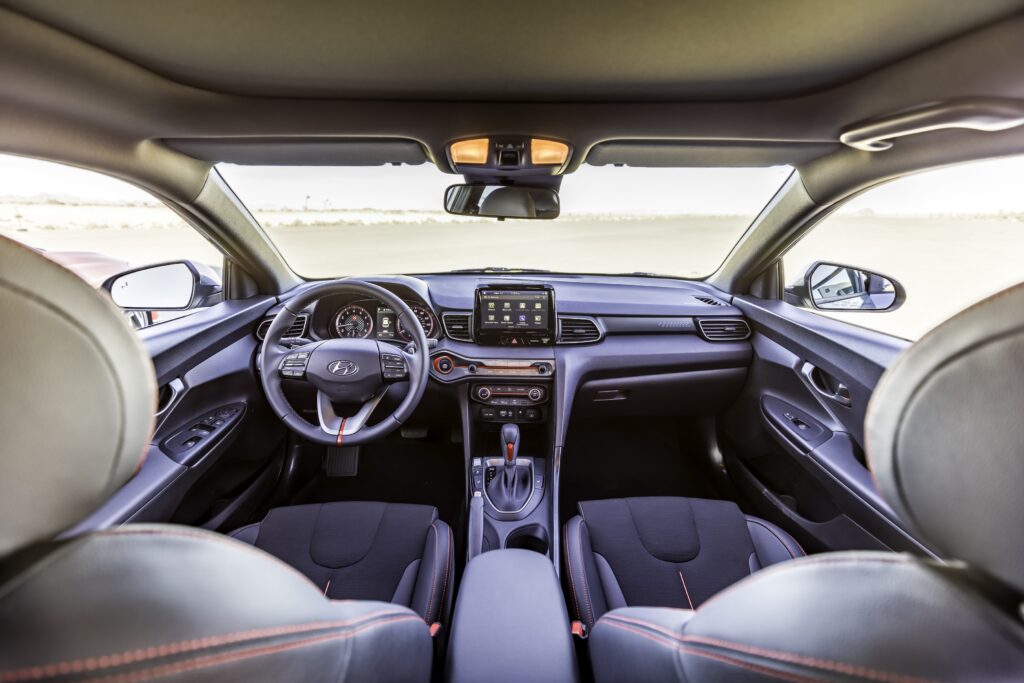
It only looks small and hard to see out of. It’s actually a very workable small car that has open sightlines across the hood and a good rearview camera with guidance lines.

Testing the Veloster R-Spec

Today’s tester is the R-Spec with manual-transmission only, which was $23,785, including the $885 freight charge from Ulsan, Korea.

 It is a sweet package off the showroom floor with a good collection of sport-tuned elements and a stance that lives up to its speedy styling. R-Spec features include a quick-ratio B&M Racing sport shifter, black Turbo fabric upholstery with yellow stitching, metal-trimmed pedals, center-mounted dual exhaust tips, rear spoiler and sport-tuned suspension-steering-exhaust. The 18-inch black alloy wheels with Michelin Pilot Sport 4 summer tires fill the wheel area nicely.

The previous-generation Veloster was OK-fun to drive, but I always wished for another 50 hp. And now the upgraded 1.6-liter and manual are fully engaging. The clutch is light, the shifter precise and gear ratios are such that you don’t have to continually row through the gears to stay in the power band.  There is good range in first to wind it out without rushing to second with plenty more revving range in third and fourth to maintain power in the S-turns. The brake pedal is a bit tall for easy heel-toe shifting, but it’s still a hoot to scoot.

Veloster engine

The Turbo models are upgraded with a 201-hp, 1.6-liter turbocharged and direct-injection four-cylinder.

Veloster R-Spec Fuel Economy

While the R-Spec is a functional small car, it might not be the best long-distance commuter for fuel economy. The engine revs fairly high at 2,500 rpm at 65 mph or 3,000 rpm at 80, but it is not a buzzy engine and the revs do not rock the cabin. Fuel economy ratings are not bad at 26 mpg city, 33 highway, and 29 mpg combined on 87 octane. I was averaging 28.9-34.1 mpg.

Michelin Pilot Sport summer tires make every car better and these were no crybabies when pushed hard in cornering. The Veloster has good balance and sightlines across the hood are wide open. The rear might look like a blind-spot black hole, but the wide rear glass helps views and the rearview camera with guidance lines helps when parking.

Standard driver-assist features include lane-keeping assist and forward collision-avoidance assist; a forward-facing camera watches for an imminent collision and will brake autonomously to avoid impact or at least minimize damage. Blind-spot collision warning with rear cross-traffic collision warning is optional.
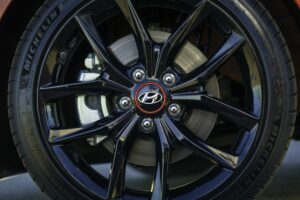
Four-wheel-disc brakes are robust for the 2,921-pound Veloster: 12-inch vented front discs, 10.3 solid disc rear.

Four-wheel-disc brakes are robust for the 2,921-pound Veloster: 12-inch vented front discs, 10.3 solid discs rear.

Turbo models also have a quicker steering ratio, which has good driver feedback and requires minimal inputs for course corrections. The 34.8-foot turning circle is handy in all parking situations.

Safety Features

Torque-vectoring control will help keep drivers from their own undoing. It works with the electronic stability control to help hold the line when pushing hard through corners. Wheel-speed sensors mete out braking force to the inside front and redirect power to the outside front wheel in the turn to trim wheelspin for a quicker corner exit.

Other safety features include six air bags, high-beam assist (with the optional LED headlights), and driver attention warning.

Veloster sunroof

Front headroom is tall at 38 inches without the sunroof.

Interior Function

The cabin is well equipped and smartly designed with quality-appearing materials and construction — but bare elbows leave scuff marks on the plastic door panels. The sports seats are supportive and comfortably bolstered with more thigh length than is commonly found in compact cars. The gauge array and center stack of audio-AC-fan-phone controls is a quick read with direct access. The shifter console has plenty of room for the manual parking brake lever, cup holders, and an e-bin for device charging with two USBs (charging and standard), a 12-volt plug, and an audio aux-in.

Headroom for tall drivers might be short at 38.1 inches (36.9 with the sunroof), but legroom is not at 42.6 inches.

The Veloster would seem to be on the endangered-species list as the brand’s lowest seller by far. But it is a distinct disruptor for the discerning young driver — though most of them would sooner buy Hyundai’s new subcompact Kona crossover with four doors and more cargo capacity.

But for those who know how to work a stick, it’s a hands-on kind of car when the world is rushing to hands-off driving.

Hyundai Veloster back seat

Back seat space is snug, but headroom grew by half an inch.

2019 Hyundai Veloster Turbo R-Spec Specifications

Body style: subcompact, front-wheel drive 3-door, 4-seat hatchback

Engine: 201-hp, turbocharged and direct-injection 1.6-liter four-cylinder; 195 lb.-ft. torque from 1,500-4,500 rpm

Transmission: 6-speed manual

Fuel economy:  26/33/29 mpg city/hwy/combined; 87 octane

BY THE NUMBERS

Fuel tank: 13.2 gallons

Cargo space: 19.9-44.5 cu. ft.

Front head/leg room: 38.1*/42.6 inches *36.9 w/sunroof

Rear head/leg room: 35.9/34.1 inches

Length/wheelbase: 166.9/104.3 inches

Curb weight: 2,921 pounds

Turning circle: 34.8 feet

Veloster competitors include the Chevrolet Trax, Fiat 500, Honda Civic coupe, Mini Cooper, Toyota C-HR and VW Beetle.

FEATURES

Standard equipment includes: smartkey entry and push-button ignition, rearview camera with guide lines, 8-speaker Infinity audio system with 8-inch touch screen and Android Auto or Apple CarPlay infotainment, LED headlights, leather-wrapped steering wheel, power mirrors-windows, 4-wheel disc brakes

RSpec features include: quick-ratio shifter, black Turbo fabric upholstery with yellow stitching, metal-trimmed pedals, 18-inch alloy wheels with Michelin Pilot Sport 4 summer tires, dual center-mount exhaust tips, rear spoiler, sport-tuned suspension-steering-exhaust, B&M Racing sport shifter

Safety features include: 6 air bags, lane-keep assist, brake assist, brake-force distribution, hill-start assist, blind-spot monitor

PRICING

Base price: $23,785, including $885 freight charge

Options on test vehicle: None

Where assembled: Ulsan, Korea

Warranty: 5-years/60,000-miles with roadside assistance; 10-years/100,000-miles powertrain

Veloster open cargo area

There is 19.9 cubic feet of cargo space behind the back seat or up to 44.5 with the 50/50 seat folded.

The official 2018 Pebble Beach Tour d’Elegance poster

The official 2018 Pebble Beach Tour d’Elegance poster

The official poster for the 2018 Pebble Beach Tour d’Elegance is an elegant representation of three variants of Citroen’s DS 19 by esteemed Brit artist (and car enthusiast) Barry Rowe.

The original piece will be shown in the Automotive Fine Arts Society exhibit on Sunday, Aug. 26, 2018, on the 18th fairway of Pebble Beach Golf Links.  The AFAS show is sponsored by The Lincoln Motor Co.

This is the 21st consecutive commission given to Rowe by the Pebble Beach organization. And this year’s opportunity, as Barry describes it, “was a most enjoyable endeavor, painting DS 19s with their vibrant colours and curvey shapes. The setting is along the coast, with Bixby Bridge in the background.” (Rowe is an English native and currently resides in England’s Devon County, along the southwestern coast known for its sandy shores.)

The DS nameplate is from the French word for goddess, Dé-esse.

Citroen and its DS were minor footnotes in America’s mid-century automotive scene, but the DS — introduced in the fall of 1955 and produced through spring 1975 — was a technology innovator. At its launch, it was the first production car to use disc brakes and one of its signature technologies was the hydropneumatic suspension with automatic leveling and adjustable ride height.

Its stance was awkward looking with a narrower rear track than the front.

As an “executive’s car,” it had aerodynamic styling, power steering, a semi-automatic transmission, inboard disc brakes and a fiberglass roof, which trimmed weight and lower the center of gravity for better handling.

“I always look forward to being part of the Pebble Beach Concours,” said Rowe. “From the spectacular backdrop to the gorgeous cars, its simply the most marvelous place to be each August. The magic of Pebble Beach is simply undeniable.”

English artist Barry Rowe.

Rowe studied graphic design at the Coventry School of Art and Design. From there, he worked as an art director in the advertising field before pursuing his passion for painting automotive artwork, becoming a freelance artist in 1966.

His career jumpstarted after receiving the Sotheby’s Art Award for his portrait of Argentinian champion Juan Fangio. This led to commissions from Louis Vuitton of Paris, Royal Mail, Royal Doulton and Royal Caribbean Cruise Lines. As well as his many poster commissions, Rowe has captured ten “Awards of Excellence” and the “Lincoln Award” in 2006 at the annual AFAS exhibit during the Pebble Beach Concours.

In addition to his automotive art, Rowe is an avid enthusiast. Growing up near the Jaguar factory, Barry would ride his bicycle to watch Jaguar’s C-Type and later  D-Type racecars under construction.

He also is an avid F1 and vintage racing fan and among the collectible  cars he has owned are a 1931 supercharged Lagonda, a 1929 Riley Nine Tourer and a  Morgan.

Original pieces from Rowe’s long career can be seen in “Atmosphere and Light: The Paintings of Barry Rowe.” More information about Barry Rowe and his artwork can be found at www.barryrowe.com.

About the Automotive Fine Arts Society

AFAS was first established in 1983 by a group of artists who are acknowledged by critics to be among the best in their field. Members work in many diverse mediums including oil, watercolors, acrylics, wood, gouache, pen & ink, clay and metal. AFAS and its members participate in select shows across the country including the Pebble Beach Concours d’Elegance, Dana Point Concours d’Elegance and the Amelia Island Concours d’Elegance. Additional information about AFAS is available at www.autoartgallery.com.