Select Page

Hyundai Venue SEL Review

Hyundai Venue SEL Review

The subcompact Hyundai Venue SUV crossover is a fun ride loaded with features and priced for youthful buyers

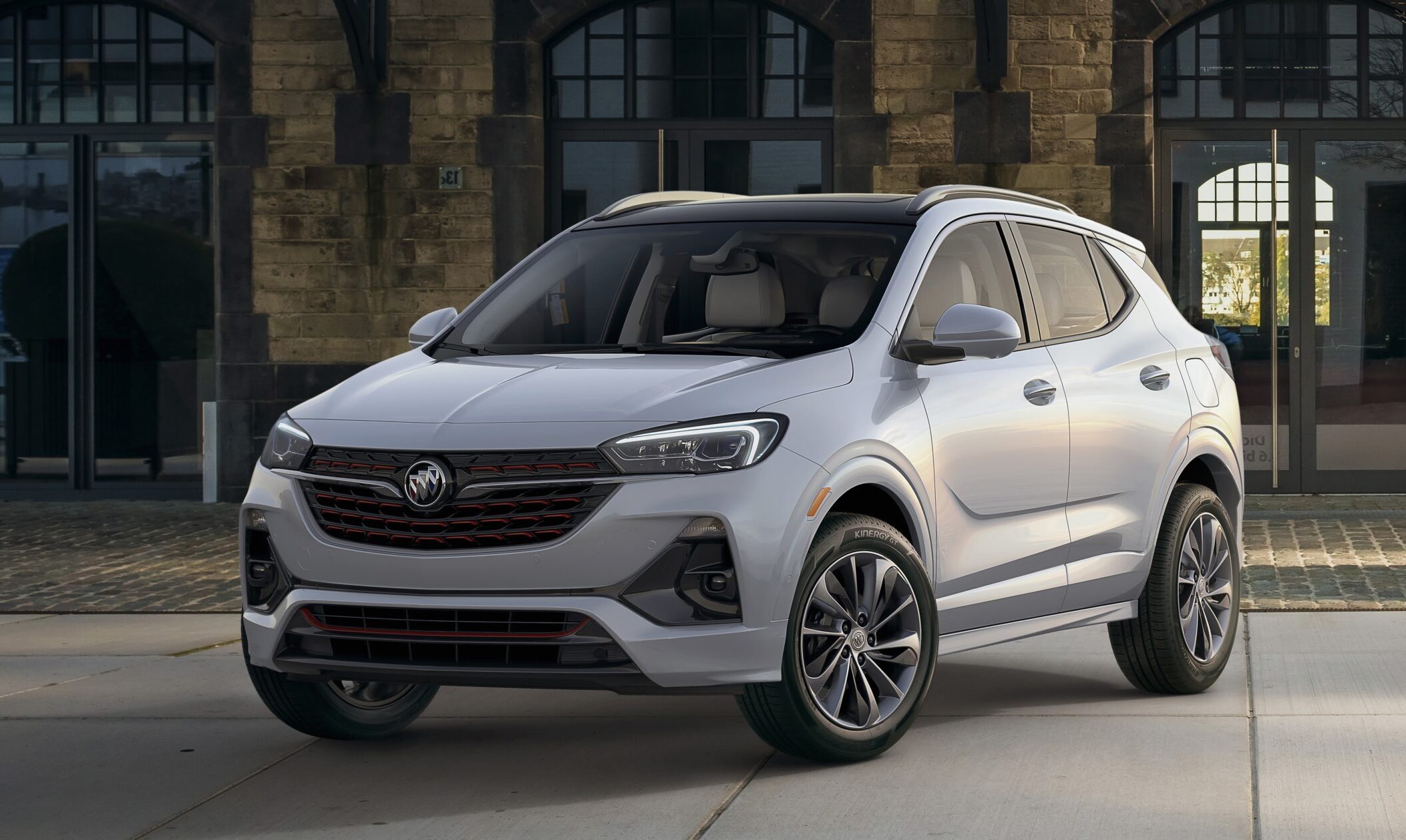
An exterior view of the 2020 Hyundai Venue

The Hyundai Venue is sold in three trim levels with starting prices of $19,000-$23,000.(Photography by Hyundai and Mark Maynard)

Table of Contents

Pricing
Performance
Ride and Handling
Interior Function
Back Seat and Cargo Space
Why buy the Hyundai Venue?
Specifications

BY MARK MAYNARD

Hyundai’s newest and smallest SUV crossover, the Venue, makes the most of difficult choices.

Based on the Hyundai’s subcompact Accent sedan, the Venue is the boxy equivalent, but it’s not a penalty box. It’s a fun ride, aimed at buyers with youthful bank accounts and loaded for their necessities, such as rapid connectivity for music, phone, apps, and other connected services. It has no-brainer drivability, seating for friends, and manageable maintenance costs.

Subcompact SUV crossovers represent the new reality of doing more in a smaller but well-equipped “car.” The choices continue to evolve with competition from the (new) Chevrolet Trailblazer, Buick Encore, Fiat 500X, Ford EcoSport, Honda HR-V, Jeep Renegade, Kia Seltos, Mazda CX3, Nissan Kicks and Toyota’s C-HR.

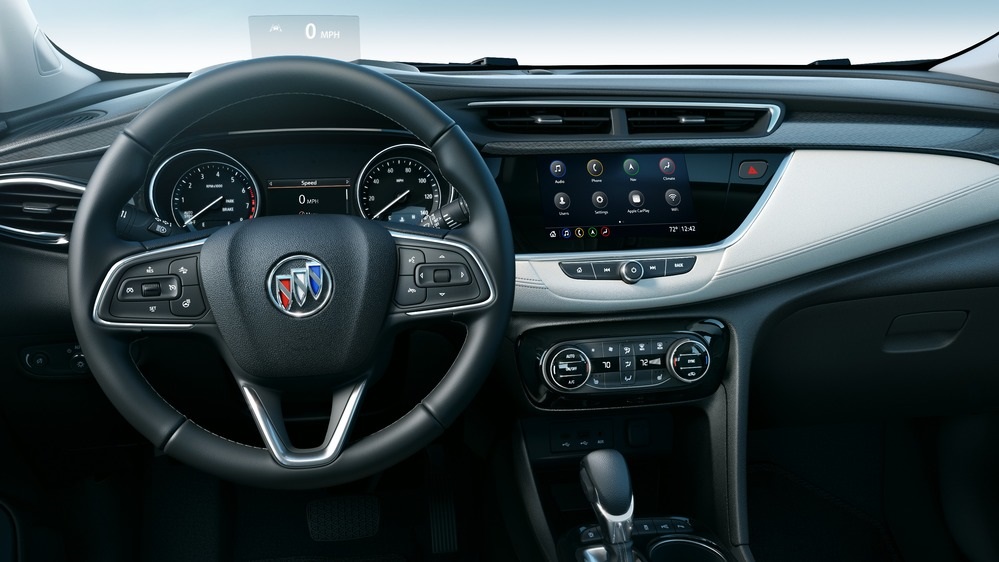
Hyundai Venue front seats and driver area

The Venue driver area has intuitive placement of switches and dials.

But as sweetly packaged as it is, the Venue also provides a rich experience for mature drivers. Among the Venue’s assets are heated seats, no-nonsense placement of controls, comfortable entry and exit, and quick convertibility for cargo. And there are driver-assist technologies on the more expensive models.

With a tidy turning circle of 33.2 feet, the Venue is small enough to park anywhere. Consider this a selling point for urban dwellers who might have limited or no on-site vehicle parking.

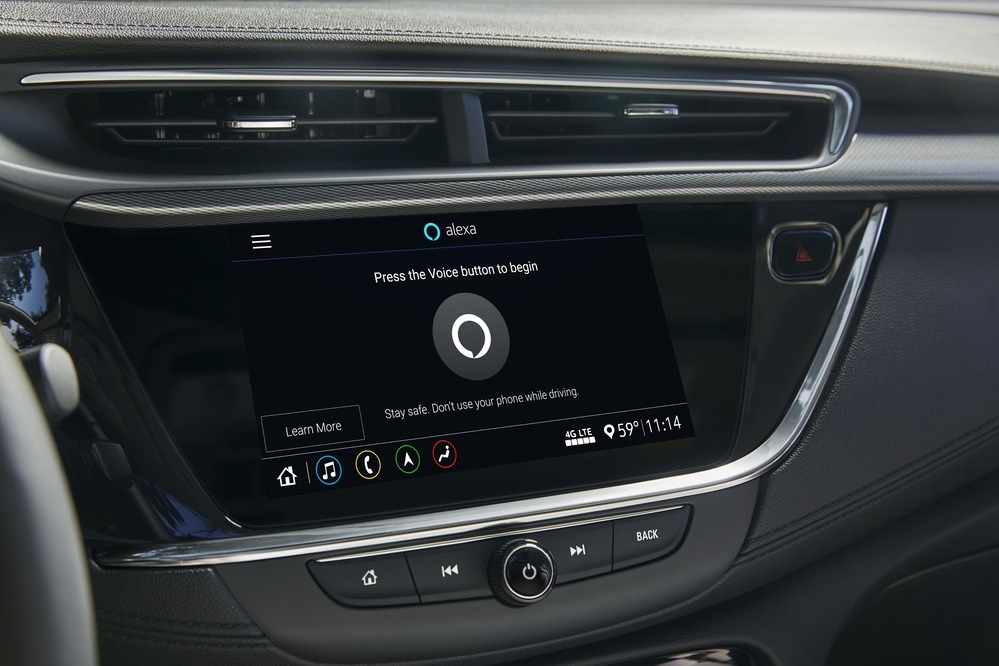
The infotainment touch screen

The wide touch screen has a wide rearview camera.

Hyundai Venue Pricing

The Venue is sold in three trim levels of SE, SEL or Denim. All models are front-wheel drive with a 121-horsepower, 1.6-liter four-cylinder engine. There is a standard six-speed manual transmission or optional continuously variable automatic.

Starting prices range from $18,490 with manual transmission to $20,390 for the SEL; add $1,200 for the CVT. The Denim starts at $23,190 and features Denim blue paint with a white roof, Denim-influenced interior, 17-inch alloy wheels, and leatherette-and-fabric seats. All MSRP pricing includes the $1,140 freight charge from Ulsan, Korea.

Check current Hyundai Venue pricing here.

All new Hyundais include free scheduled maintenance for 3 years or 36,000 miles. And that is in addition to the bumper-to-bumper warranty of 5 years or 60,000 miles (with roadside assistance) and powertrain coverage of 10 years or 100,000 miles.

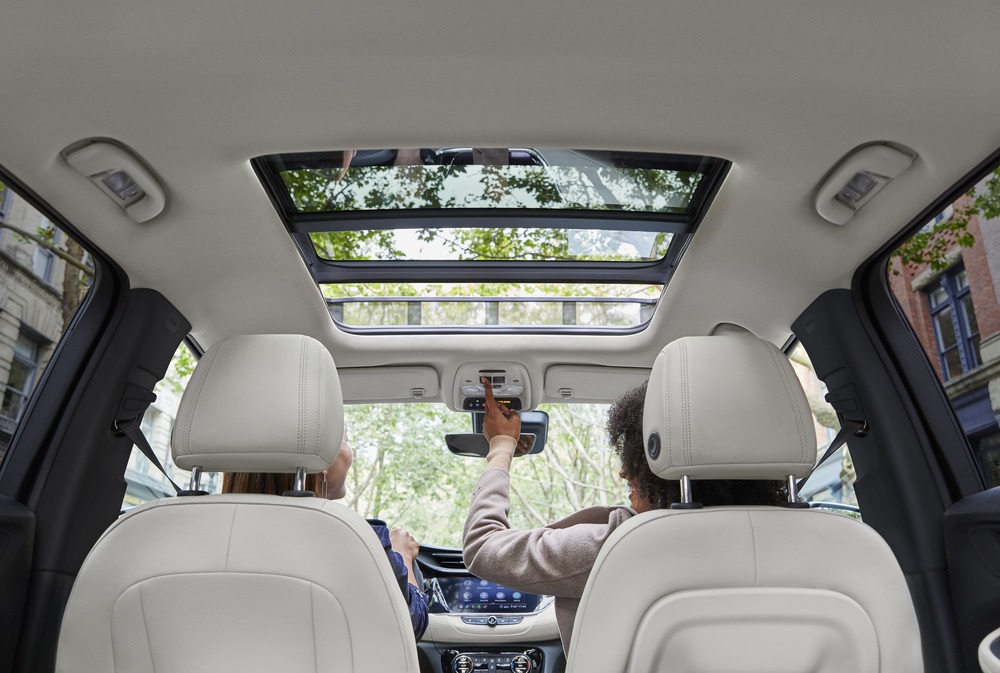
The Venue SEL tester with CVT was $23,445 with the two main factory packages. The convenience package ($1,150) adds a power sunroof, smart-key locking and push-button ignition, sliding armrest storage box (a desirable extra on these cheap cars), leather-wrapped steering wheel and shift knob, blind-spot collision, and rear cross-traffic collision warnings.

The Venue shift console

The shifter console is multifunctional.

The Premium package ($1,750) includes heated front seats and side mirrors, LED headlights-taillights-running lights, 17-inch alloy wheels, smart key locking and push-button ignition, 8-inch navigation touch screen display with Android Auto and Apple CarPlay. Carpeted floor mats added $155.

Even base models have six air bags and a full suite of advanced safety tech, including forward collision warning and pedestrian detection, and lane-keeping assist.

Hyundai Venue Performance

The performance of the 121-horsepower 1.6-liter isn’t overwhelming but shows its grit for right-now power. Sport mode will sharpen the response, but I found it too jittery and was content to manipulate acceleration through a heavier foot. The manual transmission might give more direct performance, but hurry, it is going away for the 2021 SE model.

Hyundai’s “intelligent” variable transmission — IVT rather than CVT — can match a gear ratio with the optimum engine speed, the engineers say. But to me, it still feels like a CVT, sometimes vague and tuned for fuel economy.

The EPA mileage ratings (CVT) are achievable: 30 mpg city, 34 highway and 32 mpg combined, on 87 octane. My driving returned an average of 32.3 mpg and up to 37.6 with more highway driving. 

Hyundai Venue Ride and Handling

The highway ride is surprisingly comfortable for a small SUV with a stubby 99.2-inch wheelbase. Often, these small and tall vehicles can be prone to choppiness on concrete freeway surfaces. The torsion beam rear axle isn’t sophisticated for sporty driving, but its flat design allows greater cargo capacity. The SEL adds rear disc brakes while the lower-trim models are fitted with the less-expensive drums.

On the highway commute, there was no objectionable wind noise or tire harshness from the 17-inch Nexen N’Priz all-season touring tires.

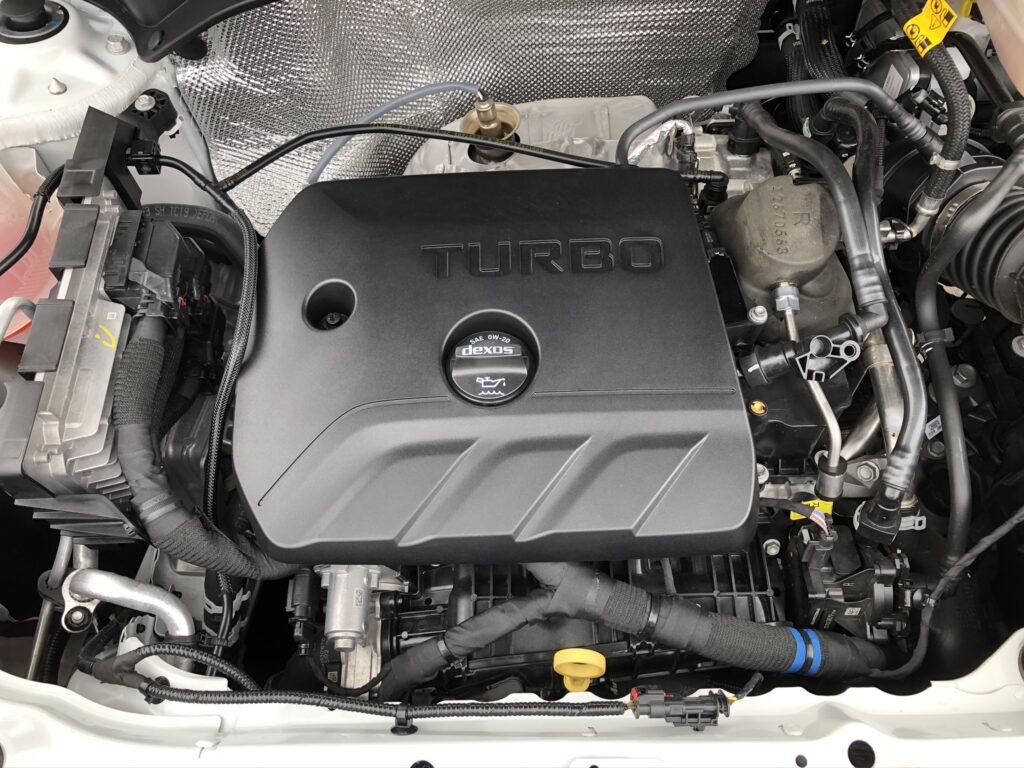
The Venue's engine

The 121-hp 4-cylinder engine has fuel economy ratings of 30 mpg city, 34 highway and 32 mpg combined. (Mark Maynard)

Interior Function

There is nothing “cheap car” about the interior materials of the Hyundai Venue. Though there is plenty of plastics, they have pleasing grains and finishes. 

It’s roomy inside with a tall 39.4 inches of headroom, which trims a bit with the sunroof. Legroom is large-car long at 41.3 inches. But the one-size-fits-most seat-belt anchor positioned the belt higher across my neck than was comfortable. And some will wish for some seat-bottom tilt, but that is uncommon in these less-expensive cars.

The tires on the Venue

Tire sizes range from 15- to 17-inches. (Mark Maynard)

Driver sightlines are open and the rearview camera provides wide coverage with guidance lines. There is an intuitive placement of switches and dials. The shifter console is multifunctional with a parking hand brake, cup-bottle holders, and charging bin with two USBs and a 180-watt 12-volt plug. Sliding visors have large, lighted vanity mirrors.

There is plenty of small-item storage, particularly with the optional armrest box. There’s a short shelf on the passenger side above the glove box, which makes a handy place to park a phone.

Back Seat and Cargo Space

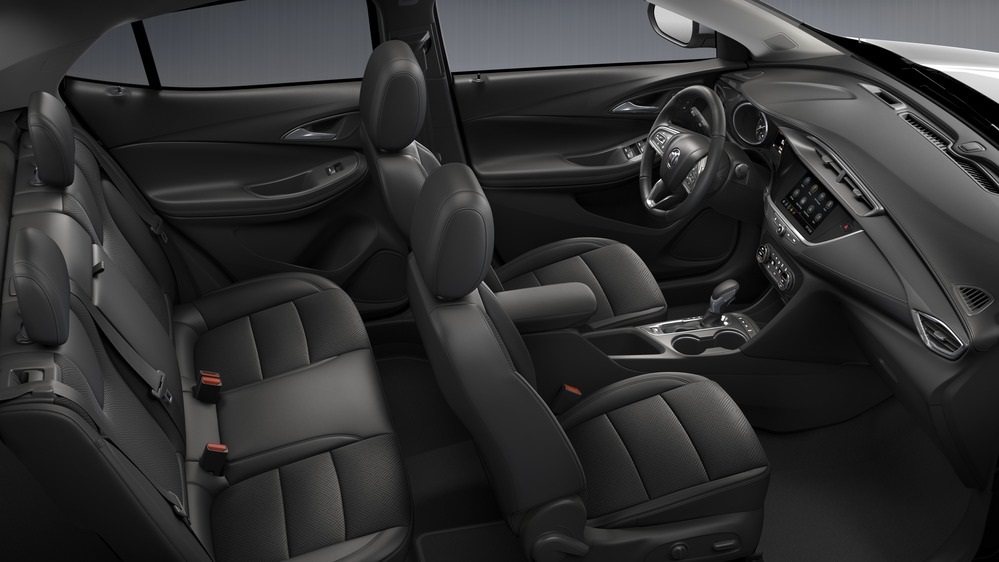
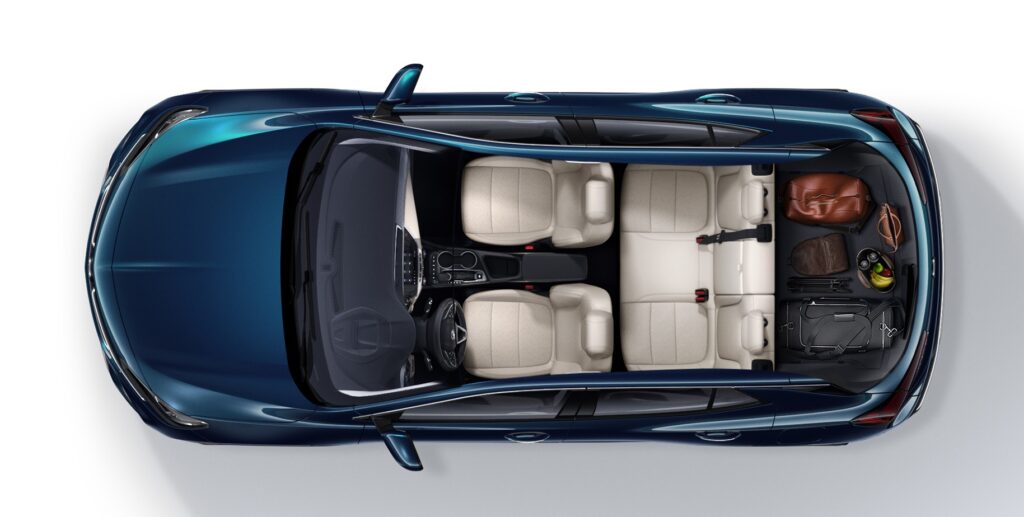
The back seat is compact but with a low exhaust hump for occasional three-across seating.  Rear leg room of 34.3 inches will be snug for adults.

There is a generous two-level cargo space that has a wide opening of 37 ½ inches. Fold the 60/40 back seat for almost 5 feet of length.

The back seat in Venue

The back seat has a low exhaust hump for occasional three-across seating.

Why buy the Hyundai Venue?

As the Coronavirus sucks the spontaneity out of our daily routines, having to replace anything, especially a vehicle, gets new scrutiny. How much or how little is required? Do we make ourselves happy? Or do we settle?

The Hyundai Venue is an opportunity to downsize without settling. It will expand expectations for its interior roominess and quality of accommodations — with the peace of mind from free maintenance and long warranty protection.

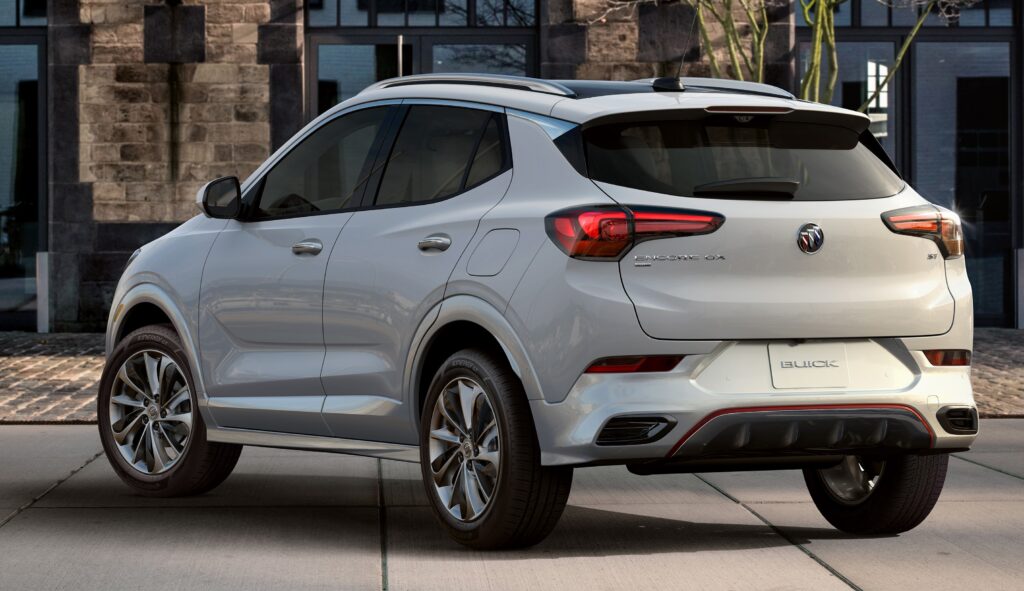
A rear view of the Hyundai Venue

All new Hyundais include free scheduled maintenance for 3 years or 36,000 miles.

2020 Hyundai Venue SEL Specifications

Body style: compact, 5-passenger, 5-door front-wheel-drive SUV crossover

Engine: 121-hp, dual-port fuel injection 1.6-liter four-cylinder; 113 lb.-ft. torque at 4,500 rpm

Transmission: CVT w/sport, normal and snow modes

Fuel economy: 30/34/31 mpg city/hwy/combined; 87 octane

BY THE NUMBERS

Fuel tank: 11.9 gallons

Cargo space: 18.7-31.9 cu. ft.

Front head/leg room: 39.4*/41.3 in. *w/o sunroof

Rear head/leg room: 38.6/34.3 in.

Length/wheelbase: 158.9/99.2 in.

Curb weight: 2,738 lbs.

Turning circle: 33.2 ft.

FEATURES

Standard equipment includes: smart key locking with push-button ignition, 6-way adjustable driver’s seat, rearview camera, heated front seats and side mirrors, automatic temperature control, 8-inch color touch screen audio system with Android Auto and Apple CarPlay, 60/40 folding back seat, 2-stage cargo floor

Safety features include: 6 air bags, forward collision avoidance assist with pedestrian detection, lane-keeping assist, driver attention warning, stability and traction controls, hill-start assist

PRICING

SEL Base price: $20,390, including $1,140 freight charge; price as tested $23,445

Options on test vehicle: Convenience package, $1,150, adds a power sunroof, sliding armrest storage console, leather-wrapped steering wheel and shift knob, blind-spot collision and rear cross-traffic warnings;

Premium package, $1,750, adds heated front seats and side mirrors, LED headlights-taillights-running lights, 17-inch alloy wheels, proximity key with push-button ignition, 8-inch navigation touch screen with Apple CarPlay or Android Auto and Blue Link connected services for three years;

Carpeted floor mats $155

Where assembled: Ulsan, Korea

Warranties: free scheduled maintenance for 3 years or 36,000 miles; bumper-to-bumper 5-years/60,000-miles with roadside assistance; powertrain 10-years/100,000-miles

All-electric Mustang Mach-E 1400 showcased Aug. 8-9 in NASCAR Cup series broadcast

All-electric Mustang Mach-E 1400 showcased Aug. 8-9 in NASCAR Cup series broadcast
Vaughn Gittin, Jr., left, and Joey Logano, after driving the Mustang Mach-E 1400 prototype at Ford’s Proving Grounds in Romeo, Mich. (Ford)

NASCAR Cup Series Champion Joey Logano had a chance to feel the raw electric power of the Mustang Mach-E 1400 prototype along with Ford’s famed drift star Vaughn Gittin Jr. at Ford’s Romeo Proving Grounds in Michigan.

Logano and Gittin were on-track the week of Aug. 7 to make a short film to showcase the Mustang Mach-E 1400 — developed in collaboration with Gittin’s RTR (Ready to Rock) Vehicles — that will appear for the first time Aug. 8-9 during NBC’s televised coverage of the NASCAR Cup Series races at Michigan International Speedway.

The Mach-E 1400 prototype was developed in collaboration with Gittin’s RTR Vehicles. (Ford)

The one-off Mustang Mach-E has seven electric motors and an ultra-high-performance battery for a projected horsepower of 1,400 and more than 2,300 pounds of downforce at 160 mph.

Three motors are attached to the front differential and four are attached to the rear in pancake style, with a single driveshaft connecting them to the differentials, Ford said in a release. Power delivery can be split evenly between front and rear, or completely to one or the other.
Watch here to see the all-electric prototype in action.

Ford hopes the Mach-E 1400 will help clear the air about electric cars and horsepower. (Ford)

Watch here to see the all-electric prototype in action. 

The 56.8-kilowatt-hour battery is made up of nickel manganese cobalt pouch cells for ultra-high performance and high discharge rate. The battery system is designed to be cooled during charging using a di-electric coolant, decreasing the time needed between runs.

Using Brembo disc brakes, an electronic brake booster allows series regenerative braking, with ABS and stability control. A hydraulic handbrake system allows drifting.

“It was so cool to get a chance to drive the Mustang Mach-E 1400,” Logano said. “With all-wheel drive it just launches at the start and you have so much power it’s crazy. The Ford Performance guys with Vaughn and his team have built something special.”

MarkMaynard@cox.net

Chevrolet to stage weeklong virtual cruise

Chevrolet to stage weeklong virtual cruise
Fans can download a 18-by-24-inch high-resolution printable poster featuring a 1967 C10 CST pickup, 1957 Corvette convertible, 2020 Corvette C8.R and 2020 Camaro ZL1. (Chevrolet)

‘Cruisin’ the USA in your Chevrolet’ a tribute to history, iconic vehicles, technological innovations and Chevy experts

BY MARK MAYNARD

While the summer car-show season has been socially distanced to near death, Chevrolet is reimagining shows and cruise nights through a weeklong virtual festival.

Hosted on Chevy’s social media channels from Aug. 10-16, “Cruisin’ the USA in your Chevrolet” will be a tribute more than a century of the brand’s automotive history, technological innovation, design and passion.

Each day of the festival will have a different theme and will highlight historic footage, guest appearances, trivia and more. Chevy experts will provide in-depth looks at some of the brand’s most iconic vehicles in the General Motors Heritage Center — and even some of their own custom builds.

The week will begin with the year 1911, when Chevy was founded by Louis Chevrolet and Billy Durant. The segment will feature rare archival photos and videos from the last 109 years.

Louis Chevrolet at the wheel of a racing car in 1911. (Chevrolet)

And there will be family fare in the form of downloadable coloring pages, puzzles and activities from the Chevy Design School — with unique Chevy themes for young enthusiasts to outfit their “Animal Crossing” world Nintendo game.

Schedule of events:

Aug. 10: The Origins and Innovations of Chevrolet 
Aug. 11: Chevy’s Most Iconic Designs
Aug. 12: The Proud Truck Tradition
Aug. 13: The Peak of Performance
Aug. 14: Team Chevy – A Culture of Winning
Aug. 15: Chevy’s Heritage – A Fan Celebration
Aug. 16: Race Day – Team Chevy at NASCAR and the NHRA Nationals

To gear up for the event, fans can download a collectable 18-by-24-inch high-resolution printable poster featuring a 1967 C10 CST pickup, 1957 Corvette convertible, 2020 Corvette C8.R and 2020 Camaro ZL1.

Follow for festival on Chevy’s social media channels: @Chevrolet on Twitter, Instagram and Pinterest, and @TeamChevy on Race Day.

And enthusiasts are encouraged to share their own fan photos using the hashtag #ChevyLove.

“Classic car events have served as a place for us to honor Chevrolet’s deep automotive history and its influence on our present and future with car enthusiasts from around the world,” said Steve Majoros, vice president of marketing, Chevrolet. “Cruisin’ the USA in your Chevrolet is a way for us to keep that spirit alive.”

markmaynard@cox.net

2020 SEMA Show cancelled

2020 SEMA Show cancelled
An overview of the show floor from 2019. (SEMA)

SEMA, the Specialty Equipment Market Association, announced Aug. 5 that due to COVID-19 and concerns that event facilities and services will be unavailable — and, therefore, the 2020 SEMA Show will not take place.

While event organizers and industry members have been working to develop the sprawling trade show in Las Vegas, mounting uncertainty has rendered continuing with the event inadvisable.

Recent SEMA Show survey results indicated interest in a possible virtual trade show with related live elements. SEMA will be working with industry members to determine interest levels on specific alternatives.

“The SEMA Show is committed to furthering businesses in the automotive specialty equipment market, and to providing manufacturers and buyers with the best opportunity to connect, promote new products and discover new trends,” said Chris Kersting, SEMA president and CEO. “We appreciate the spirit, hard work and innovation our industry puts into the SEMA Show each year. While we are disappointed circumstances prevent us from hosting the Show in November, we look forward to getting everyone together in 2021 for another outstanding event.”

The 2021 SEMA Show is scheduled for Nov. 2-5.

Updates will be posted to semashow.com.

The SEMA Show is a trade show produced by the Specialty Equipment Market Association a nonprofit trade association founded in 1963. Since the first SEMA Show debuted in 1967, the annual event has served as the leading venue bringing together manufacturers and buyers within the automotive specialty equipment industry. Products featured at the SEMA Show include those that enhance the styling, functionality, comfort, convenience and safety of cars and trucks.

Learn more at www.sema.org;or by calling (909) 396-0289.

2020 Cadillac CT5 Review

2020 Cadillac CT5 Review

The Cadillac CT5 sport sedan is sized, equipped, and priced to conquest new customers

A front view of the Cadillac

The Cadillac CT5 is a head-turner with the stance and attitude of a sport sedan. (Photos courtesy of Cadillac)

Table of Contents

Overview
Pricing
Interior Function
Powertrains
Helpful Technologies
Ride and Handling
Back Seat and Trunk Space
Why Buy the Cadillac CT5?
Specifications

BY MARK MAYNARD

Cadillac has one foot on the gas pedal and the other on a power inverter as it transitions to the electric-vehicle division of General Motors. And on this threshold is the release this year the new gasoline-powered CT4 and CT5 sport sedans. Both new models replace two very competent sedans.

The new models are sized, equipped, and priced to conquest new customers in the Compact Luxury segment.

“We don’t consider these vehicles to be direct replacements for the ATS or CTS,” said Cadillac assistant brand manager Stefan Cross in an email. “As good as those vehicles were, we feel that the CT4 and CT5 elevate the drive experience in the areas most important to customers.”

Wide-angle view of the VT5 front seats

Handcrafted cut-and-sewn leather is standard on the CT5. (Cadillac)

Cadillac CT5 Overview

The new models make a good statement for Cadillac. But they debut amid an industry-wide syndrome known as “It’s not an SUV.”

“Sedans represent a gateway to luxury for many buyers and with this new sedan lineup, we feel poised to draw new customers to the brand — in the U.S. and global markets,” Cross said.

The driver area in the CT5.

The driver area is smartly designed for driver necessities.

Cadillac does have a varied line of SUVs in its compact XT4, midsize XT5 and three-row XT6 crossover. These models are scheduled for “freshenings” in 2023 and 2024 for the XT6. And then there is the brand-defining Escalade, which was redesigned this year.

It will be the 2022 model year before the debut of the first Cadillac-branded EV, the Lyriq crossover. It will be followed by the Celestiq ultraluxury sedan and a large SUV in 2023. Another extra-large SUV is planned for 2024 and another crossover is possible, according to industry reports.

Front passenger seat in the CT5

The front seats are eight-way power adjustable with a manual thigh extender.

Cadillac CT5 Pricing

With so much attention on SUVs today, the Cadillac CT5 deserves recognition. It’s a head-turner with the fast lines and a sloped rear deck of a sport sedan, down to its distinct alloy wheels. The car looks rich and exclusive, especially in the tester’s Raven Black.

And it is priced right. The CT5 is sold in three trim levels with three turbocharged engine choices, in rear- or all-wheel drive. The entry model with a 2.0-liter four-cylinder starts at about $39,000 and the 3.0-liter V-6 starts at about $45,000; add $2,600 for AWD. And the mighty CT5-V, with a 360-horsepower version of the V-6, starts at about $50,000. Pricing includes the $995 freight charge from Lansing, Mich.

A side view of the CT5

CT5 starting prices range from about $39,000 to $45,000.

Premium Luxury

Sizewise, the CT5 has about the same footprint as the CTS sedan. However, the CT5 rides on a longer wheelbase and is shorter by 1.7 inches. It is the same height (57.2 inches) but nearly 2 inches wider. Occupants will appreciate the wide front-seat shoulder room of 56.7 inches. And its curb weight of 3,660 pounds (rear-drive) is 97 pounds lighter.

The tester was well-dressed with the Platinum package ($8,330), and two driver-assist packages, topped out at $56,770. As equipped, it could easily be a car to keep for a decade, with updates to the software.

Cadillac’s new-vehicle warranty is four years or 50,000 miles bumper to bumper with a free first scheduled service (oil change and oil filter, and check-up). The powertrain is covered for six years or 70,000 miles.

At this posting, there was a $1,500 cash-back offer on a lease or $1,000 back on the purchase price. Current offers and incentives are here.

The shift console

The shift console is a functional space with wireless charging.

Interior Function

The Premium Luxury tester has clean lines of contemporary design and a collection of desirable materials. For example, the standard handcrafted cut-and-sewn leather is applied to the instrument panel, doors, armrests, and seats.

Some of the plastic in the lower areas appears to be more Chevrolet than Cadillac, but the overlay of the Platinum package ($8,330) diminishes the effect. The package adds gorgeous-looking semi-aniline leather upholstery that feels supple but durable, with the potential of aging to a fine patina. The front seats are eight-way power adjustable with a manual thigh extender.

The driver area is smartly designed with good cup holders, charging ports, several areas for small-item storage. The 10-inch infotainment screen is easily viewed and used. The screen also has some exterior buttons and switches for temperature and AC controls, seat heaters and ventilation, and audio volume and tuning.

The front headroom is tall at 39 inches with the two-pane Ultraview roof. And legroom is long at 42.4 inches.

The shift console is a functional space with wireless charging, cup holders, and a controller dial to access infotainment and make touch-screen selections. The center armrest console has dual charging USBs, including a C-type. And a phone slot, which Cadillac calls a “shrine,”  has charging cable access.

Sightlines are open at the side mirrors and over the shoulder. Entry height is comfortable and even feels somewhat elevated; at least I wasn’t staring into the taillights of the car ahead in traffic.

Especially useful is the HD 360-degree Multiview camera that gives views of the curb, overhead and forward; the backup view has guidance lines. The 39-foot turning circle is wide but not unwieldy.

The self-sealing tires on the CT5

18-inch Michelin Primacy all-season tires are self-sealing when punctured, but the tires can feel hard at Interstate speeds.

Cadillac CT5 Powertrains

The twin-turbocharged and direct-injection 3.0-liter V-6 has 335-hp and 400 foot-pounds of torque 2,400-4,400 rpm. The auto stop-start at idle can be switched off, such as in stoplight traffic when it can be annoying.

With 90 percent of the peak torque at 1,800 rpm, acceleration is without hesitation. Sport mode will sharpen the shift points without being overly aggressive. The 10-speed automatic rolls on with measured smoothness.

Official fuel economy ratings are 19 mpg city, 26 highway and 21 mpg combined on the recommended premium fuel. My driving averaged 16 to 30.2 mpg.

A buyer could save $3,500 with the turbocharged 2.0-liter, but it has just a slight fuel-economy advantage: 23/32/26 mpg.

The eBoost braking system has generously sized 12.6-inch rotors at the front, 12.4-inches rear.

The 335-hp V6 in the CT5The 335-hp V-6 has an eager 400 lb.-ft. torque. (Mark Maynard)

Helpful Technologies

A “trigger” video recorder maintains guard should the car get bumped or worse while driving or when parked. The trigger recording activates all four cameras to record footage to a trunk-mounted SD card that can be later replayed on the CUE infotainment system — or downloaded to an external device for possible police review. And when the recorder is activated when the car is in motion, front and rear cameras also capture footage.

Drivers will stay connected and informed with Amazon Alexa and Apple CarPlay or Android Auto connectivity.

The 10-inch touch screen for the Cadillac User Experience is simple enough to access, but there are tiers of hard buttons for temperature, fan, seat heaters for quick adjustments. (Cadillac)

CT5 Ride and Handling

The cabin benefits from Cadillac’s three-step soundproofing, including acoustic sealing and a sound-canceling audio system. But there is still a little more engine sound that seems necessary at highway speeds with some grainy road texture on concrete surfaces.

The 18-inch Michelin Primacy touring tires (245/45) are self-sealing and have a high (hard) treadwear rating of 540, but their tread life should be relatively long (55,000 miles); there is no spare or inflation system for flats.

Standard driver assistance technologies include Forward Collision Alert, Low-Speed Forward Automatic Emergency Braking, and Front Pedestrian Braking.

The tester included two driver-assist packages that assisted without alarming alerts. Of use was the Following Distance indicator that works with a camera system and measures in seconds how long it would take to stop in an emergency.

The various camera and radar integrations are located behind the windshield, in the front grille, and behind the front and rear fascias. The roof-mounted shark-fin antenna holds the camera used for the digital Rear Camera Mirror.

All lights and lighting inside and out are LED.

The interior is rich in details, including an organic appearance to the wood trim.

Back Seat and Trunk Space

The back seat is one of the nicer spaces in the sedan segment, but its tall center exhaust-transmission tunnel makes it better for 2+2 seating. The sculpted seatback wraps gently toward the door for a bolstering effect. The legroom is relaxed at 37.9 inches.

The seatback can be folded for a modest pass-through opening to the trunk. And there are grab handles with coat hooks and a C-type USB for charging.

The back seat of the Cadillac

Back seat legroom is relaxed at 37.9 inches.

There is a low liftover to the wide opening of the trunk, which looks more spacious than its 11.9 cubic feet. Because there is no spare or inflation system, there is some underfloor storage space.

The CT5 trunk.

The CT5 trunk has a wide opening and underfloor storage. (Mark Maynard)

The underfloor storage of the trunk.

Why Buy the Cadillac CT5?

Enthusiast reviewers lament that the Cadillac CT5 is not the performer that was its predecessor, the CTS. However, the majority of buyers drawn to the sharp styling of this Cadillac will value its luxurious features for a fair price.

Passenger cars are part of the Cadillac DNA, Cross said. “They draw new customers to the brand and allow us to build performance variants and appeal to our enthusiast buyers and fans.”

Cadillac hasn’t announced any EV or hybrid variants of the CT4 or CT5. But with all the new EV crossovers and sedans rolling out over the next few years, learnings from these current sedans will definitely be applied, Cross said.

By the end of the decade, most if not all Cadillac models will be all electric, Cross said. “In the meantime, we do see a prominent market for the CT4, CT4-V, CT5 and CT5-V (as well as their future V-Series Blackwing variants) in the U.S. and across our global markets.”

A rear view of the CT5

A long, 116-inch wheelbase and lengthened side glass accentuate the car’s long, low proportion and sweeping fastback profile.

2020 Cadillac CT5 Luxury Specifications

Body style: midsize, 5-passenger rear-drive luxury sedan

Engine: 335-hp, direct-injected and turbocharged 3.0-liter V-6 with auto stop-start at idle; 400 lb.-ft. torque from 2,400-4,400 rpm

Transmission: 10-speed automatic

Fuel economy: 19/26/21 mpg city/hwy/combined; premium fuel recommended

BY THE NUMBERS

Fuel tank: 17.4 gallons

Trunk space: 11.9 cu. ft.

Front head/leg room: 39/42.4 in.

Rear head/leg room: 36.6/37.9 in.

Length/wheelbase: 193.8/116 in.

Curb weight: 3,660 lbs.

Turning circle: 39 ft.

FEATURES

Standard equipment includes: smart key locking and push-button ignition, 8-way power front seats with lumbar, HD rearview camera mirror, leather-wrapped steering wheel with paddle shifters, LED headlights and taillights, LED interior ambient lighting, LED lighted door handles, heated power-adjustable side mirrors with turn signals, Bluetooth phone and audio streaming, wireless phone charging, 10-inch touch screen Cadillac User Experience, 18-inch painted alloy wheels, rear park assist (tones)

Safety features include: 8 air bags, rear cross-traffic alert, safety alert seat, forward collision alert, lane-change alert with side blind-zone alert, automatic emergency braking, front pedestrian braking

PRICING

Base price: $41,690 including $995 freight charge; price as tested $56,770

Options on test vehicle: Platinum package, $8,330, includes massaging front seat lumbar, front seat manual thigh extension support, adjustable seatback bolsters, Ultraview sunroof, lighting package, semi-aniline leather upholstery, alloy pedals, Tapshift manual shift control, navigation system, and Bose premium audio package, climate package, parking package;

  • 3.0-liter V-6 with auto stop-start at idle $3,500;
  • Driver-assist and advanced security package, $1,950, includes automatic seat-belt tightening, adaptive cruise control, locking fuel door, door lock and latch shields, locking wheel lug nuts, enhanced automatic emergency braking, reverse automatic braking, leather steering wheel with magnesium paddle shifters;
  • Driver Awareness-Plus package, $1,300, includes Intellibeam headlights, following distance indicator, 8-inch gauge cluster, lane-keep assist with lane departure warning, heads-up display

Where assembled: Lansing Grand River, Mich.

Warranty: 4-years/50,000-miles bumper to bumper with free first scheduled maintenance; 6-years/70,000-miles powertrain with roadside assistance and courtesy loaner when serviced

Yokohama Tire rewards sweat equity with Spartan Race Series promotion, through Sept. 30

Yokohama Tire rewards sweat equity with Spartan Race Series promotion, through Sept. 30
Spartan is a global experiential sport and wellness brand with a 10 million-plus community. (Yokohama photo)

Through Sept. 30, the promotion features free 2021 race entry, worth up to a $190 value with the purchase of four eligible tires

BY MARK MAYNARD

As the official tire sponsor for the U.S. Spartan Race Series, Yokohama is offering a summer promotion that highlights the brand’s tough tires and world’s largest obstacle race and endurance brand.

Though the coronavirus has scuttled the 2020 Spartan race season, organizers are focused on 2021. And now through Sept. 30, 2020, Yokohama Tire is giving out free Spartan Race entries to consumers who purchase four eligible tires. The entries — up to a $190 value — are for one Elite, Age Group, morning or afternoon Sprint, Super or Beast races during the 2021 season.

Among the more than 25 tires available in the special promotion are the GEOLANDAR CV G058, the GEOLANDAR X-AT and ADVAN Apex. Details, terms and conditions of the promotion can be found at Sparta promotion.

Spartan is a global experiential sport and wellness brand with a 10 million-plus community. The group’s mission is to create “transformational experiences, products and content to help people, companies and teams to tear down boundaries and expand what they believe to be possible.” In a non-pandemic year, the group stages more than 250 large-scale events across more than 40 countries on six continents. Learn more at spartan.com.

“Spartan’s strong, passionate fan base is the ideal audience for our tires,” Alan Holtschneider, Yokohama’s director of marketing, said in a release.

About Yokohama Tire Corp.

Yokohama Tire Corp. is the North American manufacturing and marketing arm of Tokyo, Japan-based The Yokohama Rubber Co., Ltd., a global manufacturing and sales company of premium tires since 1917. The company’s complete product line includes tires for high-performance, light truck, passenger car, commercial truck and bus, and off-the-road mining and construction applications. For more information, visit Yokohamatire.com, Yokohamatruck.com or Yokohamaotr.com.

MarkMaynard@cox.net