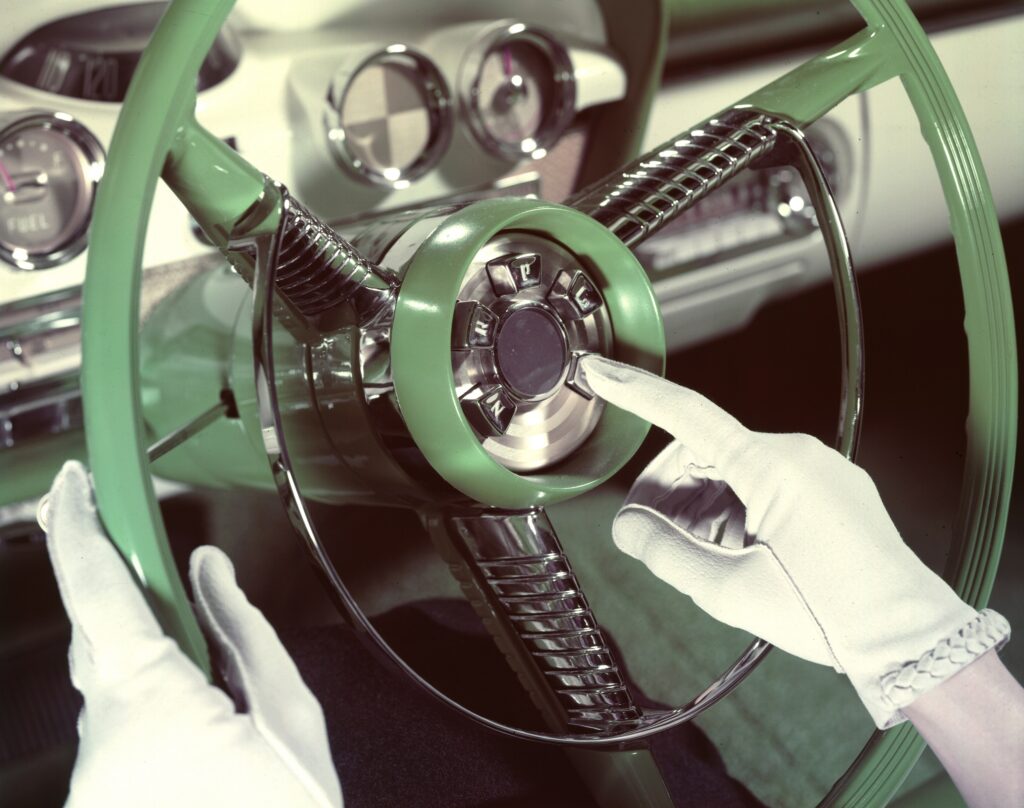
Teletouch transmission controls in the 1958 Edsel. (Ford archives)
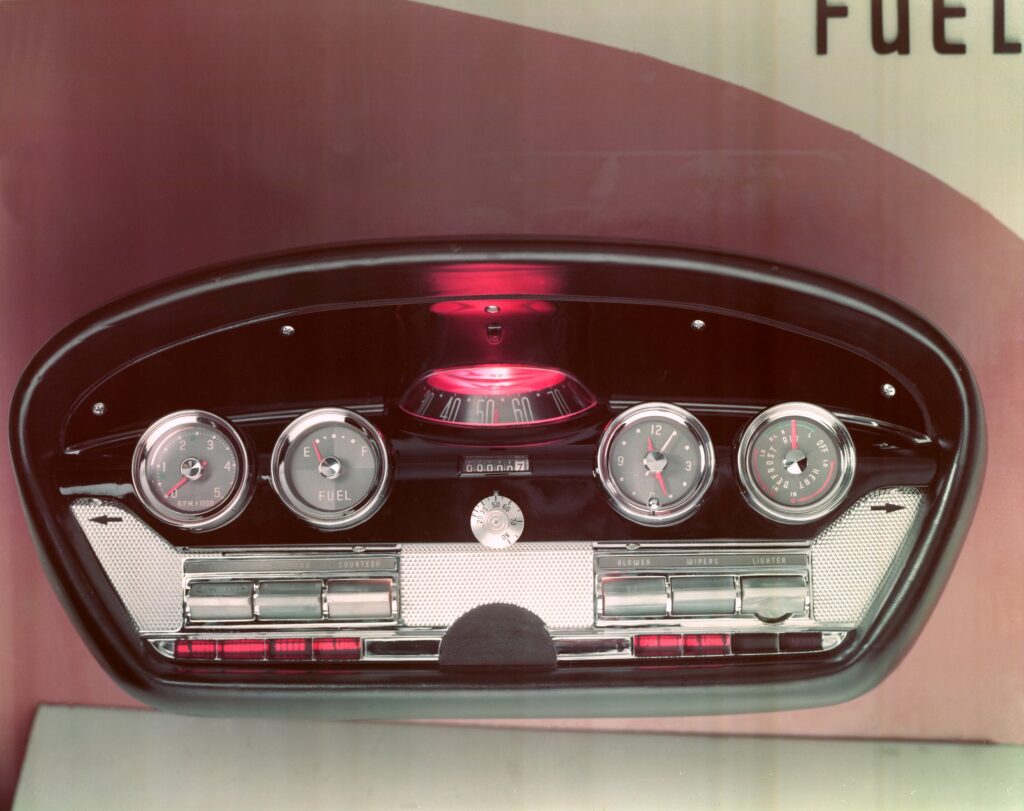
The Edsel would not become the “entirely new kind of car” for which Ford had high expectations, but it did debut some innovative features. According to the history provided by Wikipedia, the technology and design features included the rolling-dome speedometer; warning lights for such conditions as low oil level, parking brake engaged, and engine overheating; and the push-button Teletouch transmission shifting system in the center of the steering wheel (a conventional column-shift automatic was also available at a reduced price).
The rolling-dome speedometer. (Ford archives)
Other Edsel design innovations include ergonomically designed controls for the driver and self-adjusting brakes (which Ford claimed for Edsel as a first for the industry, even though Studebaker had pioneered them earlier in the decade). Edsels also offered such features, advanced for the time, as seat belts (which were available at extra cost as optional equipment on many other makes) and child-proof rear door locks that could be unlocked only with the key.
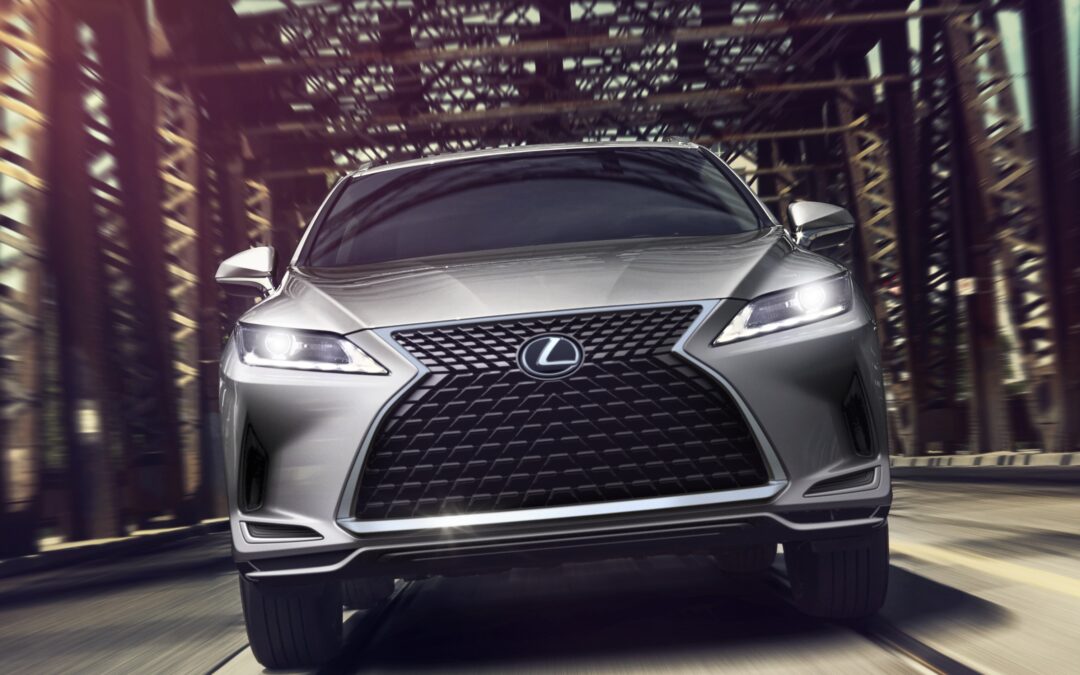
The RX is still a gold standard for luxury with all the VIP prestige and pleasures of Lexus ownership. (Lexus)
With some key improvements, the 2020 RX is a calm choice in the storm and fairly priced
The mouse is out and a touch pad is in among the changes for the 2020 Lexus RX, the founding member of the luxury SUV crossover league. When the RX debuted in 1998 it was the first of its kind with carlike comfort and SUV presence. It was a disruptor in what a car could be — and a benchmark that started the segment for luxury midsize car-based SUV crossovers.
Today, every maker has one and the segment is crowded with quality choices as the preferred body style over large sedans.
The Luxury package, $6,000, adds key features, including dynamic radar cruise control, power moonroof, heated and ventilated front seats, heated wood and leather steering wheel, Sapele laser cut wood with satin aluminum trim and semi-aniline leather upholstery. (Lexus)
The RX is now in its fourth generation, which debuted in 2015 as a 2016 model. With some key improvements, the 2020 RX is a calm choice in the storm and fairly priced.
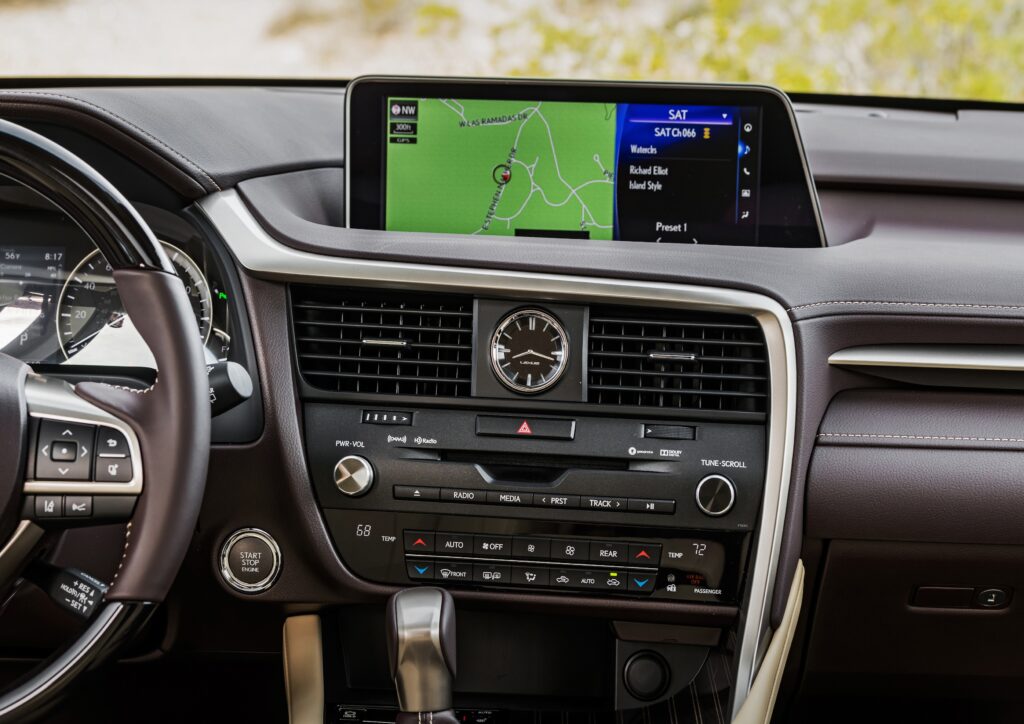
2020 UPDATES There were a few hardware and software enhancements for 2020, not the least of which were two more charging USB ports, now at six, and a new infotainment touch pad that replaces an overly sensitive joystick.
The 12.3-inch navigation screen with 15-speaker Mark Levinson audio system, $3,365, is well worth the cost. (Lexus)
More notable is the addition of the Lexus Safety System+ 2.0 as standard equipment. The advanced tech package, including a pre-collision system that adds daytime bicyclist detection and low-light pedestrian detection along with Road Sign Assist and Lane Tracing Assist.
Road Sign Assist displays certain road sign information in the instrument panel. Lane Tracing Assist works with the dynamic radar cruise control to read lane markings to steer the vehicle in the center of the lane. And when road markings are obscured or not detected, LTA can, in certain conditions, follow the vehicle ahead.
Replacing a darty joystick control device, the new touch pad is a much-simplified tool to access the various functions and features of the new 12.3-inch display. (Lexus)
Active corner braking was added to help prevent understeering with more front tire grip and handling stability.
Ride quality was addressed with new hollow front and rear stabilizer bars that are lighter but also thicker with reinforced bushings to trim body roll and improve steering response. The shock absorbers, too, were retuned for the stiffer roll bars and a new friction-control device helps reduce high-frequency vibrations.
The stiffer suspension reduces the noise and vibration from the road, the engineers say. The body was made stiffer by additional spot welds and industrial adhesive to join panels and sections.
Most appreciable to RX owners coming back for a new lease will be the new touch pad to much more easily access the big screen of cabin and infotainment controls. It replaces what was a touchy joystick and also makes the shift console less crowded. It just takes a fingertip on the pad to move from category to category.
The front seats are full-bodied and 12-way adjustable but some will find the seat bottom hard after a while on the road. (Mark Maynard)
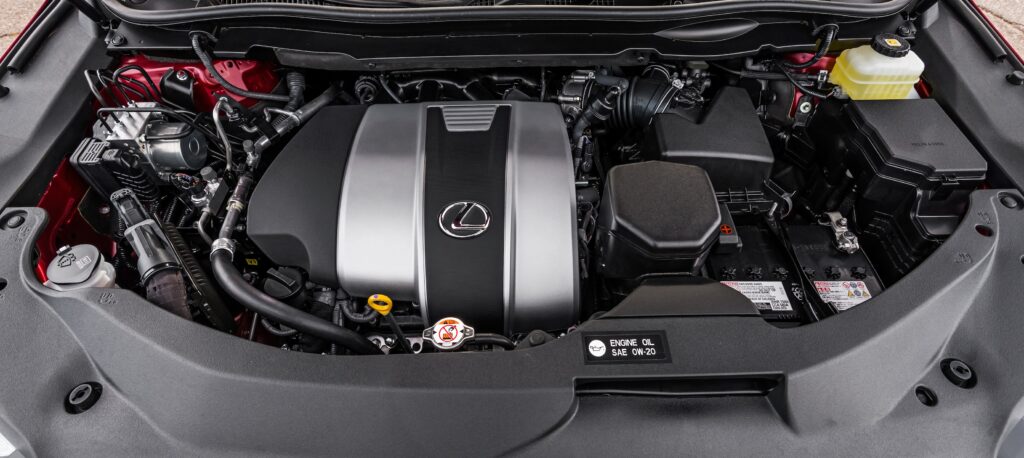
PRICING The RX is sold in gasoline and gasoline-electric powertrains in standard and long-wheelbase RXL body styles, in front- or all-wheel drive. Gas versions use a 290-horsepower port- and direct-injection 3.5-liter V-6 and eight-speed automatic transmission. The hybrid model is powered by a 3.5-liter V-6 with an electronically controlled continuously variable transmission working with two electric drive motor-generators, for a total 308 horsepower.
Standard models start at about $45,000 and long-wheelbase models at about $48,000. Hybrid pricing starts at about $48,000. F-Sport models, with an appearance package and performance suspension, start at $49,000 for gas or $51,000 for hybrid.
The 290-hp 3.5-liter V-6 is tuned for max mileage, until the foot goes down and the V-6 roars. Sport mode fills the gap between dutiful and screaming. (Lexus)
Today’s front-wheel-drive long-wheelbase RX 350L Luxury was $62,715 as tested, including the $6,000 Luxury package and the $1,025 freight charge from Fukuoka, Japan. Other options included the blind-spot monitor with intuitive parking assist, panoramic view monitor and rear-cross traffic braking for $1,865. The head-up display added $600 and triple-beam LED headlights with cornering lights, front turn signals and fog lights was $1,775. The 12.3-inch navigation system with Mark Levinson 15-speaker audio system, $3,365, is well worth the cost. And there was $90 for door-edge film (to guard against nicks), a cargo net and cargo mat, wheel locks and key glove for $315 and $380 for roof rack cross bars.
HYBRID The all-wheel-drive RX 450hL can be driven at low speeds for short distances on battery power from the 37-kWh nickel metal hydride hybrid battery. The on-demand all-wheel-drive system functions as front-drive until there is slippage, then the sensors direct power to the rear wheels. The battery system adds more than 450 pounds to the curb weight, but mileage ratings are strong at 29/28/29 mpg city/highway/combined.
Of Lexus’ five SUV models (ranging from the subcompact UX, compact NX, and truck-based GX and LX) the RX is the top seller, in the sweet spot of pricing, style and family function. (Lexus)
SAFE SELLING With concerns regarding the pandemic and lockdown, Lexus has various programs and procedures in place at the dealerships and in vehicle delivery. More information can be found at Lexus.com/PeopleFirst. And here is a brief story with some specific dealer examples, Support.
“We are continuing to share updates directly to guests as restrictions vary by state and city,” a Lexus representative wrote in an email. “Please check back to the Lexus consumer website linked above as it will continue to serve as a main hub for this type of information.”
DRIVABILITY I have driven several generations of RX over the years and the 2020 model is the quietest and feels the most solid and robust. But remove the roof-rack crossbars for an even quieter highway ride.
The suspension is softer now and more comfortable, rolling quietly as if on carpet. The laminated windshield adds to cabin calmness and the 20-inch, all-season Michelin Premier LTX tires (235/55) were quiet rolling, or it was the suspension and cabin soundproofing that shut out any road harshness.
The 6- or 7-seat RXL was stretched 4.3 inches to create space for a third row. (Lexus)
Braking is confident from four-wheel ventilated discs, 12.9 inches front, 13.3 inches rear. The turning circle of 38.7 feet is about a half-foot wider than the standard RX, but more manageable than some crossovers and sedans.
With a curb weight of 4,442 pounds, the 290-hp 3.5-liter V-6 engine is necessary, but it is down 5 hp from the standard RX due to a difference in exhaust routing. The performance is tuned for max mileage, until the foot goes down and the V-6 roars. Sport mode fills the gap between sluggish and screaming.
Fuel-economy ratings are 19 mpg city, 26 highway and 22 mpg combined. Premium fuel is recommended for peak performance, but 87 octane is acceptable. I was averaging 21.1 mpg in a week of driving, and the large, 19.2-gallon tank gives a wide cruising range.
The second row has a flat floor and seats with fore-aft slide and recline. (Mark Maynard)
CABIN The interior design is tastefully luxurious with Lexus-ized overlays of soft materials, satin metal trim and tender leather. The tester’s semi-aniline black leather, neatly stitched with perforated center sections, is as impressive as a hand-crafted attaché briefcase.
The front seat area is roomy, with good headroom of 38.7 inches, with the moonroof. Driver sightlines are not compromised at the windshield pillars.
The shifter console is a bank of controls, including a drive-mode dial, modules for seat heating and ventilation, an electric parking brake and a pair of cup holders, which have an ingenious two-step mode for taller bottles. There is a new slot to prop a phone, a pair of 2.1-amp charging USBS and a 12-volt plug. Wireless charging is a $75 option.
Inside the console is another 12-volt plug and a second set of charging USBs.
There is a large, locking glove box, sliding visors with lighted mirrors, and door storage with a bottle holder.
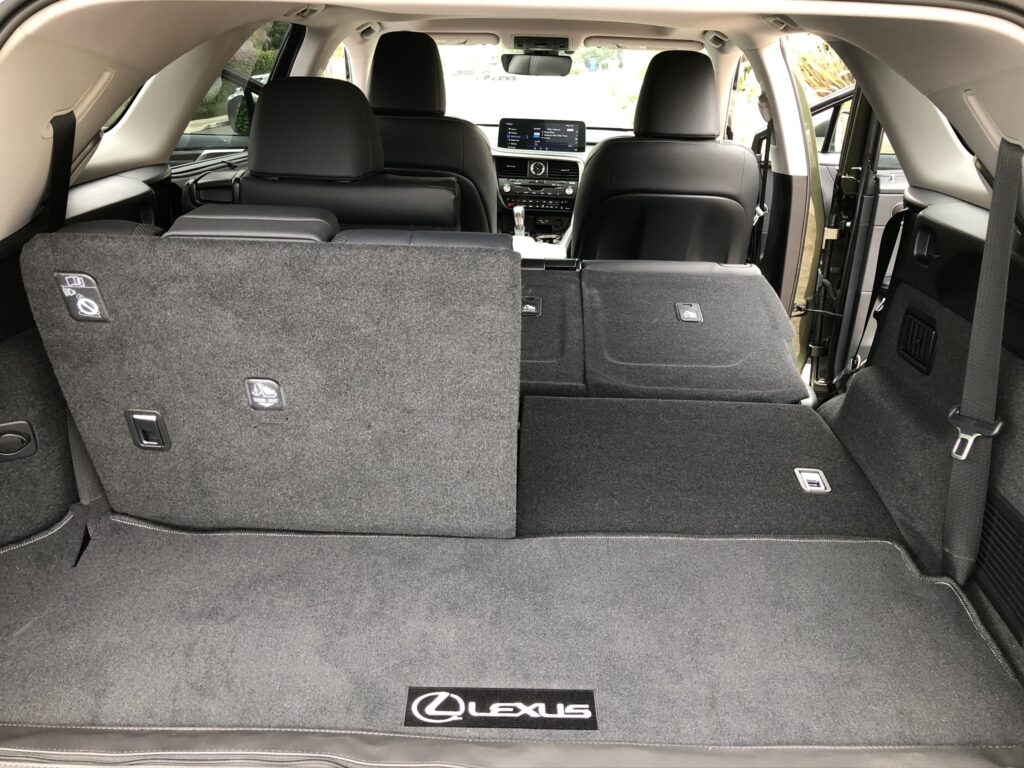
Cargo space has a wide opening of 45 inches but space behind the third row is limited at about 6 cubic feet, but it is ideal for corralling grocery bags. The roller cover can be stored in its own underfloor space when using the third row. (Mark Maynard)
BACK SEATS The second row has a flat floor and captain’s chairs with fore-aft slide and recline. The seats (or a 60/40 bench) will tip and slide for third-row entry or fold to extend cargo length. But moving back the seat can obliterate third-row legroom and moving it forward will cramp second-row comfort. The seats are short on adult thigh support but supportive — and the leather and stitching look fantastic, but there are no electronic controls for temperature or fan speed. The fold-down armrest houses two 2.1-amp charging USBs and two can holders.
The third row has a scant 23.5 inches of legroom, but the space has fan and vent controls. The power folding pair of seats is a slow-motion engineering masterpiece to watch as the seats (one at a time) fold, articulate and ease into a flat load floor.
Cargo space has a wide opening of 45 inches but space behind the third row is limited at about 6.2 cubic feet, which is ideal for corralling grocery bags, and there also is basement storage for the roller cover. Fold the third row and the hauling space is much more functional at 23 cu. ft. and about 42½ inches deep. Or fold both rows for about 6 ½ feet of board-hauling length.
While newer competitors have loaded their big guns to blast their place in the segment, Lexus has made incremental improvements consistently to the RX since its launch. But change happens slowly at Toyota Motor, the parent of the Lexus division. The company’s engineering philosophy is to “do it right the first time,” and let it ride for five to seven years.
From its first generation, the RX has stood out for its polarizing exterior design. Love it or hate it, the RX is still a gold standard for luxury with all the VIP prestige and pleasures of Lexus ownership.
The front-wheel-drive RX 350L tester was $62,715, including the $6,000 Luxury package and the $1,025 freight charge from Fukuoka, Japan. (Lexus)
2020 Lexus RX 350L FWD Body style: midsize, 6-7 seat SUV crossover in front- or all-wheel drive; aluminum hood and tailgate Engine: 290-hp, port and direct injection 3.5-liter V-6; 263 lb.-ft. torque at 4,700 rpm Transmission: 8-speed automatic 0-60 mph: 7.9 seconds Fuel economy: 19/26/22 mpg city/hwy/combined; premium fuel recommended for peak power
SPECIFICATIONS Fuel tank: 19.2 gal. Cargo space (floor to roof): 6.2 to 23 cu. ft. Front head/leg room: 38.7*/41.4 in. *39.8 without moonroof 2nd row head/leg room: 37.9*/30.9 in. *38.5 3rd row head/leg room: 34.8/23.5 in. Length/wheelbase: 196.9/109.8 in. Curb weight: 4,442 lbs. Turning circle: 38.8 ft.
FEATURES Luxury package equipment includes: keyless entry with push-button ignition, dynamic radar cruise control, power moonroof, heated-ventilated front seats, heated wood and leather steering wheel, Sapele laser cut wood with satin aluminum trim, semi-aniline leather upholstery and interior trim, LED lighted front door sills, manual rear-door sunshades, and power fold third-row seats, reclining-sliding second-row seats, 20-inch alloy wheels, automatic high-beam control Safety features include: 10 air bags, brake assist, Safety System 2.0 features of lane-tracing assist, road-sign assist, pre-collision system with pedestrian detection, lane-departure alert with steering assist
PRICING Base price: $54,325, including $1,025 freight charge; price as tested $62,715 Options on test vehicle: blind-spot monitor with intuitive parking assist, panoramic view monitor and rear-cross traffic braking $1,865; color head-up display $600; triple-beam LED headlights, cornering lights, front turn signals and fog lights $1,775; 12.3-inch navigation system with Mark Levinson 15-speaker audio system $3,365. door-edge film $90; cargo net, cargo mat, wheel locks and key glove $315; roof rack cross bars $380 Where assembled: Fukuoka, Japan Warranty: 4-years/60,000-miles bumper to bump with roadside assistance, free first and second scheduled maintenance services and a lodging for emergency breakdowns 100 miles from home; 5-years/70,000-miles powertrain
While many new-vehicle introductions are being delayed amid COVID-19 restrictions (including Corvette and Mustang Mach-E), GMC postponed the debut of its electric Hummer and Lincoln pulled the plug on a partnership with Rivian to develop a luxury electric pickup.
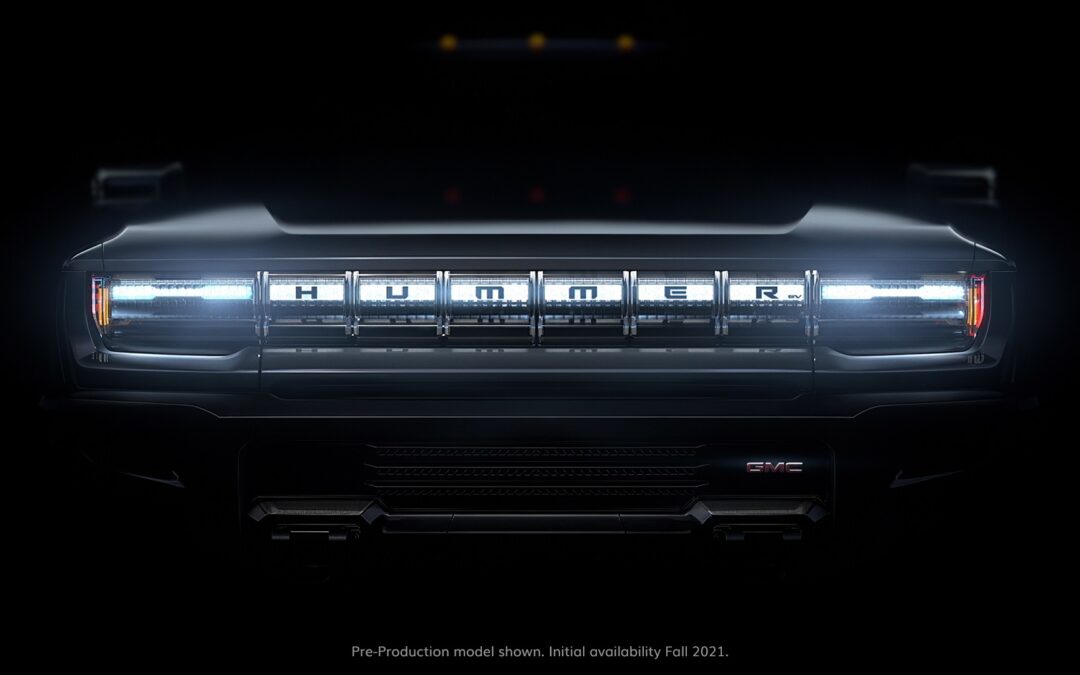
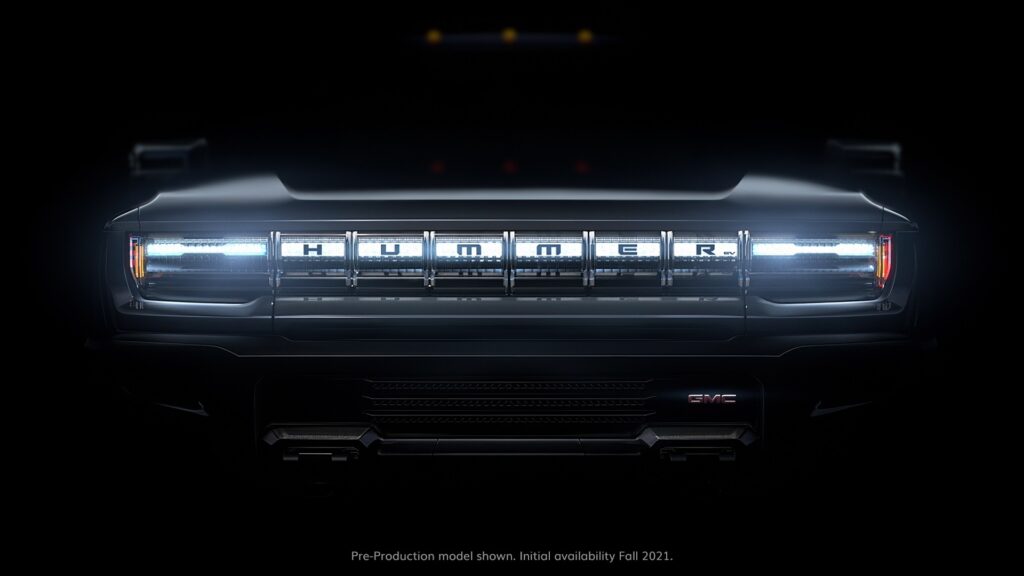
GMC announced today (April 29) that its Hummer EV reveal will be postponed from a May 20 dealer meeting in Las Vegas. In a release, GMC wrote: “While we cannot wait to show the GMC HUMMER EV to the world, we will reschedule the May 20 reveal date. In the meantime, the team’s development work continues on track and undeterred. We invite all to stay tuned for more stories on this super truck’s incredible capability leading up to its official debut. More information is available at www.gmc.com/HummerEV.
According to a report by Richard Truett in Automotive News, a spokesman said GM will look at all options, including a virtual event, when it reschedules the reveal “as the pandemic continues to affect all parts of business.”
“GM plans to build the Hummer at its Detroit-Hamtramck Assembly plant, which was being retooled to become GM’s EV manufacturing hub. Construction has been put on hold to comply with Michigan’s stay-at-home order. It’s unclear when the project will resume, but Michigan’s governor is planning to allow construction activities to resume in the state May 7.
“With GM’s designers and engineers unable to go to work at GM’s Tech Center in Warren, Mich., most development work has stopped. But GM says the Hummer pickup will go on sale in late 2021 as planned.”
Lincoln cancels Rivian EV partnership
And worse, Lincoln sent out a release on Tuesday, April 28 that it has shelved plans to develop an electric pickup with Rivian.
In the release, Lincoln said: “Given the current environment, Lincoln and Rivian have decided not to pursue the development of a fully electric vehicle based on Rivian’s skateboard platform. Ford Motor Company’s strategic commitment to Lincoln, Rivian and electrification remains unchanged and Lincoln’s future plans will include an all-electric vehicle consistent with its Quiet Flight DNA.”
According to a report by Michael Martinez in Automotive News: “Lincoln said it was still committed to its partnership with Rivian and would continue to work with the EV startup ‘on an alternative vehicle based on Rivian’s skateboard platform.’
“Ford Motor invested $500 million in Rivian last year.”
It was Jan. 29, 2020, when Lincoln shared news of the Rivian partnership to develop an all-new electric vehicle previously announced as part of Ford Motor Co.’s original investment in Rivian.
“Lincoln’s first fully electric vehicle will join the Aviator and Corsair Grand Touring plug-in hybrid vehicles, further solidifying Lincoln’s commitment to electrification,” Joy Falotico, president, The Lincoln Motor Co., said in the statement. “The zero-emissions vehicle will feature connected and intuitive technologies designed to create an effortless experience for Lincoln clients.
“Working with Rivian marks a pivotal point for Lincoln as we move toward a future that includes fully electric vehicles,” said Falotico. “This vehicle will take Quiet Flight to a new place – zero emissions, effortless performance and connected and intuitive technology. It’s going to be stunning.”
The Lincoln battery electric vehicle was to be built off of Rivian’s flexible skateboard platform. It was part of Ford’s previously announced investment of more than $11.5 billion into electrification, which includes the Mustang Mach-E and a fully electric version of the best-selling F-150 pickup.
“Our vehicle development partnership with Ford is an exciting opportunity to pair our technology with Lincoln’s vision for innovation and refinement. We are proud to collaborate on Lincoln’s first fully electric vehicle,” said Rivian CEO RJ Scaringe.
The compact-class Corsair is sold in Standard and Reserve models with starting prices of $37,000-$50,000. (Lincoln)
There cannot be two fraternal twin compact SUV crossovers that are so dramatically different than the Ford Escape and Lincoln Corsair, today’s tester. Both models
have been redesigned for 2020 and both are far more competitive than their predecessors.
But while the more utilitarian Ford doesn’t stretch any expectations, the Lincoln
does.
The Corsair has
the power, the presence and the appearance of a hand-crafted interior to slice
into the luxury competition. But its biggest nick in the blade is a high price.
As Lincoln’s
smallest SUV, the Corsair replaces the MKC and joins the midsize Nautilus,
three-row Aviator and big Navigator, all recently redesigned and renamed.
There is engaging and restrained use of chrome, piano black and metallic trim elements — and no burl walnut. (Lincoln)
The luxury competitors are many, including the Acura RDX, Alfa Romeo Stelvio, Audi Q5, BMW X3, Cadillac XT4, Lexus NX and Mercedes-Benz GLC.
The Corsair is sold
in Standard and Reserve models with a choice two turbocharged and direct
injected four-cylinder engines and an eight-speed automatic transmission. (A Grand Touring plug-in hybrid, with an estimated
25 miles of battery driving, goes on sale this summer.)
Headroom is functional at 38.7 inches with the panoramic vista roof and maximum legroom is long at 42.3 inches. (Lincoln)
The Standard front-wheel
drive model is only offered with the 250-horsepower, 2.0-liter engine and can
be optioned with automatic all-wheel drive for $2,200. Pricing starts at $36,940,
including the $995 freight charge from Louisville, Ky.
The Reserve, standard with AWD and the 2.0-liter engine, can upgraded to the 295-hp, 2.3-liter four-cylinder. Pricing starts at $43,625 with 2.0-liter engine or $50,365 with the 2.3-liter, which includes the Reserve 1 technology package of Co-Pilot360 Plus package and the Elements package (including ventilated front seats, heated back seats, heated steering wheel). Co-Pilot360 Plus package includes adaptive cruise control with traffic-jam assist (and lane centering, speed sign recognition and stop-and-go), 360-degree camera (with front camera washer), front sensing system, evasive steering assist, reverse brake assist and active park assist plus.
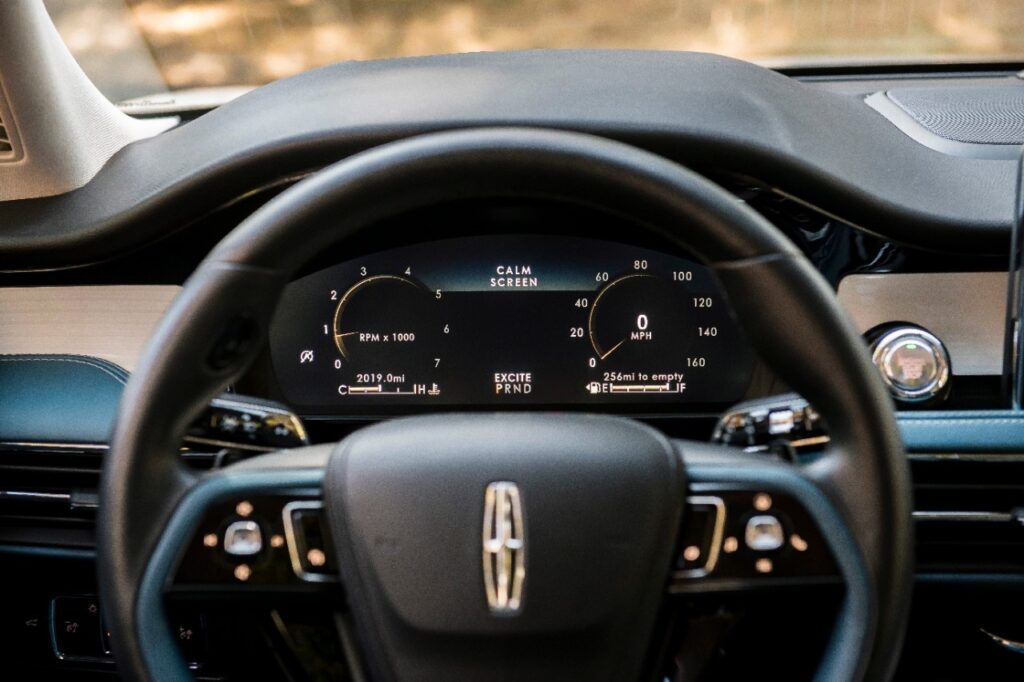
Five performance modes are named with Lincoln’s euphemistic enthusiasm of Normal, Excite, Slippery, Deep Conditions and Conserve. (Lincoln)
A sweet perk is
4 years and 50,000 miles of warranty coverage with pickup and delivery
for service.
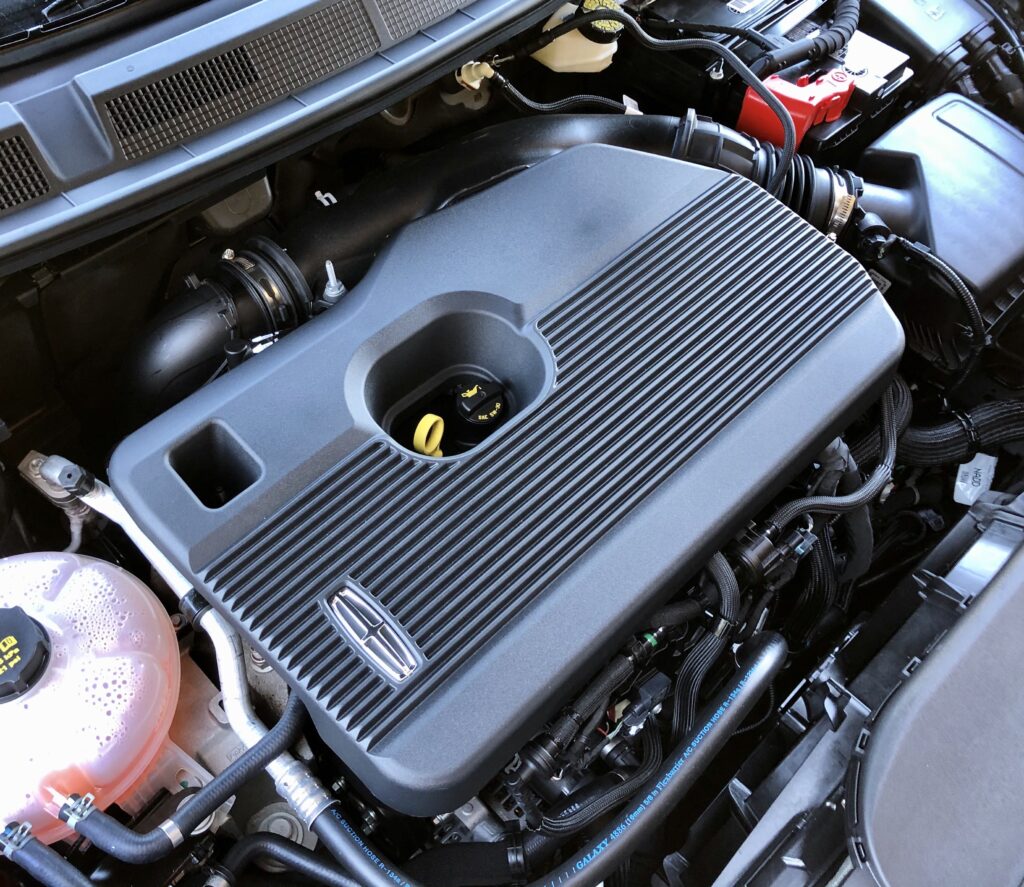
POWER I appreciated the ready power of the 2.3-liter four-cylinder. It easily motivates the curb weight of 3,851 pounds, from takeoff to guarding your space in the commute.
Fuel economy might
be hopeful at 21 mpg city, 28 highway and 24 mpg combined, on 87 octane. I
could only achieve the low- to mid-20s in a week of testing, but I don’t expect
owners will have regrets because the Corsair makes up for mileage in other
areas.
The 2.0 engine doesn’t offer much mileage incentive, with front-drive ratings of 22/29/25 mpg combined with AWD at 21/29/24 mpg.
The 2.3-liter turbocharged four-cylinder easily motivates the curb weight of 3,851 pounds, from takeoff to guarding your space in the commute. (Mark Maynard)
The eight-speed
automatic can at times feel unsteady in rolling out shifts, mostly at light or moderate
acceleration. And some of that might be in providing the varied performance in the
five drive modes, named with Lincoln’s euphemistic enthusiasm of Normal,
Excite, Slippery, Deep Conditions and Conserve.
I preferred the Normal setting because Excite was just a little too jerky unless driving hard; it increases pedal response and stiffens the suspension for handling and control.
The adaptive
air suspension provides competitive cornering. And city driving is quite civil,
without much head toss as the air springs dip to comfortably transition speed
bumps and steep driveways.
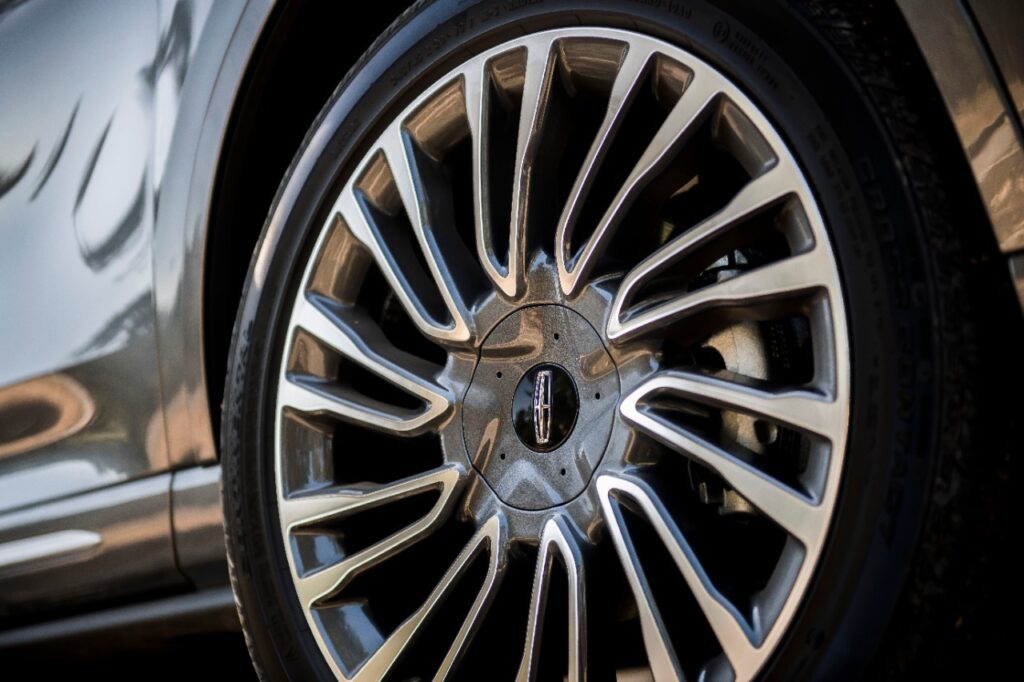
20-inch ultra-bright machined aluminum wheels are $1,150 upgrade. (Lincoln)
The CoPilot360 Plus system for semi-autonomous driving provides precision lane centering and was not prone to random cancelling due to sunlight glare or road-marking conditions. The other driver-assist and warning systems worked subtly and without frightening alerts to potential danger.
Braking is confident from 12.1-inch vented front discs and 11.9-inch solid rear discs.
TThe automatic all-wheel-drive system requires no driver input and with a disconnect feature, switches automatically from front- to all-wheel drive in response to road, speed, temperature and other conditions.
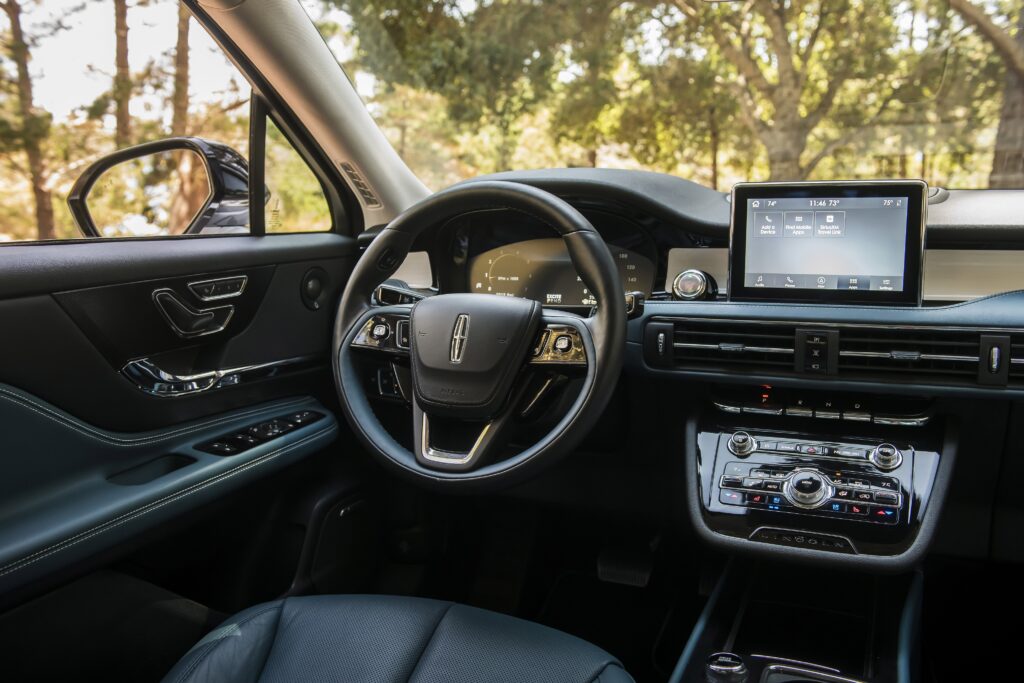
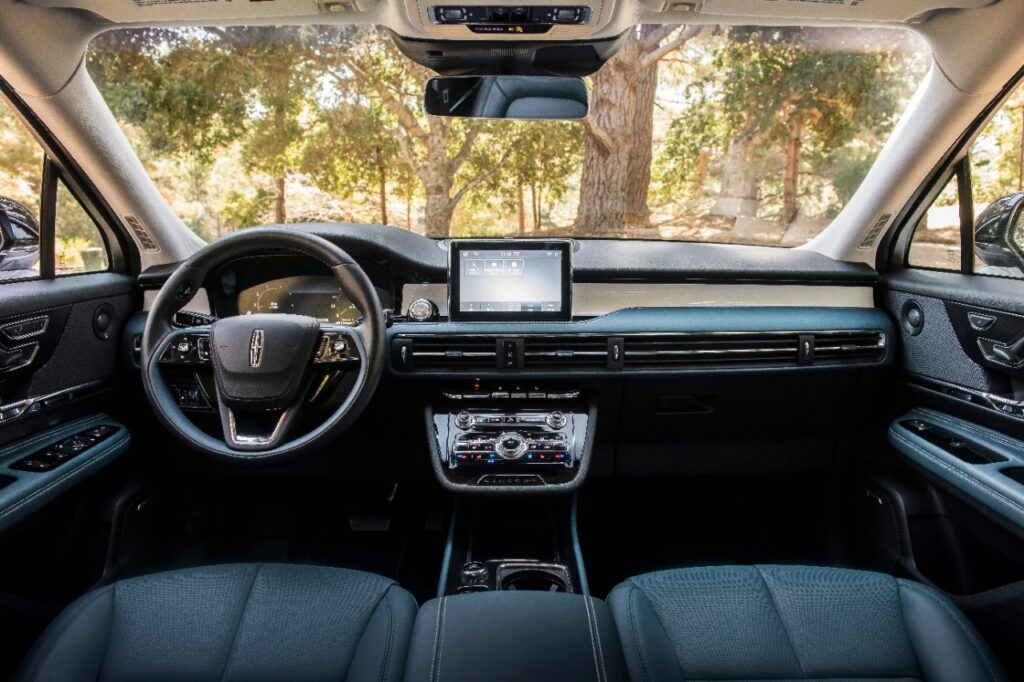
CABIN Lincoln tried to build a sanctuary in the cabin, and succeeded. There is engaging and restrained use of chrome, piano black and metallic trim elements — and no burl walnut. There is a reassuring feel of quality to the action of switches, door closings and the Bridge of Weir leather-trimmed upholstery.
With laminated windshield and side glass, dual-wall dashboard, acoustic underbody panels, wheel-arch liners and a noise-cancelling audio function, the cabin is not vault-like quiet, but the decibel count is luxury class whether driving 35 or 65 mph. Even tire noise or harshness from the 20-inch Continental Cross Contact tires was not objectionable.
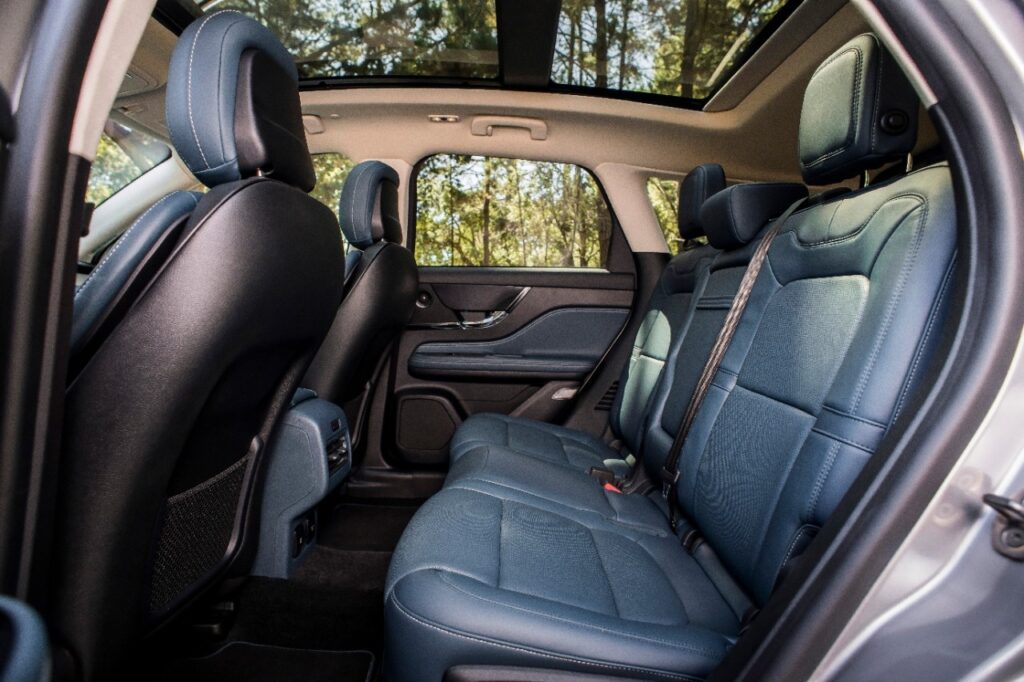
The back seat is reasonably comfortable for adults, but with the benefit of about 6 inches of fore-aft slide and seatback recline. (Lincoln)
As a compact-class vehicle, Lincoln has carved out comfortable interior space. Headroom is functional at 38.7 inches with the panoramic vista roof and maximum legroom is long at 42.3 inches. Sightlines are not compromised, though the rear glass is narrow. The tester’s optional 360-degree view camera is helpful in being able to see how badly centered you are in a parking slot or how close you parked to the garage door.
The array of driver
controls and an 8-inch touch screen display are not as difficult to master as
might seem at first view. And the 24-way Perfect Position seats should adjust for
most sizes, but the upper side bolsters might cramp large bodies.
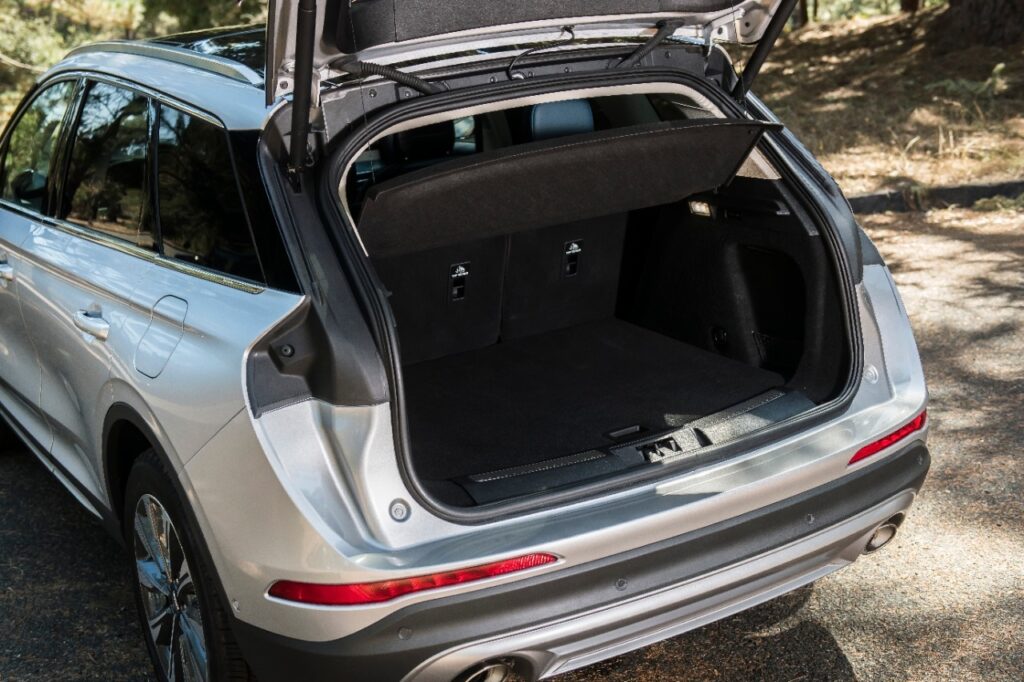
The cargo space is squared off with a wide opening of 43 inches and 33 inches to the seatback. Fold the 60/40 seats for about 5 1/2 feet of length. (Lincoln)
There seem to be no overlooked conveniences, including headlights that turn with the steering wheel, wireless charging, four USBs, keyless locking and push-button ignition, 14-speaker Revel audio system, 4G Wi-Fi, infotainment apps and approach and departure lighting (including the Lincoln logo beamed downward at the side mirrors).
Safety features
include eight air bags, blind-spot detection and precollision assist with
automatic emergency braking.
Another Lincoln signature (gimmick) are six symphonic chimes — replacing standard electronic alerts — for everything from an open fuel door to an unbuckled seat belt. The chimes, recorded by the Detroit Symphony Orchestra, add another layer to the calming soundscape of the cabin, Lincoln says.
BACK SEAT AND CARGO The back seat is reasonably comfortable for adults, but with the benefit of about 6 inches of fore-aft slide and seatback recline. The window seats are heated and he lowish transmission tunnel helps center position footroom. There are two USBs for charging and a 110-volt plug with wimpy 100-watt power.
The cargo space is squared off with a wide opening of 43 inches and 33 inches to the seatback. Fold the 60/40 seats for about 5 1/2 feet of length. Total space ranges from 27.6 cubic feet (packed to the ceiling) to 57.6 cu. ft. with seats folded.
The Corsair is
surprisingly well done throughout — and it needed to be. As a bellwether for
the brand, it will attract a new level of buyers seeking midprice luxury.
At $60,000
as-tested, buyers won’t like the price, but they will like their Corsair.
A sweet perk of ownership is 4 years and 50,000 miles of warranty coverage with pickup and delivery for service. (Lincoln)
2020 Lincoln Corsair AWD Reserve Body style: compact, 5-seat, 5-door SUV crossover with AWD Engine: 295-hp, turbocharged and direct-injection 2.3-liter 4-cylinder; 310 lb.-ft. torque at 3,000 rpm Transmission: 8-speed automatic Fuel economy: 21/28/24 mpg city/hwy/combined; 87 octane
SPECIFICATIONS Fuel tank: 16.2 gal. Cargo space: 27.6 to 57.6 cu. ft. Front head/leg room: 38.7*/43.2 in. *w/panoramic roof Rear head/leg room: 38.7/38.6 in. Length/wheelbase: 180.6/106.7 in. Curb weight: 3,851 lbs. Turning circle: 37.1 ft.
FEATURES Standard equipment includes: smart-key entry and push-button ignition, Lincoln Co-Pilot360 driver-assist technologies, Bridge of Weir leather-trimmed upholstery, 24-way power adjustable front seats, electric parking brake, rearview camera, panoramic vista roof, heated and foldable side mirrors, LED headlights-taillights-fog-running lights, 8-inch touch screen for infotainment and navigation, heated front seats, active noise control with laminated windshield and side door glass, front and rear floor mats, Lincoln Connect and Lincoln Way App, illuminated door-sill plates, power steering column, hands-free liftgate, 19-inch wheels and all-season Continental tires, approach and exit lighting
Safety features include: 8 air bags, blind-spot detection, precollision assist with automatic emergency braking, roll-stability control
PRICING Base price: $50,365, including $995 freight charge; price as tested $59,660 Options on test vehicle: Flight Blue paint $695; 20-inch wheels and 245/45 all-season tires $1,150; head-up display $1,700; Equipment group Reserve II $11,540 (including Co-Pilot360 Plus, Perfect Position 24-way power seats, adaptive suspension Where assembled: Louisville, Ky. Warranty: 4-years/50,000-miles bumper to bumper including pickup and delivery for service; 6-years/70,000-miles powertrain
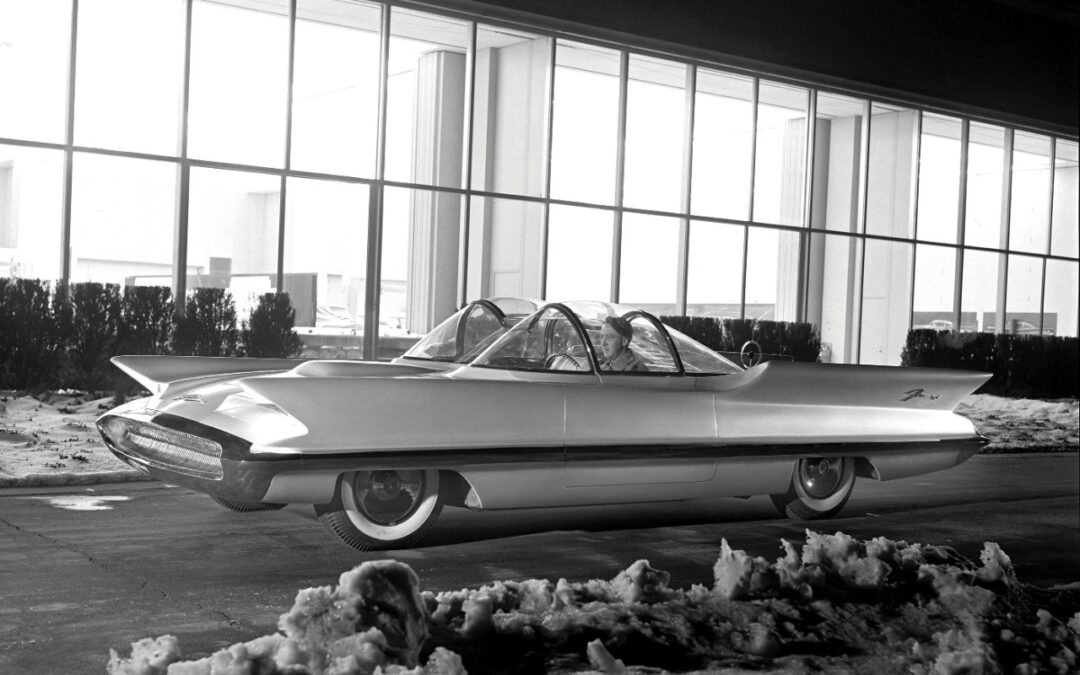
Ford gained a whole new sheen in 1955 when the company coated the Futura concept car with pearlescent paint. Ford was among the first to show off this new paint technique, which consisted of adding crushed pearls to paint.
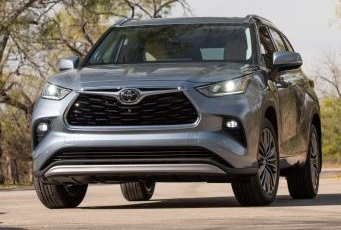
The fourth-generation 2020 Toyota Highlander is a revitalized expression of family care, wrapped in an armor of advanced safety systems. The redesigned midsize SUV — now built on the Toyota New Global Architecture — represents hundreds of thousands of Highlanders that have been sold since its 2001 debut in the U.S.
It is currently Toyota’s second-best-selling SUV. It follows the compact-class RAV4 but is ahead of the 4Runner, subcompact C-HR, Sequoia and Land Cruiser.
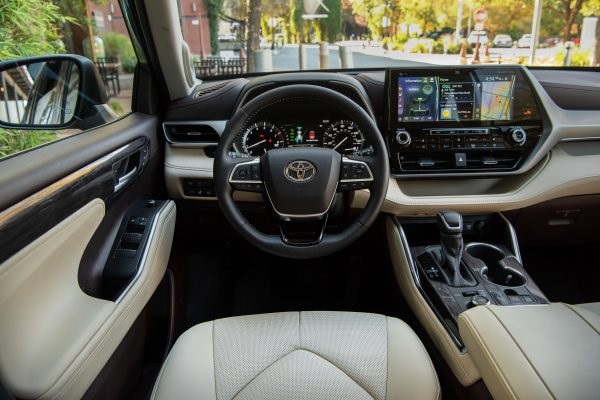
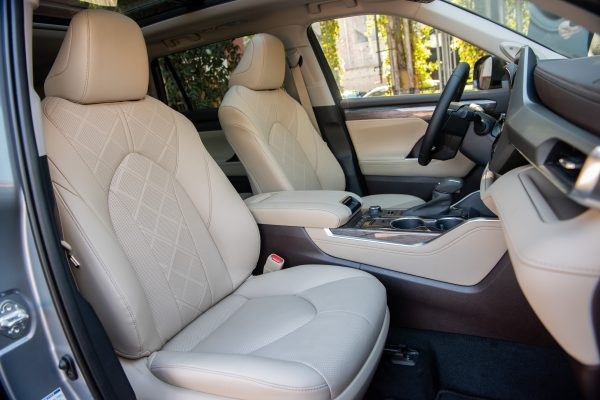
The driver area is smartly arranged with eyes-on-the-road ergonomics.
Exterior design
Much care went into redesigning the 2020 Toyota Highlander. It is an all-new construction, except for the carryover V-6 engine. The “bold and chiseled” design language is evolutionary but with substantial presence. It is defined by an aggressive face, boomerang angles and character bulges.
The new model is about the same size as before but 2.36 inches longer. The length went to the cargo area, which was requested by owners. The expanded capacity is also more competitive with other three-row SUV crossovers, such as the Kia Telluride. The second row now slides an extra 1.2 inches farther to give more legroom to the third row or to stretch cargo space.
But the Highlander’s more premium presentation inside will be most appreciated to the loyalists.
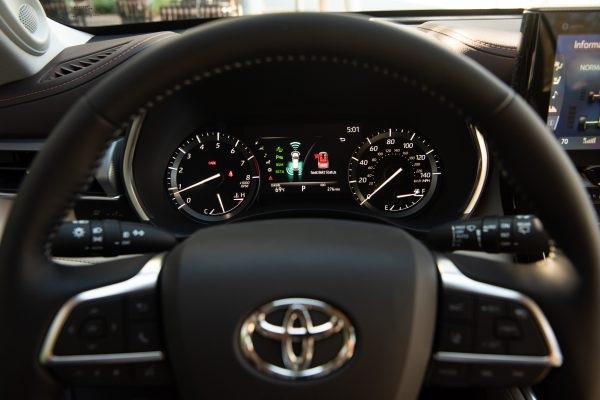
The center 7-inch driver information display.
Pricing
Highlander is again available in gasoline or gasoline-electric hybrid models in front or all-wheel drive. Three rows of seating can be configured for seven or eight. Second-row captain’s chairs or a three-position bench are no-cost options.
Sold in five trim levels, including the new base L, starting prices range from $35,720 with front-drive to $49,920 AWD. Pricing includes the $1,120 freight charge from Princeton, Ind.
The Toyota Highlander Hybrid is just $1,400 more than the gas version (depending on the model). The Hybrid is sold in four trim levels of front- or AWD with starting prices of $39,745-$51,745.
All trim levels are socially connected with Apple CarPlay, Android Auto, Amazon’s Alexa, Waze (driving directions), satellite radio and a Wi-Fi hot spot.
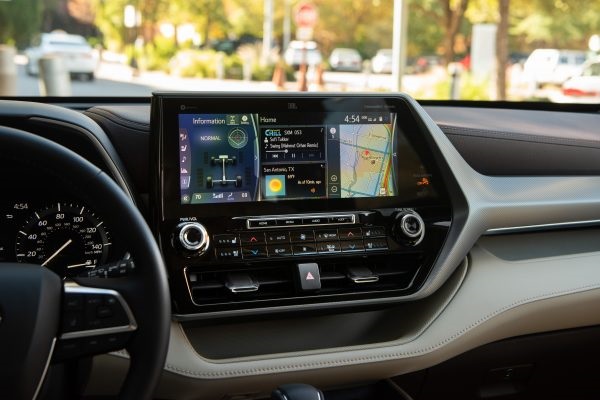
The Highlander Platinum’s 12.3-inch-wide infotainment screen is easy to read in all lighting conditions.
This is a big cabin with elbow and shoulder room.
Today’s tester is a Platinum AWD with second-row captain’s chairs that was $51,112 with three options: the new Moon Dust (ice blue) metallic paint ($415), carpeted floor mats and cargo mat ($318) and roof rack crossbars ($350) and universal table holder ($99).
Powertrains
Gasoline Highlanders use a 295-horsepower 3.5-liter V-6 with eight-speed automatic transmission.
The hybrid model is powered by a 2.5-liter direct-injection Atkinson-cycle four-cylinder. It has a total power rating of 243-hp combined with the electric motors and engine. Peak torque is 175 foot-pounds at 4,400 rpm.
The Platinum will be the empty-nesters’ escape with its elevated luxury treatment in presence and technologies. It is a best-of collection with the new 12.3-inch touch-screen infotainment display (8-inches on the other models), a 1,200-watt, 11-speaker JBL sound system and laminated front side window glass for soundproofing. The leather upholstery, perforated and neatly stitched, appears to be sourced from Lexus (Toyota’s luxury brand).
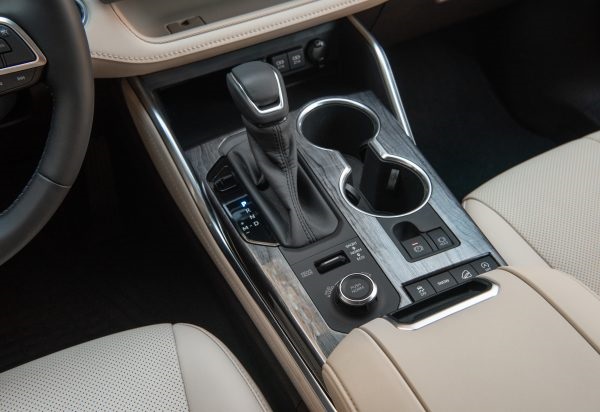
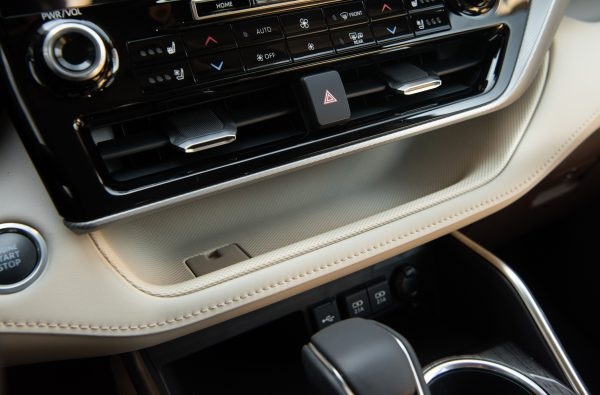
The shifter console packages an e-bin with two 2.1-amp charging USBs and there’s a tray above to lay a phone, with a small cutout (seen below) to route a charging cable.
While $51,000 is not unreasonable for what Toyota delivers, the midrange XLE is $10K less. With one package for premium audio, $1,400 and carpeted floor mats, the MSRP would be $42,078 and the hybrid equivalent would be $45,078.
Unfortunately, the front passenger has just four-way power adjustment, leaving some occupants feeling low in the hole.
2021 XSE model
And later this year Toyota will debut the sportier XSE. It injects some life into the drive with higher-rate springs and a rear stabilizer bar, and the shock absorbers and electric power steering have been tuned for quicker response.
The upcoming 2021 Highlander XSE will be priced between the XLE ($39,600) and Limited ($43,650) models.
The front fascia, grille and lower spoiler are exclusive to the XSE to give it a more aggressive stance. The headlamps have black accents and light-strip DRLs. And inside, are black Softex (synthetic leather) seats with fabric inserts, but a two-tone red and black leather-trimmed interior with red-stitched instrument panel is optional.
A sexy two-tone red and black leather-trimmed interior with red-stitched instrument panel will be available for the XSE.
Safety features
All models now include Toyota Safety Sense 2.0 system with:
•Pre-collision system with pedestrian detection; •Full-speed-range dynamic radar cruise control; •Lane-departure alert with steering assist; •Automatic high beam control; •Lane-tracing assist; •Road sign assist and cyclist detection.
Other standard safety features include eight air bags, blind-spot monitor with rear cross-traffic alert, hill-start assist and downhill assist.
The 295-hp 3.5-liter V-6 has AWD fuel-mileage ratings of 20/27/23 mpg on the recommended 87 octane fuel.
Performance
I appreciated the V-6 in the 4,450-pound Platinum, but its peak pulling power (torque) of 263 foot-pounds is high in the power band at 4,700 rpm. Its force will be out of reach to most drivers on the daily commute. The eight-speed automatic is dutiful in performance, but Sport mode sharpens the response time. The power is measured but it’s there when needed.
Fuel economy is the bigger benefactor. The AWD model has mileage ratings of 20/27/23 mpg or just a tick better with front-drive at 21/29/24, on the recommended 87 octane. My best was 23.4 mpg combined city/highway.
The hybrid has impressive mileage ratings of 36/35/36 mpg for front-drive or 35/35/35 mpg with AWD. The range dips to 35/34/35 for the heavier Limited and Platinum models, also on 87 octane. I have not tested the hybrid, but performance through the eCVT (continuously variable) transmission should have the benefit of more immediate thrust from the electric motor.
20-inch Bridgestone Alenza all-season tires.
Ride and handling
The Highlander drives more as a car than an SUV crossover. Its comfortable step-in height has no obstruction from sporty seat bolsters. Driver sightlines are unobstructed and the turning circle is a parking savior at 37.4 feet, the same as the base-model Camry.
Power-assisted four-wheel discs brakes are ready for towing with 13.3-inch vented rotors front and solid 13.3-inch rotors rear.
Captain’s chairs or a second-row bench are no-cost options.
It is a comfortable ride, tuned for mainstream-America comfort, capably blunting the impact of potholes and busted pavement. When pushed hard, it responds as a big, comfy sedan.
The enhanced soundproofing (with the Platinum’s laminated front and side glass) creates a quiet cabin. The 20-inch Bridgestone Alenza all-season tires have a tall sidewall for a cushioned ride quality and protection from curb rash to the wheels when parking. The Alenza’s were quieter on the highway than I anticipated for a somewhat hard tire with a 65,000-mile warranty and a 500 treadwear rating.
Driver-assist system
Dynamic radar cruise control with driver-assist steering and braking technologies does a good job of centering the vehicle in the lane. But it let the Highlander drift over the white lines or Botts dots and then gave me a warning for the transgression.
These systems seem to be easily confused with varying light and road-surface conditions. Always use these driver-assist systems with both hands on the wheel.
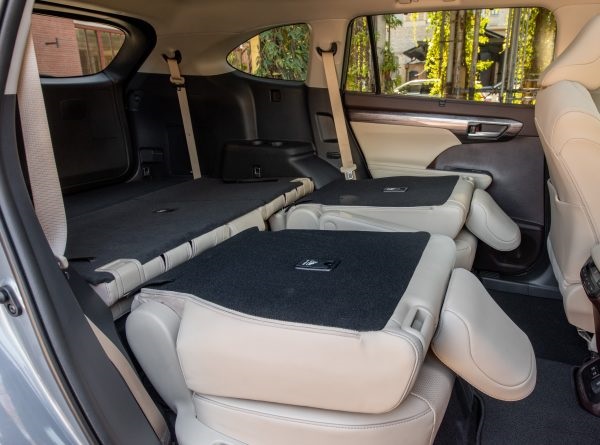
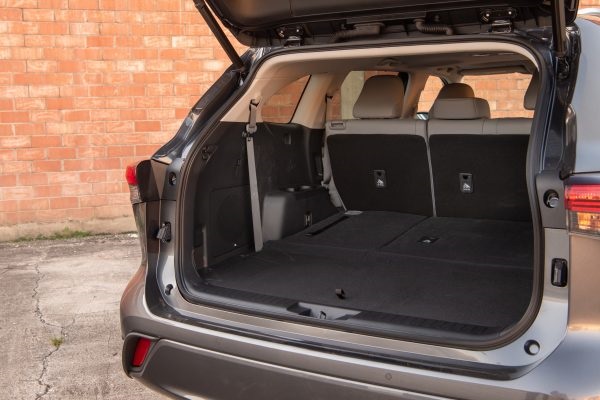
Fold both rows for up to 7 feet of length.
Fold both rows for up to 7 feet of length.
Interior
This is a big cabin with elbow and shoulder room. There is plenty of space to ergonomically place screens, switches and areas for small-item storage.
The driver area is smartly arranged for multitasking. The Platinum’s 12.3-inch-wide infotainment screen is a billboard of information but not prone to glare. The big screen has two to three panels for such information as car settings, music or navigation. And there are knobs for audio volume and tuning. There also is a tier of switches for temperature, fan speed, vents and seat heaters.
The shift console packages an e-bin with two 2.1-amp charging USBs. A tray above in the dashboard face is wide enough to lay a phone and the tray includes a small cutout to route a charging cable. For newer phones, the wireless charging pad is in the center armrest console. The three-level armrest box is deep with a removable second-level tray.
2nd- and 3rd-row features
The back seat in the Highlander has a flat floor with a center floor console with cup holders. It integrates controls for temperature, fan speed and seat heaters. There also are two 2.1-amp USBs and a 12-volt household plug, but it is light duty at 100 watts.
The raised second-row benefits from manual sunshades. The chairs will tip and slide for third-row access or the seatbacks will fold flat for cargo.
The added length translates to 2.36 cubic feet more space behind the third row.
The waaay back three-seat bench is best for children. Legroom is tight at 27.7 inches. There are dual cup holders, but no ports or plugs for device charging. The 60/40 split seatbacks (with three head restraints) have several inches of recline.
Cargo capacity
The longer body translates to 2.36 cubic feet more space behind the third row, now at 16 cu. ft. Fold the third row for 48.4 cu. ft. of flat and square space that is 3 ½-feet deep. Drop both rows for up to 7 feet of length.
Why buy the Toyota Highlander
There are at least 10 other three-row SUV crossovers in the segment this year. Toyota was careful to craft its new Highlander for quality and nimble stability.
Some SUVs will feel stiff and clumsy in the name of “sporty,” but the Highlander is built for comfort and long-term ownership.
The fourth-generation Toyota Highlander is 2.36 inches longer, all in the cargo area.
2020 Toyota Highlander Platinum
Body style: Midsize, 7-8 seat, three-row SUV crossover with front- or all-wheel drive
Engine: 295-hp, direct-injection 3.5-liter V-6 with auto stop-start at idle; 263 lb.-ft. torque at 4,700 rpm
Fuel economy: 21/29/24 mpg city/hwy/combined; 87 octane or higher
Tow capacity: 5,000 lbs.
SPECIFICATIONS
Fuel tank: 17.9 gal.
Cargo space: 16-48.4 cu. ft.
Front head/leg room: 38.4*/ in. *39.9 w/o moonroof
2nd-row head/leg room: 39.4/41 in.
3rd-row head/leg room: 36.1/27.7 in.
Length/wheelbase: 194.9/112.2 in.
Curb weight: 4,450 lbs.
Turning circle: 37.4 ft.
FEATURES
Standard Platinum equipment includes: smart-key entry with push-button ignition, bird’s-eye view camera with guidance lines and overhead 360-degree view, leather-trimmed upholstery in front- and second-row seats, 11-speaker JBL Clari-Fi premium audio system with driver easy speak microphone, heated and ventilated front seats, heated steering wheel, 10-way power-adjustable driver’s seat with power lumbar, panoramic view moonroof with sunshade, wireless phone charging, hands-free power liftgate, electric parking brake, heated side mirrors with turn signal and blind-spot indicators and Highlander-logo puddle lights, 2nd-row fold-down captain’s chairs with armrests, 60/40 folding and reclining 3rd-row seats, back-up camera washer, 20-inch alloy wheels with 235/55 all-season tires, heated 2nd row seats with sunshades, cargo area tonneau cover
Driver-assist features
Front and rear parking assist with automatic braking, 12.3-inch touch screen, dynamic navigation and media port, digital rearview mirror, 10-inch color head-up display with speedometer and road sign assist and navigation, auto-leveling and turning LED headlights, LED running lights and taillights and LED fog lights
Safety features include: 8 air bags, precollision system with pedestrian detection, lane departure alert with steering assist, lane tracing assist, automatic high beams, full-speed-range dynamic radar cruise control, road sign assist and cyclist detection, blind-spot monitor with rear cross-traffic alert, hill-start assist and downhill assist
PRICING
Base price: $49,920, including $1,120 freight charge; price as tested $51,112
Options on test vehicle: Moon Dust paint $425; carpeted floor mats and cargo mat $318; cargo roof-rack cross bars $350; and universal tablet holder $99
Where assembled: Princeton, Ind.
Warranty: 3-years/36,000-miles bumper to bumper with free scheduled maintenance for 2-years/25,000-miles; 5-years/60,000-miles powertrain