

Through its five generations, the Chevrolet El Camino became a true American icon. Combining style and utility with muscle car DNA, it deserves a comeback.

Introduced on Oct. 16, 1958, the 1959 Chevrolet El Camino was Chevrolet’s response to the success of the Ford Ranchero. The body style carved out a new “coupe utility” segment. (Photos courtesy of the GM Heritage Archive)
Chevrolet El Camino by Generation
First generation— 1959-1960
Second Generation— 1964-1967
Third Generation— 1968-1972
Fourth Generation— 1974-1977
Fifth Generation — 1978–1987
BY MARK MAYNARD
If there is an old-school “utility coupe” body style that deserves a comeback, it’s the Chevrolet El Camino. Over its five generations, from 1964 to 1987, the El Camino was stylish, accommodating, and a smart mix of utility and efficiency.
Ever since Henry Ford bolted a pickup bed onto a 1925 Model T, carmakers have been tormented by the need to create a more carlike truck experience. From the 1930s to the 1980s, manufacturers attempted random acts of motorist kindness to offer a “utility coupe” body style. One vehicle, two forms of motoring functionality.
It was Ford Australia that moved along the concept of a “lifestyle” pickup. The hybrid mashup integrated a pickup bed into a coupe body style.
Credit for the concept goes to a well-documented 1932 request from a farmer’s wife. She wanted a vehicle she could drive to church on Sundays and haul hogs to market on Mondays. Ford’s Australian division complied, and two years later, the first Ford coupé utility (Ute) was released in 1934.
General Motors’ Australian subsidiary Holden, also produced a Chevrolet coupé utility in 1935.

Approximately 22,246 units were built in 1959, dropping to around 14,163 in 1960.
The body style did not return to the U.S. until the 1957 Ford Ranchero.
Along the way, there have been many attempts to expand a car’s trunk space with pickup capability. Among the early contributors were the Studebaker Coupe Express, the Hudson Terraplane Utility Express, and the Chevrolet Coupe Pickup.
A few more modern interpretations attempted to revive the lifestyle coupe utility. Among them: the Dodge Rampage (1982-84), the current Hyundai Santa Cruz (a “Sport Adventure Vehicle”), the Subaru Brat (1978-87), and Subaru Baja (2003-2006).
None of those, however, had the style and vibe of El Camino.
A New Type of Truck
In the United States, Ford championed the coupe utility with its 1957 Ranchero. Ford called it a completely new type of vehicle, marketed with the slogan, “More than a car! More than a truck!”
Two years later, Chevrolet debuted its 1959 El Camino, the first generation, but sales fell significantly in 1960. The first “batwing” El Camino was big, and the American market shifted toward more economical, smaller vehicles. In response, Chevrolet moved forward with the new Corvair and Chevy II Nova.

Engine options expanded over the years, initially offering inline six-cylinders and small-block V-8s. By 1966, the formidable 396-cubic-inch big-block V-8 was added, rated up to 375 horsepower.
Banking on style and more city friendliness, Chevrolet brought back the El Camino for 1964. It was based on the midsize Chevelle A-body platform rather than the full-size Impala platform. The downsized El Camino was a sales success and would thrive for another 21 years. It met its demise with the tidal surge of the modern SUV and the elimination of the passenger car by most American brands.
As a lifestyle vehicle, the latter four generations of Chevrolet El Camino were efficient, attractive, and comfortable. All qualities that are so lacking in today’s sport-utility segment.
Today, thousands of “ElCo” enthusiasts keep the marque alive. Here is a look at the five generations of the Chevrolet El Camino. Which is your favorite?
Books
- “El Camino by Chevrolet,” Mike Mueller
- “El Camino and SS Muscle Portfolio, 1959-1987,” R.M. Clarke
- “Chevrolet El Camino Photo History: Including GMC Sprint and Caballero,” Monty Montgomery
First Generation El Camino — 1959-1960
The 1959 Chevrolet El Camino was the very first model year for this legendary nameplate. Introduced on Oct. 16, 1958, it was Chevrolet’s direct response to the success of the Ford Ranchero, which had carved out a new “coupe utility” market two years earlier.
The first-generation Chevrolet El Camino was produced for only two model years: 1959 and 1960. It was introduced in late 1958 as a 1959 model.

A 1959 El Camino print advertisement claimed: “Good Looks Never Carried So Much Weight.”
Original MSRP starting prices, with base engine:
1959: $2,352
1960: $2,366
Quick Facts for 1959-1960
Platform: It was based on the full-size Chevrolet Brookwood two-door station wagon.
Styling: Its dramatic horizontal tailfins and “cat’s-eye” taillights are from the 1959 Chevrolet Impala. In 1960, the El Camino was toned down with a simpler grille, flatter fins, and rounder taillights.
Production: Approximately 22,246 units were built in 1959, dropping to around 14,163 in 1960.

The 1960 El Camino was restyled with sharper lines and a flat roof.

Advertisement. “A fashionable slant on hauling!”
Iconic “Jet Age” Design
The 1959 model is the most flamboyant and visually striking El Camino ever built. It shared its radical “Slimline” styling with the 1959 Chevrolet Impala and Bel Air, featuring:
“Seagull-Wing” fins: Unlike the vertical fins of the era, the ’59 Chevy had massive horizontal tailfins that swept outward.
“Flat-Top” Cabin: The roofline was short and sharp, giving the vehicle a sleek, aerodynamic silhouette that blended a passenger car front with a pickup bed.
Engine and Performance Options
While it was marketed as a utility vehicle (“More than a car—more than a truck”), the ’59 El Camino could be ordered with any engine from the full-sized Chevrolet passenger car line.
The Base Six: 135-horsepower, 235-cubic-inch “Hi-Thrift” straight-six.
Small Block V-8: A 283-cubic-inch V-8 that ranged in power choices from 185 horsepower (two-barrel carb) to 230 hp (four-barrel carb).
Big Block 348: The top-tier performance option was the 348-cubic-inch “W-series” V-8. In its most powerful tri-power configuration with three two-barrel carburetors, it produced up to 315 hp.

Key Features
First steel bed: Chevrolet promoted the 1959 El Camino as its first pickup with a steel bed floor instead of wood. It was constructed of corrugated sheet metal for added durability.
Interior trim: To keep costs down, the interior was primarily based on the entry-level Biscayne series (vinyl upholstery and rubber floor mats). The exterior used the mid-level Bel Air bright-metal trim.
Cargo capacity: Despite its car-like ride, it had a 1,150-pound payload capacity and a bed more than 6 feet long.
Chassis: The “Safety-Girder” X-frame featured a full-coil suspension, which provided a much smoother ride than traditional trucks.
Second Generation Chevrolet El Camino — 1964-1967

The second-generation Chevrolet El Camino was a more successful blend of car and truck than its predecessor.
This shift gave the El Camino a more balanced, car-like feel and appearance, which resonated with buyers. The vehicle shared the

Advertisement: “Handsome as a car . . . useful as a truck.”
Chevelle’s 115-inch wheelbase and full-perimeter frame. Ride quality and load control were improved by a full-coil suspension and a four-link rear suspension, impressive for the time.
The El Camino was available in base and Custom trim levels. The Custom can be identified by its enhanced brightwork and interior appointments of the Chevelle Malibu.
Engine options expanded over the years to embrace the growing muscle car era. Initially offering inline six-cylinders and small-block V-8s, the lineup quickly grew to include the powerful 327-cubic-inch V-8. By 1966, the formidable 396-cubic-inch big-block V-8 was rated up to 375 horsepower.
Sales success was immediate, with the 1964 model outselling the first generation’s best year. The second generation established the El Camino as a true American icon, combining utility with muscle car DNA.

The standard model El Camino came with a bench seat upholstered in durable vinyl.
Original MSRP starting prices, with base engine:
1964: $2,271
1965: $2,353
1966: $2,318
1967: $2,467

Even the base model included dual armrests, sunshades, a cigar lighter, and door pillar dome light switches.
Key specifications 1964-1967
Payload capacity: Up to 1,200 pounds;
Base engines: 194 cubic-inch, 3.2-liter inline six; 230 cubic inch, 3.8-liter inline six; 283 cubic inch, 4.6-liter V-8;
Top engine options: 327 cubic inch, 5.4-liter V-8; 396 cubic inch, 6.5-liter big-block V-8 (beginning in 1966);
Transmissions: 3-speed manual, 4-speed manual, 2-speed Powerglide automatic.

A camper option was available in 1966.
Third Generation Chevrolet El Camino — 1968-1972
The third-generation Chevrolet El Camino is arguably the most famous and desired by enthusiasts. Its styling came at the peak of the American muscle car era.
Built on a restyled, slightly longer A-body platform, it shared the 116-inch wheelbase with the Chevelle wagon and sedan. The third-gen El Camino has a longer, more substantial, and more aggressive profile than the second-gen model.
Most notably, the Super Sport (SS) officially arrived as a high-performance variant. It was often badged as the SS396 for its 396-cubic-inch big block V-8. However, the 396 in the 1970 model was actually bored out to 402 cubic inches, though the badging remained the same.
Performance reached its zenith in 1970 with the legendary 454-cubic-inch (7.4-liter) big-block V-8. In the engine’s top LS6 tune, it had 450 horsepower (SAE gross). This made the El Camino one of the most powerful “trucks” on the road.
Styling varied slightly over the model years. The 1970 model received a significant facelift, including a wider, more rectangular grille and a more aggressive front end. In this model year, the El Camino could be optioned with the distinctive cowl-induction hood on SS models.
El Camino’s performance glory days were short-lived. By 1971, stricter federal emission standards and an industry-wide shift to unleaded gasoline forced automakers to reduce compression ratios and horsepower ratings. The power decline marked the end of this highly collectible muscle-car-utility-vehicle era.

The third-generation 1968 Chevrolet El Camino arrived at the peak of the American muscle car era.

1969 El Camino: “Out to Win the West Again.”
Original MSRP starting prices, with base engine:
1968: $2,586
1969: $2,723
1970: $2,850
1971: $3,074
1972: $2,960

1968 was the first year for the Super Sport (SS) interior.
Key specifications 1968-1972
Platform: GM A-Body (Chevelle 4-door/Wagon Chassis)
Wheelbase: 116 inches
High-performance trim: Super Sport (SS396/SS454)
Base engines: 230 cubic inch 3.8-liter inline six; 307 cubic inch 5.0-liter V-8
Top engine options: 396/402 cubic inch (6.5-/6.6-liter V-8; 454 cubic inch, 7.4-liter V-8 (up to 450 hp in 1970 LS6)
Transmissions: 3-speed manual, Muncie 4-speed manual, 3-speed Turbo-Hydramatic automatic (TH350/TH400)
Suspension: Coil springs at all four corners; four-link rear
Fourth Generation Chevrolet El Camino — 1974-1977

The fourth-generation El Camino, 1974-1977, adopted the new ‘Colonnade’ styling, as seen on this Malibu.
The fourth-generation Chevrolet El Camino is often referred to as the “Colonnade” era. GM used “Colonnade” as a marketing term to describe its new pillared hardtop design. Unlike the wide-open “pillarless” hardtops of the 1960s, these cars had a fixed B-pillar. The center post between the front and rear windows improved federal rollover regulations.
The Colonnade era marked a significant shift away from the high-horsepower muscle-car years of the late ’60s. The focus now was on safety, ride quality, and luxury.
Original MSRP starting prices, with base engine:
1974: $3,139
1975: $3,828
1976: $4,468
1977: $4,403

A rendering of a 1975 El Camino Nomad concept, which did not go into production.
Design and chassis
This generation was the largest El Camino ever produced. It was moved to the redesigned GM A-body chassis used by the Chevelle station wagon, featuring several notable changes:
Safety features: To meet new federal regulations, it was equipped with massive, energy-absorbing “5-mph” hydraulic front bumpers, which added significant weight.
Visibility: The “Colonnade” styling introduced thinner A-pillars and frameless door glass, greatly improving driver visibility.
Unique options: One of the most iconic interior options was the 90-degree swivel bucket seats, designed to make entry and exit easier.

A 1975 El Camino SS with the swivel seat option.
Performance and Engines
The fourth-generation El Camino was affected by the 1973 oil crisis and tightening emissions standards.
Standard engines: For most years, the base engine was a 250-cubic-inch inline-six, while V-8s (305, 350, and 400) were mid-range options.
Efficiency shift: By 1975, all models were required to use catalytic converters, further reducing performance but improving fuel economy and emissions.
The legendary 454-cubic-inch V-8 was still available at the start of the generation (producing about 245 net hp), but it was eventually discontinued after 1975.

1973 El Camino with split bench seat and column shift automatic transmission.
Key yearly milestones
1973: Debut of the new body style; the Chevelle SS was dropped, but the El Camino SS remained;
1974: Introduction of the El Camino Classic, a more luxurious trim matching the Malibu Classic;
1975: The last year for the 454 big-block engine;
1976: A major facelift introduced stacked quad-rectangular headlights, a signature look for the final two years;
1977: The final year of the fourth generation before the model was downsized for 1978.

A 1976 “El Laguna.” This 1976 El Camino SS with the Laguna S-3 front end, which swapped the standard upright grille for the Laguna’s sleek, sloped nose cone originally for 1973-1974 Chevelles.
Fourth-gen trim levels:
Base: Simple, functional, and often used as a true work vehicle;
Classic: Added woodgrain interior accents, plusher seating, and upgraded exterior brightwork;
SS (Super Sport): By this era, the SS was primarily an appearance package rather than a performance one. The treatment featured a blacked-out grille, stripes, and Rally wheels.
Conquista: A high-end appearance package known for its distinctive two-tone paint schemes.
Fifth Generation Chevrolet El Camino — 1978–1987

The 1978 Black Knight (shown) and Royal Knight (1979-1983) added bold graphics and performance-inspired touches.
The fifth and final generation of the Chevrolet El Camino was a radical departure from its predecessors. The change was a necessary response to the fuel crises and government mandates of the decade.
The model was part of GM’s comprehensive effort to downsize and move to the new, lighter G-Body platform. It was shared with the Malibu, Monte Carlo, and Pontiac Grand Prix.

A 1981 El Camino SS interior with vinyl bucket seats and center shift console.
This platform shift resulted in a sleeker, sharper, and more modern look. The wheelbase was slightly longer at 117 inches, but the overall vehicle shed substantial weight compared to the fourth generation. Performance, however, was no longer the primary focus.
Styling borrowed heavily from the Malibu and Monte Carlo, with sharper lines, rectangular headlights, and a more formal roofline. For the first time, the El Camino featured a unique chassis not shared with any other Chevrolet model.
Trim levels included the Classic, Conquista, Royal Knight, and Super Sport, each offering varying degrees of luxury or sporty flair. Special editions such as the Black Knight (1978) and Royal Knight (1979-1983) added bold graphics and a Z16 appearance package.
Under the hood, the focus shifted toward V-6 engines as standard powerplants. Engine options included the 3.3-liter V-6 (200 cubic inch), 3.8-liter Chevrolet (229 cubic inch) or 231-cubic-inch Buick V-6, and later the 4.3-liter V-6 (262 cubic inch).
Small-block V-8s were still offered, including the 305 or 350, but horsepower ratings were modest compared to earlier generations. A 5.7-liter diesel V-8 was offered in the early 1980s, though it saw limited success.

A 1980 El Camino with a bed cap, a sought-after option today.
Original MSRP starting prices, with base engine:
1978: $4,843
1979: $5,377
1980: $5,911
1981: $6,988 (Super Sport $7,217)
1982: $7,995 (Super Sport $8,244)
1983: $8,191 (Super Sport $8,445)

The 1983 El Camino SS (RPO Z15) included a front air dam, sport mirrors, rally wheels, and a two-tone paint scheme.
1984: $8,522 (Super Sport $8,781)

The 1982 El Camino Royal Knight interior with seven-position Comfortilt steering wheel.
1985: $8,933 (Super Sport $9,198)
1986: $9,572 (Super Sport $9,885)
1987: $10,453 (Super Sport $10,784)
Key specifications 1978-1987
Platform: GM G-Body (shared with Malibu/Monte Carlo)
Wheelbase: 117 inches
Trims: Base, Conquista, Super Sport (SS), Royal Knight
Base engines: 3.3-liter V-6, later 3.8-liter V-6, and 4.3- liter V-6
Top engine options: 305 cubic inch, 5.0-liter V-8 (up to 150-165 hp), and 5.7-liter V-8 diesel (select years)
Transmissions: 3-speed manual, 4-speed manual, 3-speed automatic, 4-speed automatic (overdrive)
Suspension: Coil springs at all four corners, four-link rear.
Fifth-gen El Camino Production continued through 1987, with assembly plants in the U.S., Canada, Mexico, and even Iran (via vehicle knock-down kits).
By this time, Ford’s Ranchero had exited the market (1979), leaving the El Camino as the sole domestic coupe-utility offering.
Today, fifth-gen El Caminos are appreciated for their distinctive styling, interchangeability with other G-body parts, and role as the last true era of the El Camino before its discontinuation.

The 1984 El Camino Conquista was a high-end appearance package featuring two-tone paint schemes.
SOURCES:

A 1967 print ad: “Glamorous, luxurious, spirited…”


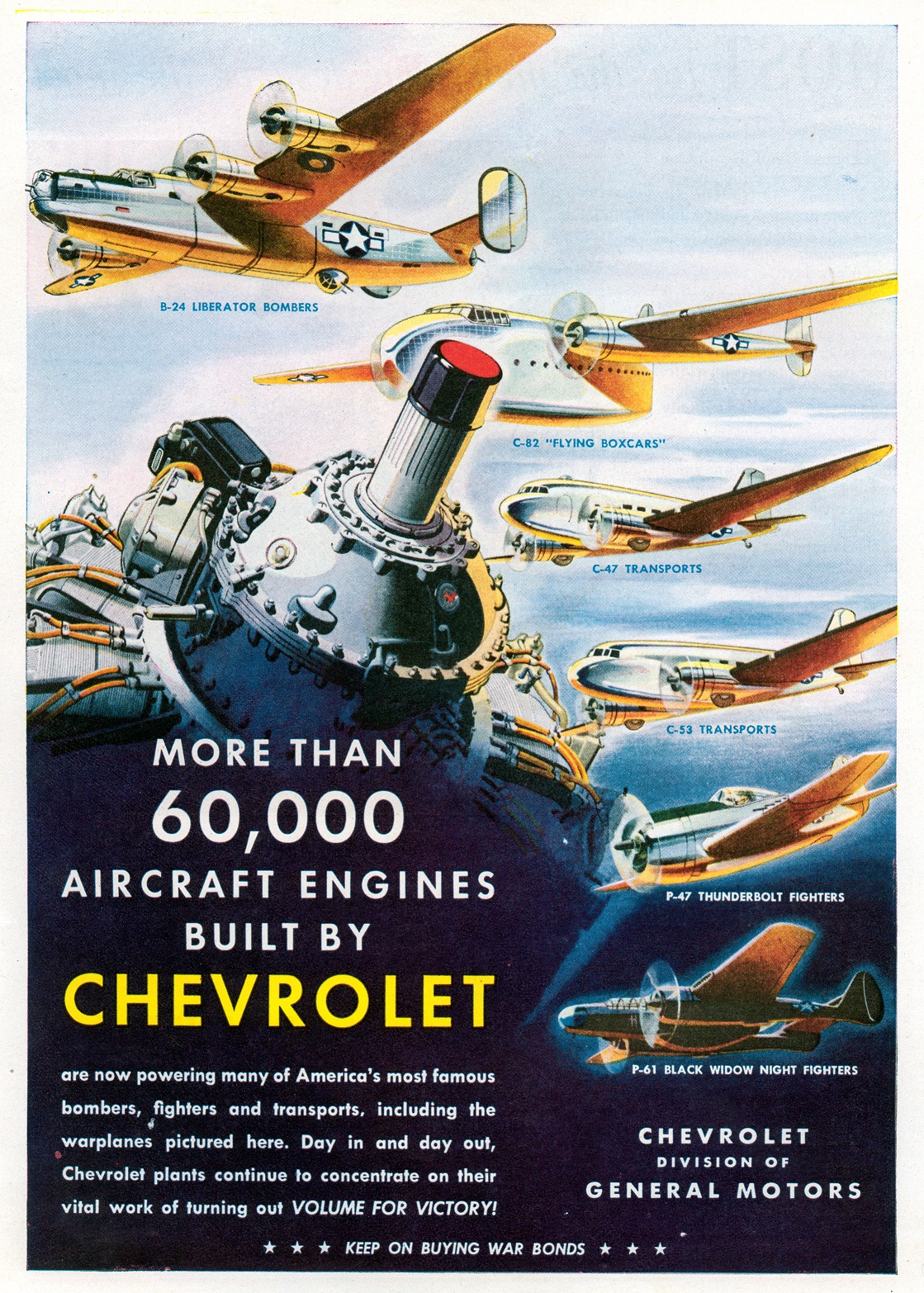
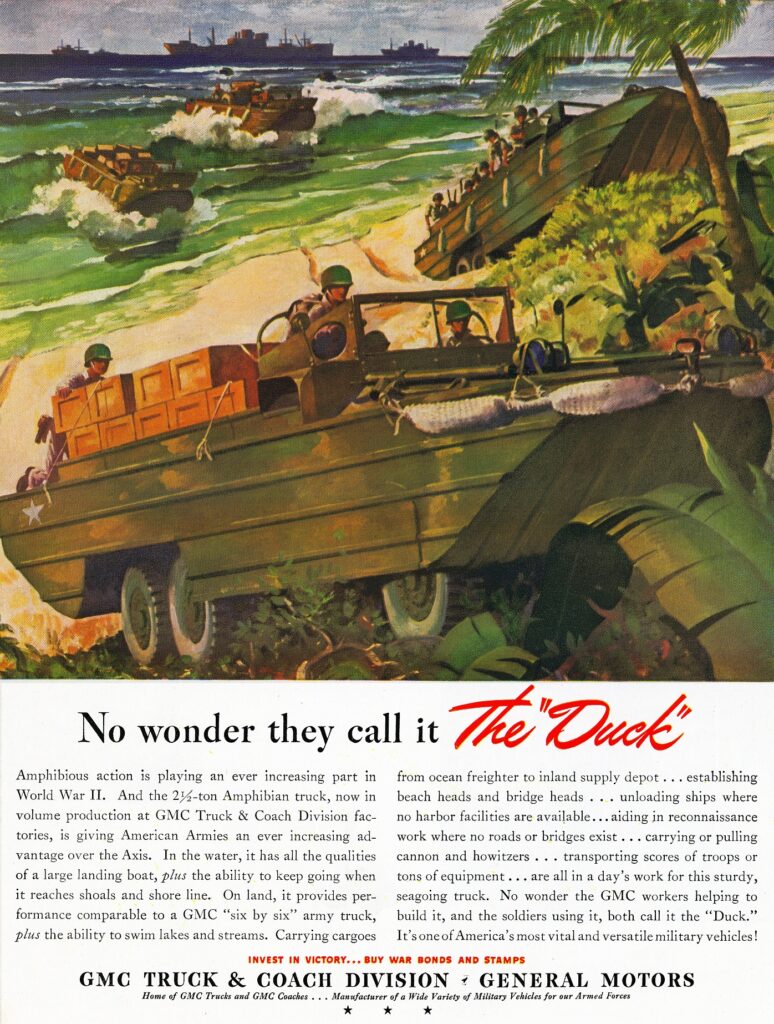


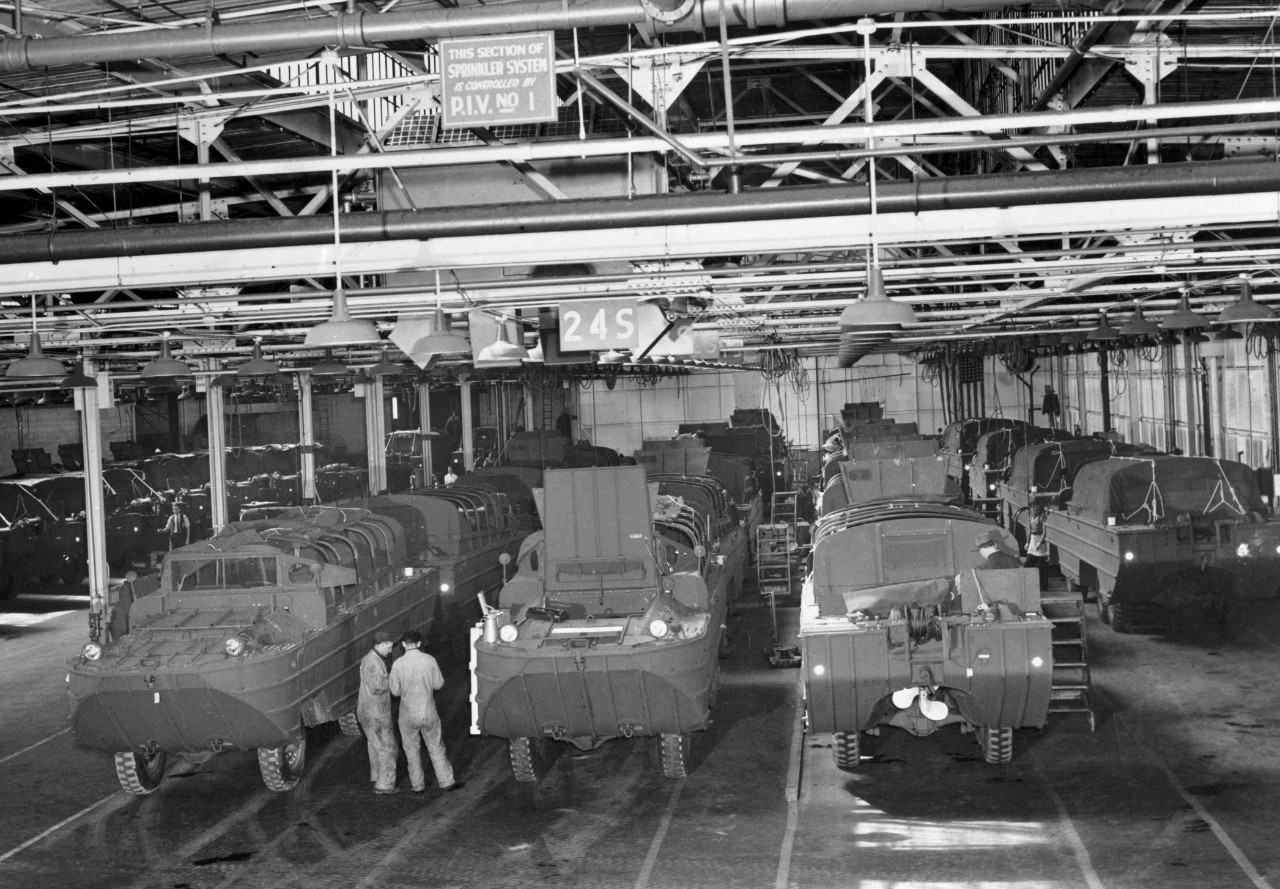

 GM claims to have produced more U.S. military vehicles than any manufacturer in history.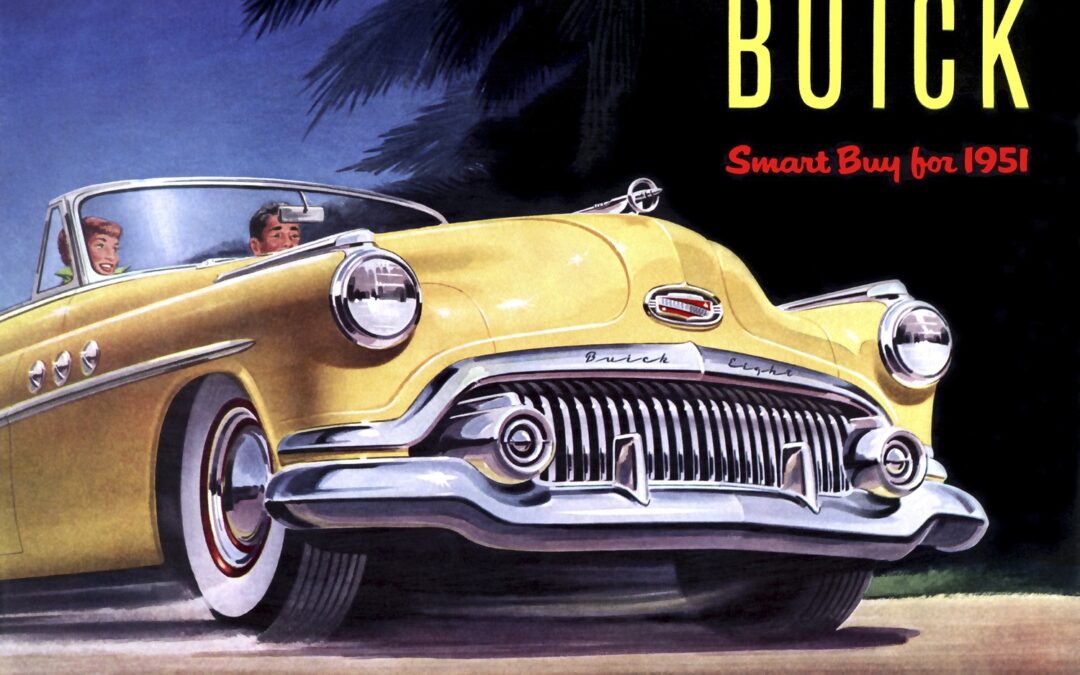


 The distinctive dome speedometer.


