Select Page

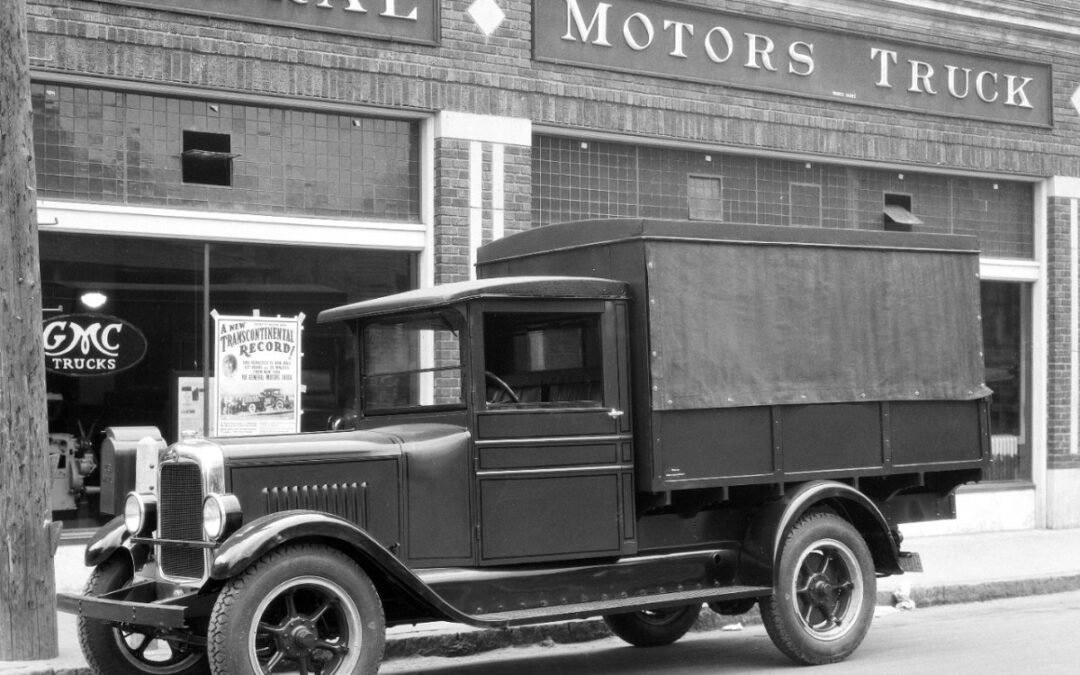
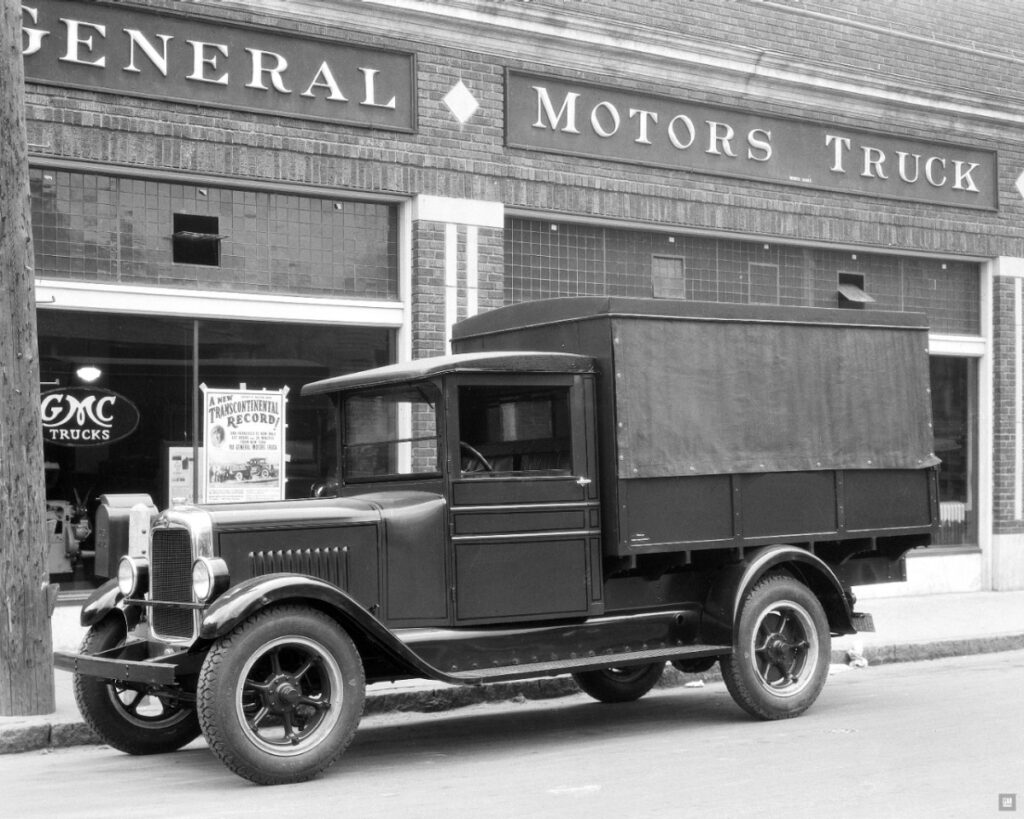
1928 GMC T-11 Canopy Express

1928 GMC T-11 Canopy Express
a 1928 GMC Canopy Express

The 1928 GMC Canopy Express used a Pontiac six-cylinder engine. (GM PR archives)

BY MARK MAYNARD

Beginning in 1920, GMC and Chevrolet trucks became largely similar, built as variants of the same platform, sharing much the same body sheet work, except for nameplates and grilles — though their differences, especially engines, have varied over the years, according to Wikipedia.

GMC advertising marketed its trucks to commercial buyers and businesses, whereas Chevrolet’s advertising was directed toward private owners.

Beginning in 1928, GMCs used Pontiac’s 186 cubic-inch six-cylinder engines in their lighter trucks. Medium-duty trucks relied on Buick engines, while the heaviest trucks used GMC’s own “standard Big Brute” engine.

From 1939 to 1974 GMC had its own line of six-cylinder engines, first the inline sixes known as “Jimmy’s” from 1939 to 1959, and then their own V-6 from 1960 until 1974, of which a V-8 and a V-12 version also existed. Additionally, from 1955 through 1959, the less than 2-ton, domestic GMC gasoline trucks were equipped with Pontiac, Buick, and Oldsmobile V-8s — whereas the Canadian models used Chevrolet engines.

Learn more about GMC truck history here.
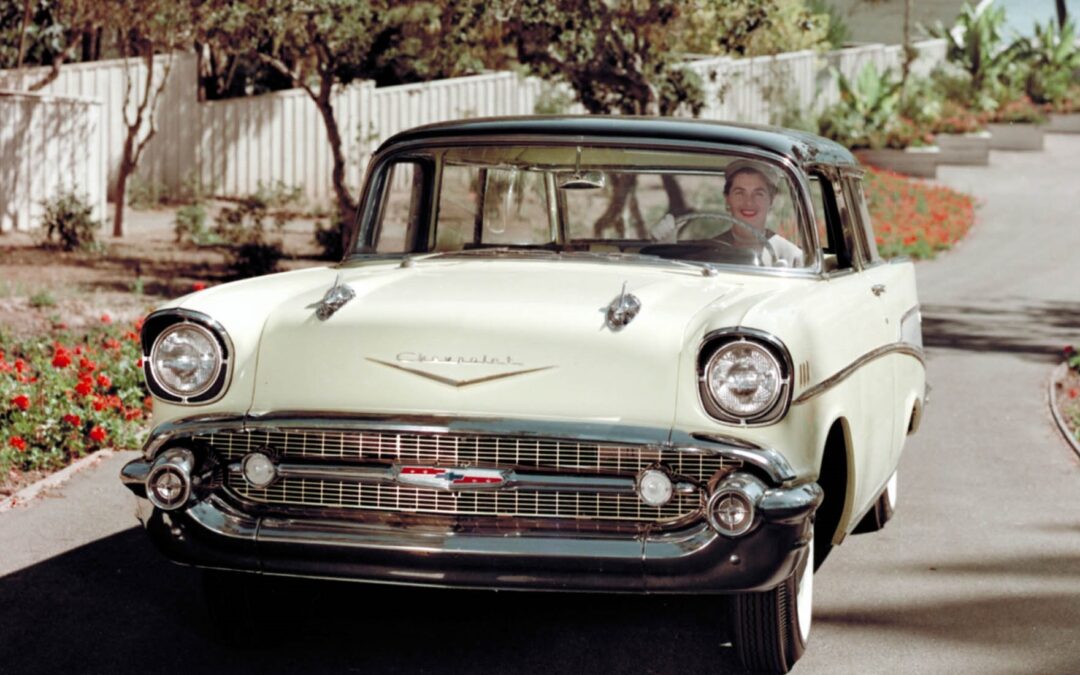
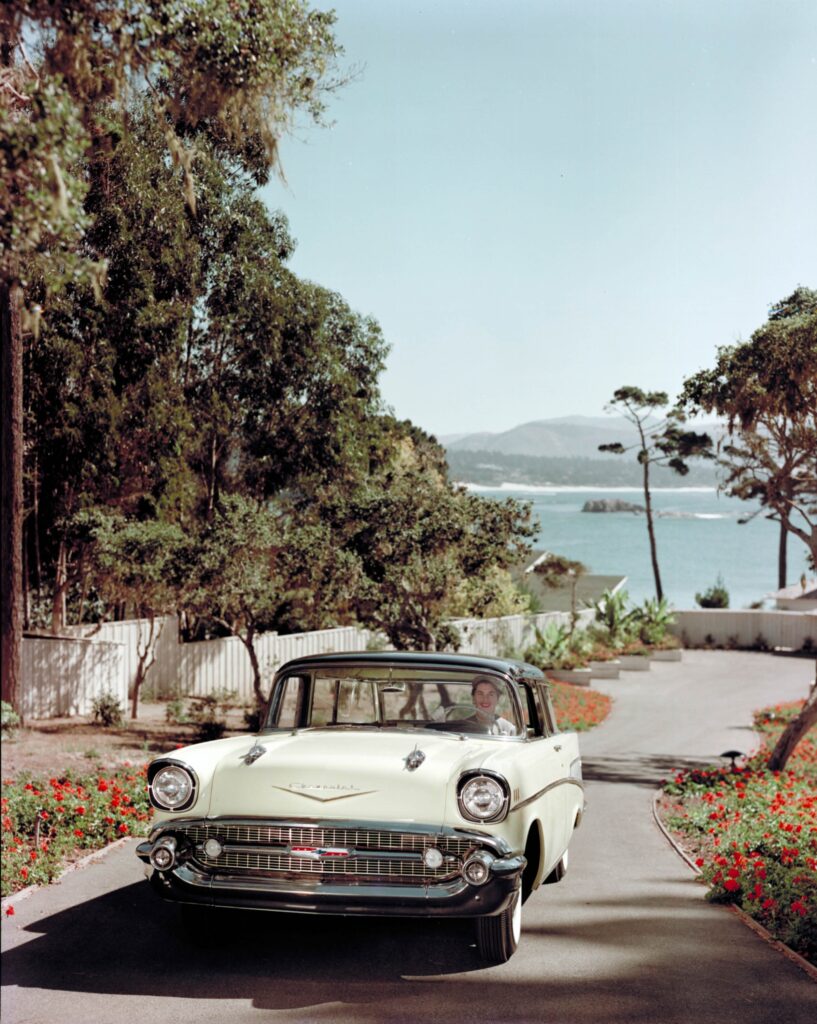
Vin Car Pic: 1957 Chevrolet Bel Air Nomad

Vin Car Pic: 1957 Chevrolet Bel Air Nomad
1957 Chevy Nomad. (GM archive PR image)

Chevrolet calls out the 1957 Nomad two-door wagon in a release that highlights 24 vehicles that helped define the brand in the U.S. market. The strikingly sleek Chevy Nomad of 1955-1957 brought midcentury modern design to the utilitarian station wagon, according to the release.

“The Nomad got its name, along with its unique roofline and rear body treatment, from a 1954 GM Motorama Corvette concept wagon conjured up by GM design chief Harley Earl – father, as well, of the 1953 Corvette roadster. 

“Encouraged by the show car’s reception, and mindful that America’s burgeoning suburbs were absorbing ever more station wagons, Chevrolet developed the Nomad into a premium Bel Air-level “halo” model for their 1955-57 regular wagon lines. 

“The Nomad two-door sport wagon design was produced through 1957.  Each of the three model years still has its passionate followers — the original Nomads have never gone out of style.”

Vin Car Pic: The future of GPS circa 1964

Vin Car Pic: The future of GPS circa 1964
Ready for the big screen.

Ford took a first stab at navigation systems in 1964, revealing the Aurora concept car with a map that automatically adjusted to the vehicle’s location. Ford’s introduction of this technology came nearly 30 years before the first navigation system for automobiles was produced. (Ford archives)

Vin Car Pic: 1958 Ford Del Rio wagon

Vin Car Pic: 1958 Ford Del Rio wagon
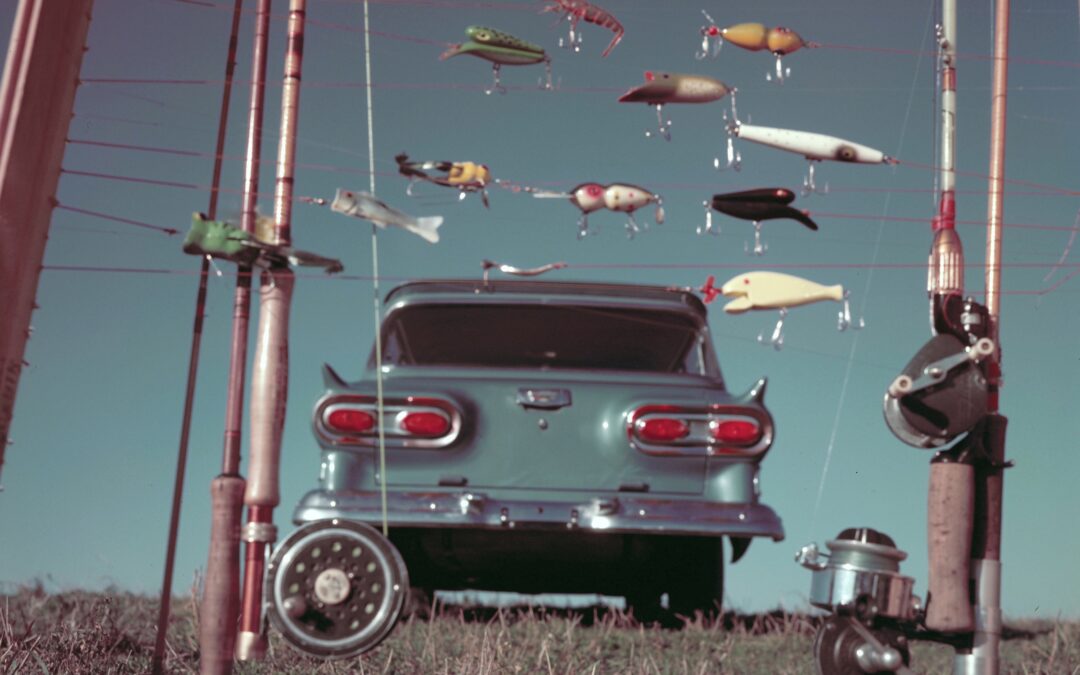
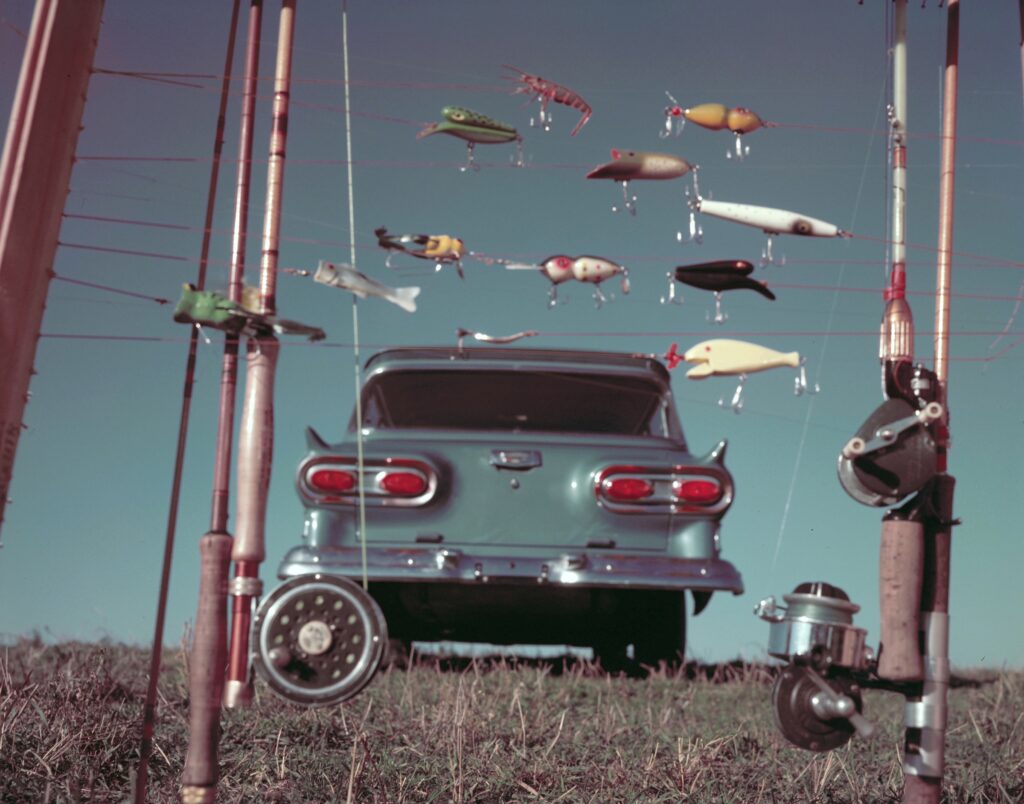
1958 Ford Del Rio Ranch Wagon. (Ford archives)

Ford might have been angling to poach buyers who were considering Chevrolet’s Nomad wagon, but it didn’t work out that way. According to the report in Wikipedia, “The impetus for the creation of the Del Rio was Ford’s desire to remain in the two-door sport wagon market started by the Chevrolet Nomad and Pontiac Safari.

“While the Nomad was Chevrolet’s most expensive model, offering a premium vehicle with a show-car-inspired body style, the Del Rio was strictly based on an existing product, the utilitarian two-door Ranch Wagon, Ford’s least expensive station wagon, as part of the Custom 300 series.

“Beginning with the basic body, buyers of the Del Rio were offered a unique two-tone paint scheme (optional), better quality interior and exterior brightwork (including gold anodized aluminum accents) and a higher grade vinyl upholstery. Four-way power seats were available.

“While the Ford sold more Del Rios in 1957 (46,105) than Chevrolet did with its Nomad in its three years of production, Ford terminated the Del Rio program at the end of the 1958 model year after selling only 12,687 of its “sport wagons.”

Vin Car Pic: 1966 VW Type 2

Vin Car Pic: 1966 VW Type 2
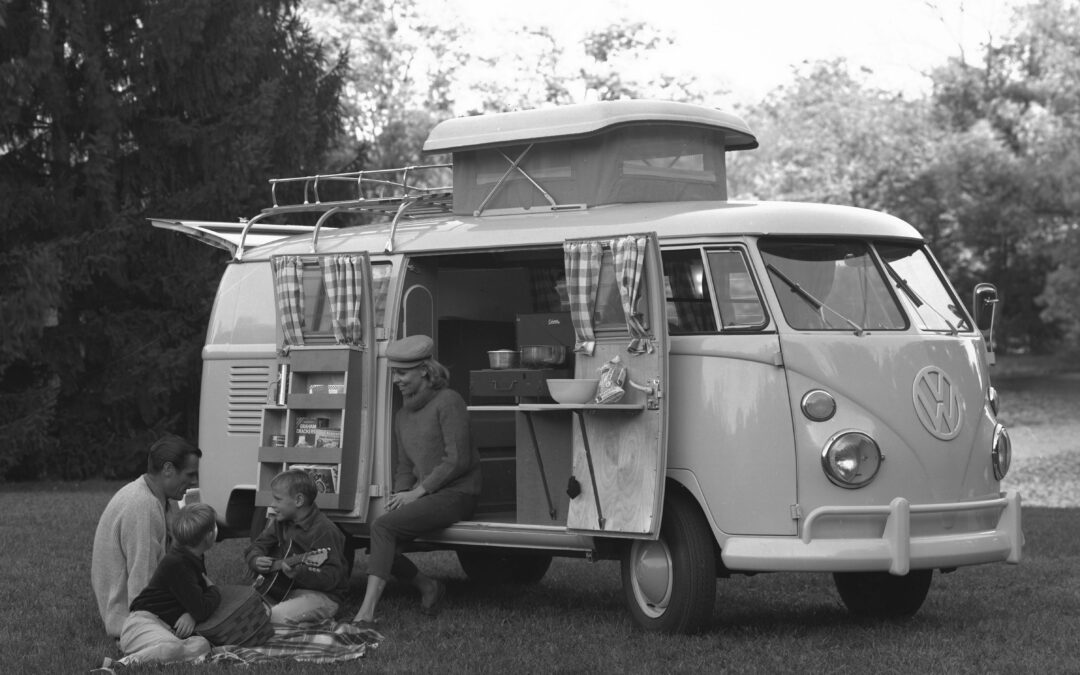
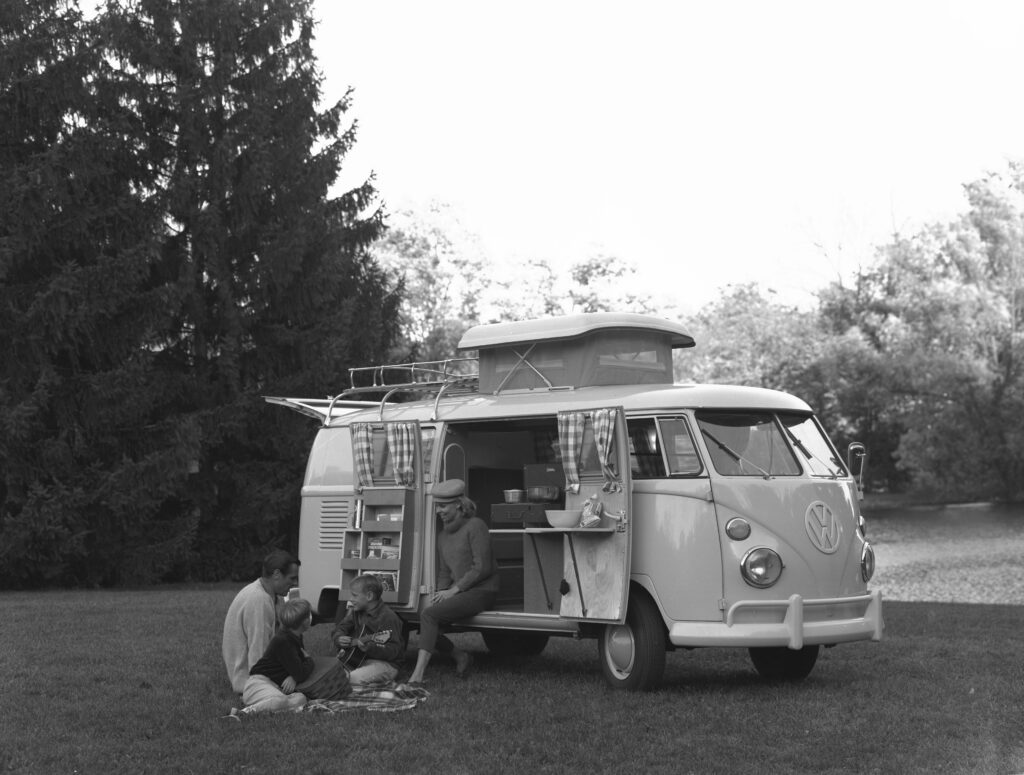
Family time with a “Westy.” (VW archive)

The versatile Volkswagen Type 2, known officially as the Transporter, Kombi or Microbus, was available in several body styles, from panel van to single- and double-cab pickups. This camping van was a conversion by Westfalia, fondly referred to as a “Westy” featured an optional “pop up” top.

Vin Car Pic: 1955 Chrysler

Vin Car Pic: 1955 Chrysler
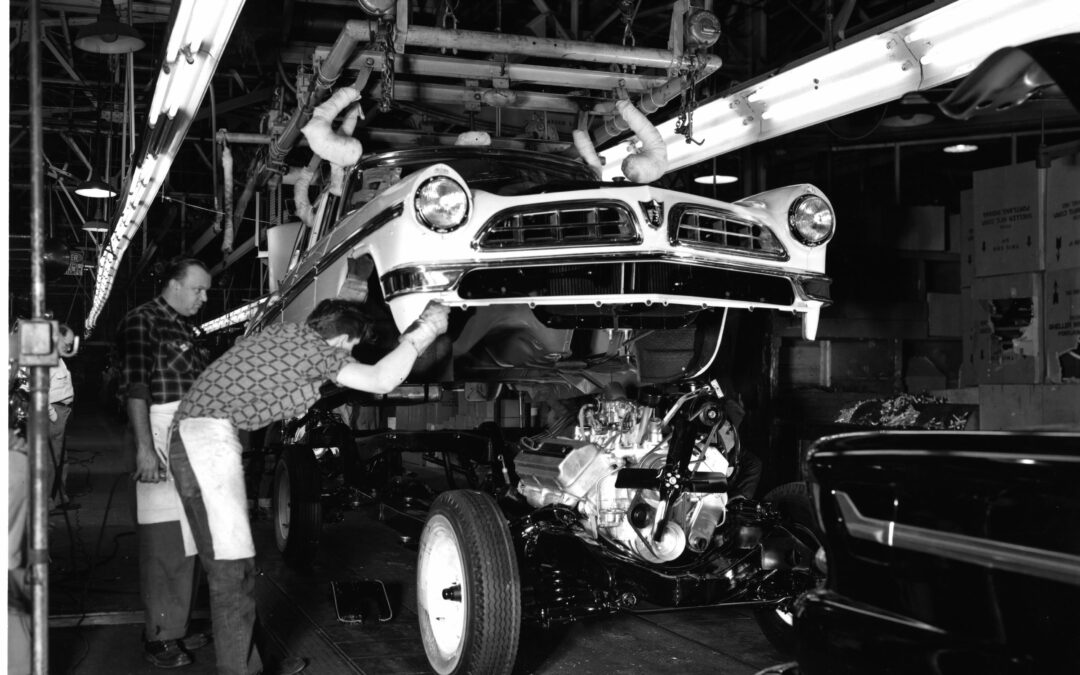
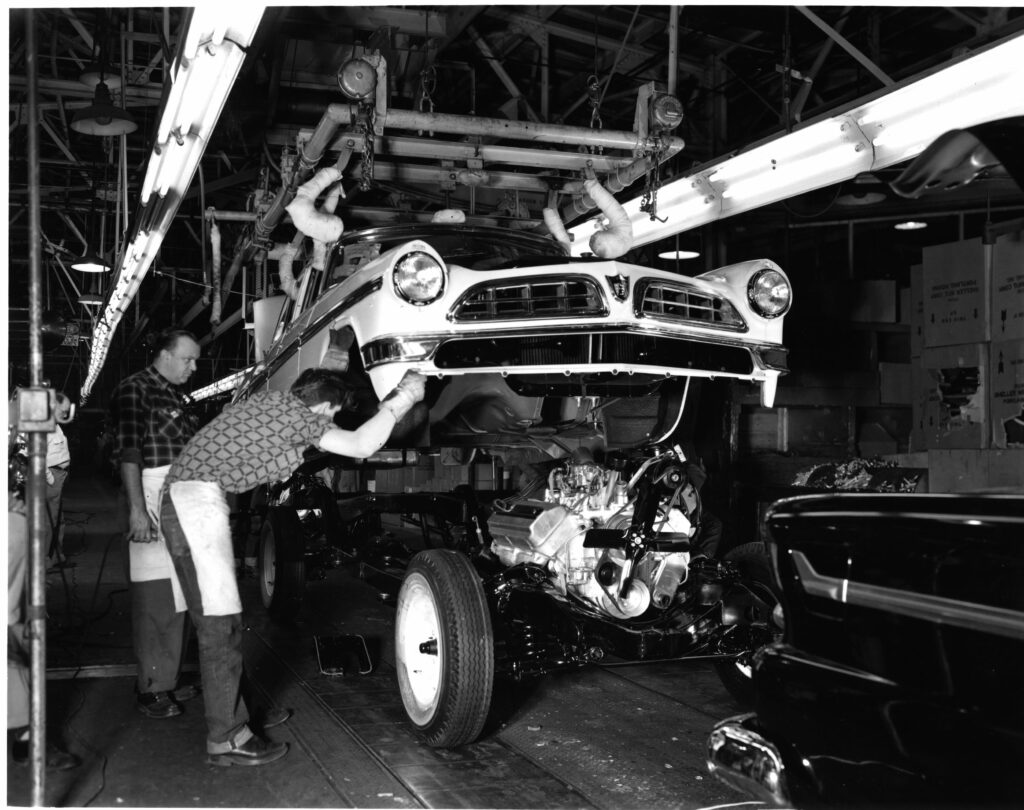
At Chrysler’s Jefferson Avenue plant, Detroit, Mich. (Chrysler archive)

This “body drop” appears to show an Imperial being mated with a Hemi V-8. According to Wikipedia, the “FirePower” V8 engine was Chrysler’s first-generation Hemi with a displacement of 331 cubic inches (5.4 liters) and developed 250 brake horsepower.